How to Choose Stainless Steel Knobs for Instrument Equipment: Grip, Wear Resistance and Design Standards
Stainless steel knobs play an important role in instrument equipment, industrial machinery, and precision mechanical assemblies. They allow operators to adjust, tighten, position, and control equipment components by hand. When selecting stainless steel knobs, buyers should consider more than appearance and material. Grip performance, wear resistance, dimensional accuracy, thread compatibility, and operating conditions all affect long-term performance.
For equipment manufacturers and purchasing teams, choosing the right knob helps improve operating convenience, reduce maintenance requirements, and ensure proper assembly. This guide explains the key factors to consider when sourcing anti-slip and wear-resistant metal knobs for industrial and instrument applications.
1. Why Does Grip Design Matter for Instrument Knobs?
Grip design directly affects how easily operators can tighten, loosen, and adjust equipment components. A poorly designed knob may slip during operation, especially when operators wear gloves or work in environments where moisture, oil, or dust is present.
Manufacturers use several surface designs to improve manual grip:
Knurled surfaces: Fine or coarse ridges create friction and help prevent fingers from slipping during operation.
Star-shaped designs: Multiple gripping lobes provide convenient finger contact and allow operators to apply manual tightening force.
Textured surfaces: Machined patterns or specially designed surface features improve handling and grip.
Ergonomic profiles: Rounded edges and suitable head dimensions improve comfort during repeated manual adjustments.
When selecting a knob, consider the required gripping force, operating frequency, available hand space, and whether operators need to wear protective gloves.
For applications requiring frequent adjustment, a well-designed gripping surface can improve handling efficiency and operating consistency.
2. Which Materials Are Suitable for Anti-Slip and Wear-Resistant Knobs?
Material selection affects corrosion resistance, mechanical durability, surface condition, and service life. Different industrial environments require different material properties.
304 Stainless Steel
304 stainless steel offers good corrosion resistance, durability, and versatility for general industrial applications. It suits instrument equipment, machinery assemblies, and components exposed to normal moisture and everyday industrial conditions.
316 Stainless Steel
316 stainless steel provides improved resistance to many corrosive environments, particularly those involving chlorides. It is worth considering for equipment exposed to more demanding chemical or environmental conditions.
Aluminum Alloy
Aluminum alloy offers a lightweight alternative for equipment where reducing component weight matters. Surface treatments can improve its appearance and wear characteristics.
Brass and Other Metals
Brass and other suitable metals can meet specific requirements for appearance, machinability, and mechanical performance. Buyers should select materials according to the equipment design and operating environment.
For most general-purpose industrial applications, 304 stainless steel provides a practical balance of durability, corrosion resistance, and manufacturing flexibility.
3. How Do Manufacturers Improve the Wear Resistance of Metal Knobs?
Wear resistance depends on the base material, surface condition, manufacturing quality, and frequency of use. A knob that operators adjust repeatedly needs a surface and structure that can withstand regular contact without developing excessive damage.
Consider the following manufacturing factors:
Surface Finishing
Polishing, brushing, passivation, and other suitable finishing processes can improve surface quality and help protect stainless steel components. The appropriate treatment depends on the material grade and application.
Knurling and Surface Texture
Knurling creates a patterned surface that improves finger grip. Manufacturers can select different knurling patterns and depths according to the required handling performance.
Dimensional Accuracy
Accurate machining helps maintain consistent dimensions, thread fit, and assembly compatibility. Poorly controlled dimensions may cause installation difficulties or excessive movement during operation.
Material Selection
Selecting an appropriate metal grade helps the component withstand the mechanical and environmental conditions of its intended application.
Manufacturing and Inspection
Consistent machining, thread processing, and surface inspection help reduce defects and support repeatable product quality.
Buyers should also distinguish between wear resistance of the base metal and abrasion resistance of a surface coating. These properties require different evaluation methods.
4. What Standards Should Buyers Consider When Selecting Industrial Knobs?
There is no single universal standard that defines the anti-slip and wear-resistance requirements for every industrial knob. Instead, buyers should evaluate relevant design guidance, dimensional standards, material specifications, and testing methods according to the application.
Here are several useful references:
Ergonomic Design of Machine Controls
European machinery ergonomics guidance, including EN 894-3, addresses the selection and design of control actuators. Relevant considerations include the type of grip, actuator dimensions, surface structure, material, and operator accessibility.
These factors help manufacturers select suitable control components for safe and effective manual operation.
DIN Standards for Knurled Components
DIN 464 specifies dimensions for high-type knurled thumb screws. It provides a useful dimensional reference when sourcing standardized knurled fastening components.
However, buyers should not assume that DIN 464 applies to every industrial knob. Custom knobs require their own agreed technical drawings and dimensional specifications.
Abrasion Resistance Testing
ASTM D4060 provides a Taber Abraser test method for evaluating the abrasion resistance of organic coatings applied to rigid surfaces.
This method may be relevant when a knob uses an organic surface coating, but it does not establish the wear resistance of the entire stainless steel component.
For customized metal knobs, buyers should define measurable acceptance requirements based on the actual application rather than relying on a general claim such as anti-slip or wear-resistant.
5. How to Choose the Right Stainless Steel Knobs for Your Equipment
Before purchasing industrial knobs, equipment manufacturers and procurement teams should confirm several important specifications.
1. Knob Design
Choose between star knobs, knurled knobs, round knobs, and other configurations according to the required gripping method and available installation space.
2. Material Grade
Select 304 or 316 stainless steel according to corrosion exposure, cleaning conditions, and mechanical requirements.
3. Thread Specifications
Confirm the thread diameter, pitch, stud length, and thread type. Metric and imperial threads should not be treated as interchangeable.
4. Dimensions and Installation
Check the knob diameter, head height, mounting structure, and connection dimensions to ensure compatibility with the equipment.
5. Surface Finish
Specify polishing, brushing, passivation, or other appropriate finishes based on appearance, handling, and environmental requirements.
6. Operating Frequency
Equipment requiring frequent manual adjustment may benefit from ergonomic designs and more suitable gripping surfaces.
7. Supplier Manufacturing Capability
Choose a supplier that can review technical drawings, manufacture custom dimensions, inspect critical specifications, and support repeat production.
Providing complete technical information before ordering helps reduce communication errors and improves quotation accuracy.
6. Why Source Custom Metal Knobs from an OEM Manufacturer?
Standard knobs may not meet every equipment design. OEM manufacturers often require specific dimensions, thread configurations, material grades, or surface finishes to match their assemblies.
Working with a custom metal knob manufacturer allows buyers to develop components according to actual equipment requirements rather than relying entirely on standard catalog products.
A capable manufacturing partner should support:
Custom designs based on 2D drawings, 3D CAD files, or physical samples.
Stainless steel materials such as 304 and 316.
Customized thread sizes, stud lengths, and mounting configurations.
CNC machining, turning, milling, knurling, and suitable finishing processes.
Dimensional inspection and agreed quality requirements.
Prototype development and repeat production.
At Zhejiang Dream Industry Limited, we specialize in custom CNC machined parts and non-standard metal components. With more than 20 years of manufacturing experience, we support OEM projects from drawing evaluation to production and quality inspection.
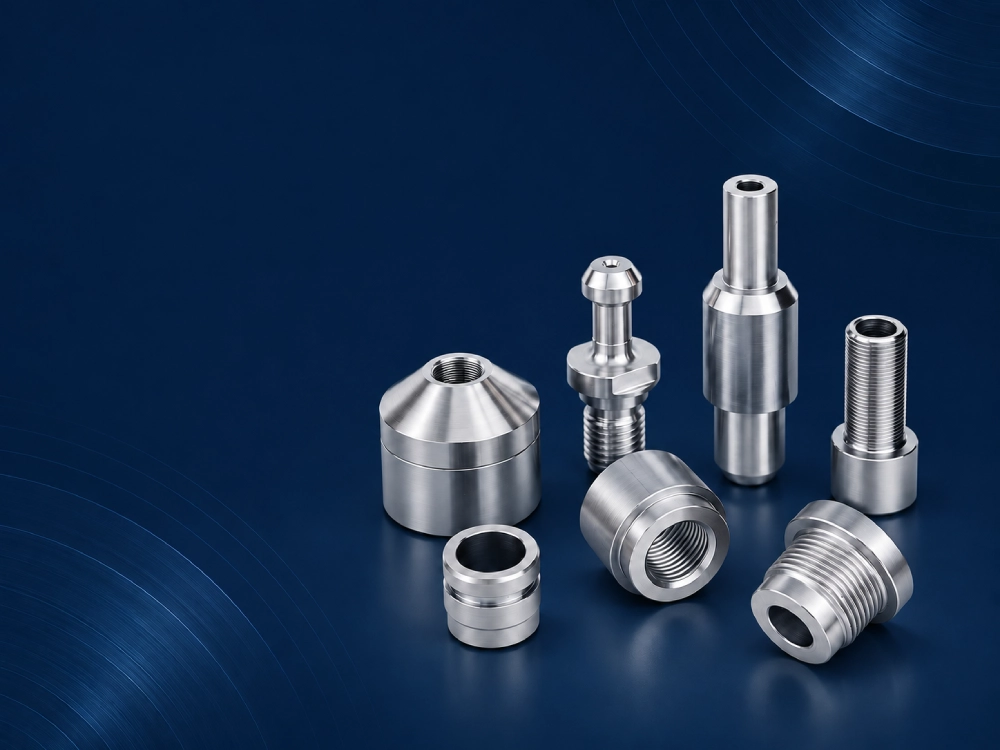
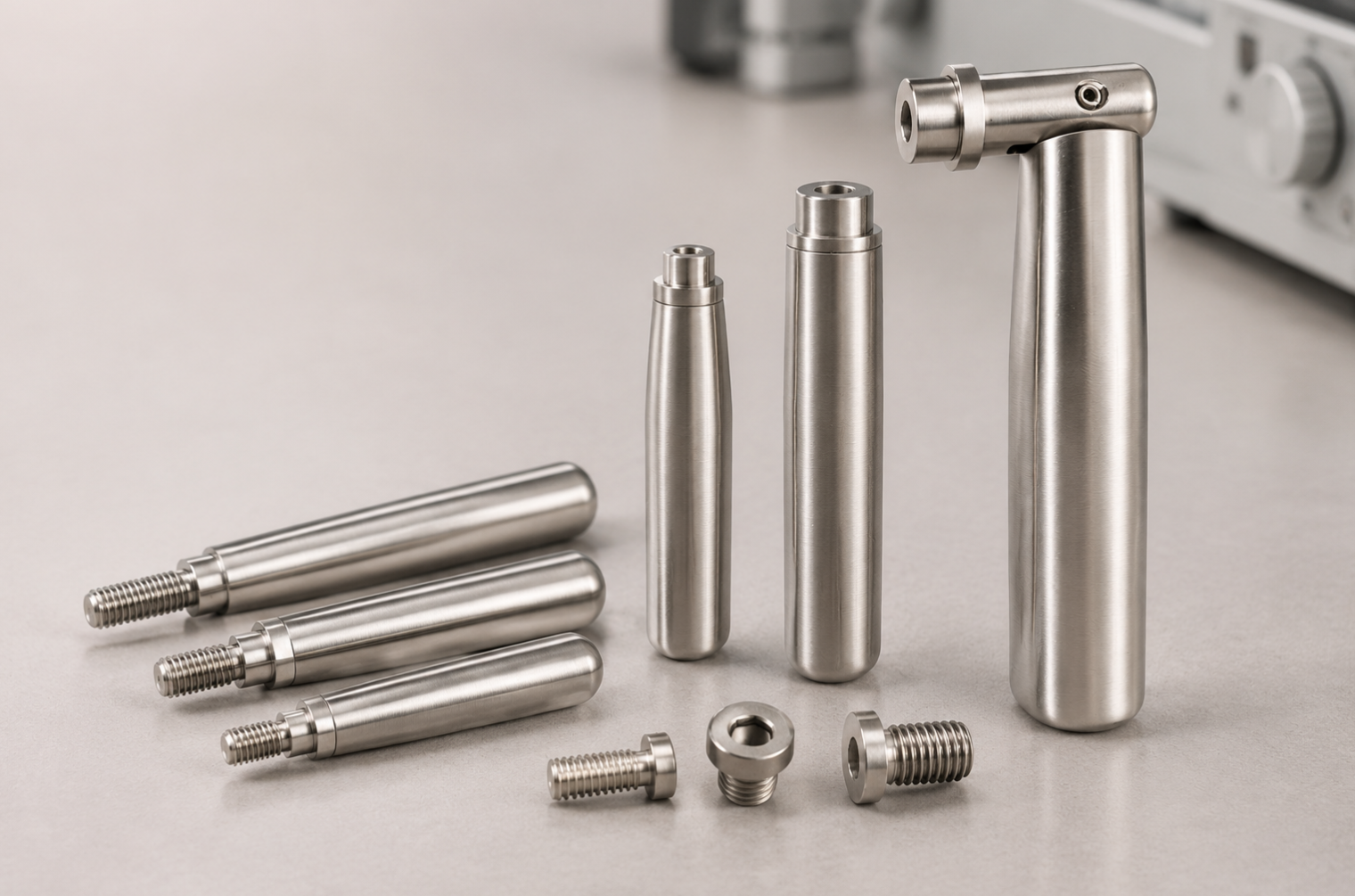
Our manufacturing capabilities cover stainless steel knobs, handles, handwheels, and other precision metal components for industrial equipment and machinery manufacturers.
Whether you need a standard configuration or a customized knob, providing your drawings and technical requirements helps us evaluate the appropriate manufacturing solution.
Frequently Asked Questions
What is the best material for industrial instrument knobs?
304 stainless steel is a practical choice for many general industrial applications because it combines corrosion resistance and durability. For more corrosive environments, buyers can consider 316 stainless steel. The final selection depends on actual operating conditions.
How can I improve the grip of a stainless steel knob?
Choose a suitable gripping design, such as knurling, star-shaped profiles, or textured surfaces. Knob dimensions, surface geometry, and operating conditions also influence grip performance.
Are knurled stainless steel knobs wear-resistant?
Knurled stainless steel knobs can provide durable gripping surfaces for repeated manual operation. Actual wear performance depends on the material grade, knurling design, surface condition, and operating environment.
What thread options are available for custom metal knobs?
Custom knobs can accommodate different metric or imperial thread sizes, pitches, and stud lengths according to equipment requirements. Buyers should provide complete thread specifications to ensure proper compatibility.
Can manufacturers produce custom stainless steel knobs from drawings?
Yes. OEM manufacturers can evaluate custom knob designs based on 2D drawings, 3D CAD files, or physical samples. Customization may include dimensions, materials, thread configurations, surface finishes, and other technical requirements.
Conclusion
Choosing the right stainless steel knobs involves more than selecting a metal grade. Grip design, surface finish, wear resistance, thread compatibility, and manufacturing quality all influence component performance.
For instrument equipment manufacturers and industrial buyers, clearly defined technical requirements and a capable OEM supplier help ensure better product compatibility and more consistent sourcing.
Looking for custom stainless steel knobs for your next equipment project? Send us your drawings or samples to discuss specifications, manufacturing options, and quotation details.