Requesting a custom gear manufacturer quote requires more than a gear photo or a brief product description. Manufacturers need accurate technical details to evaluate production costs, manufacturing processes, and delivery schedules. Missing information can lead to inaccurate pricing, repeated revisions, or unsuitable samples.
Preparing the right information before submitting a request for quotation (RFQ) helps buyers compare suppliers more effectively. It also reduces delays during technical review and production planning. Whether you need prototype gears, replacement parts, or components for regular production, clear specifications provide a stronger starting point for the quotation process.
What Information Is Needed for a Custom Gear Quote?
A complete RFQ should include technical specifications, order requirements, and relevant application details. Engineering drawings are usually the best starting point because they define dimensions, tolerances, and gear geometry. PDF, DWG, DXF, STEP, and IGES files can help manufacturers evaluate different aspects of the design.
| Required information | What to provide | Why it matters |
|---|---|---|
| Gear type | Spur, helical, bevel, worm, or planetary gear | Determines the manufacturing approach |
| Gear dimensions | Tooth count, module, pressure angle, bore, and face width | Defines geometry and compatibility |
| Material | Steel, stainless steel, plastic, or another specified material | Affects cost, strength, and durability |
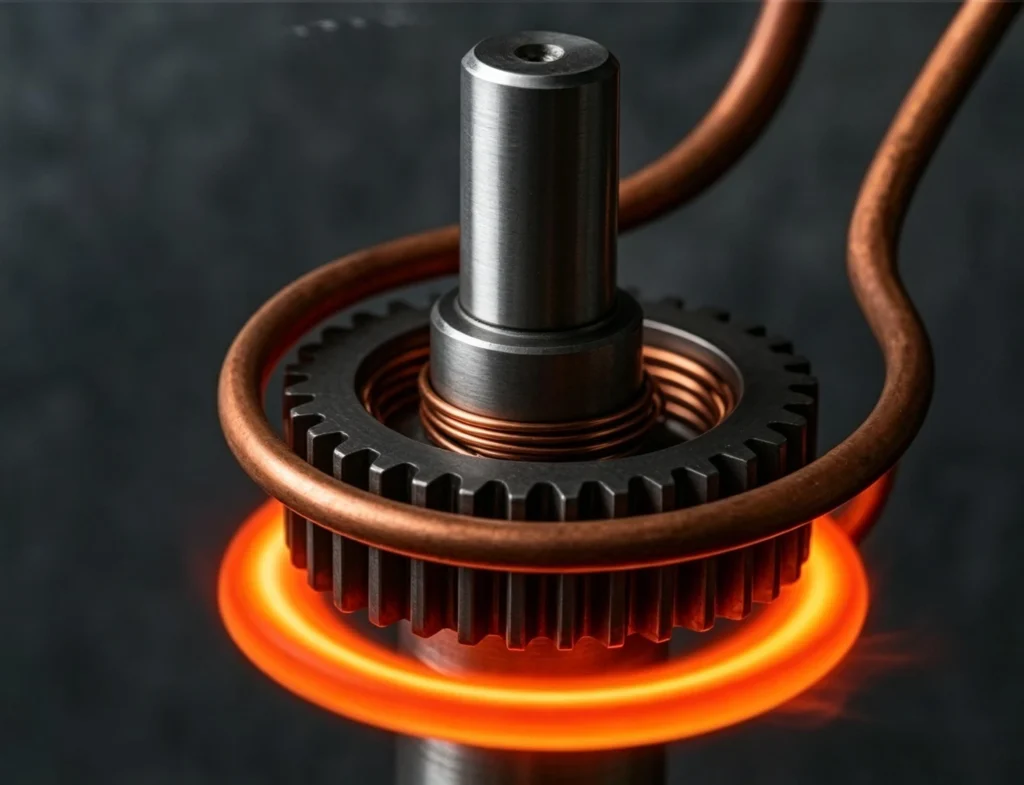
| Heat treatment | Required hardness and treatment method, if applicable | Influences wear resistance and processing costs |
| Accuracy requirements | Tolerances and applicable quality standards | Determines machining and inspection requirements |
| Order quantity | Prototype, initial batch, and estimated recurring demand | Affects unit pricing and production planning |
| Application details | Torque, speed, operating environment, and mating components | Helps evaluate performance requirements |
| Delivery requirements | Target date, destination, packaging, and inspection documents | Supports scheduling and logistics |
If a drawing is unavailable, provide clear photographs, key measurements, an existing sample, or an OEM part number. These materials can support an initial assessment, although additional engineering work may be necessary. For replacement gears, explain whether the component must match an existing shaft, housing, or mating gear.
Also identify any requirements for material certificates, hardness reports, or gear inspection records. Agreeing on these details before quotation helps prevent disagreements during final inspection.
What Factors Affect a Custom Gear Manufacturer Quote?
Several factors affect the final price of a custom gear. Knowing these cost drivers helps buyers compare quotations and identify potential additional expenses before placing an order.
Design complexity and machining processes affect production time and equipment requirements. Simple spur gears may require fewer operations than complex bevel gears or precision-ground components. Tight tolerances can also require additional machining and inspection.
Material selection and heat treatment influence both material costs and manufacturing expenses. Alloy steels, stainless steels, plastics, and other materials have different machining characteristics. Heat treatment may improve hardness and wear resistance, but it also adds processing costs.
Order quantity is another important factor. Prototype orders often have higher unit costs because setup and engineering expenses are distributed across fewer parts. Larger orders may reduce unit costs, depending on production efficiency and material purchasing conditions.
Other expenses may include tooling, sample development, surface finishing, inspection reports, packaging, and shipping. Buyers should ask manufacturers to separate one-time engineering or tooling charges from recurring production costs. This distinction makes future repeat-order pricing easier to evaluate.
How to Compare Custom Gear Manufacturer Quotes
When comparing a custom gear manufacturer quote with competing offers, buyers should evaluate more than the final price. Two quotations may appear similar while covering different materials, tolerances, manufacturing processes, or inspection requirements.
Start by checking whether every supplier is quoting against the same drawing revision and technical specifications. Confirm the material grade, heat treatment, dimensional tolerances, and required gear accuracy. Differences in these details can significantly affect the finished component.
Next, review the commercial terms. Check the quoted quantity, minimum order quantity, sample charges, tooling fees, estimated lead time, and payment conditions. Confirm whether packaging, shipping, and required quality documents are included or charged separately.
It is also important to clarify assumptions and exclusions. If a supplier cannot confirm a particular specification, ask whether the quotation is provisional or based on an alternative requirement. Written clarification reduces the risk of unexpected costs after ordering.
Finally, consider sample approval procedures and production consistency. A competitive quotation should support the required specifications and delivery schedule. Choosing solely by the lowest unit price may create additional expenses if the gears fail inspection or require redesign.
How to Request a Custom Gear Quote Efficiently
A well-prepared RFQ helps manufacturers assess your project with fewer clarification rounds. Before submitting your request, organize the available technical documents and clearly identify any unresolved requirements.
Follow these steps to prepare your inquiry:
Prepare the technical files. Attach the latest drawings, CAD models, or sample photographs with key dimensions.
Specify the requirements. Include gear type, material, quantity, tolerances, and applicable finishing processes.
Explain the application. Provide operating speed, torque, working environment, and mating component details where available.
Define delivery expectations. State the target delivery date, destination, packaging needs, and required inspection documents.
Request a detailed quotation. Ask for unit pricing, additional charges, estimated lead time, and quotation validity.
For projects involving straight-tooth or angled-tooth gears, review the available spur gear and helical gear OEM/ODM options. Confirm the required module, tooth count, pressure angle, bore, keyway, material, and accuracy before finalizing the specification.
If some parameters remain uncertain, list them separately instead of making assumptions. The manufacturer can then identify which details require engineering review before confirming the price.
Frequently Asked Questions
How Long Does a Custom Gear Quote Take?
The time required depends on drawing completeness, gear complexity, material availability, and inspection requirements. Standard designs with clear specifications may be evaluated more quickly than complex components requiring engineering review. Projects involving reverse engineering, special materials, or tight tolerances may need additional clarification. To avoid unnecessary delays, submit the latest drawings, required quantities, material specifications, and target delivery date together. Ask the manufacturer to identify any missing information that could affect the quotation schedule.
Can You Get a Gear Quote Without a Drawing?
Yes, an initial quotation may be possible without a complete engineering drawing. Buyers can provide an existing gear, clear photographs, key measurements, an OEM part number, or information about the equipment where the gear operates. These details help the manufacturer assess the project and identify missing specifications. However, photographs alone rarely establish exact tooth geometry, tolerances, or material properties. Reverse engineering or additional measurements may be necessary before the manufacturer can confirm the final design, price, and production requirements.
What Should a Custom Gear Quotation Include?
A detailed quotation should identify the gear specifications, material, order quantity, unit price, and total cost. It should also clarify tooling or engineering charges, heat treatment, surface finishing, inspection requirements, and estimated production lead time. Packaging, shipping arrangements, payment terms, and quotation validity should be stated where applicable. Buyers should confirm whether sample production and quality documentation are included. Reviewing these details before placing an order helps prevent misunderstandings and makes quotations from different suppliers easier to compare.
Conclusion
Preparing complete technical and commercial information is essential when requesting a custom gear manufacturer quote. Clear specifications help manufacturers assess production requirements, calculate costs, and establish realistic delivery schedules. Buyers should also compare quotations based on consistent technical standards, included services, and quality expectations rather than unit price alone.
For projects requiring different gear types or customized specifications, review the available precision gear products and prepare the relevant drawings, quantities, and operating requirements before submitting an RFQ.