Introduction To 45 Vs 90 Degree Pipe Elbow
Pipe elbows are essential components in industrial piping systems, directing the flow of fluids efficiently. The 45 vs 90 degree pipe elbow choice impacts fluid dynamics, pressure drop, and long-term system reliability. A 45-degree elbow gently redirects flow, reducing turbulence and minimizing energy loss. In contrast, a 90-degree elbow creates sharper directional changes, which can increase friction and localized pressure loss. Industries such as petrochemical, HVAC, water treatment, and food processing rely on these fittings for smooth operation. Selecting the correct elbow angle ensures both system efficiency and mechanical longevity.
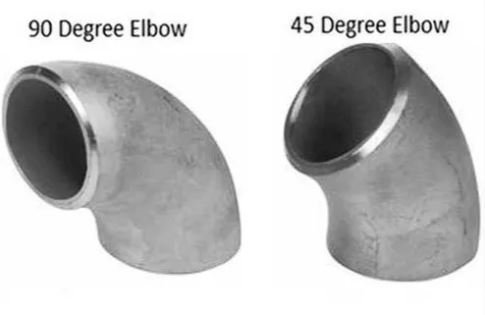
Structural Design Differences Between 45 Vs 90 Degree Pipe Elbow
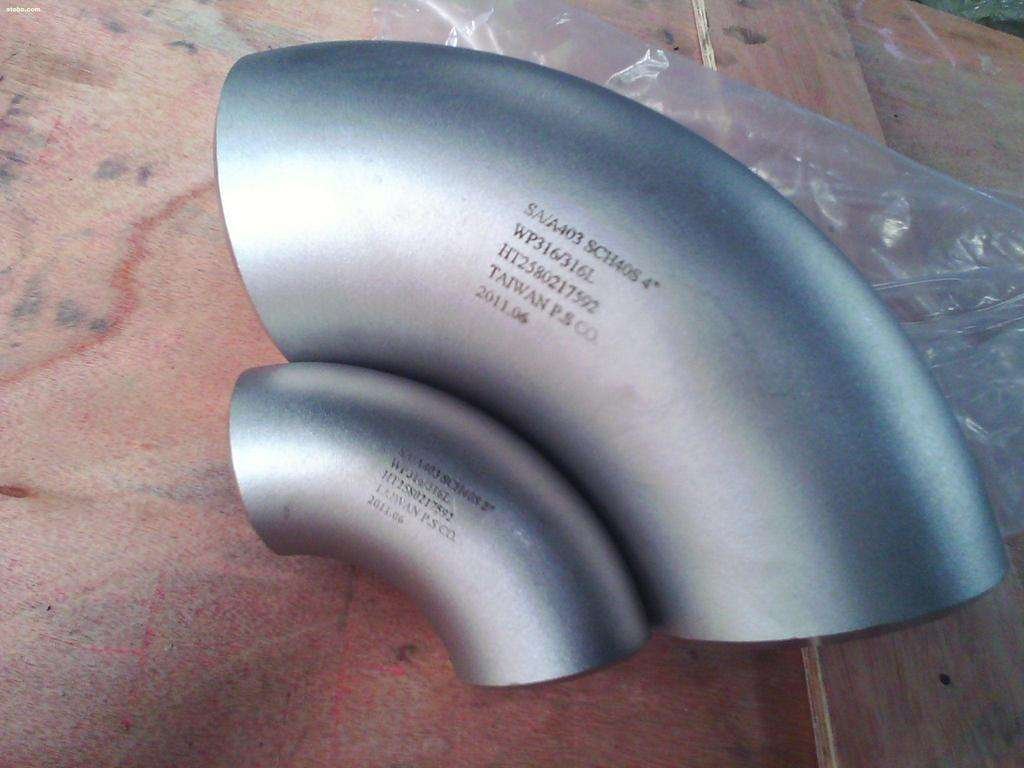
The primary difference between 45 vs 90 degree pipe elbow lies in their bend angles and geometric structure. A 45-degree elbow features a gentler curve, resulting in a larger centerline radius compared to a 90-degree elbow. This design allows smoother flow transition with reduced stress concentration at the bend. Conversely, a 90-degree elbow sharply redirects the flow, which can increase turbulence and wear over time. Standard compliance, such as ASME B16.9 or DIN specifications, ensures that both elbow types maintain consistent dimensional accuracy and reliable pressure handling across industrial installations.
Flow Resistance And Pressure Drop Characteristics
Flow resistance is a critical factor in elbow selection. A 45-degree pipe elbow reduces abrupt directional changes, lowering frictional losses and stabilizing pressure along the pipeline. This effect minimizes pump energy consumption and improves hydraulic efficiency in long-distance systems. By contrast, a 90-degree elbow generates higher turbulence, which increases localized pressure drops and potential vibration issues. In high-flow applications, selecting the proper elbow angle ensures smooth operation while preventing fluid hammer and erosive wear. Engineers often calculate flow coefficients to determine optimal angles for specific industrial pressures and velocities.
Installation Flexibility In Industrial Piping Systems
Installation requirements differ significantly between the two elbow types. A 90-degree pipe elbow suits compact layouts where space constraints require tight directional changes. In contrast, a 45-degree elbow offers more flexibility in routing, particularly for long, linear pipelines that demand smoother turns. Welding alignment is simpler with 45-degree elbows, reducing fabrication time and labor costs. Accessibility for inspection or maintenance is also improved, especially in systems where valves, meters, and other instruments require unimpeded access. Equipment skid assemblies and modular piping systems benefit from these design considerations.
Material Selection And Manufacturing Standards
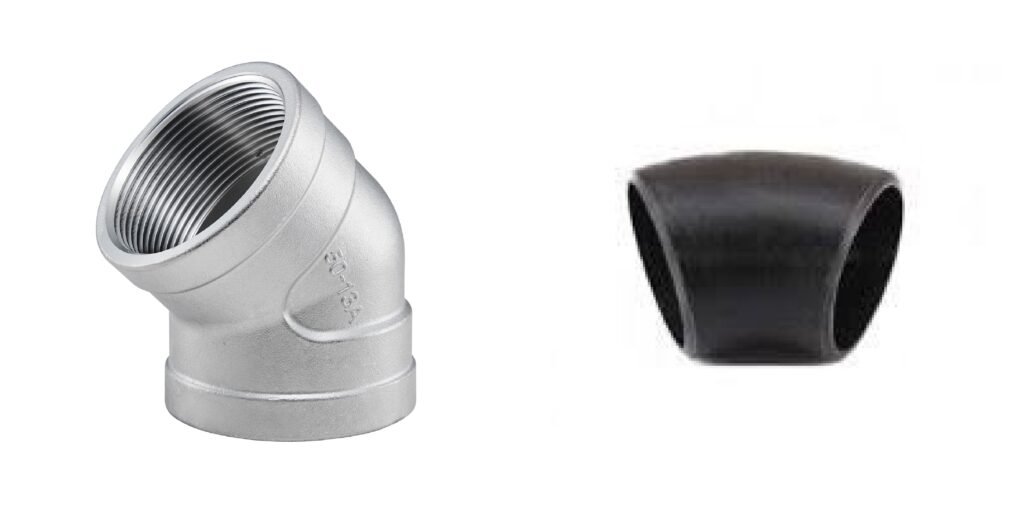
Material choice directly impacts elbow performance. Stainless steel pipe fittings are ideal for corrosion-prone environments, such as chemical plants or high-moisture pipelines. Carbon steel elbows handle high pressure and temperature applications, while alloy steel variants provide enhanced mechanical strength and wear resistance. Manufacturing methods, including seamless and welded techniques, influence durability and reliability. Standards like ASTM A234 or ASTM A403 define chemical composition, wall thickness, and tolerances. Proper material selection ensures that elbows withstand mechanical stress, thermal expansion, and long-term operational demands.
45 Vs 90 Degree Pipe Elbow In Different Industrial Applications
Both 45-degree and 90-degree elbows serve specific industrial purposes. A 45-degree elbow is preferred in long pipelines where flow stability is crucial, such as water treatment or sanitary piping.
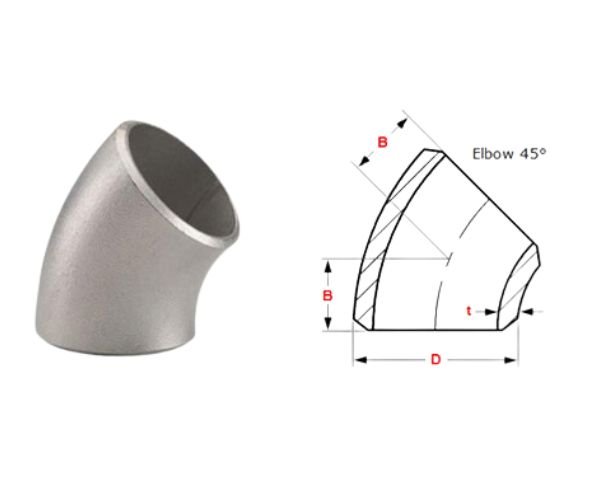
The 90-degree elbow suits compact installations and sharp directional changes, commonly found in HVAC systems and chemical reactors.
Ideal Usage Scenarios:
- 45-degree elbow: long pipelines, low turbulence requirements, sensitive hydraulic systems.
- 90-degree elbow: compact industrial layouts, sharp bends, valve adjacency.
- High-pressure systems: typically favor 45-degree elbows to reduce stress.
- Space-limited systems: 90-degree elbows maximize installation flexibility.
Comparison Table For Industrial Buyers
| Parameter | 45 Degree Elbow | 90 Degree Elbow |
|---|---|---|
| Flow Resistance | Low | High |
| Installation Space | Requires more space | Compact layout |
| Pressure Loss | Minimal | Higher |
| Cost Efficiency | Moderate | Lower installation cost |
| Maintenance Accessibility | High | Limited in tight spaces |
| Typical Industries | Water, chemical, sanitary | HVAC, petrochemical |
Following the table, it is crucial to evaluate each elbow’s impact on operational efficiency. The smoother curvature of the 45-degree elbow reduces wear at directional changes, whereas 90-degree elbows require frequent inspection at stress points. Selecting the right elbow type balances installation constraints with long-term performance, optimizing system reliability and energy usage.
Operational Efficiency And Long-Term Maintenance
Elbow selection significantly influences pipeline longevity. Sharp bends in 90-degree elbows can increase localized erosion and vibration. In contrast, 45-degree elbows distribute flow energy more evenly, reducing maintenance frequency. Inspections should focus on weld seams, corrosion-prone surfaces, and high-velocity zones. Proper maintenance ensures that fluid velocity remains stable, and pressure fluctuations are minimized. Implementing predictive maintenance schedules based on elbow type helps prevent unplanned downtime and supports consistent operational efficiency.
Procurement Considerations For B2B Projects
Selecting suppliers for elbows requires careful verification of dimensional accuracy, material certifications, and pressure ratings. Metric hydraulic connector compatibility is essential for fluid power systems where fittings must maintain tight tolerances. Contractors and OEM manufacturers must ensure elbows conform to project specifications, meet ASTM or DIN standards, and pass mechanical testing. Procurement teams should evaluate both short-term costs and long-term reliability, prioritizing suppliers capable of consistent quality control for both 45-degree and 90-degree elbows.
Comparison Table For Maintenance And Cost Analysis
| Aspect | 45 Degree Elbow | 90 Degree Elbow |
|---|---|---|
| Inspection Frequency | Low | High |
| Wear Distribution | Even | Localized |
| Energy Efficiency | Higher | Lower |
| Replacement Cost | Moderate | Higher |
| System Downtime Risk | Minimal | Elevated |
The table demonstrates how elbow selection affects inspection, energy usage, and overall cost. Engineering teams must consider both operational performance and long-term maintenance to optimize system efficiency.
Conclusion
The difference between 45 vs 90 degree pipe elbow is substantial in terms of flow control, pressure loss, installation flexibility, and long-term maintenance. Choosing the correct elbow enhances pipeline reliability, supports efficient energy use, and accommodates system layout constraints. Industrial systems, whether in chemical processing, HVAC, or water management, require careful selection of elbow angles. Integrating knowledge of material properties, standards, and operational conditions ensures robust system performance.
FAQ
Which Pipe Elbow Produces Lower Pressure Loss?
A 45-degree pipe elbow generally produces lower pressure loss compared to a 90-degree elbow. Its gentle curvature allows fluid to transition with minimal turbulence, which stabilizes pressure along the pipeline. By contrast, the 90-degree elbow creates abrupt directional changes, increasing flow resistance. Hydraulic systems that demand precise velocity control or energy efficiency benefit from using 45-degree elbows. Engineers calculate flow coefficients to ensure optimal performance under varying pressure conditions. In long-distance pipelines, lower pressure loss reduces pump energy consumption, prolongs equipment life, and prevents potential operational issues caused by fluid turbulence and cavitation.
Where Is A 90 Degree Pipe Elbow Commonly Used?
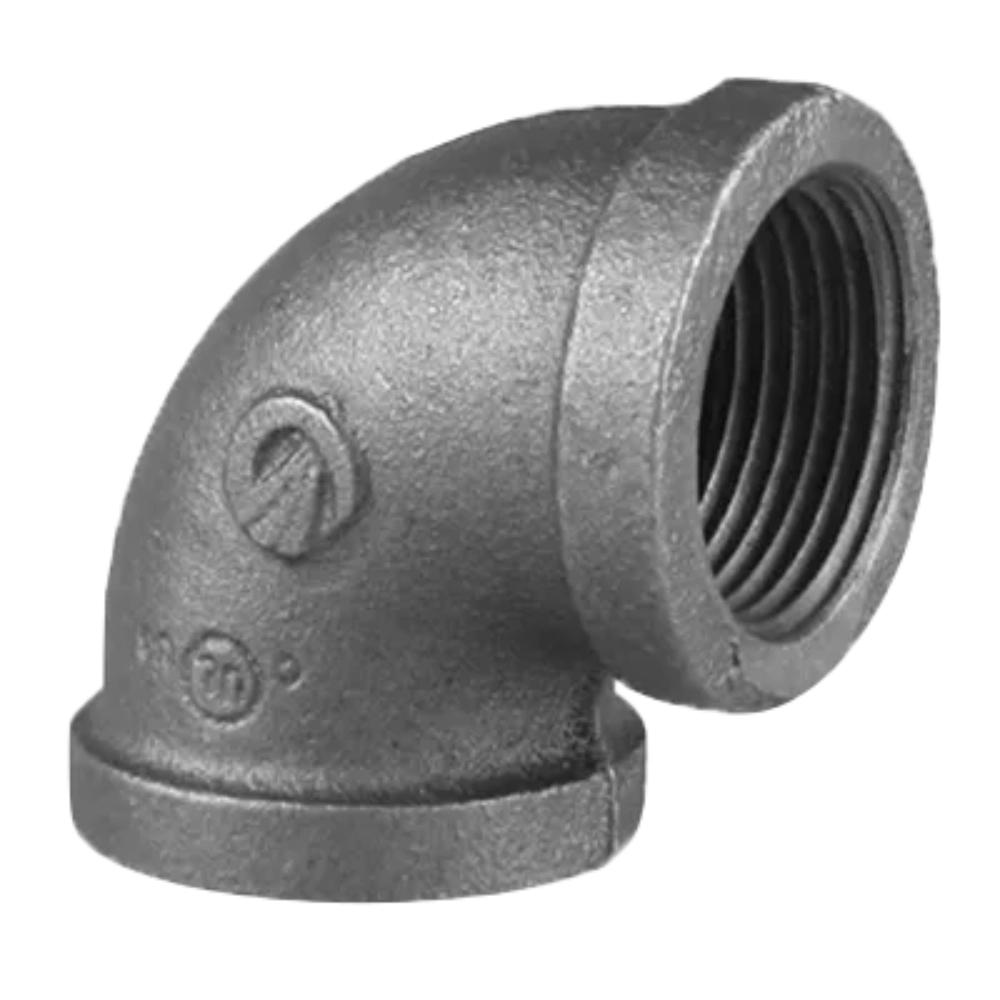
90-degree pipe elbows are ideal for compact industrial layouts where sharp directional changes are necessary. HVAC systems, chemical reactors, and confined piping networks often require tight bends to save space. Although these elbows increase local turbulence and pressure drop, they allow pipelines to navigate around obstacles without extensive rerouting. Correct installation, including alignment and welding, ensures structural integrity. Operators frequently incorporate inspection points near 90-degree bends to monitor wear. Selecting a 90-degree elbow balances space constraints with hydraulic considerations, ensuring systems remain operational while accommodating dense layouts or multiple connections in small footprints.
How Do Material Standards Affect Pipe Elbow Performance?
Material standards directly influence pipe elbow performance by defining chemical composition, wall thickness, and mechanical properties. Stainless steel pipe fittings, for example, provide corrosion resistance and high-temperature tolerance, suitable for chemical or high-moisture environments. ASTM or DIN certifications ensure elbows meet pressure ratings and dimensional accuracy. Material choice affects erosion resistance, fatigue life, and welding compatibility. Properly certified elbows reduce maintenance frequency and extend service life. For fluid power systems, material selection must also consider compatibility with connectors and operating fluids. Using standard-compliant materials guarantees safety, reliability, and performance under industrial operating conditions.