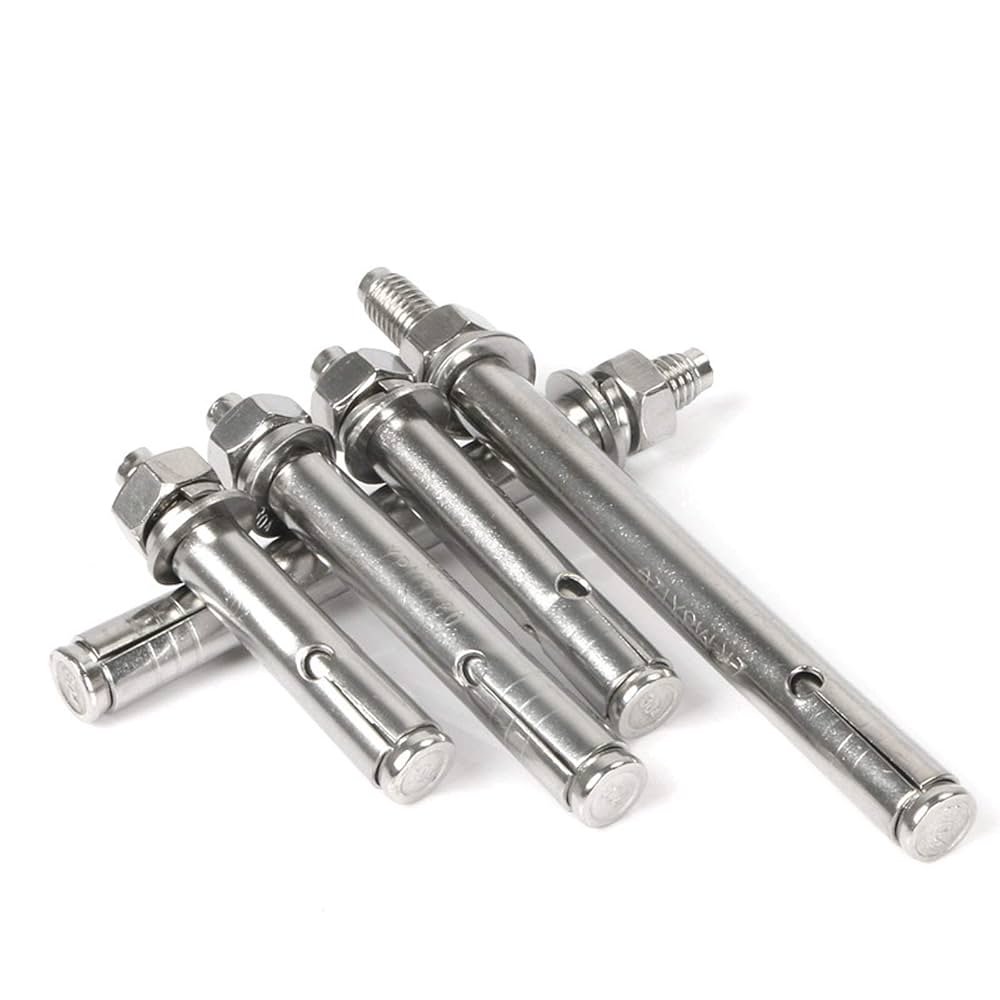
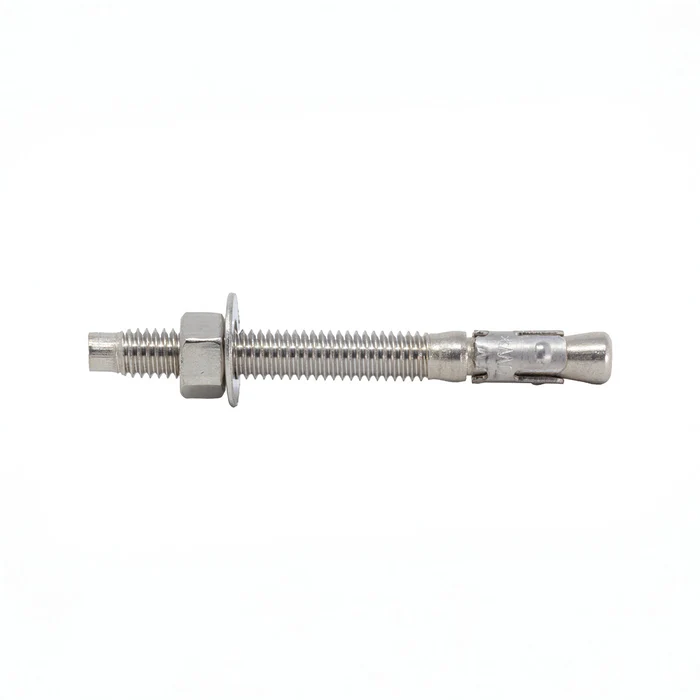
Heavy construction projects rely on stainless steel wedge anchors for structural stability. Engineers choose these robust mechanical fasteners to secure structural beams to solid concrete foundations. They provide reliable shear resistance and high tension capacities under heavy loads. Modern infrastructure requires fasteners that can withstand severe environmental exposure. This standard ensures long-term integrity for transit stations and public utility plants. Installers must follow strict depth specifications to achieve full load-bearing capabilities. Proper depth prevents premature failure under high stress. Contractors select the appropriate anchor size based on engineering calculations. This approach guarantees safe loads for high-traffic public arenas. Specialized manufacturing plants produce these devices to meet exact tolerances. Every batch undergoes rigorous quality assurance checks before shipment.
Metallurgical Differences Between Grade 304 and 316 Fasteners
Selecting the correct metal grade prevents galvanic corrosion in harsh industrial installations. Grade 304 alloys offer excellent protection against fresh water and mild chemical exposure. They perform well in food processing facilities where clean surfaces are mandatory. In contrast, Grade 316 contains molybdenum for enhanced pitting resistance. This element shields the material from harsh chloride attacks in marine zones. Specifying stainless steel concrete anchors ensures long-term safety in municipal sewage facilities. Wastewater plants contain highly corrosive gases that easily destroy standard carbon steel fasteners. Chemical processing plants also require these superior metallurgical properties to prevent unexpected failure. Designers must analyze local humidity and chemical exposure before finalizing project specifications. Proper material selection minimizes maintenance costs over a fifty-year service life. High-quality alloys maintain structural holding power even in acidic soils.
High-Load Concrete Anchoring and Infrastructure Applications
Heavy machinery installation requires robust anchorage to control intense vibrational forces. Factory floors support heavy presses that continuously shake standard building foundations. Properly installed bolts anchor these machines securely to prevent dangerous shifting during operation. Electrical utilities also rely on high-strength fasteners to support outdoor power distribution racks. These outdoor structures face strong wind gusts and ice accumulation throughout winter. Marina docks demand superior corrosion protection because of constant exposure to salt water. High tides submerge the lower sections of structural supports daily. Highway safety barriers require reliable impact resistance to protect motorists from severe accidents. Bridge expansion joints utilize these heavy-duty fasteners to allow safe thermal movement. Commercial elevators depend on secure shaft rails to transport passengers safely between floors. Every application demands precise calculations to prevent shear failures.
Tensile Strength and Specifications of Stainless Steel Wedge Anchors
Structural designers must calculate accurate shear and tension requirements for every concrete connection. Standard industrial specifications define the minimum embedment depth for various bolt diameters. Thick steel plates require deeper holes to distribute mechanical stress evenly. Engineers rely on certified engineering tables to select the correct fastener dimensions. These tables detail safe working loads for standard uncracked concrete foundations. Using incorrect specifications can lead to severe structural failures under high wind loads. High-rise construction projects demand certified products that meet stringent international building codes. Field inspectors verify every anchor placement during the initial construction phases. They check hole depth, diameter, and tightening torque on site. This rigorous oversight ensures structural integrity and safety for public buildings. Accurate engineering data directs contractors toward successful and safe installations.
| Anchor Diameter (Inches) | Minimum Embedment (Inches) | Tension Capacity in 4000 PSI Concrete (Lbs) |
|---|---|---|
| 3/8 | 1-1/2 | 2,100 |
| 1/2 | 2-1/4 | 3,400 |
| 5/8 | 2-3/4 | 5,200 |
| 3/4 | 3-1/4 | 7,100 |
Technical Analysis of Tension Capacity Performance
Engineers prefer stainless steel wedge anchors due to high pull-out resistance shown in the table. The tension capacity increases exponentially with larger anchor diameters and deeper embedment depths. A half-inch bolt provides substantial hold when embedded more than two inches deep. Heavy machinery installers must match these figures to the structural load requirements. Substrate quality directly influences the ultimate pull-out strength of the installed metal bolt. Concrete with a higher PSI rating allows the expansion mechanism to grip tighter. This interaction prevents premature anchor slip under extreme tension forces. Technicians should always consult these certified tables during the initial design phase. Correct calculations prevent catastrophic lifting failures in high-vibration manufacturing environments. Selecting the right size ensures structural safety for decades without maintenance.
| Bolt Size (Inches) | Drill Bit Diameter (Inches) | Shear Capacity in 4000 PSI Concrete (Lbs) |
|---|---|---|
| 3/8 | 3/8 | 2,300 |
| 1/2 | 1/2 | 4,100 |
| 5/8 | 5/8 | 6,400 |
| 3/4 | 3/4 | 9,300 |
Technical Evaluation of Shear Stress Parameters
Shear capacity represents the structural limit for forces acting perpendicular to the fastener axis. These values remain critical when securing vertical columns and heavy wall-mounted brackets. Drill bit diameters must match the anchor size exactly to ensure a proper fit. Using an oversized drill bit ruins the mechanical grip of the expansion clip. This mistake causes immediate failure when the installer applies shear loads. Operators must use carbide-tipped bits that meet precise ANSI standards for accuracy. High-quality tooling prevents hole ovalization in dense aggregate concrete. Inspectors verify hole dimensions using precise measuring tools before anchor insertion. Correct shear calculations prevent lateral shifting during heavy industrial windstorms. Facility managers must review these structural limitations to ensure plant safety. Proper hole drilling creates a perfect channel for structural security.
Standard Step-by-Step Installation Process
Drill a hole using a hammer drill and ANSI-standard carbide bit.
Clean the hole thoroughly using a blow-out pump and wire brush.
Drive the anchor through the fixture into the drilled concrete hole.
Tighten the nut to the specified installation torque using a torque wrench.
Crucial Installation Variables for Maximum Hold
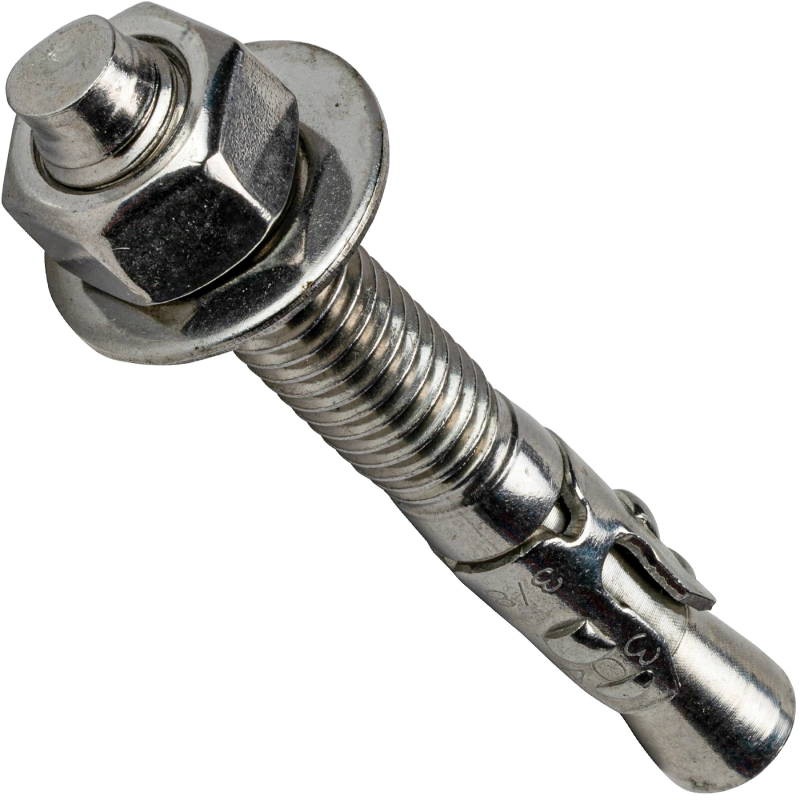
Proper installation ensures stainless steel wedge anchors achieve their maximum catalog holding strength. Leaving concrete dust inside the drilled hole reduces mechanical friction significantly. This residue prevents the expansion collar from gripping the concrete wall tightly. Operators must use a combination of wire brushing and air blowing to clean holes. Hammering the fastener into place requires care to avoid damaging the threaded top. Applying the exact torque with a calibrated wrench activates the expansion clip correctly. Over-tightening can fracture the surrounding concrete or snap the metal bolt entirely. Conversely, under-tightening leads to anchor slippage when the fixture experiences heavy loads.
Following these detailed steps guarantees long-term performance under demanding operating conditions. Professional installers always document torque values for quality assurance logs.
Summary of Commercial Expansion Bolt Solutions
Selecting high-quality stainless steel wedge anchors provides peace of mind for heavy industrial projects. These durable mechanical fasteners withstand environmental moisture, chemical vapors, and heavy shear forces. Contractors protect their business reputation by using certified components on every jobsite. Engineers specify precise diameters and depths based on documented tension limits. Investing in premium alloys like Grade 316 pays off in reduced maintenance. Reliable holding power keeps critical public transit systems and municipal infrastructure operating smoothly. Proper installation and high-grade materials eliminate the risk of catastrophic joint failures. Suppliers offer technical support to help contractors select the perfect product dimensions. This partnership ensures optimal outcomes for complex architectural and engineering tasks. Quality construction always begins with dependable fastening choices.
FAQ
How do stainless steel wedge anchors perform in cracked concrete?
Cracked concrete reduces the holding capacity of stainless steel wedge anchors significantly. Hairline cracks route stress patterns away from the expansion clip. This shifts the internal tension load and can cause slippage. Traditional wedge designs work best in uncracked, solid substrate zones. Modern construction codes require special torque-controlled anchors for cracked concrete conditions. These specialized fasteners adjust to changing crack widths dynamically. Regular wedge variants lack this expansion adjustment capability. Engineers must specify seismic-rated alternatives for dynamic building joints. Always check local structural codes before choosing anchoring hardware.
What is the difference between wedge anchors and sleeve anchors?
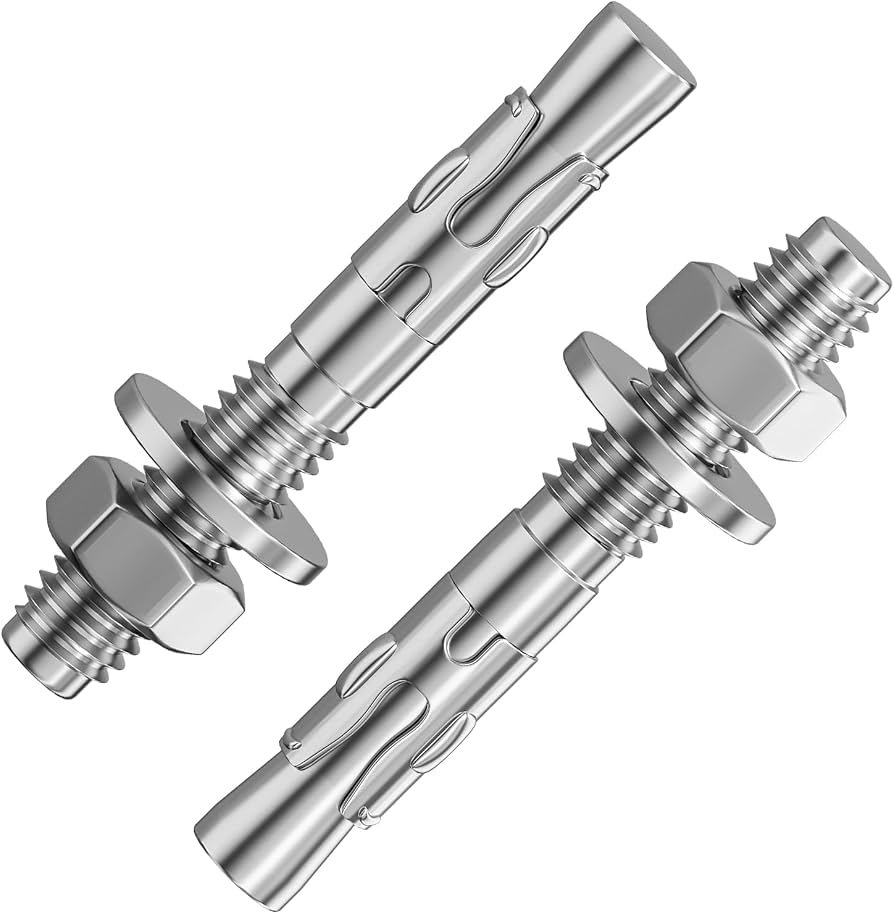
Wedge fasteners expand at a single focal point inside the concrete. This design relies on high localized friction near the bottom collar. Conversely, sleeve fasteners distribute heavy clamping forces along their entire body length. Such distribution works extremely well in softer brick or hollow block masonry. Sleeve designs require larger pre-drilled holes compared to their standard wedge counterparts. Engineers specify sleeve fasteners for thin walls to prevent splitting concrete. Wedge bolts offer much higher overall tension limits in solid concrete. Each design serves distinct structural environments and substrate conditions. Selecting the proper type ensures reliable safety.
Are these heavy-duty fasteners reusable after removal?
No mechanical expansion bolts are reusable after extraction from concrete. Hammering them into holes deforms the threads permanently. Pulling them out damages the expansion clip and the steel body. This structural damage makes the bolt unsafe for secondary load applications. The expansion clip cannot expand reliably a second time inside concrete. Using a previously installed bolt poses severe safety hazards for equipment. Engineers mandate new fastening hardware for every reconstruction task. Discard old bolts immediately during demolition to avoid accidental reuse on site. Buying new hardware guarantees structural performance.