316L CNC Parts Improve Food Beverage Equipment Performance and Safety
Food beverage equipment cnc parts 316l provide reliable solutions for manufacturers that require safe, durable, and hygienic components. Food processing environments expose equipment parts to moisture, cleaning chemicals, temperature changes, and acidic ingredients. These conditions require materials with strong corrosion resistance and stable mechanical performance. 316L stainless steel contains molybdenum, which improves resistance against chloride corrosion and harsh operating conditions. CNC machining also creates precise dimensions for complex equipment structures. Manufacturers can achieve better assembly accuracy and reduce maintenance problems. High-quality stainless steel components support continuous production while meeting strict hygiene expectations in food and beverage industries.
Why Choose food beverage equipment cnc parts 316l for Corrosion Resistance?
Corrosion resistance directly affects equipment lifespan and production reliability. 316L stainless steel performs well in environments with salt, water, and chemical exposure. The material contains chromium and nickel, which create a protective oxide layer on the surface. Molybdenum further improves resistance against pitting and crevice corrosion. These properties make 316L suitable for tanks, valves, pumps, connectors, and processing systems. Food manufacturers often use strong cleaning agents to maintain sanitation standards. Therefore, selecting corrosion-resistant components reduces replacement frequency and improves operational stability. Professional machining suppliers combine suitable materials with accurate manufacturing processes to create dependable solutions for demanding applications.
Material Properties That Support Long-Term Food Processing Applications
316L stainless steel offers balanced mechanical properties for food processing equipment. The material provides excellent toughness, oxidation resistance, and surface cleanliness. Its low carbon content reduces carbide precipitation during welding processes. This feature helps maintain corrosion resistance after fabrication and assembly. Precision manufacturing also allows designers to create smooth surfaces that limit contamination risks. Components with polished finishes are easier to clean and maintain. Many food equipment manufacturers select 316L because it supports both performance and sanitation requirements. Proper material selection improves production efficiency and helps companies maintain consistent product quality during long-term operations.
| Material | Corrosion Resistance | Food Industry Suitability | Maintenance Requirement |
|---|---|---|---|
| 316L Stainless Steel | Excellent resistance to chloride and chemical exposure | Highly suitable for hygienic applications | Low maintenance demand |
| 304 Stainless Steel | Good resistance in general environments | Suitable for standard food applications | Moderate maintenance demand |
| Carbon Steel | Limited corrosion protection | Requires additional surface protection | Higher maintenance demand |
Precision Machining Requirements for Reliable Equipment Components
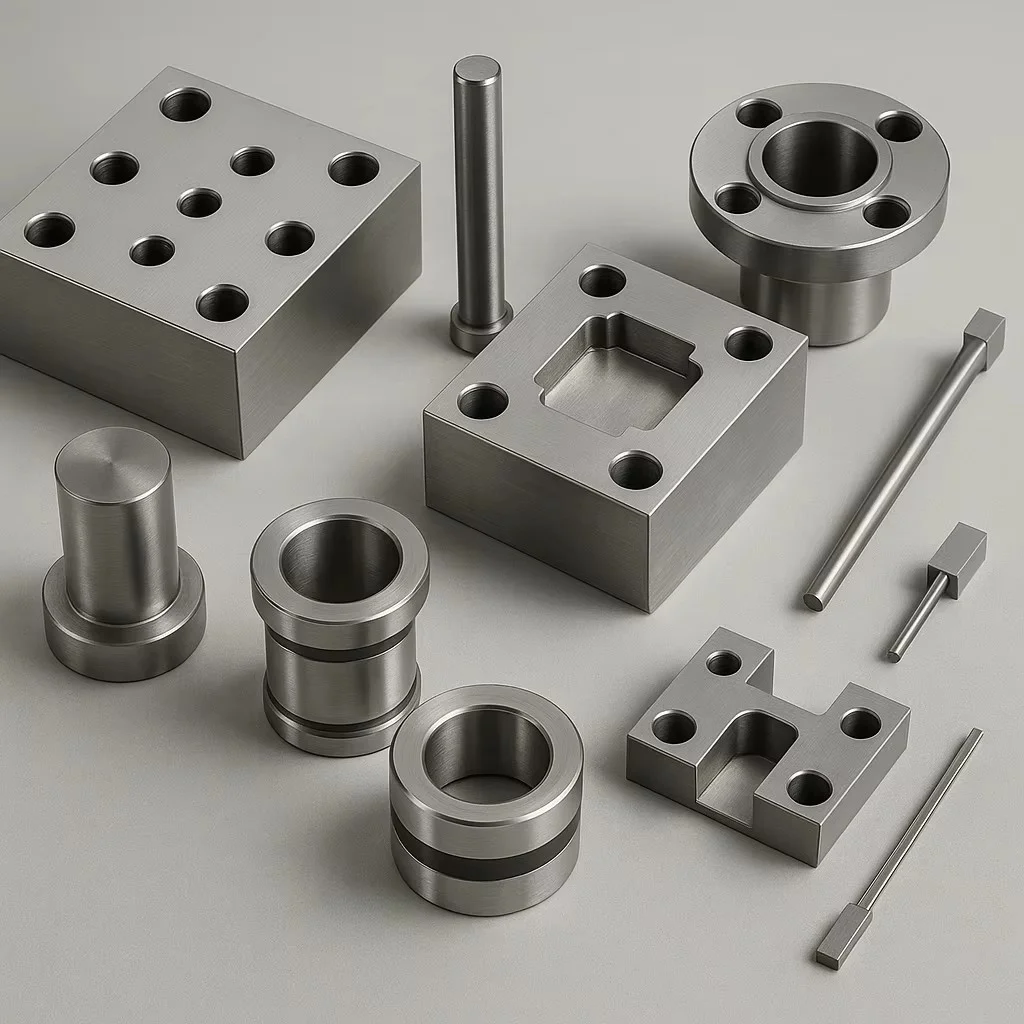
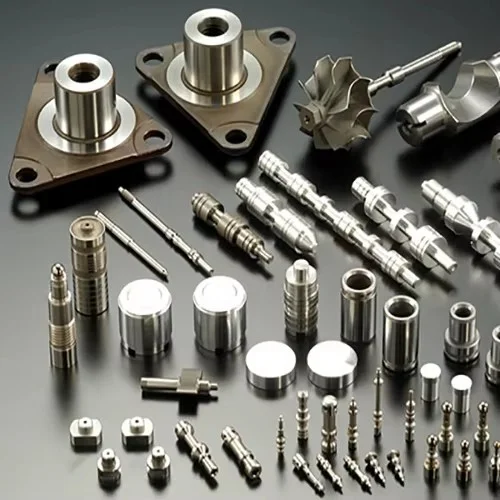
Precision CNC machining plays an important role in producing accurate industrial components. Food equipment systems require tight tolerances because small dimensional errors can affect assembly performance. Precision CNC machined parts achieve consistent shapes through controlled cutting operations. CNC machines use advanced programming systems to manage complex designs and repeat production tasks. Manufacturers select suitable cutting tools based on material hardness and component geometry. Surface finishing processes also improve cleanliness and reduce areas where residue can accumulate. Accurate machining helps equipment builders create reliable systems with smooth operation. These advantages support stable production lines and reduce unexpected downtime in food processing facilities.
Key Benefits of Using 316L CNC Components in Hygienic Equipment Designs
Food equipment buyers consider several factors before selecting stainless steel components. 316L materials offer advantages that match strict industrial requirements. Important benefits include:
- Strong resistance against corrosion from water, chemicals, and food ingredients.
- Smooth surfaces that support easier cleaning and sanitation processes.
- Stable performance under temperature changes and continuous operation.
- Excellent compatibility with customized equipment structures.
- Longer service life compared with lower-grade metal alternatives.
These advantages make stainless steel components valuable for modern food processing systems. Manufacturers can reduce equipment failures by choosing materials designed for demanding environments. Reliable components also improve production consistency and support safer food handling processes. Selecting suitable machining solutions helps companies achieve better equipment performance and operational efficiency.
How 316L CNC Parts Support Different Food Beverage Equipment Systems
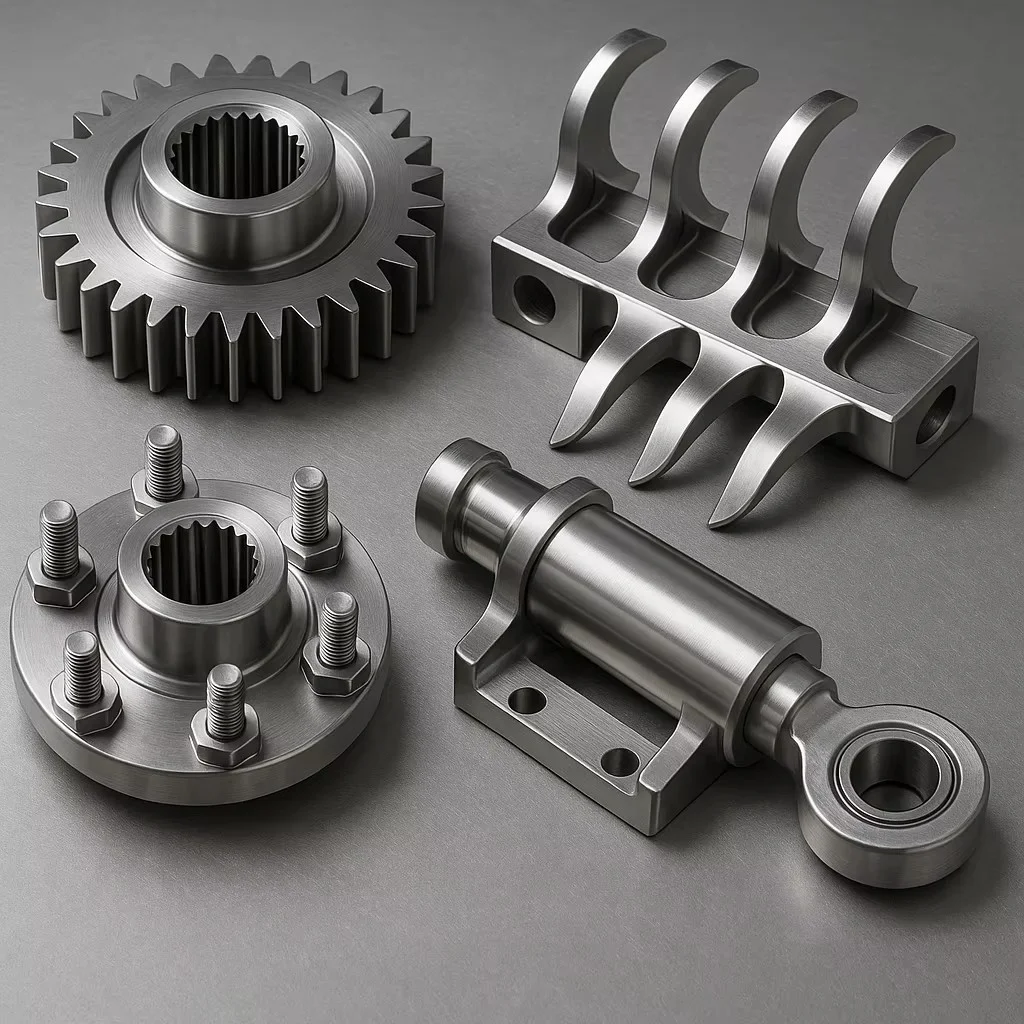
Different food and beverage machines require components with specific performance characteristics. Processing equipment often includes valves, shafts, fittings, connectors, and mechanical assemblies. These parts must maintain accuracy while contacting liquids or food materials. Food beverage equipment cnc parts 316l support applications where hygiene and durability are essential. For example, filling machines require precise components to control movement and prevent contamination. Mixing systems need corrosion-resistant parts because ingredients may contain acids or salts. Conveyor equipment also benefits from strong stainless steel components because they operate continuously. Proper component selection improves machine reliability and helps manufacturers maintain efficient production processes.
| Equipment Application | Common 316L Component | Main Advantage |
|---|---|---|
| Filling Equipment | Valves and connectors | Supports clean liquid handling |
| Mixing Systems | Shafts and mechanical fittings | Handles chemical and moisture exposure |
| Packaging Machines | Precision structural components | Improves equipment accuracy |
| Cleaning Systems | Pipes and connection parts | Maintains corrosion resistance |
Manufacturing Standards Affect 316L CNC Parts Quality Control
Quality control determines the reliability of stainless steel components used in food production. Professional manufacturers check raw materials, machining accuracy, surface conditions, and final dimensions. Material certificates verify the chemical composition of 316L stainless steel. Inspection equipment measures critical dimensions and confirms design requirements. Surface testing evaluates smoothness because rough areas may collect unwanted residue. Manufacturers also track production batches to maintain consistent quality. These processes help equipment builders receive components that match technical specifications. Strong quality management creates confidence for companies purchasing customized stainless steel parts. Reliable suppliers follow strict procedures to reduce defects during manufacturing and improve product consistency.
Custom Machining Solutions Create Better Equipment Integration
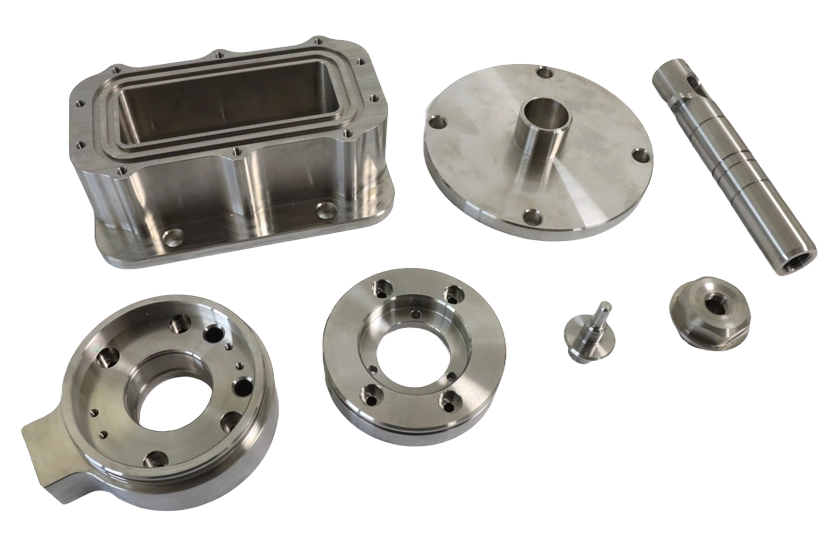
Customized manufacturing helps food equipment companies solve unique design challenges. Different machines require components with specific dimensions, shapes, and performance requirements. Stainless steel precision machined parts provide reliable options for complex assemblies where standard components cannot meet production needs. CNC machining allows manufacturers to create detailed structures with consistent accuracy. Engineers can adjust designs according to equipment layouts, operating pressures, and installation requirements. Custom solutions improve compatibility between different machine systems. Professional suppliers evaluate drawings, material requirements, and production quantities before manufacturing. This approach reduces installation difficulties and improves overall equipment efficiency. Customized components support manufacturers that need flexible solutions for advanced food processing applications.
Factors Buyers Should Check Before Ordering 316L CNC Components
Selecting a suitable supplier requires careful evaluation of manufacturing capability and quality systems. Buyers should review several important factors before placing orders. Reliable suppliers usually provide detailed technical support and production information.
- Experience with stainless steel CNC machining projects.
- Advanced machining equipment for complex component designs.
- Material certification and inspection documentation.
- Stable production capacity for repeated orders.
- Professional communication and customization support.
Supplier capability directly affects component quality and delivery performance. Companies should evaluate machining tolerance control, surface finishing methods, and inspection procedures. A strong manufacturing partner can provide practical recommendations based on equipment applications. This cooperation helps buyers reduce production risks and maintain consistent supply chains for food processing equipment projects.
Future Demand Trends for food beverage equipment cnc parts 316l in Food Processing
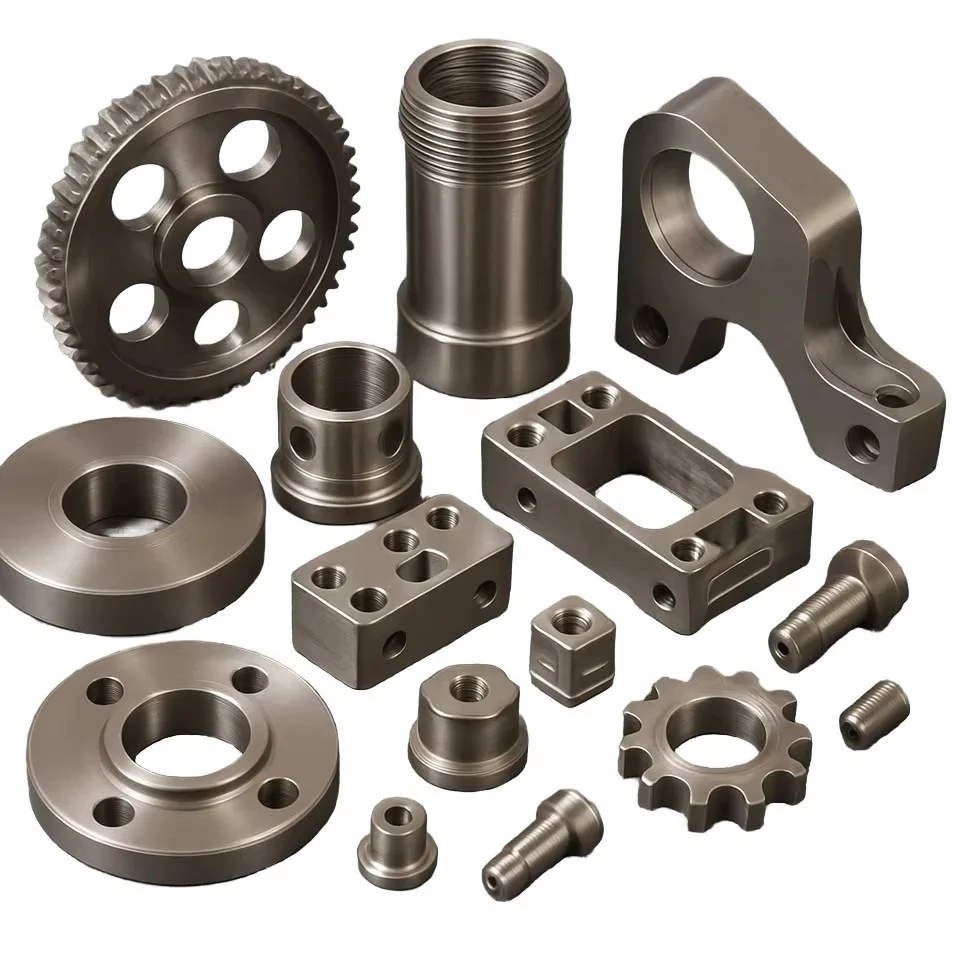
Food processing industries continue increasing automation and improving production standards. These changes create higher demand for reliable stainless steel components. Food beverage equipment cnc parts 316l remain important because they combine corrosion resistance, durability, and machining flexibility. Smart factories encourage equipment upgrades with more precise mechanical systems. Suppliers continue improving CNC technology to produce complex components with better efficiency. Environmental requirements also influence material choices because durable parts reduce replacement waste. Reliable suppliers provide technical consultation, material selection support, and quality management systems. They analyze temperature, chemical exposure, mechanical loads, and cleaning methods before recommending solutions. This approach helps companies maintain stable production and long-term equipment reliability.
FAQ
Why Is 316L Stainless Steel Suitable for Food Equipment Parts?
316L stainless steel is suitable for food equipment because it provides excellent corrosion resistance and hygienic performance. The material contains chromium, nickel, and molybdenum, which improve protection against chemicals and chloride exposure. Its low carbon content also supports better corrosion resistance after welding. Food processing environments often require frequent cleaning, and 316L maintains stable performance during repeated sanitation cycles. The smooth surface quality helps reduce contamination risks. Many manufacturers choose 316L components because they offer long service life and reliable operation. This material supports demanding applications including processing machines, filling systems, and liquid handling equipment.
How Does CNC Machining Improve 316L Equipment Components?
CNC machining improves 316L equipment components by providing accurate dimensions and consistent production quality. Computer-controlled machining systems can create complex shapes with tight tolerances. This accuracy helps components fit correctly within larger equipment assemblies. CNC processes also support repeat production, which is important for manufacturers requiring multiple identical parts. Advanced machining methods improve surface quality and reduce manufacturing errors. Engineers can create customized designs based on specific equipment requirements. Professional machining services combine technology, material knowledge, and inspection processes to produce reliable components. These advantages help food equipment manufacturers achieve better performance and longer operational life.
What Should Buyers Check When Selecting 316L CNC Parts Suppliers?
Buyers should evaluate supplier experience, production capability, quality control systems, and technical support before selecting a 316L CNC parts supplier. A reliable supplier should provide material certifications and inspection records. Manufacturing equipment, machining accuracy, and finishing capabilities also influence final product quality. Buyers should review whether suppliers can handle customized designs and maintain stable delivery schedules. Communication efficiency is another important factor because technical requirements often require detailed discussion. Suppliers with professional engineering teams can offer better recommendations for different applications. Careful supplier evaluation helps companies receive consistent components and reduce risks during equipment manufacturing projects.