Industrial construction projects demand high structural safety. Selecting correct anchoring systems prevents structural failure under heavy load conditions. This comparison evaluates wedge anchor vs sleeve anchor options for heavy manufacturing environments. Evaluations must address base material thickness and expected mechanical stress. Modern infrastructure demands absolute precision from every installed hardware component. Each anchoring mechanism operates on distinct mechanical principles to secure heavy machinery. Properly selected fasteners maintain structural integrity during extreme seismic events. Strict testing metrics define the performance limits before mechanical fasteners receive approval. Incorrect fastening decisions compromise equipment safety and increase liability risks. Detailed technical comparisons analyze exact mechanical differences to assist industrial purchasing decisions. Professional focus remains on physical capacities, substrate requirements, and specific alloy behaviors. Correct data ensures better installation reliability.
Technical Design Features of Expansion Bolts
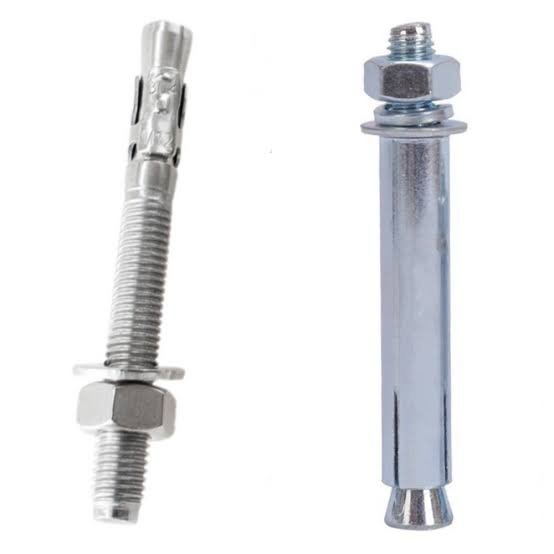
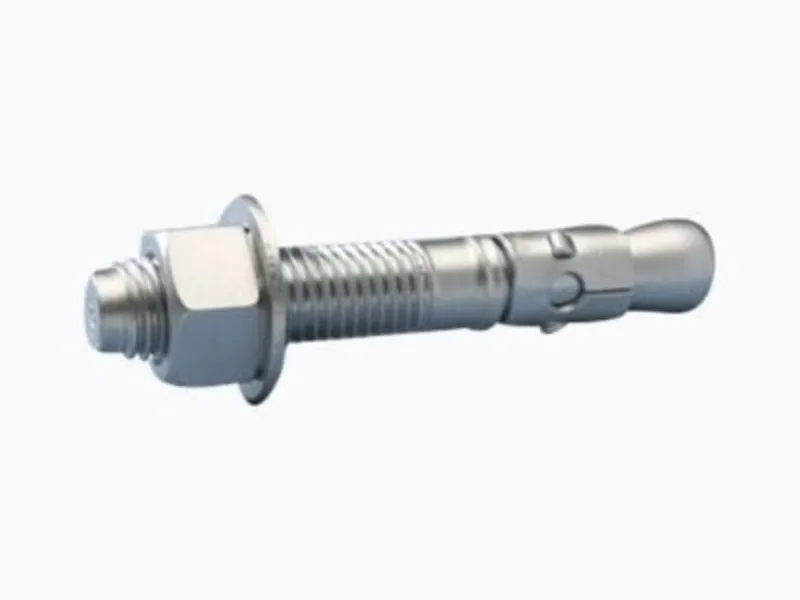
Wedge style expansion fasteners utilize a specific solid metal design. These units feature a threaded carbon steel or stainless steel mandrel with a small expansion clip. This special ring expands against the drilled concrete hole during torque application. Heavy industrial applications often specify stainless steel wedge anchors for highly corrosive environments. These durable fasteners provide exceptionally high resistance to tensile and shear loads.
Anchor placement requires solid, uncracked or cracked concrete structures. The mechanical wedging action creates immense localized stress within the concrete substrate. Therefore, proper installation avoids placing these fasteners near edges to prevent cracking. ASTM standards define the strict yield strengths required for these critical structural components. Quality manufacturing ensures consistent alloy composition to prevent premature shear failure under load.
Engineering Principles of Masonry Fasteners
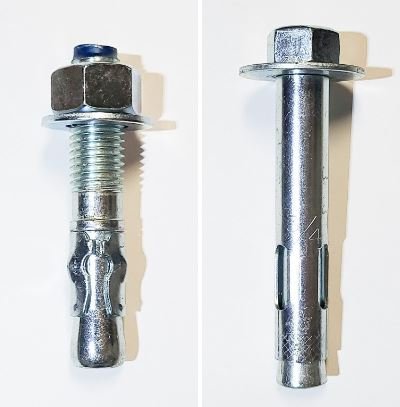
Sleeve fasteners employ a different mechanical expansion method for securing components. They consist of a threaded bolt surrounded by a full-length metal sleeve expansion jacket. Tightening the bolt pulls a cone-shaped plug into the sleeve outer casing. This mechanical motion expands the sleeve outward along its entire surface area. Consequently, the anchor distributes compressive load forces more evenly across the substrate. These versatile fasteners secure fixtures in hollow block, brick, and standard masonry walls. Damp environments benefit from stainless steel concrete anchors to secure structural attachments. The lower point-load stress prevents cracking in older or fragile masonry materials. Multiple head styles, including hex nut and flat head, offer great design flexibility. Each head configuration accommodates specific mounting requirements for machinery brackets and heavy electrical conduits.
Wedge Anchor Vs Sleeve Anchor Selection Parameters
Selecting between these two fastening systems requires careful evaluation of technical load values. Wedge styles provide superior ultimate tension capacity in solid, high-strength concrete. Sleeve options excel in lower-strength materials or hollow substrates due to lower expansion stress. Structural design parameters dictate exact embedment depths and minimum spacing requirements for each fastener. Technical evaluations analyze the shear strength and tensile load capacity of both configurations. Atmospheric exposure requires specific material grades to avoid dangerous galvanic corrosion. Hole diameter tolerances require verification before starting any large-scale anchoring project. Detailed mechanical data charts help compare different structural options. Proper mechanical fastening prevents expensive equipment downtime and structural degradation over time. Comparing precise installation torques and load capacities ensures safe factory operations. The following data tables outline critical parameters for standard industrial structural installations.
| Performance Metric | Wedge Anchor Specification | Sleeve Anchor Specification |
|---|---|---|
| Primary Base Material | Solid Concrete Only | Concrete, Brick, Hollow Block |
| Relative Load Capacity | Very High (Heavy Duty) | Medium to High |
| Edge Distance Limit | High (Requires wider spacing) | Moderate (Lower expansion stress) |
| Expansion Profile | Localized point expansion | Full-length sleeve expansion |
Analyzing Mechanical Capacity Performance Data
The physical data highlights crucial performance differences when comparing wedge anchor vs sleeve anchor configurations. Wedge designs focus their expansion energy on a small point at the base. This localized pressure requires solid concrete to resist the high stress values. Sleeve options distribute the stress across a much larger surface area. Consequently, sleeve hardware works well in softer brick or hollow block substrates. These load metrics calculate exact pull-out resistance values. Matching the fastener capability with structural weight secures the mounted equipment. Proper calculation prevents concrete shear failure and catastrophic structural collapse in factories. Correct material selection matches base material density with the appropriate expansion type. Premium carbon steel or stainless alloys provide maximum structural security.
Environmental Factors and Corrosion Resistance
Operating environments heavily influence the lifespan of mechanical structural connections. Moisture, chemicals, and saltwater accelerate steel oxidation and degrade structural strength. Zinc-plated carbon steel fasteners serve strictly in dry indoor applications. Outdoor structures require hot-dip galvanized finishes or premium stainless steel alloys. Grade 304 stainless steel offers excellent protection in general outdoor industrial environments. Marine applications require Grade 316 stainless steel to resist aggressive chloride attack. Proper hardware matching prevents galvanic reaction between the fastener alloy and the bracket material. Unmatched metals create rapid electrical corrosion when moisture penetrates the connection joint. Thorough chemical exposure tests determine the final hardware specifications. This careful material selection ensures long-term safety and minimizes future maintenance costs.
Concrete Anchor Drilling and Alignment Standards
Achieving maximum design load values requires strict adherence to installation parameters. Slight deviations in drill hole diameter or depth weaken the mechanical hold significantly. Drilling requires professional carbide-tipped bits matching exact anchor diameters. Using worn drill bits creates oversized holes that prevent correct expansion clip grip. Compressed air or manual pump bulbs remove all remaining masonry dust completely. Remaining dust acts as a barrier, preventing proper friction between the anchor and concrete. Industry guidelines outline critical installation steps and dimensional tolerances in the tables below. Following these standards ensures consistent mechanical grip and prevents structural movement. Accurate physical alignment protects the structural envelope from cracking during heavy loading phases. Proper installation torque ensures optimal tension without damaging the surrounding substrate.
| Anchor Diameter | Minimum Embedment Depth | Required Installation Torque |
|---|---|---|
| 1/4 Inch | 1-1/8 Inches | 8 Foot-Pounds |
| 3/8 Inch | 1-1/2 Inches | 25 Foot-Pounds |
| 1/2 Inch | 2-1/4 Inches | 50 Foot-Pounds |
| 5/8 Inch | 2-3/4 Inches | 90 Foot-Pounds |
Drill a straight hole perpendicular to the substrate surface.
Clean the drilled hole completely using a wire brush.
Blow out concrete dust using clean, dry compressed air.
Insert the mechanical anchor through the fixture bracket.
Hand hammers drive the mechanical fastener deep into the predrilled hole.
Tighten the nut using a calibrated manual torque wrench.
Explaining Mechanical Installation Parameters
Published installation data and checklist details highlight critical mechanical rules for securing heavy steel brackets. Tightening requires exact torque values to prevent structural shear damage. Over-tightening easily fractures the concrete surrounding the expanding metal sleeve. Under-tightening prevents the internal clip from grabbing the concrete substrate securely. Comparing the wedge anchor vs sleeve anchor installation requirements reveals unique diameter needs. Sleeve anchors require a drill bit matching the nominal diameter of the anchor. Wedge anchors require exact matching hole sizes to ensure the clip grabs properly. Strict cleanout steps guarantee high load safety coefficients. Manual torque wrenches provide safer tightening than high-power impact tools. This precise physical torque control protects both the steel fastener and concrete.
Industrial Commercial Application Scenarios
Industrial environments present diverse structural conditions requiring carefully chosen fastening hardware. High-capacity warehouse racking demands heavy wedge anchors to withstand forklift impact loads. In contrast, electrical panel boxes require sleeve anchors for mounting. These panels often attach to hollow concrete masonry units inside electrical rooms. Analyzing the wedge anchor vs sleeve anchor comparison optimizes project budgets. Wedge designs lower structural installation costs in massive tilt-up concrete warehouse projects. Sleeve styles lower labor times when mounting conduit brackets to brick walls. Structural loading databases provide precise capacities for various projects. Selecting the correct fasteners reduces long-term maintenance costs and construction delays. Rigid performance testing metrics guarantee high load capacity limits for all industrial builds. Site blueprints dictate anchor designs to prioritize safety.
Key Structural Factors in Wedge Anchor Vs Sleeve Anchor Selection
Making the final technical selection requires evaluating loading direction, substrate, and material cost. Wedge fasteners remain the absolute standard for heavy overhead steel pipe supports. Sleeve configurations provide unmatched versatility when mounting hardware to combined masonry structures. Balanced design choices weigh structural safety margins against total project budgets. Specifying high-quality alloys ensures structural safety against dynamic vibrational forces from factory machinery. Proper reviews of regional building codes ensure proper environmental standard compliance. Most municipal authorities require cracked-concrete qualification approvals for all heavy overhead installations. Detailed technical mechanical specifications secure better project outcomes. Correct anchor selection ensures structural safety and guarantees long-term performance under load. Precise mechanical parameters eliminate structural construction failures.
FAQ
Which fastener handles higher shear loads?
Wedge style hardware consistently handles higher shear loads in solid concrete structures. These solid steel mandrels provide excellent shear resistance compared to hollow sleeve configurations. The thick solid core easily resists lateral forces from heavy operating industrial machinery. In contrast, sleeve styles feature a thinner internal bolt surrounded by a metal jacket. This thinner internal bolt provides less absolute steel area to resist lateral shear stress. Evaluating the wedge anchor vs sleeve anchor shear capacities determines mounting plate safety. High lateral stress applications require heavy wedge fasteners to guarantee absolute mechanical stability. Selecting solid steel fasteners ensures maximum structural safety during industrial operations.
Can brick substrates support wedge style anchors?
Brick or lightweight concrete block cannot support wedge style fasteners safely. The extreme localized point stress easily fractures fragile or hollow masonry materials. Cracking the substrate completely destroys the structural holding power of the fastener. Sleeve fasteners work much better because the expanding jacket distributes compressive stress evenly. This broad expansion mechanism prevents brick splitting and secures structural attachments safely. Sleeve styles secure brick and block wall mounting projects without substrate degradation. Safety standards emphasize verifying substrate density before selecting structural anchoring hardware for masonry. Proper material selection prevents dangerous structural failure and costly concrete wall repairs.
What tools are required for installation?
Standard industrial tools install both mechanical anchoring hardware styles efficiently. Rotary hammer drills create precise holes in concrete or masonry substrates. Drilling requires professional carbide-tipped bits matching the exact anchor diameter specifications. Manual blow-out pumps or dry compressed air lines clean out concrete drilling dust completely. Hand hammers drive the mechanical fastener deep into the predrilled hole. Finally, calibrated manual torque wrenches set the correct expansion tension. Technical protocols advise against using impact wrenches because high power easily damages steel fasteners. Using correct tools ensures long-term structural reliability and meets building code regulations.