How Do defense aerospace cnc components Improve Mission-Critical Performance
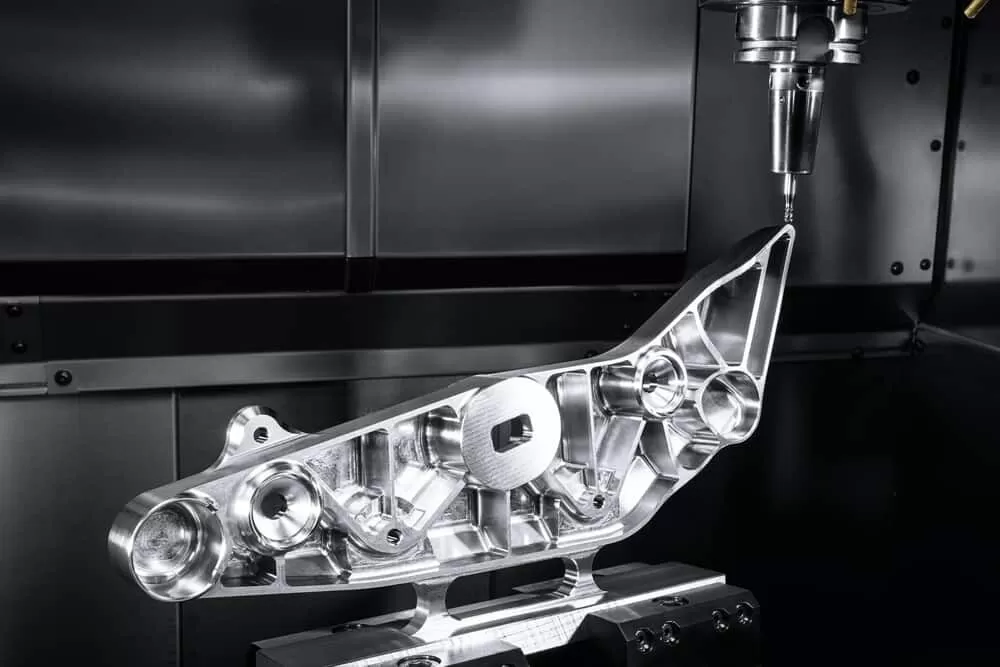
Modern defense aerospace cnc components provide critical support for aviation systems that require exceptional accuracy, strength, and reliability. These parts serve aircraft structures, navigation equipment, defense platforms, and advanced aerospace assemblies. Manufacturers use computer-controlled machining methods to create complex geometries with stable dimensions and consistent quality. CNC processes help reduce production risks because automated movements improve repeatability during manufacturing. Aerospace applications demand strict control over materials, tolerances, and surface conditions. Experienced suppliers combine engineering knowledge with advanced equipment to produce components that perform under extreme environments. Reliable machining solutions also help companies maintain long-term operational efficiency for demanding aerospace programs.
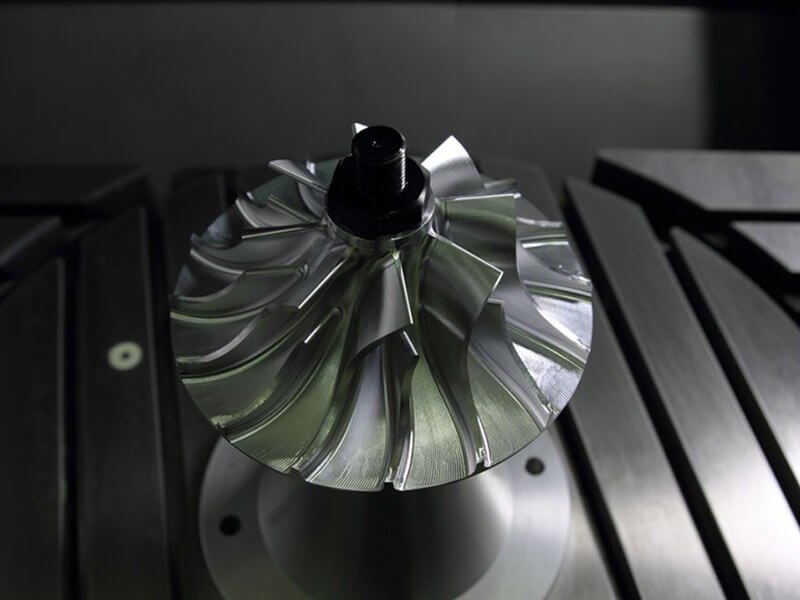
Precision Requirements Drive Advanced CNC Manufacturing
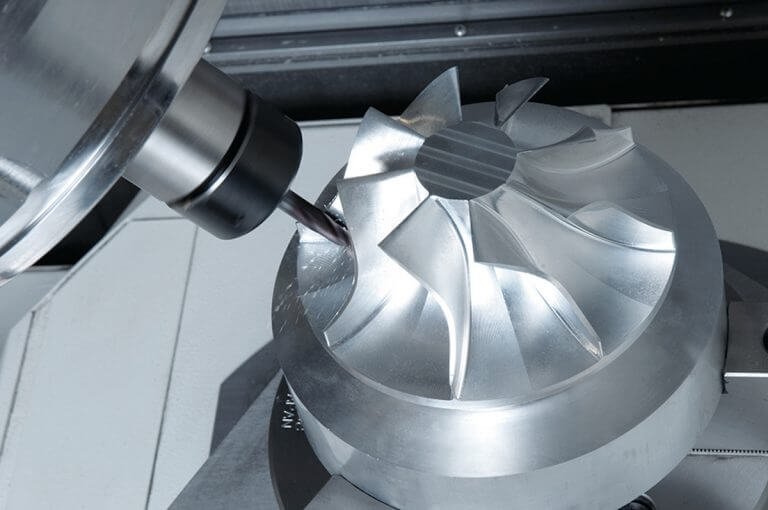
Aerospace systems require components with precise dimensions because even minor variations can affect performance and safety. CNC machining allows manufacturers to control cutting paths, tool movements, and finishing processes with high accuracy. Multi-axis machines can create complex shapes that traditional equipment cannot easily produce. Engineers often select optimized machining parameters based on material hardness, component geometry, and application conditions. Precision inspection equipment verifies measurements throughout production stages. These methods support stable manufacturing results for aircraft and defense applications. Many suppliers also use digital production records to track machining history, inspection results, and process adjustments. Such practices improve quality consistency and provide stronger manufacturing transparency.
Why Are defense aerospace cnc components Essential for Aerospace Manufacturing
Material selection strongly influences the durability and performance of defense aerospace cnc components. Aerospace engineers choose materials according to strength requirements, weight limitations, temperature resistance, and corrosion protection needs. Titanium alloys offer excellent strength-to-weight ratios and perform well in harsh environments. Aluminum alloys provide lightweight solutions for structural applications. Stainless steel delivers strong mechanical properties and reliable resistance against corrosion. Different applications require specific material combinations to achieve expected results.
| Material | Main Properties | Common Applications |
|---|---|---|
| Titanium Alloy | High strength, lightweight, heat resistance | Aircraft structures, engine components |
| Aluminum Alloy | Low weight, good machinability, corrosion resistance | Frames, housings, aerospace assemblies |
| Stainless Steel | Durability, wear resistance, corrosion protection | Fasteners, precision mechanisms, fittings |
Material Engineering Supports Aerospace Reliability
Choosing suitable materials requires technical evaluation of operating conditions and manufacturing requirements. Suppliers analyze load pressure, environmental exposure, and expected service life before machining begins. Proper material preparation also reduces deformation risks during cutting and finishing processes. Surface treatments can further improve wear resistance and protection against external factors. In aerospace manufacturing, material knowledge helps create components that maintain performance throughout long operational cycles. Engineering teams often cooperate with buyers to select practical solutions that balance cost, durability, and production efficiency. This approach supports reliable supply chains for complex aerospace projects.
Advanced CNC Technologies Enhance Complex Aerospace Production
Modern aerospace production relies on multiple CNC technologies to manufacture detailed components. Five-axis machining enables manufacturers to process complex angles while reducing repositioning requirements. CNC milling creates accurate pockets, slots, and structural features. CNC turning supports cylindrical components with precise diameter control. Automated inspection systems improve efficiency by identifying dimensional variations during production.
| CNC Technology | Production Advantages | Typical Uses |
|---|---|---|
| Five-Axis Machining | Complex geometry processing and fewer setups | Aircraft structures and precision assemblies |
| CNC Milling | Accurate cutting and detailed surface creation | Frames, brackets, housings |
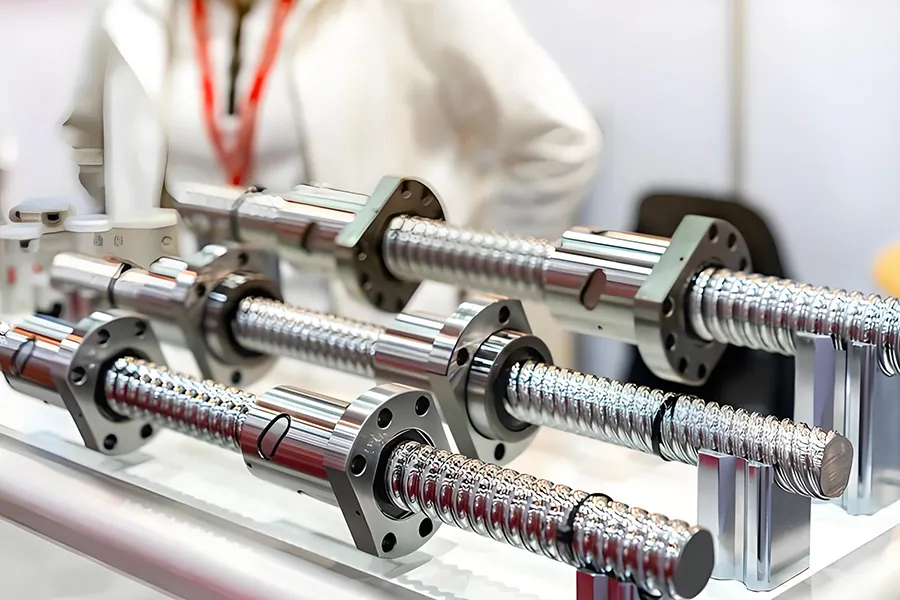
| CNC Turning | Excellent round feature accuracy | Shafts, connectors, rotating components |
Digital Manufacturing Improves Production Control
Advanced manufacturing systems help aerospace suppliers achieve better process management. Computer-aided design software allows engineers to create accurate production models before machining begins. Simulation tools reduce errors by testing cutting strategies digitally. Automated monitoring systems collect operational data during manufacturing. These technologies help identify possible problems before final inspection. Companies that adopt digital workflows can improve efficiency while maintaining strict quality expectations. Consistent process control becomes especially important for aerospace projects that require repeated production of identical components.
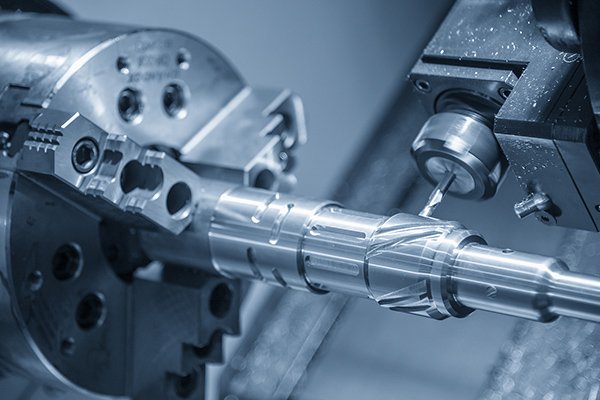
Quality Standards Protect Aerospace Manufacturing Results
Quality management plays a major role in aerospace component production. Suppliers must maintain strict inspection procedures to verify dimensions, material properties, and surface conditions. Aerospace customers often evaluate manufacturing partners based on certification systems, inspection capability, and documentation practices. Standards such as AS9100 help organizations establish controlled processes for aerospace quality management. Inspection methods may include coordinate measuring machines, surface testing equipment, and non-destructive testing technologies. These systems confirm that components meet technical specifications before delivery.Precision CNC machined parts require careful inspection because aerospace applications leave little room for dimensional errors. Manufacturers record measurement data and maintain traceability throughout production. Detailed documentation supports customer confidence and helps companies manage long-term maintenance requirements. Reliable quality procedures also reduce unexpected failures during aerospace operations.
Selecting Reliable CNC Manufacturing Partners
Companies evaluating aerospace machining suppliers should consider several important factors before cooperation.
- Production equipment capability and machining experience
- Material processing knowledge for aerospace metals
- Quality inspection resources and certification systems
- Engineering support and customization ability
- Stable production capacity for repeated orders
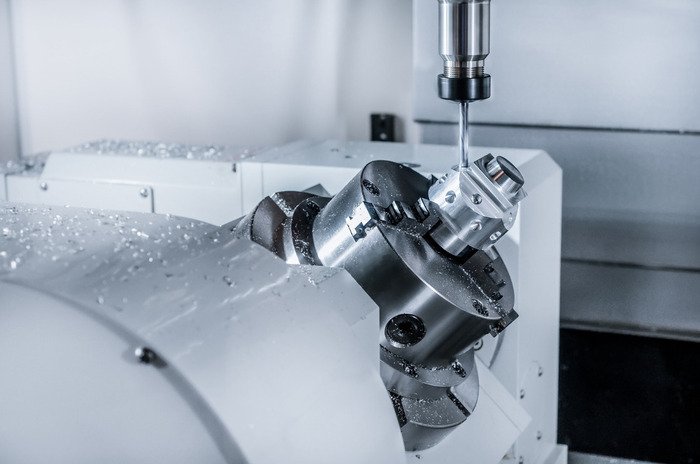
Supplier Evaluation Builds Long-Term Manufacturing Value
A qualified manufacturing partner provides more than machining services. Strong suppliers offer technical communication, production planning, and problem-solving support. They review drawings carefully and recommend practical improvements when necessary. Engineering collaboration helps prevent production difficulties during early stages. Consistent communication also allows buyers to manage schedules and quality expectations more effectively. When selecting suppliers, companies should examine manufacturing history, inspection methods, and technical resources. A professional partnership creates better reliability for complex aerospace programs.
How defense aerospace cnc components Support Future Aerospace Innovation
Future aerospace development continues to demand lighter, stronger, and more efficient manufacturing solutions. New aircraft designs, unmanned systems, and advanced defense technologies require components with improved performance characteristics. CNC manufacturing supports innovation by enabling complex designs with precise structural features. Emerging materials and automated production methods will continue improving aerospace capabilities. Manufacturers that invest in advanced equipment and technical expertise can respond faster to changing industry requirements.
Stainless steel precision machined parts remain valuable for applications requiring durability, corrosion resistance, and mechanical stability. These components often support systems where reliable performance is essential. Continued development in machining technology will create more opportunities for aerospace companies seeking efficient production methods. Advanced manufacturing capabilities will remain important for future aerospace expansion.
FAQ
What Makes CNC Components Suitable for Defense Aerospace Applications?
CNC components support aerospace applications because they provide accurate dimensions, repeatable production quality, and strong material compatibility. Manufacturers can create complex shapes that meet strict engineering requirements. Advanced machining systems allow precise control over cutting operations, surface finishes, and final measurements. Aerospace companies benefit from reliable components that perform under vibration, temperature changes, and heavy operational stress. Quality inspection processes further improve confidence in finished products. Suppliers with technical expertise can recommend suitable materials and machining methods based on specific requirements. This combination of accuracy, durability, and manufacturing control makes CNC solutions valuable for aerospace and defense industries.
How Do Manufacturers Maintain CNC Part Accuracy for Aerospace Systems?
Manufacturers maintain accuracy through advanced equipment, controlled processes, and detailed inspection procedures. CNC machines use programmed instructions to achieve consistent movements and precise cutting paths. Engineers optimize machining parameters according to material characteristics and component designs. Inspection teams apply measuring equipment such as coordinate measuring machines to verify final dimensions. Quality systems also require production records, material tracking, and process monitoring. Regular equipment maintenance helps prevent unexpected variations during manufacturing. These practices allow suppliers to deliver components that meet demanding aerospace specifications. Continuous improvement methods further strengthen production reliability and support long-term customer requirements.
What Should Buyers Check Before Ordering Aerospace CNC Parts?
Buyers should evaluate supplier capabilities, quality systems, material expertise, and production experience before placing orders. A reliable supplier should provide clear technical communication and support throughout the manufacturing process. Companies should review available machining equipment, inspection methods, and certification status. Material selection knowledge is also important because aerospace applications often require specific performance characteristics. Buyers should confirm whether suppliers can handle prototype development and repeated production requirements. Reviewing previous manufacturing experience can help identify suitable partners. Careful supplier evaluation reduces risks and supports stable aerospace production schedules.