Efficient valve operation depends on accurate control, smooth movement, and reliable mechanical performance. Valve handwheel design directly influences how operators apply force during opening and closing processes. A well-developed handwheel improves torque transfer while reducing unnecessary effort. Industrial systems often require frequent valve adjustments, so ergonomic structures become essential. Engineers evaluate size, material, connection methods, and surface treatment before production. These factors determine operating comfort and service life. Proper design also reduces component stress and supports stable valve performance. Manufacturing teams combine mechanical principles with application requirements to create dependable handwheel solutions for different environments.
Why Valve Handwheel Design Matters for Industrial Valve Performance
Industrial valves operate under different pressure, temperature, and workload conditions. Valve handwheel design affects the relationship between human force and internal valve movement. Larger wheel diameters usually create higher mechanical advantage during operation. Smaller designs may support compact equipment where installation space remains limited. Grip structures also influence operator control during repeated adjustments. Textured surfaces prevent slipping and improve safety in demanding workplaces. Engineers consider rotational resistance, operator frequency, and maintenance requirements during development. A balanced structure helps valves respond smoothly without creating excessive mechanical strain. These design decisions support reliable operation across manufacturing plants, water systems, and energy facilities.
Key Structural Elements Behind Efficient Handwheel Operation
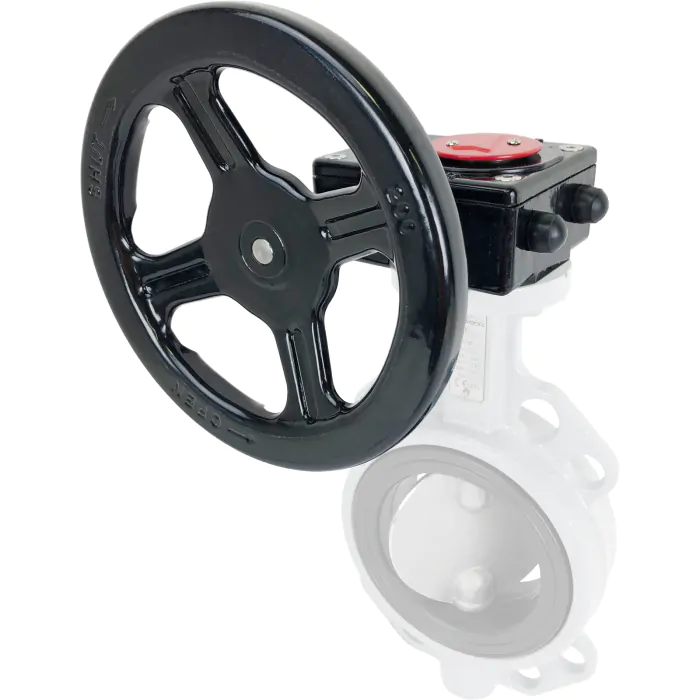
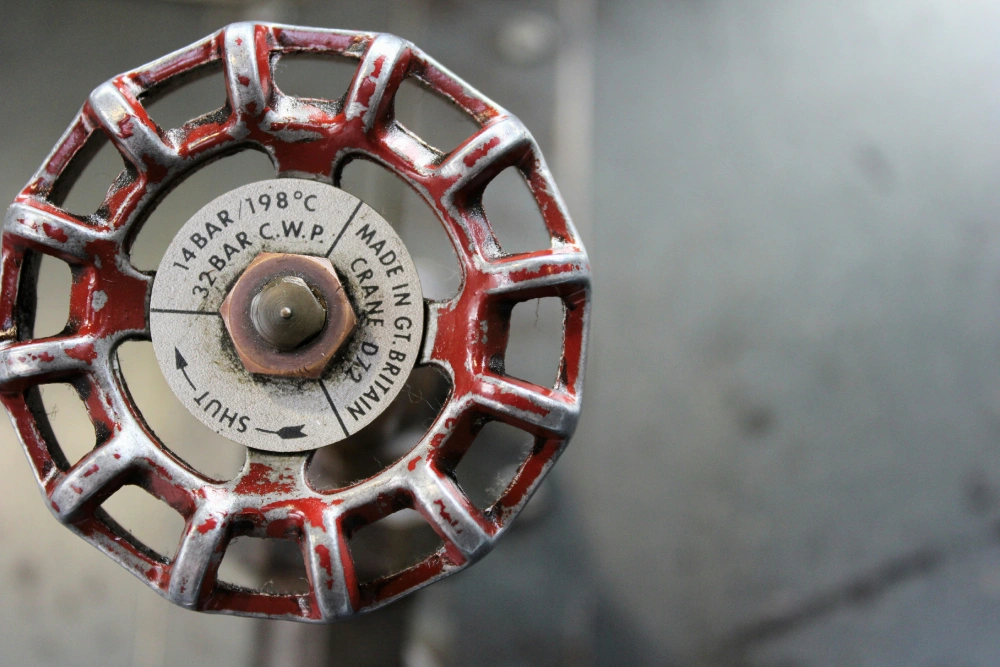
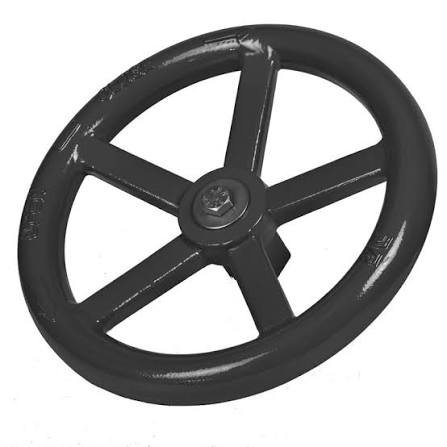
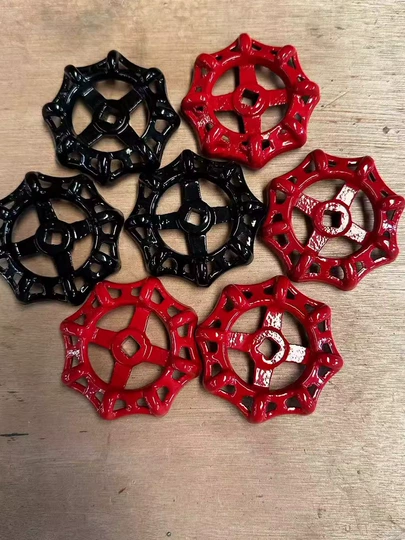
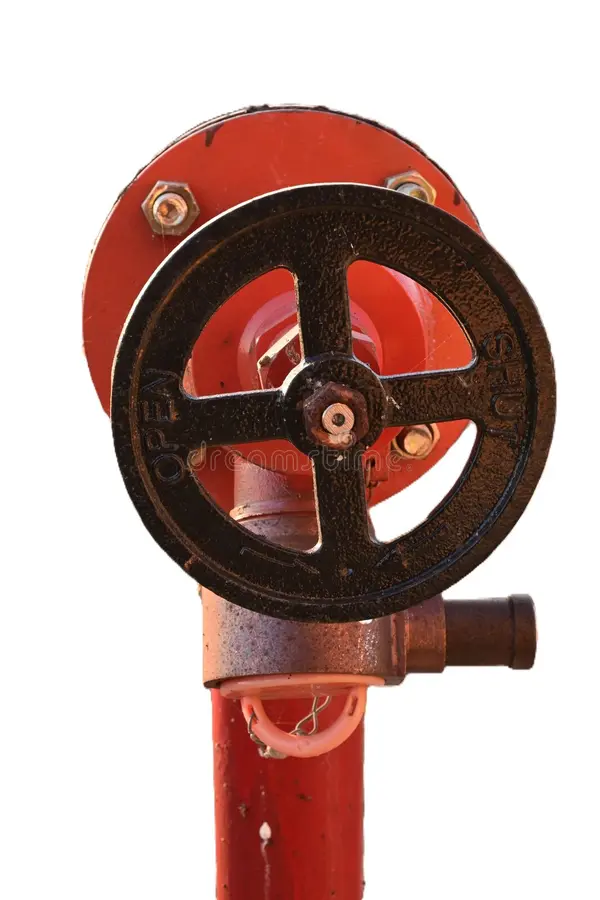
A handwheel contains several important components that determine performance. The wheel rim provides the main gripping area for operators. The hub connects the wheel to the valve stem and transfers applied force. Spokes reduce weight while maintaining structural strength. Materials and manufacturing accuracy influence the final performance level. The connection between the wheel and stem requires precise dimensions because loose fitting can create operational problems. Surface finishing also affects corrosion resistance and appearance. Engineers select different structures according to valve size and operating conditions. A carefully designed handwheel balances strength, usability, and production efficiency.
| Structural Element | Function | Performance Impact |
|---|---|---|
| Wheel Diameter | Controls mechanical advantage | Improves torque application |
| Hub Connection | Transfers movement to valve stem | Enhances operational stability |
| Grip Surface | Supports operator handling | Reduces slipping risks |
| Spoke Structure | Balances weight and strength | Supports efficient rotation |
How Material Selection Influences Valve Handwheel Durability
Material selection determines how a handwheel performs in different environments. Plastic materials provide lightweight solutions and strong resistance against many chemicals. Aluminum alloys offer lower weight with excellent corrosion protection. Cast iron provides high strength for heavy industrial applications. Stainless steel performs well in harsh environments with moisture or chemical exposure. The material choice for valve handwheel design must match operating conditions and maintenance expectations. Manufacturers also evaluate temperature changes, impact resistance, and long-term stability. A suitable material reduces replacement frequency and improves overall equipment reliability. Advanced finishing methods can further enhance surface protection and appearance.
| Material Type | Main Advantages | Common Applications |
|---|---|---|
| Engineering Plastic | Lightweight and chemical resistant | General industrial equipment |
| Aluminum Alloy | Low weight and corrosion resistance | Automation systems |
| Cast Iron | High strength and durability | Heavy valve applications |
| Stainless Steel | Excellent corrosion protection | Food, chemical, and marine systems |
Design Factors That Improve Valve Control Accuracy and Safety
Operators need predictable movement when controlling industrial valves. Several design elements influence control accuracy and workplace safety. Important factors include:
- Wheel diameter selection based on required torque.
- Grip texture designed for stable handling.
- Connection accuracy between wheel and valve stem.
- Material choice for environmental protection.
- Surface treatment for long service life.
These factors work together to create consistent valve operation. Engineers also evaluate user interaction because poor handling can cause incorrect adjustments. A balanced structure improves confidence during manual operation. Safety improves when operators can control valves without excessive force or unstable movement. Reliable design reduces operational mistakes and supports smoother industrial processes.
Advanced Applications Require Specialized Handwheel Solutions
Different industries require different handwheel characteristics. Chemical facilities often need corrosion-resistant materials and durable surfaces. Water treatment systems focus on reliable operation under continuous exposure conditions. Energy equipment requires strong structures that tolerate frequent use. Manufacturing machines often prioritize compact dimensions and easy maintenance. A lathe machine handwheel with handle provides practical control solutions for equipment requiring precise manual adjustment. Its handle structure supports comfortable rotation and improves operator interaction. Industrial buyers evaluate application conditions before selecting suitable components. Correct matching between equipment requirements and handwheel features creates better performance and longer service intervals.
Manufacturing Precision and Quality Standards Affect Reliability
Production accuracy plays an important role in handwheel reliability. Manufacturers use molding processes, machining methods, and finishing techniques to maintain consistent quality. Dimensional inspection ensures that connection areas match valve components correctly. Load testing verifies structural strength during operation. Surface inspections identify defects that may affect durability. Quality teams also check material properties before final assembly.
These processes help maintain stable performance across large production volumes. Stainless steel spoked handwheels require precise manufacturing because their spoke structures must balance strength, weight, and visual quality. Accurate production methods create dependable products for demanding industrial applications.
How Valve Handwheel Design Supports Maintenance Efficiency
Maintenance teams value components that simplify inspection and replacement. A practical structure allows technicians to identify wear quickly and complete repairs efficiently. Valve handwheel design affects maintenance performance through accessibility, durability, and replacement convenience. Removable components reduce service time when replacement becomes necessary. Strong materials reduce damage caused by repeated operation. Clear connection structures help technicians complete adjustments without complicated procedures. Equipment downtime decreases when valves maintain stable performance. Companies that prioritize maintenance efficiency often select handwheels with reliable mechanical structures and long service records.
Choosing the Right Handwheel Design for Specific Applications
Selecting a suitable handwheel requires evaluation of several technical conditions. Engineers consider valve type, operating environment, torque requirements, and installation space. The correct choice improves efficiency and reduces unnecessary operating challenges. Buyers should review material compatibility before placing orders. They should also check manufacturing capability, quality inspection methods, and customization options. A reliable supplier can provide suitable recommendations based on equipment requirements.
Future Trends in Industrial Handwheel Development
Modern industrial equipment continues to demand improved efficiency and durability. Manufacturers are developing lighter materials, stronger structures, and more ergonomic designs. Digital manufacturing technologies also improve production accuracy and customization flexibility. Advanced materials help components perform better in extreme environments. Future solutions may combine traditional mechanical advantages with smart monitoring features. Sustainable production methods are also becoming important in industrial component manufacturing. These developments encourage manufacturers to improve product quality while reducing resource consumption. Continuous innovation helps handwheels meet changing requirements across multiple industries.
FAQ
What Factors Determine an Efficient Valve Handwheel Design?
Efficient performance depends on several technical factors, including wheel size, material selection, connection accuracy, and grip structure. A larger diameter can increase mechanical advantage, while proper materials improve durability under specific conditions. Engineers also evaluate operating frequency, environmental exposure, and required torque levels. Ergonomic features help operators apply force safely and comfortably. Manufacturing precision ensures smooth movement between the handwheel and valve stem. A complete design approach creates reliable operation and reduces maintenance concerns. These factors allow industrial valves to perform consistently during long-term service.
How Does Handwheel Material Affect Valve Performance?
Handwheel materials influence strength, weight, corrosion resistance, and service life. Engineering plastics provide lightweight solutions for many applications. Aluminum alloys support easy handling with good environmental resistance. Cast iron delivers strong performance for heavy-duty systems. Stainless steel offers excellent protection in corrosive environments. Material selection depends on temperature, chemical exposure, and operating conditions. Manufacturers evaluate these requirements before choosing suitable materials.
Proper material matching improves reliability and reduces replacement needs. A well-selected material supports stable valve operation while maintaining mechanical performance throughout extended industrial use.
Why Is Proper Handwheel Design Important for Industrial Valves?
Proper design improves valve control, safety, and maintenance efficiency. Operators rely on smooth movement and comfortable handling during daily operation. A balanced structure reduces excessive force requirements and supports accurate adjustments. Durable materials protect components from environmental damage. Precise manufacturing helps maintain secure connections between handwheels and valve mechanisms. Industrial facilities benefit from reduced downtime and improved equipment reliability. Careful engineering creates products that meet different application demands. Reliable handwheel structures contribute to safer workplaces and more efficient industrial processes.