Essential Features That Create A High-Quality Aluminum Clamping Knob
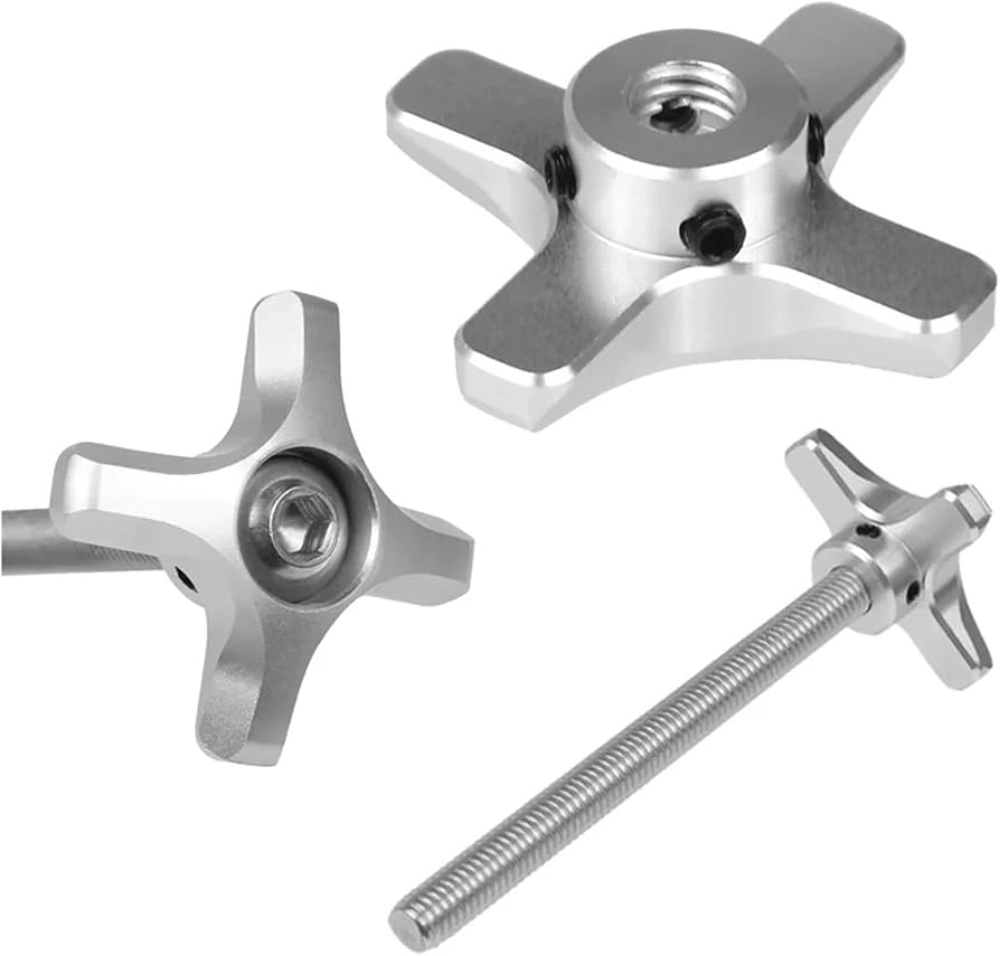
An aluminum clamping knob serves as an important fastening component in industrial equipment, mechanical fixtures, and precision assemblies. Many buyers focus on appearance, but performance depends on deeper technical factors. Material strength, machining accuracy, thread compatibility, and surface protection directly affect product reliability. A suitable design allows operators to complete adjustments efficiently while maintaining stable positioning. Industrial environments often require components that resist repeated pressure, vibration, and frequent operation. Manufacturers need to evaluate application conditions before creating suitable solutions. Aluminum materials provide lightweight advantages while maintaining excellent mechanical performance. Professional production processes combine engineering knowledge with strict quality control. These factors help create reliable components that support long-term equipment operation and reduce maintenance requirements.
Material Selection Determines Durability And Mechanical Performance
Material quality plays a fundamental role in determining component performance. Aluminum alloys provide excellent advantages because they combine low weight with suitable strength. Different alloy grades offer different hardness levels, corrosion resistance, and machining characteristics. Industrial applications usually require materials that maintain stable dimensions during continuous use. High-quality aluminum reduces deformation risks under regular clamping pressure. It also provides better resistance against moisture, oxidation, and environmental changes. Manufacturers select suitable alloys according to operating requirements, including temperature conditions and mechanical loads. Material testing helps confirm consistency before production begins. Proper alloy selection supports accurate machining and improves final product reliability. Buyers should evaluate material specifications instead of only comparing surface appearance. A well-selected material creates a strong foundation for efficient operation and extended service life.
Precision Manufacturing Improves Product Accuracy And Stability
Advanced manufacturing technology directly affects the quality of mechanical components. CNC machining allows manufacturers to produce accurate dimensions with consistent results. Precise processing controls diameter, shape, and connection areas during production. Small dimensional errors can influence installation performance and create unwanted movement. Experienced engineers monitor machining parameters to maintain stable production standards. Thread areas require special attention because they determine connection reliability. Surface smoothness also affects user operation and adjustment comfort. Professional factories usually combine automated equipment with inspection procedures. These methods reduce production variations and improve overall consistency. A reliable manufacturing process supports different customization requirements. Buyers seeking long-term suppliers should consider machining capability, inspection systems, and technical experience. These factors often determine whether components can perform effectively in demanding applications.
Thread Structure Influences Connection Strength And Adjustment Efficiency
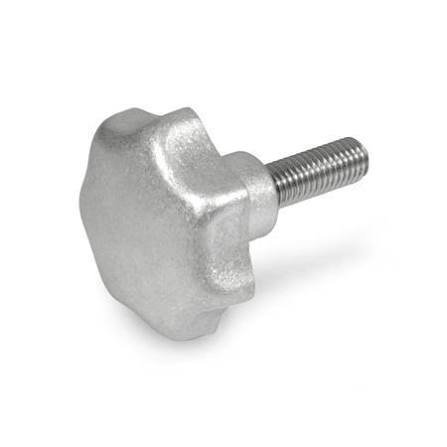
Thread design represents one of the most important technical elements in fastening components. Different machines require specific thread sizes, pitches, and connection methods. Incorrect thread matching may cause installation problems or reduce holding strength. Engineers analyze application conditions before selecting suitable thread specifications. They consider factors such as operating frequency, applied force, and equipment structure. Accurate thread processing creates smoother adjustment and stronger connections. Metric clamping lobe knobs are commonly used in applications requiring practical manual operation and reliable positioning. Proper thread depth improves engagement between connected parts. Consistent machining also reduces wear during repeated adjustments. Manufacturers with strong technical capabilities can provide customized thread options. This flexibility helps buyers achieve better compatibility across different equipment systems and industrial environments.
Surface Treatment Protects Against Wear And Environmental Damage
Surface finishing improves both appearance and functional performance. Aluminum components often require additional protection because industrial environments may include moisture, dust, and frequent contact. Anodizing creates a durable oxide layer that increases surface hardness and corrosion resistance. Powder coating provides additional protection and allows customized colors for identification purposes. Brushed finishes offer a refined appearance while maintaining practical durability. Each treatment method provides different advantages depending on application needs. Manufacturers evaluate working environments before recommending suitable finishing solutions. Surface treatment also improves resistance against scratches caused by repeated handling. Quality inspection ensures that coatings remain consistent across production batches. A proper finishing process extends product lifespan and helps maintain stable performance during continuous operation.
| Surface Treatment Type | Main Characteristics | Suitable Applications |
|---|---|---|
| Anodizing | Improves hardness, corrosion resistance, and surface protection | Industrial machinery, fixtures, automation equipment |
| Powder Coating | Provides strong coverage and customized color options | Commercial equipment and special applications |
| Brushed Finish | Creates smooth texture with professional appearance | Visible mechanical components and control systems |
Key Evaluation Points For Selecting Reliable Clamping Components
Purchasing decisions should include technical evaluation instead of focusing only on cost. Different applications require different performance standards. Buyers should review several important factors before confirming orders. These elements help identify suitable products and reliable manufacturing partners.
- Material grade and mechanical strength
- Thread specification and connection accuracy
- Surface treatment quality and durability
- Production capacity and inspection procedures
- Custom design support for special requirements
Careful evaluation reduces potential problems during equipment operation. A professional supplier provides detailed specifications and technical support throughout the purchasing process. Buyers can compare product performance, production capability, and quality systems before making decisions. This approach helps create stable cooperation and improves long-term equipment reliability.
Application Comparison Shows Different Product Requirements
Different industries require specific designs because operating environments vary. Laboratory equipment often needs smooth adjustment and corrosion resistance. Industrial machinery usually requires stronger structures and higher durability. Automation systems demand components that support frequent operation cycles. Manufacturers analyze these differences before developing suitable solutions.
| Application Field | Primary Requirement | Important Design Factor | Recommended Feature |
|---|---|---|---|
| Industrial Machinery | High load resistance | Strong thread connection | Durable aluminum structure |
| Laboratory Equipment | Precise adjustment | Stable manual control | Corrosion-resistant finish |
| Automation Equipment | Frequent operation | Long service life | Wear-resistant surface |
Application analysis helps manufacturers recommend proper specifications for different working conditions. Equipment designers usually consider installation space, operation frequency, and maintenance requirements. A suitable component improves overall machine performance and user experience. Professional suppliers combine engineering knowledge with manufacturing capability to support various industries. This approach ensures products meet practical requirements while maintaining consistent quality during production.
Manufacturing Experience Supports Consistent Product Reliability
Production experience strongly influences the final quality of mechanical components. Manufacturers with advanced technical knowledge can manage complex requirements from material selection to final inspection. Experienced teams evaluate how aluminum properties affect machining performance, surface finishing, and structural stability. They also identify common production challenges, including dimensional variation, thread errors, and surface defects. A professional factory usually follows organized manufacturing procedures to maintain consistency. These procedures include incoming material inspection, precision machining control, surface treatment monitoring, and final quality checks. Modern equipment improves efficiency, while skilled workers ensure accurate operation. For buyers, supplier experience represents more than production history. It reflects the ability to solve technical problems, maintain stable output, and support customized requirements for different industrial applications.
Customization Options Expand Industrial Application Possibilities
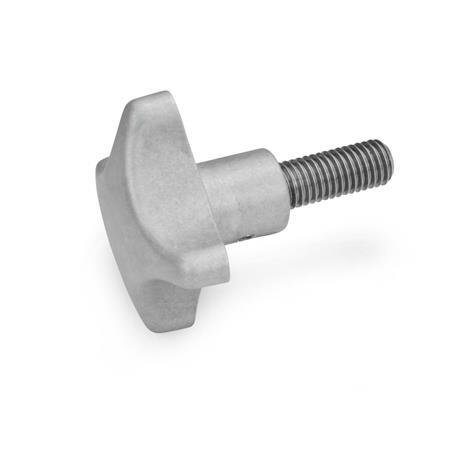
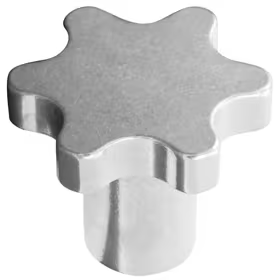
Different machines often require unique component specifications because standard products may not fit every application. Customization allows buyers to adjust dimensions, thread types, colors, and structural features according to equipment requirements. Engineers usually review installation conditions before developing customized solutions. They evaluate space limitations, operating pressure, and user requirements during the design process. Special manufacturing services can include logo engraving, customized finishes, and modified handle shapes. A Five lobe clamping knob for machine demonstrates how specific structural designs can support particular equipment needs. Customized solutions help improve compatibility and provide better operating convenience. Professional suppliers combine engineering support with flexible production methods. This capability allows customers to achieve better performance while maintaining efficient installation and reliable operation.
Quality Control Procedures Improve Long-Term Performance
Strict quality management ensures that every production stage meets technical expectations. Reliable manufacturers inspect materials before machining begins. They check aluminum composition, surface conditions, and dimensional accuracy during production. Thread inspection confirms proper connection performance and reduces assembly problems. Surface testing verifies coating consistency and protection capability. Final functional checks evaluate practical operation before shipment. These procedures help prevent defects and maintain stable product quality across large orders. Quality control also supports continuous improvement because production data helps identify possible issues. Manufacturers with complete inspection systems provide stronger reliability for industrial buyers. A detailed quality process creates confidence because every component receives professional evaluation before reaching customers.
| Quality Inspection Stage | Inspection Purpose | Common Testing Method |
|---|---|---|
| Material Inspection | Confirm aluminum quality and consistency | Material analysis and appearance checking |
| Machining Inspection | Verify dimensions and thread accuracy | Precision measurement tools |
| Surface Inspection | Check coating quality and protection | Visual inspection and durability testing |
| Final Testing | Confirm operating performance | Assembly and functional evaluation |
Choosing The Right Supplier For Industrial Applications
Selecting a suitable supplier requires evaluation of technical ability, production capability, and service quality. Reliable manufacturers provide detailed specifications and maintain consistent production standards. They can support different requirements through professional engineering communication and flexible manufacturing processes. Buyers should review factory capabilities, quality systems, and customization experience before cooperation. A supplier with strong technical resources can provide better solutions for complex applications. Production transparency also helps customers monitor quality expectations and delivery schedules. The right partner does not only provide components but also offers technical support throughout the purchasing process. When selecting an aluminum clamping knob supplier, buyers should consider long-term cooperation potential instead of short-term pricing advantages. Reliable partnerships improve product consistency and create stronger business value.
Future Trends In Aluminum Component Design And Industrial Applications
Industrial equipment continues to demand lighter, stronger, and more efficient components. Aluminum products are becoming increasingly popular because they provide balanced mechanical properties and practical advantages. Manufacturers are improving machining technology to achieve higher accuracy and better production efficiency. Surface treatment methods are also developing to provide stronger protection and improved appearance. Customization requirements continue growing as industries adopt specialized equipment designs. Digital manufacturing technologies help factories optimize production processes and reduce errors. Engineers are focusing on improving user comfort while maintaining structural performance. These trends create new opportunities for advanced component solutions. Companies that combine material innovation, manufacturing expertise, and quality management can better support changing industrial requirements in the future.
Conclusion: Selecting High-Performance Components Requires Technical Evaluation
Choosing the right component requires careful consideration of materials, machining processes, thread design, and surface protection. A high-quality product should provide stable performance, convenient operation, and reliable durability. Buyers need to evaluate supplier experience, manufacturing capability, and inspection procedures before making purchasing decisions. Professional manufacturers focus on every production detail to create consistent solutions. From aluminum selection to final testing, each step influences overall performance. Recognizing these technical factors helps companies select suitable components for different equipment applications. Reliable products support safer operation, reduced maintenance costs, and improved production efficiency. A complete evaluation process ensures that selected components can meet industrial demands and provide long-term value.
FAQ
What Material Quality Should Be Considered For Aluminum Clamping Knob Production?
Material quality directly affects strength, durability, and machining performance. High-quality aluminum alloys provide excellent lightweight characteristics while maintaining suitable mechanical stability. Buyers should check alloy specifications, corrosion resistance, and processing capability before selection. Suitable materials reduce deformation risks during repeated operation and support consistent performance. Professional manufacturers usually inspect raw materials before production to ensure reliability. The correct aluminum grade also improves surface treatment results and overall product lifespan. Choosing appropriate material specifications helps create components that perform effectively in industrial environments with different operating conditions.
How Does Thread Accuracy Affect Clamping Component Performance?
Thread accuracy determines how securely components connect with equipment structures. Precise thread processing creates smoother installation and stronger fastening performance. Incorrect thread dimensions may cause looseness, difficult adjustment, or premature wear. Manufacturers use advanced machining equipment and inspection tools to control thread quality during production. Engineers consider thread size, pitch, and application requirements before selecting suitable designs. Accurate threads improve operator experience because adjustments become easier and more stable. For industrial applications, reliable thread performance supports safer equipment operation and reduces maintenance problems caused by connection failures.
Can Aluminum Clamping Knobs Be Customized For Special Equipment?
Customization allows manufacturers to create solutions for unique equipment requirements. Buyers can request changes in size, thread specifications, surface treatment, colors, and structural designs. Engineers usually analyze installation conditions and operating requirements before recommending modifications. Customized production helps improve compatibility when standard components cannot meet specific applications. Professional factories use flexible machining processes to manage different design requests while maintaining quality standards. Custom options also support branding needs through engraving and appearance adjustments. With proper technical communication, customized components can provide better performance and stronger integration with specialized machinery.