Material traceability heat number plays a critical role in modern manufacturing quality systems. Industrial buyers rely on traceable material records to verify origin, chemical composition, and production history. A heat number connects raw materials with supplier documents, inspection reports, and finished components. Manufacturers use this identification method to reduce quality risks during machining, fabrication, and assembly processes. Reliable tracking improves communication between suppliers and buyers because every material batch has a clear production record. Quality teams can quickly locate affected materials when unexpected issues appear. This approach supports industries that require strict documentation, including aerospace, automotive, energy, and precision engineering sectors.
The Basic Function Of Heat Number Identification In Manufacturing
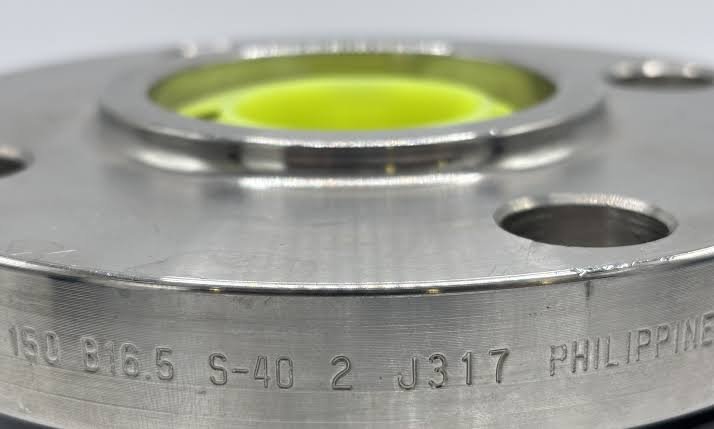
A heat number represents a unique code assigned to a specific batch of metal produced during melting operations. Steel mills and metal suppliers create this identifier during the manufacturing stage. The code links materials with certificates that show chemical analysis, mechanical properties, and production details. Buyers can request these records before approving materials for production. Manufacturers use heat numbers throughout cutting, forming, machining, and inspection activities. The system creates a continuous information chain from raw material arrival to final shipment. Such records help companies maintain consistent quality standards and reduce the possibility of mixing different material grades during manufacturing operations.
How Material Traceability Heat Number Supports Industrial Quality Decisions
Material traceability heat number provides essential support for quality control teams managing complex production environments. Accurate records allow engineers to confirm whether materials meet project specifications before processing begins. When suppliers provide complete documentation, buyers can evaluate material reliability and production capability more efficiently. Heat number tracking also supports compliance requirements from industry organizations and customer audits. Companies can review previous manufacturing records without delaying production schedules. The process improves supplier transparency because every material batch carries verifiable information. For industrial buyers, clear traceability reduces uncertainty and creates stronger confidence when selecting manufacturing partners for long-term cooperation.
The Relationship Between Heat Numbers And Material Certification Records
Material certification documents provide detailed information connected with each metal batch. These certificates usually include alloy grade, chemical elements, tensile strength, yield strength, and inspection results. A heat number works as the connection point between physical materials and certification files. Quality inspectors compare markings on materials with certificate information before production approval. This verification step prevents incorrect material usage and protects product performance. Many manufacturers maintain digital databases that store certificate files, inspection reports, and production records together. Such systems improve retrieval speed and create better control over inventory management. A material traceability heat number remains valuable because it creates a permanent reference throughout the product lifecycle.
| Traceability Element | Recorded Information | Quality Benefit |
|---|---|---|
| Heat Number | Unique batch identification code | Links materials with production history |
| Material Certificate | Chemical and mechanical data | Confirms material specifications |
| Inspection Record | Testing and approval results | Supports quality verification |
| Supplier Record | Origin and delivery information | Improves supply chain visibility |
Key Data Included In A Complete Traceability System
A complete traceability system contains multiple data points that support manufacturing decisions. Companies normally collect information from suppliers, production departments, and inspection teams. These records create a complete history for every material batch. Important information often includes:
- Material grade and specification details
- Heat number identification and production date
- Supplier certificate information
- Inspection and testing results
- Processing records and final application details
Digital management platforms help companies organize these records more efficiently. Engineers can locate required information faster during audits or quality reviews. A structured database also prevents missing documents during production transfers. Strong traceability practices improve operational control and support consistent manufacturing performance across different projects.
How Suppliers Maintain Material Traceability During Custom Manufacturing
Custom manufacturers need effective tracking systems when handling complex orders with multiple material requirements. Each production stage requires accurate records to prevent material confusion. Suppliers usually mark raw materials before cutting or machining begins. Production teams then record material usage during each manufacturing step. Companies providing precision milled components OEM/ODM services often depend on detailed traceability processes because customers require strict dimensional and material verification. Proper documentation supports repeat orders because suppliers can reproduce previous specifications with higher accuracy. Buyers benefit from transparent production information because it reduces communication delays and improves project confidence. Reliable suppliers treat traceability as a core quality management practice rather than a simple documentation task.
| Manufacturing Stage | Traceability Activity | Buyer Advantage |
|---|---|---|
| Material Receiving | Check markings and certificates | Confirms incoming material quality |
| Production Processing | Record material usage and operations | Maintains production transparency |
| Inspection Stage | Verify dimensions and performance | Ensures product reliability |
| Final Delivery | Provide supporting documents | Improves customer confidence |
The Importance Of Documentation Accuracy In Manufacturing Supply Chains
Accurate documentation protects manufacturers and buyers from quality disputes. Missing or incorrect records can create delays during inspections and certification reviews. Professional suppliers establish internal procedures to verify every document before shipment. Digital systems can automatically organize files and reduce manual errors. Companies working with precision machined components OEM/ODM production often require detailed material histories because customers need consistent product performance. Strong documentation also helps manufacturers analyze production issues and improve future processes. When supply chains involve multiple partners, reliable records create smoother cooperation. Traceability documentation becomes an important factor when buyers evaluate supplier reliability, technical capability, and long-term production stability.
Advanced Digital Methods Improve Industrial Material Tracking
Modern manufacturers increasingly use digital platforms to manage traceability information. Enterprise systems can connect purchasing records, inventory data, inspection results, and shipment documents. Barcode and laser marking technologies also improve material identification speed. Automated tracking reduces the chance of human mistakes during production operations. Cloud-based databases allow authorized teams to access records from different locations. These technologies create stronger control over manufacturing information and improve response times during quality investigations. The material traceability heat number system becomes more effective when combined with digital management tools. Advanced tracking methods help companies achieve better production visibility while maintaining accurate historical records for every material batch.
Why Buyers Should Evaluate Supplier Traceability Capabilities
Industrial buyers should review supplier traceability practices before starting long-term cooperation. Reliable suppliers can provide complete material records, inspection documents, and production details without unnecessary delays. Strong traceability capability reflects a company’s quality management experience and operational discipline. Buyers should evaluate several factors when selecting manufacturing partners, including:
- Certificate management procedures
- Material identification methods
- Inspection process control
- Digital record storage systems
- Response speed during quality reviews
Suppliers with mature tracking systems usually provide better project stability. Their processes reduce risks caused by incorrect materials, missing documents, or inconsistent production results. Careful supplier evaluation helps buyers establish dependable manufacturing partnerships.
FAQ
What Information Does A Heat Number Record In Manufacturing?
A heat number records the identity of a specific metal batch created during the melting process. It connects physical materials with important manufacturing documents. These records usually include alloy type, chemical composition, mechanical test results, production date, and supplier information. Manufacturers use this data to verify material suitability before processing. Quality teams also review these records during inspections and audits. A complete heat number record helps companies maintain consistent standards because every material batch has a clear history. This information supports industries that require strict control over material performance and product reliability.
Why Is Heat Number Tracking Important For Quality Assurance?
Heat number tracking improves quality assurance by creating a direct connection between materials and production records. Manufacturers can confirm whether materials meet required specifications before machining or fabrication begins. When quality issues appear, teams can identify affected batches quickly and review related documents. This reduces investigation time and prevents unnecessary production interruptions. The system also supports customer requirements for transparency and compliance.
How Can Buyers Verify Supplier Material Records?
Buyers can verify supplier material records by reviewing certificates, inspection reports, and production documentation. They should compare material markings with supplied records to confirm consistency. Professional suppliers provide clear documentation that matches delivered materials and finished products. Buyers can also request sample records before placing large orders. Regular communication with suppliers helps maintain accurate information throughout manufacturing projects. The material traceability heat number system allows buyers to confirm material history and evaluate supplier reliability. A transparent documentation process creates stronger cooperation and reduces risks related to quality problems or incorrect material selection.