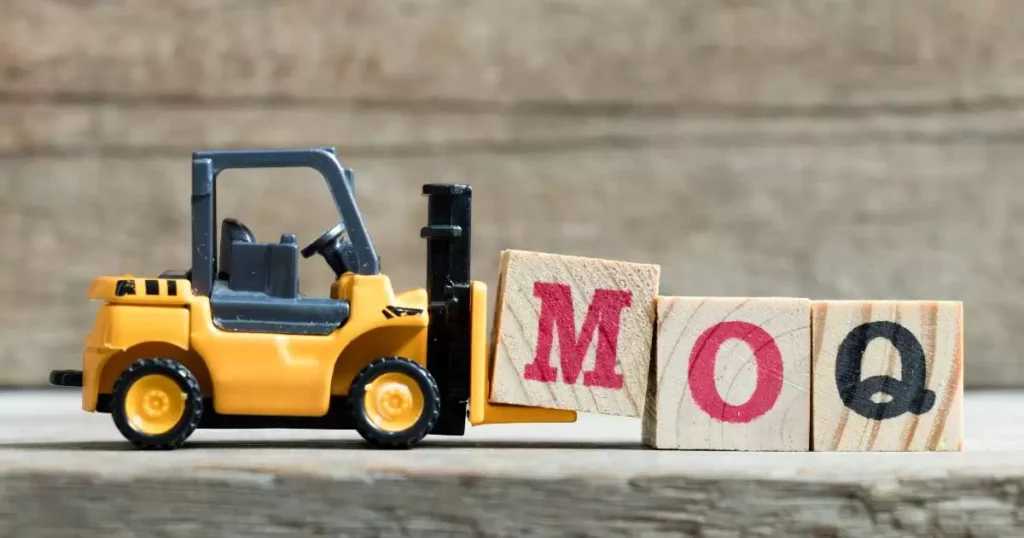

The manufacturing moq meaning explains the minimum quantity a supplier requires before starting production. Buyers need this information when planning orders, budgets, and inventory levels. MOQ represents the lowest number of units accepted for a manufacturing order. Suppliers set these limits according to production costs, material requirements, and operational efficiency. A clear MOQ evaluation helps buyers select suitable partners and avoid unexpected purchasing risks. Many wholesale projects depend on accurate quantity planning because excessive inventory can reduce cash flow. Small quantities may also increase production costs. Therefore, buyers should review MOQ details before confirming supplier cooperation.
Why Manufacturing MOQ Meaning Matters in Supplier Selection
Manufacturing moq meaning plays an important role when buyers compare different suppliers. A suitable MOQ can support stable inventory management and better financial planning. Suppliers with higher requirements may offer lower unit prices because production resources operate more efficiently. However, large orders can create storage pressure for new brands. Buyers should evaluate sales forecasts, market demand, and product turnover before choosing order volumes.
How Suppliers Determine Minimum Order Quantity Requirements
Manufacturers usually calculate MOQ based on several production factors. Raw material purchasing is one major consideration because suppliers often need bulk materials before manufacturing begins. Production equipment settings can also affect quantity requirements. Machine preparation, labor allocation, and quality inspections require time and resources. Custom products usually involve additional development costs, including mold preparation, design adjustments, and testing procedures. Standard products may have lower MOQ levels because production processes already exist. Suppliers also consider packaging requirements because customized boxes, labels, and accessories may require minimum purchasing quantities. Buyers who review these factors can communicate more effectively with manufacturing partners.
Key Factors That Influence Manufacturing MOQ Levels
Different products have different MOQ requirements because production conditions vary significantly. Material selection, product complexity, and manufacturing technology directly affect order quantities. For example, metal products requiring precision processes may need higher preparation costs than simple assembled items. Custom finishes, special colors, and unique dimensions can increase supplier investment. Production scheduling also influences MOQ because factories need efficient workflows to maintain profitability.
| Factor | Impact on MOQ | Buyer Consideration |
|---|---|---|
| Raw Materials | Bulk purchasing may increase minimum quantities | Check material availability and storage needs |
| Product Complexity | Complex designs often require higher MOQ | Evaluate development and production costs |
| Customization | Special features may raise order requirements | Confirm design details before ordering |
| Packaging | Custom packaging can affect quantity limits | Review branding requirements carefully |
How Production Factors Shape Buyer Decisions
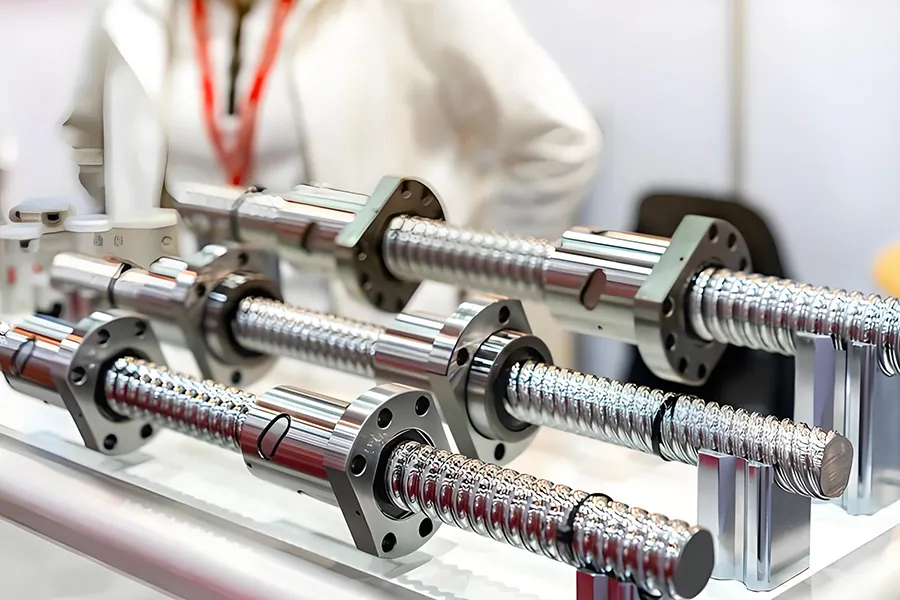
Manufacturing conditions create different MOQ structures across industries. Buyers should compare supplier requirements with their own market goals. A lower MOQ may support testing new products, while a higher MOQ may improve long-term pricing advantages. Production planning becomes easier when buyers collect detailed supplier information before placing orders. Companies producing precision items may use specialized equipment and strict processes. For example, precision milled components OEM/ODM services often require detailed specifications because machining accuracy affects final performance. Buyers should discuss technical requirements, expected quantities, and quality standards before production starts. This approach reduces communication problems and supports smoother cooperation.
Manufacturing MOQ Meaning for Custom Product Development
The manufacturing moq meaning becomes especially important for buyers ordering customized products. OEM and ODM projects often involve design confirmation, sample approval, and production adjustments. Suppliers need clear information about sizes, materials, finishes, and packaging before confirming quantity requirements. Custom orders may require additional preparation because factories must organize dedicated production resources. Buyers can reduce risks by starting with realistic order quantities and expanding after market feedback improves. Flexible cooperation methods may include mixed product orders or phased purchasing plans. These approaches help brands manage inventory while maintaining supplier relationships. Clear discussions about MOQ create better expectations between both parties.
How MOQ Influences Product Cost and Profit Planning
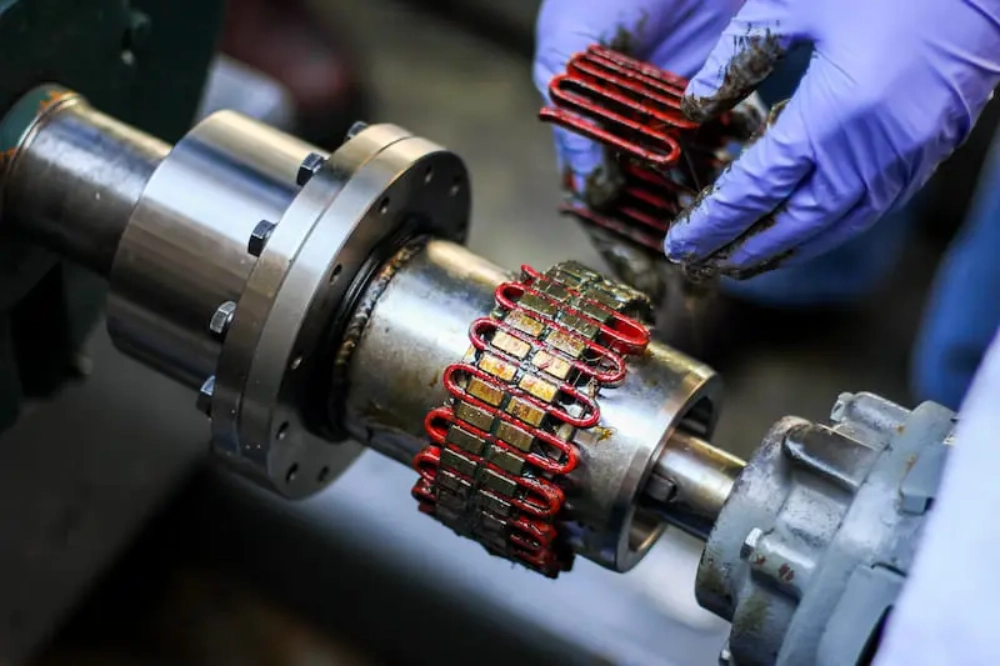
MOQ directly affects product pricing because production efficiency changes with order volume. Larger quantities usually reduce average manufacturing costs because setup expenses spread across more units. Smaller orders may have higher prices due to limited production efficiency. Buyers should calculate total costs, including manufacturing, shipping, storage, and marketing expenses. Profit planning requires a balance between competitive pricing and inventory control. Precision machined components OEM/ODM projects often require detailed cost analysis because machining operations involve equipment time and technical resources. Buyers should review quotations carefully and compare value instead of focusing only on the lowest unit price.
| Order Volume | Cost Effect | Suitable Situation |
|---|---|---|
| Small Quantity | Higher unit cost with lower inventory risk | Market testing and new product launches |
| Medium Quantity | Balanced pricing and inventory control | Growing brands with stable demand |
| Large Quantity | Lower unit cost with higher investment | Established products with strong sales |
Negotiating Better MOQ Terms with Manufacturing Suppliers
Buyers can improve purchasing flexibility through effective supplier communication. Successful negotiation requires realistic expectations and detailed product information. Suppliers are more willing to discuss alternatives when buyers provide clear forecasts and long-term cooperation plans. Useful negotiation methods include:
- Requesting trial orders before large production runs.
- Combining different designs within one material category.
- Discussing repeated purchasing schedules.
- Adjusting specifications to reduce production complexity.
Building Stronger Supply Strategies Through MOQ Planning
Manufacturing moq meaning helps buyers create reliable supply strategies by connecting production requirements with business objectives. A well-planned MOQ approach supports inventory control, financial stability, and product availability. Buyers should review market demand regularly because purchasing needs can change over time. Supplier evaluation should include production capacity, quality management, delivery performance, and communication efficiency. Companies that analyze MOQ information carefully can avoid overstock problems and maintain healthier operations. Strategic quantity planning also supports future expansion because brands can adjust orders based on customer response. A practical MOQ decision creates a foundation for stronger supplier partnerships.
Questions Buyers Should Ask Before Confirming MOQ Terms
Before placing orders, buyers should collect detailed information about supplier quantity policies. Important questions include production lead time, material sourcing methods, quality inspection procedures, payment requirements, and customization options. These details help buyers estimate total investment and avoid unexpected expenses. Suppliers should provide transparent explanations about why certain MOQ levels exist. Buyers can also request sample approval before mass production. Reviewing supplier capabilities creates better confidence during purchasing decisions. A complete evaluation process allows buyers to select partners that match their product goals and operational requirements. Clear communication remains essential throughout the entire production relationship.
How Manufacturing MOQ Meaning Supports Long-Term Business Growth
The manufacturing moq meaning provides valuable insight into supplier operations and purchasing decisions. Buyers who analyze MOQ requirements can develop stronger inventory plans and improve cost management. Effective quantity planning supports sustainable growth because businesses can avoid unnecessary financial pressure. Suppliers also benefit from buyers who provide accurate forecasts and clear requirements. Long-term partnerships often develop when both sides maintain realistic expectations. MOQ should not only represent a quantity limit but also serve as a connection between production efficiency and market demand. Professional buyers use MOQ information as part of a wider supply chain strategy.
FAQ
What Does Manufacturing MOQ Mean in Wholesale Purchasing?
Manufacturing MOQ Meaning refers to the minimum quantity a supplier accepts for a production order. Wholesale buyers use this measurement to plan purchasing budgets and inventory levels. Suppliers establish MOQ requirements based on production costs, material purchases, labor needs, and equipment efficiency. A suitable MOQ allows buyers to balance product availability with financial control. Before ordering, buyers should confirm quantity requirements, pricing structures, and customization conditions. Careful evaluation helps companies avoid excessive inventory and improves supplier communication. MOQ information is a key factor when selecting manufacturing partners for long-term cooperation.
Why Do Suppliers Require MOQ for Production Orders?
Suppliers require minimum order quantities because production involves fixed preparation costs. Materials, machine setup, labor arrangements, and quality inspections require investment before manufacturing begins. Small orders may not cover these operational expenses effectively. MOQ allows factories to maintain efficient production schedules and provide competitive pricing. Buyers should view MOQ as a production management method rather than only a supplier limitation. Different industries have different requirements because products use different materials and manufacturing processes. Discussing MOQ expectations early helps buyers create practical purchasing plans and establish stronger cooperation with suppliers.
Can Buyers Negotiate Lower MOQ Requirements?
Buyers can sometimes negotiate lower MOQ requirements by offering flexible cooperation options. Suppliers may consider smaller quantities when buyers provide repeat order plans, simplified designs, or combined product selections. Negotiation success depends on product type, production complexity, and supplier capacity. Buyers should prepare accurate market information before discussions. Clear communication about future purchasing potential can encourage suppliers to provide suitable solutions. However, extremely low quantities may increase unit costs because production efficiency decreases. A balanced negotiation approach helps buyers achieve manageable order volumes while allowing suppliers to maintain reasonable production operations.