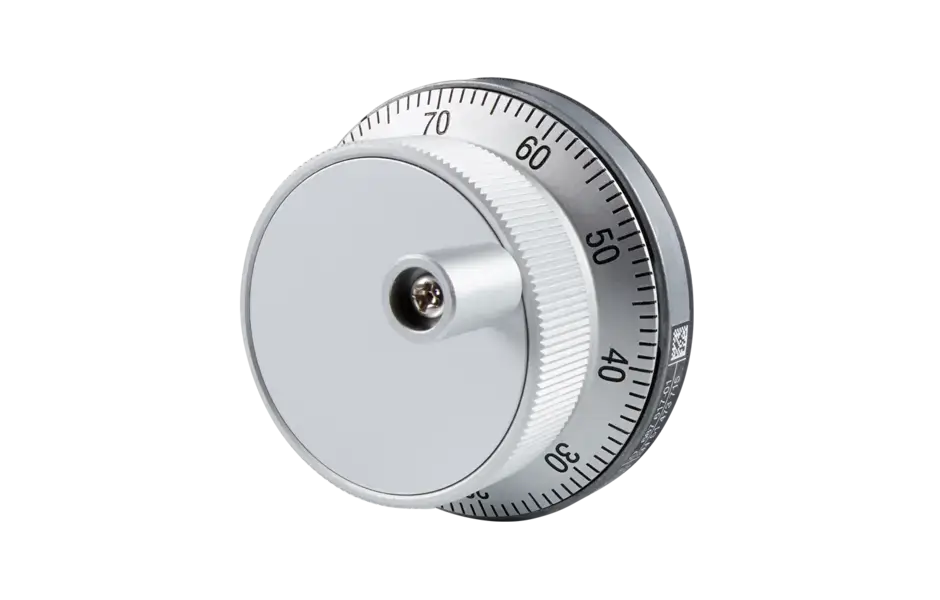
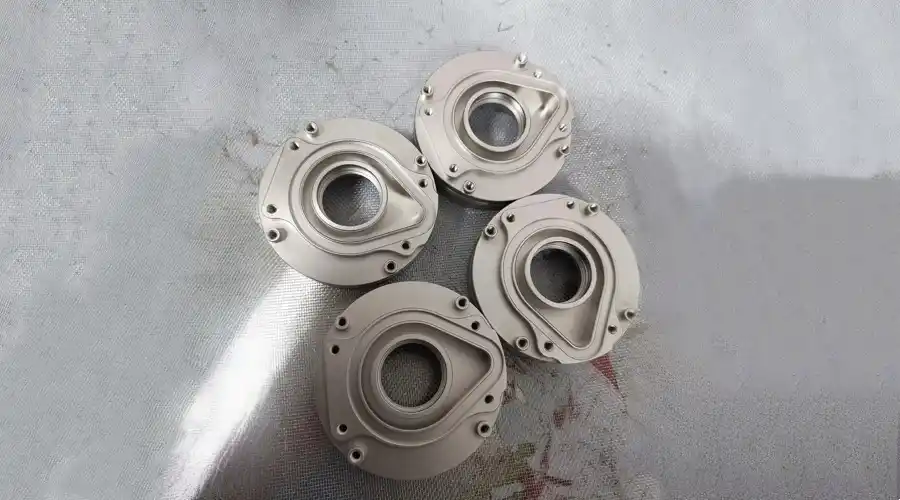
Plating for CNC parts involves applying a thin metallic layer onto a component’s surface. This process significantly improves material properties. It enhances wear resistance, corrosion protection, and electrical conductivity. Manufacturers use this technique to extend part lifespan. It also ensures optimal performance in demanding environments. This method is crucial for many industrial applications. The surface treatment transforms basic CNC components. It adds value and functionality to each piece. This process is key for quality production. It helps achieve desired outcomes for various products. This initial step sets the stage for advanced manufacturing. It ensures components meet strict industry standards.
Surface Modification of CNC Components
Plating on CNC parts is a precise surface modification technique. It deposits a thin metallic coating onto a substrate. This coating changes the part’s surface characteristics. It does not alter the core material properties. The primary goal is to improve functionality. It also boosts the aesthetic appeal of components. Various methods exist for applying these layers. Electroplating is a common industrial choice. It uses an electric current to reduce dissolved metal cations. These cations form a coherent metal coating. Electroless plating is another popular option. It relies on autocatalytic chemical reactions. This method does not require an external power source. Both techniques offer distinct advantages. They cater to different material and application needs. Selecting the right process is vital. It ensures the final product performs as expected. The choice impacts durability and cost. Each process requires careful control. This guarantees a high-quality finish.
The Process of Electroplating CNC Components
Electroplating CNC components involves several critical stages. First, thorough cleaning of the part is essential. This removes oils, dirt, and oxides from the surface. A clean surface ensures proper adhesion of the plating material. Next, the part is immersed in an electrolyte solution. This solution contains dissolved metal ions. An electric current then passes through the solution.
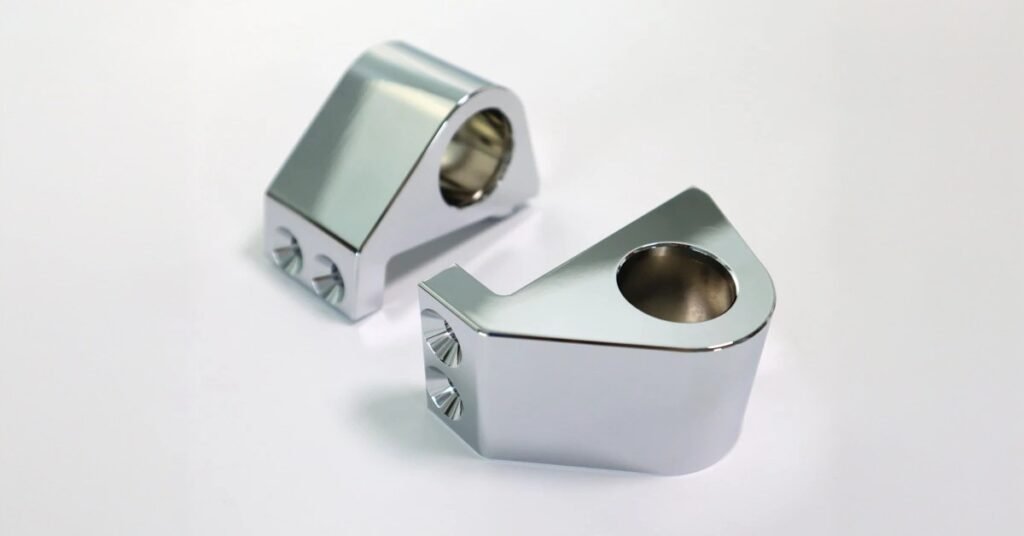
The CNC part acts as the cathode. The metal ions are attracted to the part. They deposit onto its surface as a thin, uniform layer. The thickness of this layer is carefully controlled. It depends on current density and immersion time. After plating, parts undergo rinsing. This removes residual chemicals. A final drying step prepares them for use. This meticulous process guarantees quality. It ensures the plated layer meets specifications. Each step contributes to the final product’s integrity. Precision is paramount throughout. This prevents defects and ensures longevity.
Key Benefits of Plating For CNC Parts
Plating for CNC parts offers numerous advantages. It significantly boosts corrosion resistance. This protects components from harsh environments. It also increases surface hardness. This reduces wear and extends operational life. Enhanced electrical conductivity is another benefit. This is crucial for electronic applications. The process can also improve lubricity. This reduces friction between moving parts. It also provides a more attractive finish. This is important for consumer-facing products. The added layer can fill minor surface imperfections. This creates a smoother, more uniform appearance. These benefits translate into cost savings. Parts last longer and require less maintenance. Performance also sees a marked improvement. This makes plating a valuable manufacturing step. It optimizes components for specific roles. The overall quality of the product elevates. This ensures customer satisfaction.
Common Plating Materials and Their Applications
Various materials are used for plating CNC parts. Each offers unique properties. Nickel plating provides excellent corrosion and wear resistance. It is often used for industrial machinery. Chrome plating offers a hard, durable, and decorative finish. It is common in automotive and consumer goods. Gold plating ensures superior electrical conductivity. It also resists corrosion well. This makes it ideal for electronics and connectors. Silver plating also offers high conductivity. It is more cost-effective than gold. Copper plating improves conductivity and acts as a base layer. It prepares surfaces for other plating types. Zinc plating provides sacrificial corrosion protection. It is widely used for fasteners and hardware. The selection depends on the desired outcome. Engineers match the material to the application. This ensures optimal performance. Different industries rely on specific plating choices. This table highlights common materials.
| Plating Material | Primary Benefit | Typical Application |
|---|---|---|
| Nickel | Corrosion & Wear Resistance | Industrial Machinery |
| Chrome | Hardness & Aesthetics | Automotive, Consumer Goods |
| Gold | Electrical Conductivity | Electronics, Connectors |
| Silver | High Conductivity | Electrical Components |
| Zinc | Sacrificial Corrosion Protection | Fasteners, Hardware |
Material Selection for Optimal Plating Performance
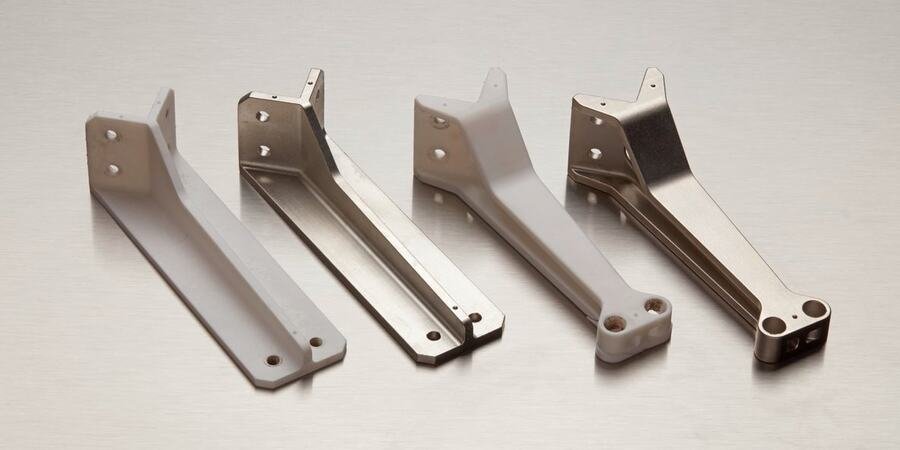
Choosing the correct plating material is a critical decision. It directly impacts the component’s final performance. For instance, precision milled components often require specific surface enhancements. These enhancements protect them from operational stresses. The choice considers the operating environment.
It also accounts for mechanical and electrical requirements. Engineers evaluate factors like hardness, conductivity, and corrosion resistance. They also consider cost-effectiveness and regulatory compliance. Some applications demand highly specialized coatings. These might include exotic alloys or multi-layer systems. Consulting with plating experts is often beneficial. Their knowledge ensures the best material selection. This step prevents premature part failure. It also optimizes manufacturing costs. Proper material choice guarantees longevity. It ensures the component meets all functional demands. This careful consideration is vital for success.
Ensuring Quality in Plated CNC Parts
Maintaining high quality in plated CNC parts is paramount. Strict adherence to industry standards is necessary. Quality control begins with surface preparation. Any contamination compromises adhesion. Thickness uniformity is also closely monitored. Inconsistent thickness affects performance and durability. Adhesion testing ensures the coating bonds securely. Various methods check for proper bonding. Corrosion resistance tests verify protective capabilities. These simulate harsh environmental conditions. Visual inspections identify surface defects. These include blemishes or uneven plating. Regular process monitoring is also key. This involves checking bath chemistry and current levels. Certification to standards like ISO 9001 is common. This demonstrates a commitment to quality. These measures guarantee reliable components. They ensure plated parts meet all specifications. This rigorous approach minimizes failures. It builds trust in the manufacturing process.
Future Trends in CNC Plating Technology
The field of CNC plating technology continues to evolve. Innovations focus on sustainability and advanced performance. Environmentally friendly plating solutions are gaining traction. These reduce hazardous waste and energy consumption. Nanotechnology is also influencing new coatings. These offer superior hardness and wear resistance.They can create ultra-thin, highly effective layers. Plasma-enhanced deposition methods are emerging. These provide excellent adhesion and uniformity. Automation and artificial intelligence optimize processes. They improve consistency and reduce human error. The demand for multi-functional coatings is growing.
These combine several properties into one layer. For example, coatings might offer both corrosion protection and self-lubrication. These advancements promise more efficient production. They also deliver higher-performing components. The future holds exciting possibilities. It will bring even more sophisticated plating solutions. This ensures continuous improvement in manufacturing.
Advanced Plating Techniques and Their Advantages
New plating techniques offer significant improvements. They address limitations of traditional methods. For example, stainless steel precision machined parts can benefit greatly. Advanced processes provide enhanced surface properties. These include improved hardness and better corrosion resistance. Physical Vapor Deposition (PVD) is one such technique. It creates extremely durable and thin films. Chemical Vapor Deposition (CVD) is another. It forms high-purity, high-performance coatings. These methods allow for greater control. They enable precise tailoring of coating characteristics. They also often operate at lower temperatures. This reduces thermal stress on components. The resulting parts exhibit superior longevity. They also show improved functional reliability. These innovations are transforming manufacturing. They open new possibilities for material science. This continuous development drives progress. It ensures components meet future demands.
Advantages of Different Plating Techniques
Selecting the correct plating technique is vital for best outcomes. Various methods present unique benefits. Electroplating, for instance, gives excellent adhesion and uniform thickness. It suits many different metals. Electroless plating provides superior corrosion resistance. It coats complex shapes very evenly. This process needs no external power source. Vacuum deposition, like PVD and CVD, creates hard films. These films resist wear exceptionally well. They suit high-performance uses. Every technique offers specific advantages. Aligning the method with the application is crucial. This guarantees desired properties. It also improves process cost-effectiveness. Knowing these differences is essential. It aids informed manufacturing choices. The table below details key technique advantages.
| Plating Technique | Primary Advantage | Key Application |
|---|---|---|
| Electroplating | Versatility & Uniformity | General Metal Finishing |
| Electroless Plating | Corrosion Resistance & Evenness | Complex Geometries |
| Physical Vapor Deposition (PVD) | Extreme Hardness & Durability | Cutting Tools, Medical Devices |
| Chemical Vapor Deposition (CVD) | High Purity & Performance | Semiconductors, Aerospace |
Essential Steps for Effective Plating
Effective plating processes follow a structured sequence. Each step is vital for a high-quality finish. Skipping any stage can compromise the final product. Here are the essential steps involved:
•Surface Cleaning: Remove all contaminants from the part.
•Rinsing: Wash away cleaning agents thoroughly.
•Activation: Prepare the surface for metal deposition.
•Plating: Apply the desired metallic coating.
•Post-Plating Treatment: Enhance properties or appearance.
•Quality Inspection: Verify adherence to specifications.
Each step requires precision and control. This ensures the integrity of the plated layer. Following these guidelines guarantees success. It leads to durable and functional components. This systematic approach minimizes errors. It also maximizes the efficiency of the process. The result is a superior product. This meets stringent industry requirements.
The Future of Plating for CNC Parts
The future of plating for CNC parts looks promising. Continuous innovation drives new developments. Researchers explore novel materials and processes. These advancements aim for enhanced performance. They also focus on environmental sustainability. Automation and AI will further optimize operations. This will lead to greater efficiency. It will also improve consistency in plating quality. The demand for specialized coatings will grow. These coatings will address complex industrial needs. Multi-functional layers will become more common. They will combine several properties into one. This evolution ensures plating remains vital. It supports the production of high-quality components. The industry adapts to new challenges. It consistently delivers improved solutions. This commitment to progress benefits all sectors. It ensures components meet future demands.
Frequently Asked Questions
How does plating enhance CNC part durability?
Plating significantly boosts CNC part durability through several mechanisms. It adds a protective outer layer. This layer shields the base material from wear. It also resists abrasion and impact damage. Many plating materials are harder than the substrate. This increased surface hardness prevents scratches.
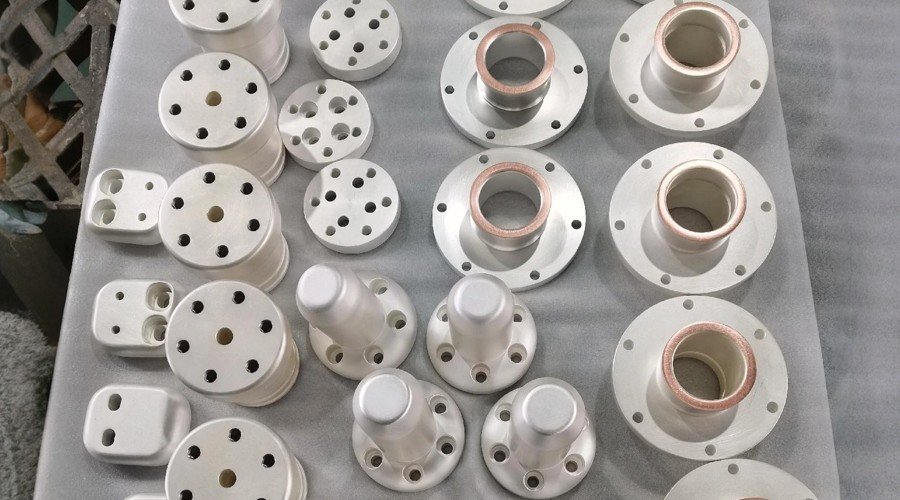
It also reduces material loss during operation. Furthermore, plating often provides corrosion resistance. This stops degradation from chemicals or moisture. The combined effects extend the component’s service life. Parts remain functional for longer periods. This reduces the need for frequent replacements. It also lowers maintenance costs. The enhanced durability ensures consistent performance. It maintains product reliability over time. This makes plating a valuable investment.
What are the environmental considerations for plating processes?
Environmental considerations are crucial for plating processes. Traditional methods often use hazardous chemicals. These can generate toxic waste products. Proper waste treatment and disposal are essential. Regulations govern the release of pollutants. Companies must comply with strict environmental laws. Water usage is another significant concern. Plating operations consume large volumes of water. Efforts focus on reducing water consumption. They also aim to recycle wastewater. Developing eco-friendly plating solutions is a priority. These alternatives minimize environmental impact. They use less harmful substances. Sustainable practices are becoming standard. This protects ecosystems and human health. It also improves public perception. Responsible plating ensures a greener future.
Can all CNC materials be plated effectively?
Most common CNC materials can be plated effectively. Metals like steel, aluminum, and brass are readily plated. The success depends on proper surface preparation. Each material requires specific cleaning protocols. Some alloys might present challenges. Their chemical composition affects adhesion. Specialized pre-treatments can overcome these issues. Non-metallic materials are generally harder to plate. Plastics and ceramics require unique processes. These often involve etching or activation steps. These steps create a receptive surface. The choice of plating material also matters. Compatibility with the substrate is vital. Consulting with plating specialists is recommended. They can assess material suitability. This ensures a successful and durable coating. It guarantees optimal results for diverse components.