Introduction to industrial control design selection and mechanical performance
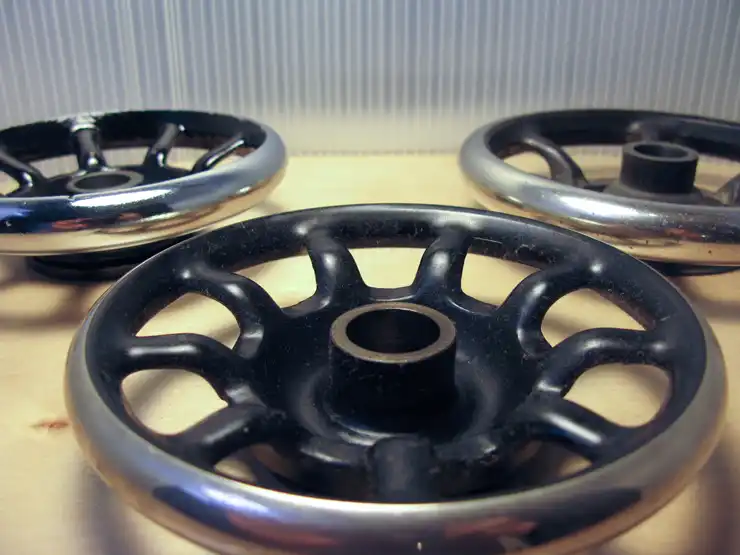
Spoked handwheel vs solid is a core comparison in mechanical control systems used across industrial equipment. Engineers evaluate both designs to balance torque performance, safety, and operator comfort. Spoked structures reduce weight and improve heat dissipation during continuous operation. Solid structures provide higher inertia and stronger load stability under harsh conditions. Manufacturing teams select designs based on duty cycles and machine requirements. Operators also consider rotational smoothness and fatigue levels during long shifts. Material choice and structural geometry strongly influence durability. Both designs remain widely used in machining, assembly, and fluid control systems. Proper selection improves machine reliability and reduces long-term maintenance risks in production environments.
Structural engineering differences in mechanical handwheel systems
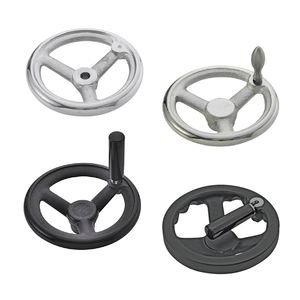
Spoked handwheel vs solid differs significantly in geometry and stress behavior. Spoked models distribute torque through radial arms, improving force efficiency. Solid models rely on continuous mass to resist deformation. Engineers analyze stress flow patterns to optimize durability. Spoked designs reduce overall material usage while maintaining operational strength. Solid designs improve resistance to vibration and shock loads. Airflow around spoked structures improves cooling during continuous use. Solid structures enhance stability in static heavy-duty systems. These differences influence selection in precision machinery. The design choice directly impacts operator feedback, mechanical responsiveness, and system longevity under repetitive industrial workloads.
Material engineering and corrosion resistance performance factors
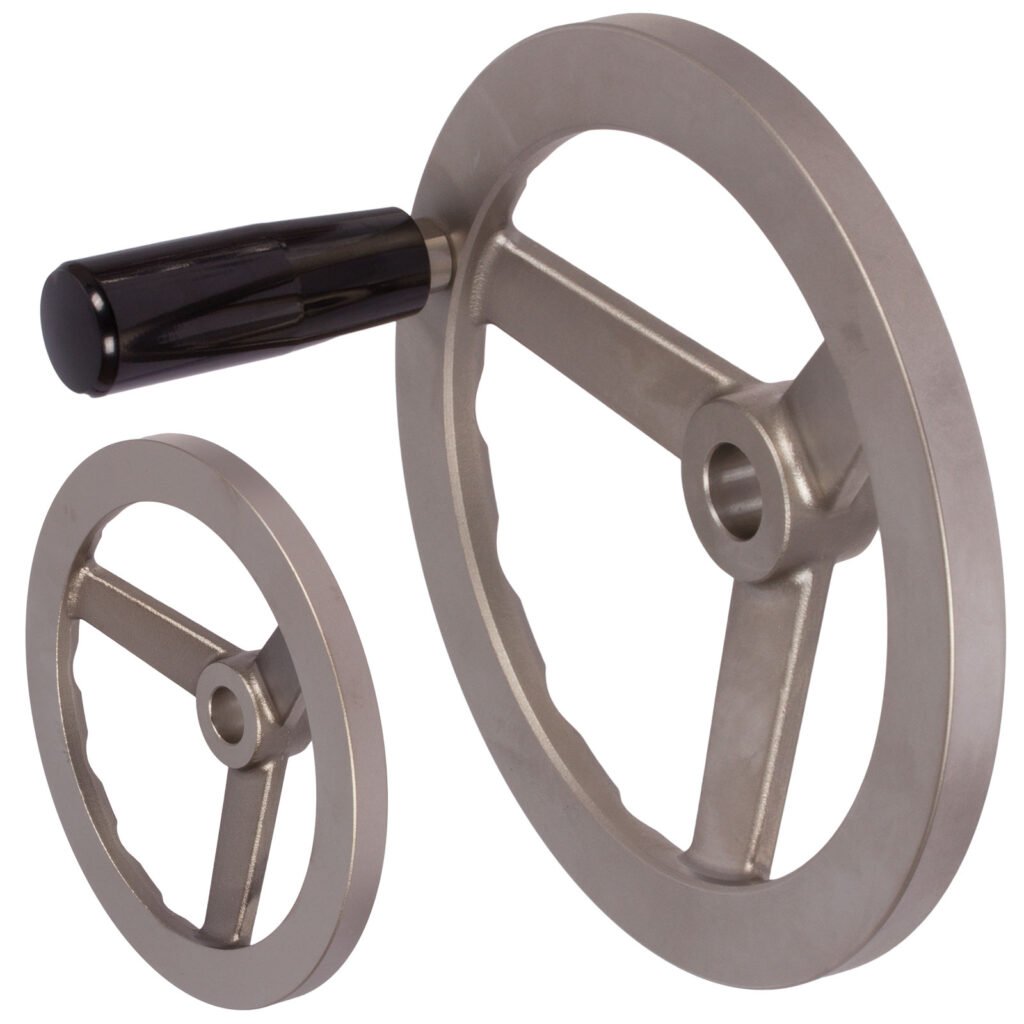
Material selection plays a critical role in industrial handwheel performance. Common materials include cast iron, aluminum alloy, and stainless steel. Cast iron provides strong vibration damping for heavy machines. Aluminum supports lightweight control in fast-adjustment systems. Stainless steel delivers high corrosion resistance in chemical or humid environments. Surface treatments improve wear resistance and extend service life.Heat treatment strengthens internal structure and reduces fatigue failure risk. Engineers evaluate hardness, machinability, and environmental exposure before final selection. Proper material pairing ensures consistent torque transfer and long operational stability. These engineering decisions directly affect safety, efficiency, and long-term equipment performance.
Material performance comparison in industrial handwheel selection
| Material | Mechanical Strength | Environmental Resistance | Primary Application |
|---|---|---|---|
| Cast Iron | High | Medium | Heavy machinery systems |
| Aluminum Alloy | Medium | High | Light industrial equipment |
| Stainless Steel | High | Very High | Corrosive environments |
Material selection affects durability, maintenance frequency, and cost efficiency. Cast iron performs well under constant heavy loads. Aluminum improves responsiveness in precision systems. Stainless steel supports harsh chemical or moisture exposure environments. Engineers match material properties to operational requirements. Proper selection reduces mechanical failure rates and improves long-term reliability. Industrial systems depend on stable material performance for safe operation.
Load capacity and torque distribution behavior analysis
Load capacity determines how effectively a handwheel transmits manual force. spoked handwheel vs solid shows clear differences in torque handling. Spoked designs distribute force through radial arms for balanced stress. Solid designs absorb load through full-body structure for maximum strength. Engineers test both designs under peak torque conditions. Spoked systems perform well in moderate-duty applications. Solid systems handle high-impact industrial environments more effectively. Vibration response varies depending on structural rigidity. Fatigue resistance depends on material density and load frequency. Proper selection ensures stable operation and reduces mechanical wear in long-term industrial use.
Manufacturing precision and production quality control systems
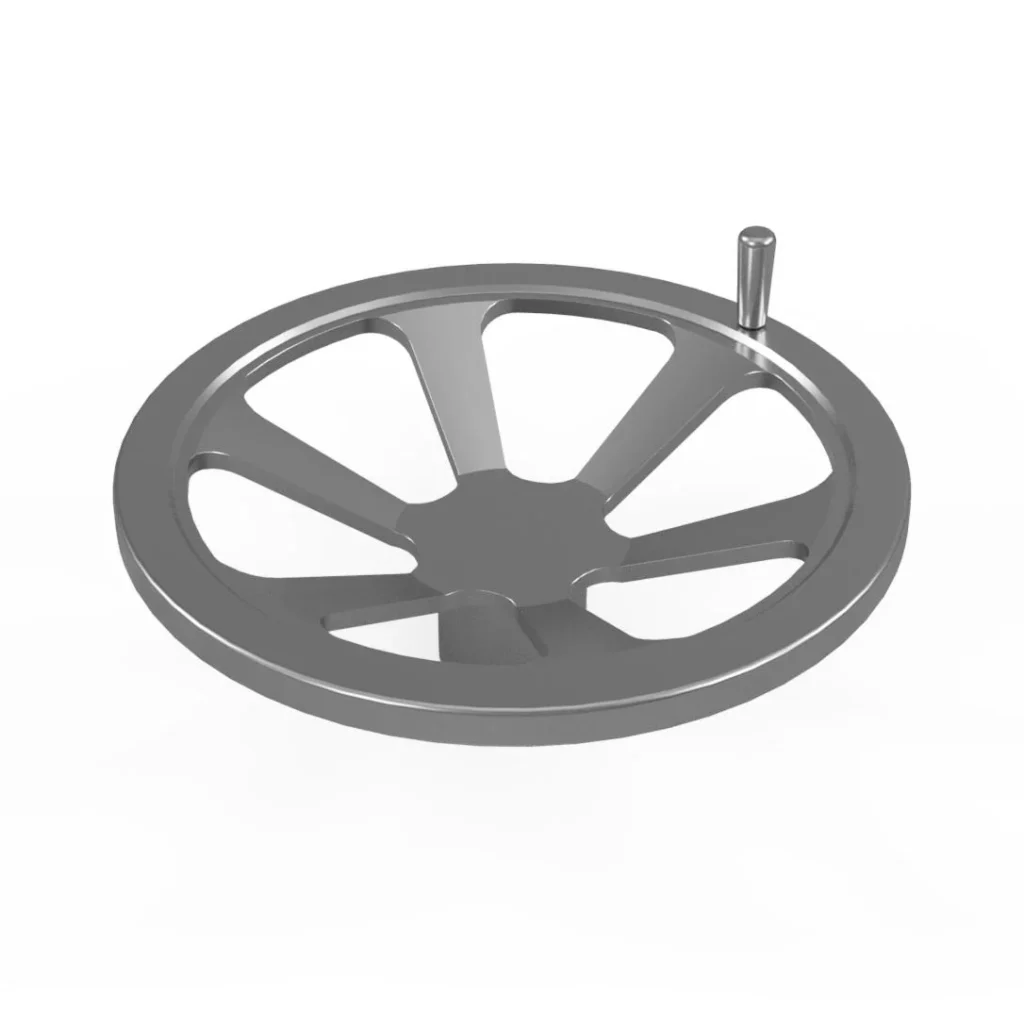
Manufacturing processes define final performance and reliability of handwheel components. Casting forms the base shape for both designs. CNC machining ensures dimensional accuracy and smooth installation fit. Surface finishing reduces friction and improves handling comfort. Quality inspection checks balance, concentricity, and structural integrity. Heat treatment improves hardness and fatigue resistance. Production follows strict industrial tolerance standards for consistency. Engineers monitor each stage to prevent structural defects. High manufacturing precision ensures stable torque transfer and long service life. These processes are essential for maintaining performance in demanding industrial environments with continuous mechanical stress.
Application scenarios and industrial usage classification list
Handwheels are widely used across mechanical control systems in manufacturing environments. Selection depends on torque level, operational frequency, and environmental conditions. Engineers evaluate safety requirements before installation. Ergonomic design also affects operator efficiency and comfort.
- Manual valve adjustment systems in fluid control
- Precision lathes in machining operations
- Press machines requiring controlled torque input
- Assembly systems with frequent mechanical adjustment
Each application requires different structural and material considerations. Proper matching improves efficiency and reduces mechanical wear. Industrial environments demand consistent and reliable control components for safe operation.
Application environment selection factors in mechanical systems
Engineers evaluate spoked handwheel vs solid based on operational environment demands. Spoked structures suit systems requiring lighter rotational effort. Solid structures perform better in high-load and high-impact environments. Machine operators benefit from reduced fatigue in frequent-use systems. Environmental conditions such as humidity and dust influence material choice. Safety standards guide final equipment selection. Maintenance accessibility also affects design preference. Proper configuration improves machine reliability and reduces downtime. Industrial performance depends on correct alignment between design type and application requirements.
Cost efficiency and lifecycle performance evaluation in production systems
Cost efficiency depends on material usage, machining complexity, and maintenance cycles. Spoked designs reduce raw material consumption. Solid designs require more machining and metal volume. Lifecycle cost includes repair frequency and operational downtime. Protective coatings extend service life in harsh environments. Bulk manufacturing reduces per-unit production cost. Engineers evaluate total ownership cost instead of initial price. Long-term efficiency depends on durability and maintenance requirements. Proper design selection improves return on investment and reduces replacement frequency in industrial systems.
Industrial machine handwheels performance and usage optimization
Industrial machine handwheels are essential components in manual mechanical control systems. They provide direct operator input for machine adjustment. Design quality affects safety, precision, and operational efficiency. Engineers optimize size and material for torque balance. Operators rely on consistent feedback during machine operation. Regular maintenance ensures smooth rotation and reduces wear. Lubrication improves long-term mechanical stability. These components remain critical in traditional machinery systems. Proper installation enhances productivity and reduces mechanical strain during repetitive tasks.Performance comparison and engineering decision evaluation
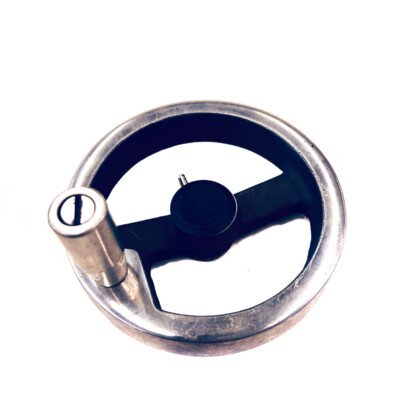
Spoked handwheel vs solid comparison highlights key engineering tradeoffs. Spoked designs prioritize reduced weight and improved cooling efficiency. Solid designs emphasize structural stability and high load resistance. Both configurations support reliable manual control in industrial systems. Selection depends on torque demand, safety requirements, and operating conditions. Engineers evaluate stress distribution and ergonomic factors before final design choice. Manufacturing precision directly influences long-term performance stability. A stainless steel spoked handwheels configuration is often selected for corrosive environments requiring durability and lightweight control. Proper design matching improves efficiency and reduces mechanical failure risks in industrial applications.
Selection framework for industrial mechanical control systems
Engineers follow structured criteria when selecting handwheel types. Load requirements define structural strength needs. Environmental exposure determines corrosion resistance demands. Operator frequency affects ergonomic design selection. Maintenance planning influences lifecycle cost control. Space limitations also affect configuration choices. Safety regulations guide final approval processes. Testing validates torque response and durability under real conditions. Proper evaluation ensures stable performance and long-term operational safety. Consistent selection methodology improves machine efficiency across diverse industrial applications.
FAQ
What is the main functional difference between spoked and solid handwheels?
Spoked and solid handwheels differ in how they manage force and structural load. Spoked models use radial arms to distribute torque efficiently. This reduces material usage and improves heat dissipation. Operators experience lighter rotational feedback during use. Solid models rely on continuous mass for stability and resistance. They perform better under heavy load and shock conditions. Engineers select spoked designs for moderate duty systems requiring frequent adjustment. Solid designs suit high-load machinery needing maximum rigidity. Both types ensure reliable manual control in industrial systems. Selection depends on torque demand, safety expectations, and operating environment conditions.
Which industries prefer spoked handwheel designs over solid ones?
Industries requiring precision and frequent adjustment often prefer spoked designs. Machine tool manufacturing uses them in lathes and milling systems. Packaging lines benefit from lightweight rotational control. Automation support systems reduce operator fatigue with spoked structures. Chemical processing environments may use corrosion-resistant versions. Heavy fabrication industries usually prefer solid designs for impact resistance. Engineers assess workload intensity before selection. spoked designs perform best in moderate torque applications with repeated manual adjustments. Their reduced weight improves responsiveness and operational efficiency in controlled industrial environments.
How to choose between spoked and solid handwheel for machinery applications?
Selection depends on torque level, environment, and usage frequency. High-load applications require solid structures for strength and stability. Moderate-load systems benefit from spoked designs for easier handling. Engineers evaluate material durability and corrosion resistance before selection. Ergonomic factors influence operator comfort during extended use. Maintenance requirements also affect lifecycle cost decisions. Testing under real operating conditions ensures accuracy. spoked and solid comparison helps identify performance tradeoffs. Proper selection improves safety, reduces wear, and enhances long-term machine reliability in industrial environments.