Introduction to handwheel handle types in industrial control systems
Handwheel handle types play a central role in manual industrial control systems, especially where precise rotational control is required. These components convert human input into controlled mechanical motion across valves, machines, and positioning systems. Engineers depend on stable torque transfer to ensure accuracy and safety during operation. In production environments, consistency in control response directly affects efficiency. Different structural forms influence grip comfort, force distribution, and long-term durability.
Core functions of handwheel handle types in mechanical systems
Handwheels serve as manual interfaces for torque transmission in industrial equipment. They allow operators to control mechanical movement with precision and stability. Torque amplification occurs through wheel diameter and leverage ratio. This enables smooth adjustments in valves, actuators, and machine positioning systems. Load distribution across the hub reduces stress concentration during rotation. Feedback sensitivity improves control accuracy in fine-tuning operations. Mechanical response consistency remains critical in high-frequency adjustment environments. Interface alignment between shaft and wheel determines efficiency and vibration levels. Industrial environments require predictable control behavior under varying load conditions. These functions define their importance in mechanical engineering applications.
Classification of handwheel handle types in industrial engineering design
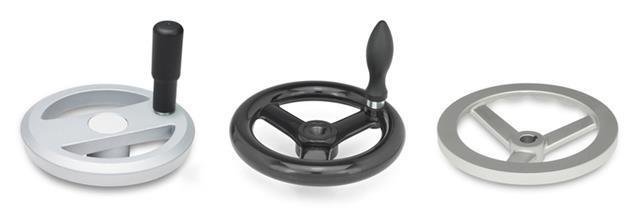
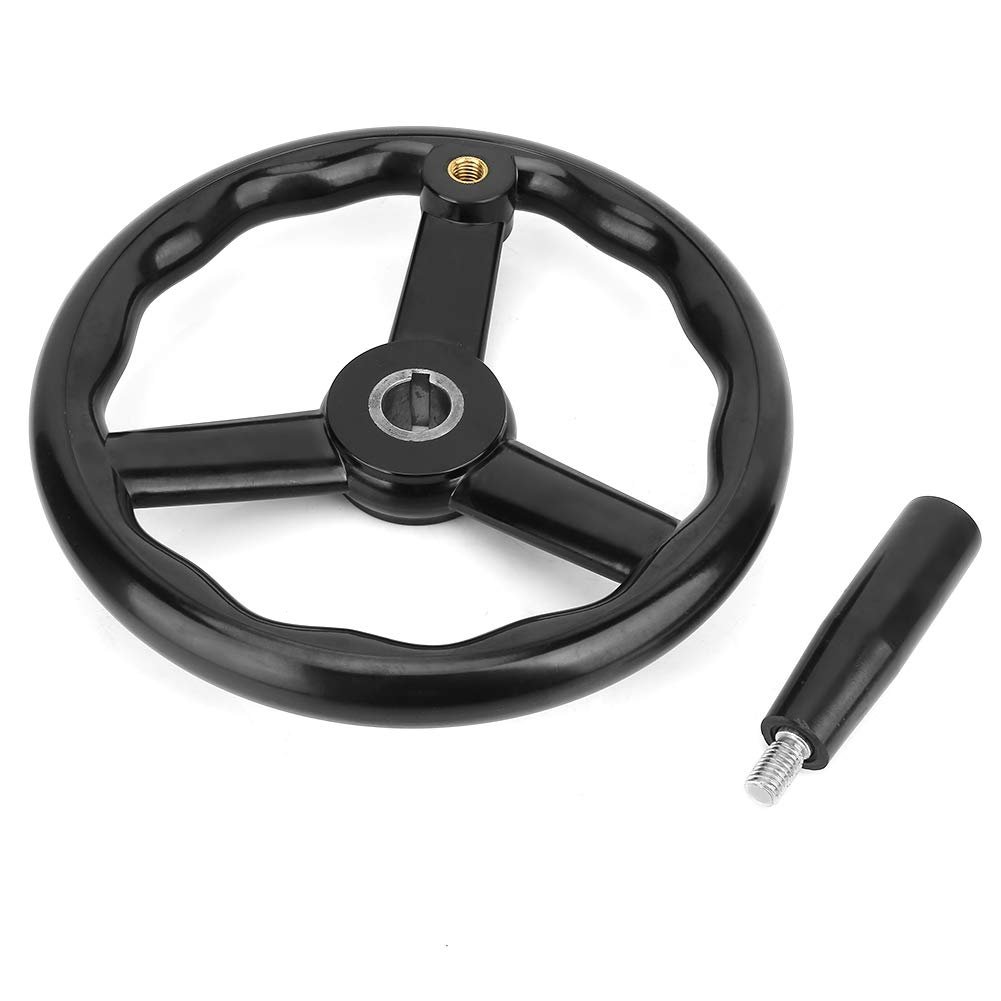
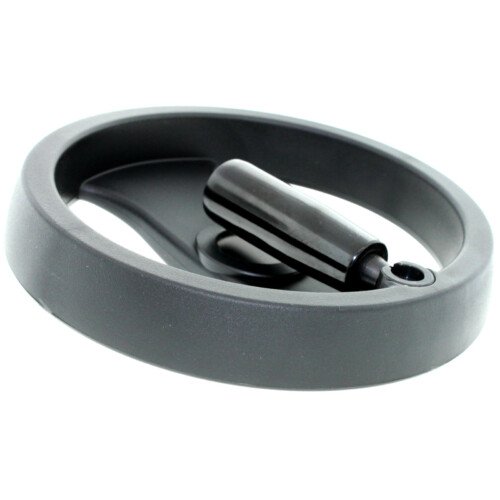
Handwheel handle types are generally classified by structural design, grip configuration, and application environment. Common categories include spoked structures, solid wheel designs, and folding handle variants. Spoked models reduce material usage while maintaining mechanical strength. Solid configurations provide higher inertia for stable heavy-load control. Folding designs improve safety in compact or high-traffic equipment layouts. Selection depends on torque requirements, installation space, and operational frequency. Engineers often apply different designs across machinery systems within the same facility. Material choice and machining precision further influence performance consistency. These variations support diverse industrial use cases across manufacturing and processing systems.
Structural comparison of spoked and solid configurations in industrial systems
Spoked wheel structures distribute stress through radial arms, reducing overall material weight. Solid designs concentrate mass along the rim, increasing rotational stability under heavy loads. Spoked versions improve handling speed and reduce operator fatigue in repetitive tasks. Solid configurations resist deformation when exposed to high torque conditions. Open-frame designs allow better cooling and reduced debris accumulation. Closed structures offer higher resistance to external impact and contamination. Engineering selection depends on operational intensity and precision requirements. Manufacturing complexity differs between the two due to machining and material usage. Performance trade-offs must be evaluated based on system design goals and environmental conditions.
Material engineering impact on durability and performance
Material selection significantly influences mechanical strength, corrosion resistance, and operational lifespan. Cast iron is commonly used for vibration damping in heavy machinery systems. Aluminum alloys provide lightweight performance with balanced structural integrity. Engineering plastics are suitable for cost-sensitive and low-load environments. Stainless steel delivers strong corrosion resistance in chemical or humid conditions. Surface treatments enhance wear resistance and improve grip stability over time. Thermal expansion behavior varies across different material categories. Fatigue resistance determines long-term reliability under repetitive use. Environmental compatibility is essential for stable performance in industrial settings. Material engineering decisions directly affect lifecycle cost and maintenance frequency.
Ergonomic design considerations in industrial operation
Ergonomic design focuses on reducing operator fatigue and improving control efficiency. Grip shape influences how force is distributed during rotation. Anti-slip surfaces enhance safety in wet or oily environments. Balanced weight distribution improves rotational smoothness and reduces strain. Frequent operation requires optimized handle thickness and contour design. Safety standards aim to minimize pinch points and exposure to moving parts. Human-machine interaction design improves precision in repetitive tasks. Surface finishing quality affects comfort during prolonged use. Industrial environments demand consistent ergonomic performance across equipment types. Proper ergonomic design contributes to productivity and operator safety.
Manufacturing standards and precision requirements
Dimensional accuracy ensures compatibility with shafts and mechanical interfaces. ISO and DIN standards define tolerances for industrial component production. Surface finishing quality impacts friction, corrosion resistance, and durability. CNC machining improves repeatability in mass production environments. Heat treatment enhances hardness and mechanical strength. Quality control systems verify balance and concentricity during inspection. Assembly precision affects rotational stability under operational load. Inspection processes identify defects before distribution to industrial clients. Manufacturing consistency ensures interchangeability across production batches. Engineering documentation supports traceability and compliance requirements in global markets.
Installation and maintenance practices for reliable operation
Proper installation ensures efficient torque transfer between shaft and wheel. Alignment accuracy prevents vibration and uneven wear during operation. Lubrication reduces friction in mechanical interfaces and extends service life. Regular inspection helps detect early signs of wear or damage. Replacement intervals depend on usage intensity and environmental conditions. Misalignment can reduce efficiency and increase mechanical stress. Secure fastening prevents slippage during high-load rotation cycles. Maintenance schedules improve system reliability and operational safety. Operators must verify stability before system activation. Correct installation practices enhance long-term performance and durability.
Performance comparison of industrial machine handwheels
Different designs offer varying performance characteristics depending on application requirements. Engineers evaluate load capacity, weight, and corrosion resistance when selecting components. Efficiency depends on torque transfer and operational smoothness. Environmental conditions influence material degradation rates. Lifecycle cost is also a key factor in decision-making processes.
| Type | Load Capacity | Weight | Best Use Case |
|---|---|---|---|
| Spoked Design | Medium | Light | Precision control systems |
| Solid Design | High | Heavy | Heavy-duty machinery |
| Folding Design | Medium | Light | Compact equipment |
Engineering evaluation focuses on balancing strength, cost, and usability. System designers often select based on operational priority and maintenance requirements.
Efficiency metrics across industrial applications
Performance evaluation includes torque efficiency, durability, and operational stability. Engineers measure resistance during rotational movement under different loads. Energy transfer efficiency affects operator effort in manual systems. Wear resistance determines long-term maintenance cost. Thermal stability ensures consistent behavior under high-temperature conditions. Vibration resistance improves precision during continuous operation. Manufacturing accuracy contributes to performance reliability. Field testing validates theoretical design assumptions. Data-driven selection improves system reliability and reduces downtime risks. These metrics guide component selection in industrial environments.
| Metric | Spoked | Solid | Folding |
|---|---|---|---|
| Torque Efficiency | Medium | High | Medium |
| Durability | Medium | High | Medium |
| Operator Comfort | High | Medium | High |
System optimization requires evaluating both mechanical performance and operational constraints. Engineers prioritize reliability and lifecycle efficiency during selection.
FAQ
What Is The Difference Between Spoked And Solid Handwheel?
Spoked and solid handwheels differ mainly in structure, weight distribution, and load behavior in industrial systems. Spoked designs use radial arms to reduce material while maintaining adequate strength. This structure improves handling speed and lowers operator fatigue during repetitive adjustments. Solid handwheels concentrate mass across the full wheel body, increasing stability under heavy torque conditions. They perform better in high-load environments where resistance and inertia are important. Spoked versions allow better airflow and reduced debris buildup during operation. Solid versions provide stronger impact resistance and consistent rotational feel. Selection depends on mechanical demand, environmental exposure, and required precision in industrial applications.

How do handwheel handle types affect machine performance?
Design structure directly influences torque transfer efficiency and control precision. Larger diameters improve mechanical leverage and reduce operator effort. Weight distribution affects rotational smoothness and system stability. Rigid structures enhance performance under high-load conditions. Lightweight designs improve responsiveness in frequent adjustment tasks. Surface grip quality impacts safety and handling accuracy. Mechanical interface precision reduces vibration during operation. Environmental conditions influence long-term reliability. Proper selection improves machine efficiency and reduces maintenance requirements. These factors determine overall system performance in industrial applications.
What materials are best for durable handwheel handle types?
Material selection determines corrosion resistance, strength, and operational lifespan. Cast iron performs well in vibration-heavy machinery environments. Aluminum alloys provide lightweight yet strong structural support. Engineering plastics suit low-load and cost-sensitive applications. Stainless steel offers strong corrosion resistance in harsh environments. Surface treatments further improve wear resistance and grip stability. Temperature resistance varies across material categories. Long-term durability depends on matching material properties with working conditions. Proper material engineering ensures stable and reliable performance in industrial systems.