Industrial Requirements For Reliable Manual Adjustment Components
Industrial machines require components that support fast adjustment and stable positioning. A clamping knob m8 provides a practical solution for equipment that needs repeated manual operation. Its M8 thread size offers balanced strength for many mechanical structures. Manufacturers often select this type of component for fixtures, tooling systems, and adjustable devices. Proper design helps operators create secure connections without additional tools. Material selection, thread accuracy, and ergonomic shape directly affect performance. Industrial users evaluate these factors before integrating adjustment parts into production environments. Reliable knobs reduce downtime and improve equipment handling efficiency. Quality components also support safer operations in demanding workplaces with frequent adjustments.
What Is Clamping Knob M8 And How Does It Work
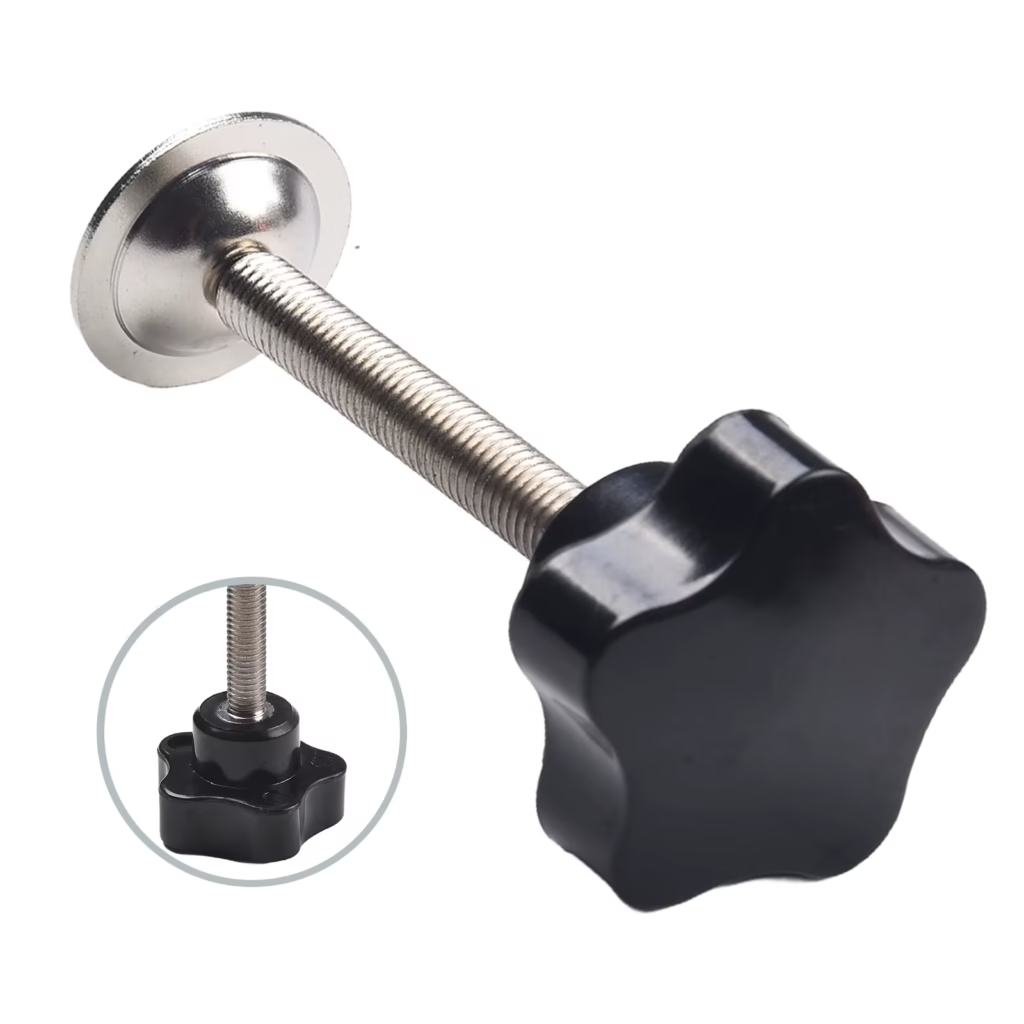
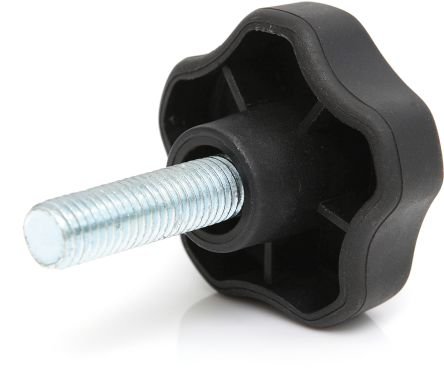
A clamping knob m8 consists of a grip body and a threaded insert or metal stud. The operator rotates the knob to generate axial pressure against a connected surface. This movement creates a secure holding force between mechanical parts. Plastic bodies usually provide comfortable handling during manual adjustments. Metal inserts improve thread durability during repeated tightening cycles. Engineers consider thread pitch, torque capacity, and connection stability during selection. Common designs include star shapes, lobed forms, and rounded grips. Each structure provides different handling advantages for industrial environments. The internal thread alignment must remain accurate to prevent loose connections. Proper manufacturing processes ensure consistent performance across different applications.
Material Selection And Performance Factors
Material choices determine how long industrial adjustment components can operate under pressure. Reinforced nylon provides lightweight construction and strong resistance against impact. ABS materials offer smooth surfaces and reliable dimensional stability. Stainless steel inserts improve mechanical strength and protect threaded areas from wear. Temperature exposure, moisture, and chemical contact influence suitable material selection. Industrial environments often require components that maintain performance after thousands of adjustment cycles. Engineers compare material properties before choosing a specific solution. Surface finishing also affects appearance and cleaning requirements. Durable materials help reduce replacement frequency and support efficient maintenance schedules.
| Material | Main Property | Common Industrial Use |
|---|---|---|
| Reinforced Nylon | Lightweight and impact resistant | Machine fixtures and adjustment systems |
| ABS Plastic | Smooth finish and stable shape | Equipment control components |
| Stainless Steel Insert | High strength and wear resistance | High frequency tightening applications |
Why Is Clamping Knob M8 Suitable For Industrial Use
Industrial users prefer clamping knob m8 solutions because they combine convenience with dependable fixing ability. The M8 thread specification supports many medium-duty mechanical applications. Operators can adjust positions quickly without complex tools. This feature improves workflow efficiency in production areas. Strong internal threads help maintain stable connections during vibration. Ergonomic designs reduce hand fatigue during frequent adjustments. Many machines require compact components that fit limited installation spaces. A suitable knob provides reliable control while maintaining simple operation. Its structure supports equipment customization and flexible assembly methods. These advantages make it valuable across manufacturing, automation, and laboratory environments. Performance depends on proper design, quality materials, and accurate production standards.
Design Features That Improve Handling Efficiency
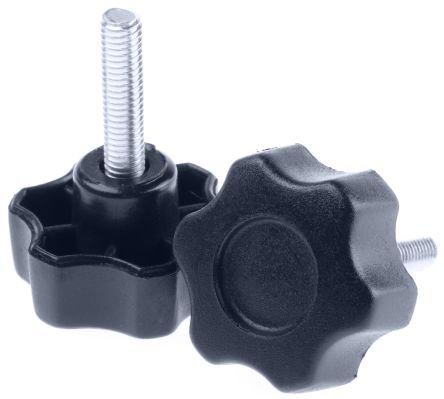
Ergonomic design plays an important role in industrial component performance. Manufacturers create grip patterns that improve finger contact and rotation control. Multi-lobe structures distribute pressure across several contact points. This design reduces slipping during tightening or loosening procedures. Some applications use metric clamping lobe knobs because their extended gripping surfaces support frequent adjustments. Surface texture also influences operator comfort and control. Larger handles usually provide higher manual force compared with smaller designs. Compact versions remain useful where installation space is limited. Engineers balance size, strength, and usability during product development. Good design improves operational consistency and helps workers complete adjustment tasks efficiently.
| Design Feature | Operational Benefit | Application Example |
|---|---|---|
| Textured Grip Surface | Improves hand control | Industrial equipment adjustment |
| Metal Thread Insert | Enhances repeated use durability | Machine fixture systems |
| Compact Structure | Saves installation space | Automation devices |
Selection Factors For Industrial Clamping Components
Choosing suitable adjustment components requires careful evaluation of working conditions. Buyers should review several important factors before purchasing.
- Check thread dimensions and compatibility with equipment structures.
- Evaluate expected tightening frequency and mechanical pressure.
- Consider environmental conditions including moisture and temperature.
- Review material performance for specific workplace requirements.
- Confirm supplier quality control procedures and production accuracy.
Selection decisions influence equipment reliability and maintenance costs. A correctly matched component supports stable operation over extended periods. Different industries have unique requirements based on machine design and usage intensity. Careful evaluation helps avoid installation problems and premature component replacement.
Application Areas For Advanced Mechanical Adjustment Solutions
Industrial systems use manual adjustment parts across many sectors. Manufacturing equipment often requires fast positioning during production changes. Laboratory devices need precise movement and stable fixing methods. Automation systems depend on reliable components for repeated operations. Stainless steel star knobs are commonly selected where stronger corrosion resistance is required. Their metal construction supports demanding environments with increased exposure risks. Assembly fixtures, inspection tools, and processing equipment also benefit from practical adjustment designs. Each application requires suitable load capacity and environmental protection. Professional buyers consider operating conditions before selecting components. Proper application matching improves machine performance and extends service life.
Quality Control And Manufacturing Accuracy Standards
Reliable industrial components depend on strict production management. Manufacturers inspect dimensions, thread accuracy, and material consistency during manufacturing. Precision measurements help maintain compatibility between components and equipment. Quality systems often include appearance checks, torque testing, and durability assessments. Production teams monitor raw materials before assembly begins. Advanced inspection methods reduce defects and improve product consistency. Suppliers with stable manufacturing processes provide better support for long-term industrial projects. Testing procedures help confirm that components meet expected mechanical requirements. Consistent quality creates confidence among equipment designers and purchasing teams. Strong manufacturing control remains essential for industrial applications.

| Inspection Item | Purpose | Quality Impact |
|---|---|---|
| Thread Measurement | Verify connection accuracy | Improves installation reliability |
| Torque Testing | Check tightening performance | Supports stable operation |
| Material Inspection | Confirm raw material quality | Extends service lifespan |
Maintenance Methods For Long-Term Performance
Regular maintenance helps preserve adjustment component performance. Operators should keep threaded areas clean from dust and industrial residue. Excessive force should be avoided during tightening procedures. Periodic inspections can identify wear before failures occur. Lubrication may support smoother operation for specific metal thread applications. Storage conditions also affect component quality before installation. Selecting the correct clamping knob m8 requires attention to both product specifications and maintenance expectations. Proper care reduces unnecessary replacement costs. Maintenance teams can improve equipment availability through simple inspection routines. Long-term reliability depends on product quality, correct usage, and consistent servicing practices.
Future Trends In Industrial Component Design
Industrial component development continues toward improved efficiency and customization. Manufacturers are creating lighter materials with stronger mechanical performance. Advanced polymers provide better resistance against temperature changes and chemicals. Smart manufacturing methods improve production accuracy and repeatability. Customized shapes help companies match specific equipment requirements. Designers also focus on ergonomic improvements for operator safety. Compact solutions support modern machines with limited internal space. Sustainable material choices are becoming more important in industrial production. These trends encourage suppliers to develop more efficient adjustment components. Continuous improvement helps industrial users achieve better performance and lower operational challenges.
FAQ
What Are The Main Advantages Of Using Clamping Knob M8 In Machines?
A clamping knob m8 provides convenient manual adjustment and reliable fixing performance. Its threaded structure allows operators to secure components without additional tools. The design supports repeated use in manufacturing equipment and mechanical fixtures. Different materials provide options for various environments. Reinforced plastics offer comfortable handling, while metal inserts improve durability. Properly selected components reduce adjustment time and improve workflow efficiency. These advantages make them practical for industries requiring frequent positioning changes. Performance depends on correct sizing, material selection, and suitable application conditions.
Which Materials Are Commonly Used For Industrial Clamping Knobs?
Industrial clamping components often combine engineering plastics with metal reinforcement parts. Reinforced nylon provides excellent impact resistance and lightweight handling. ABS plastic offers stable dimensions and smooth surfaces for regular applications. Stainless steel inserts improve thread strength and protect against repeated wear. Material selection depends on operating temperature, moisture exposure, and mechanical requirements. Some environments require corrosion-resistant materials for extended service life. Engineers evaluate these factors before selecting suitable components. A balanced material combination improves durability while maintaining comfortable operation for users.
How Should Buyers Choose A Suitable M8 Clamping Knob?
Buyers should evaluate thread size, load requirements, and working conditions before selecting a component. The correct specification ensures proper installation and stable performance. Environmental factors such as humidity, chemicals, and temperature changes influence material choices. Frequent operation requires durable structures and comfortable grip designs. Supplier reliability also affects product consistency and project success. Reviewing inspection procedures and manufacturing capabilities helps reduce quality risks. Careful selection supports long-term equipment operation and minimizes maintenance requirements. A professional purchasing process considers both technical performance and practical application needs.