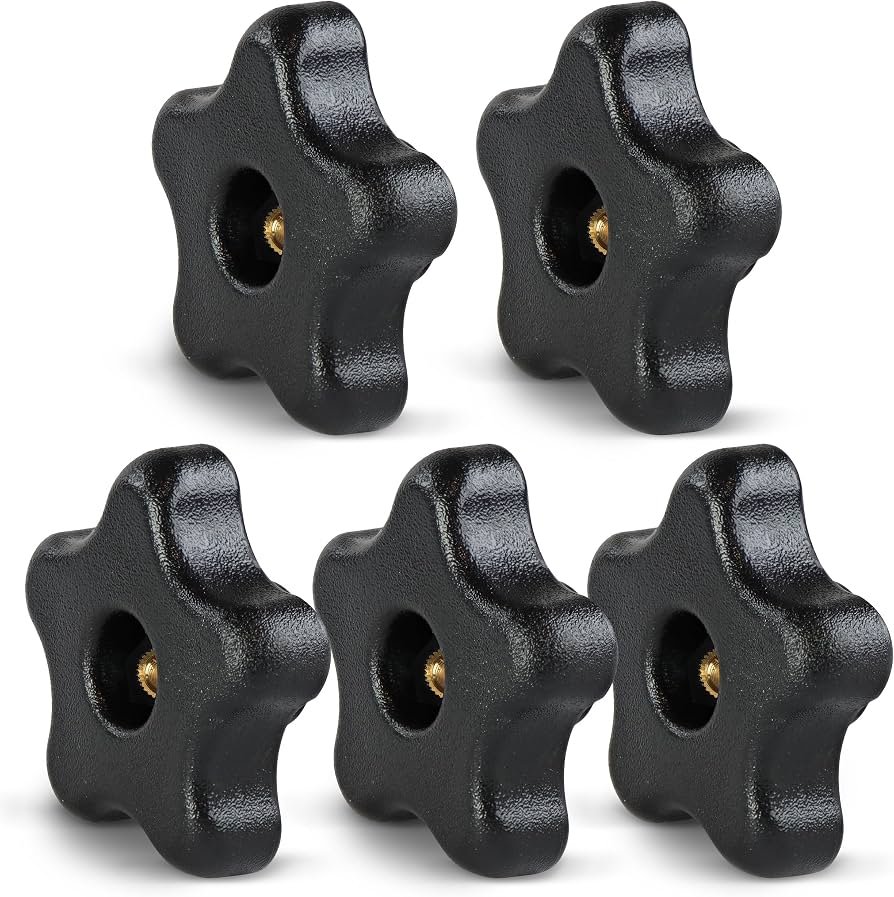
Modern equipment requires reliable adjustment components to maintain accuracy and operating efficiency. A plastic clamping knob provides a practical solution for machines that need frequent positioning changes and secure fixation. Designers select these components because they combine comfortable handling with stable mechanical performance. Industrial devices, testing equipment, and assembly systems often rely on compact adjustment parts. Proper knob selection can reduce operation difficulty and improve workflow consistency. Material quality, thread design, and ergonomic structure directly influence long-term performance. Manufacturers evaluate these factors carefully to create components that support different equipment requirements.
The Role of plastic clamping knob in Modern Equipment Design
Mechanical systems need dependable fastening parts that allow users to adjust settings quickly. A plastic clamping knob usually contains a molded plastic body and a threaded insert or shaft connection. The outer surface creates a comfortable grip during manual operation. Engineering plastics such as nylon, ABS, and polypropylene offer different advantages. Nylon delivers strong wear resistance, while ABS provides impact protection and smooth appearance. Polypropylene performs well in applications requiring chemical resistance. These material choices help equipment designers balance durability, cost, and user comfort. The internal structure also affects load capacity and repeated tightening performance.
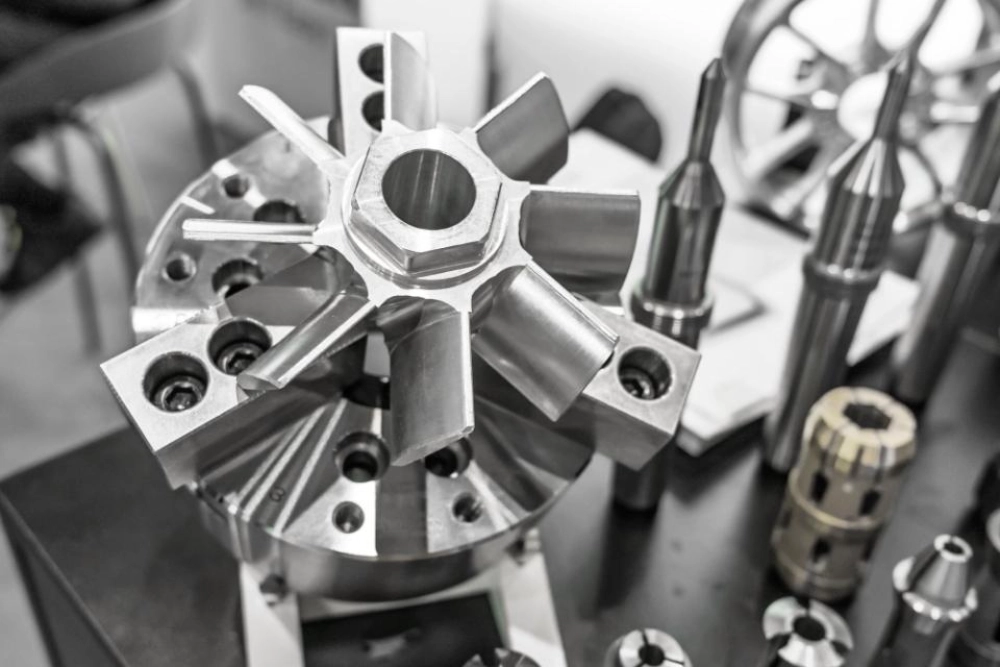
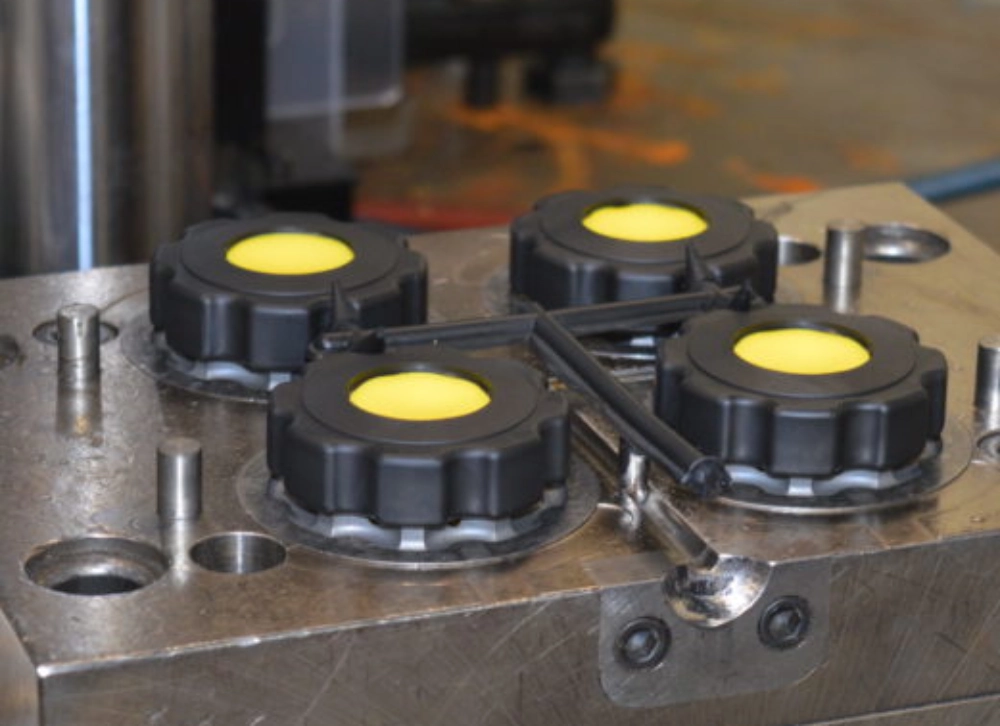
Manufacturing teams focus on precise dimensions when producing adjustment components for industrial equipment. Small differences in thread size or molding accuracy can influence installation results. Professional production processes include mold control, surface inspection, and mechanical testing. These steps ensure stable connections between knobs and equipment structures. A reliable component should maintain its shape after repeated operation cycles. The design must also prevent slipping during adjustment tasks. Surface patterns, finger grooves, and suitable diameter sizes improve handling efficiency. These details create better user experiences across different working environments.
Key Material Features Behind Reliable Clamping Performance
Engineering plastic selection determines how a component performs under different conditions. High-quality materials provide resistance against impact, moisture, and temperature changes. Nylon-based designs often support applications requiring higher mechanical strength. ABS materials create smooth surfaces and good dimensional stability. Polypropylene options work effectively in environments with chemical exposure. Material testing evaluates hardness, tensile strength, and environmental resistance. These evaluations help manufacturers select suitable materials for specific equipment. Proper material planning reduces replacement frequency and supports consistent machine operation.
| Material Type | Main Features | Common Applications |
|---|---|---|
| Nylon | High strength, wear resistance, good durability | Industrial machinery, fixtures, adjustment systems |
| ABS | Impact resistance, smooth finish, stable shape | Control panels, laboratory equipment |
| Polypropylene | Chemical resistance, lightweight structure | Special environments and equipment covers |
Material performance directly affects equipment reliability because operating conditions vary widely. A factory environment may require stronger resistance against vibration and repeated movement. Laboratory equipment may prioritize clean surfaces and precise adjustment. Outdoor devices may need better moisture resistance. Engineers compare these factors before selecting suitable components.
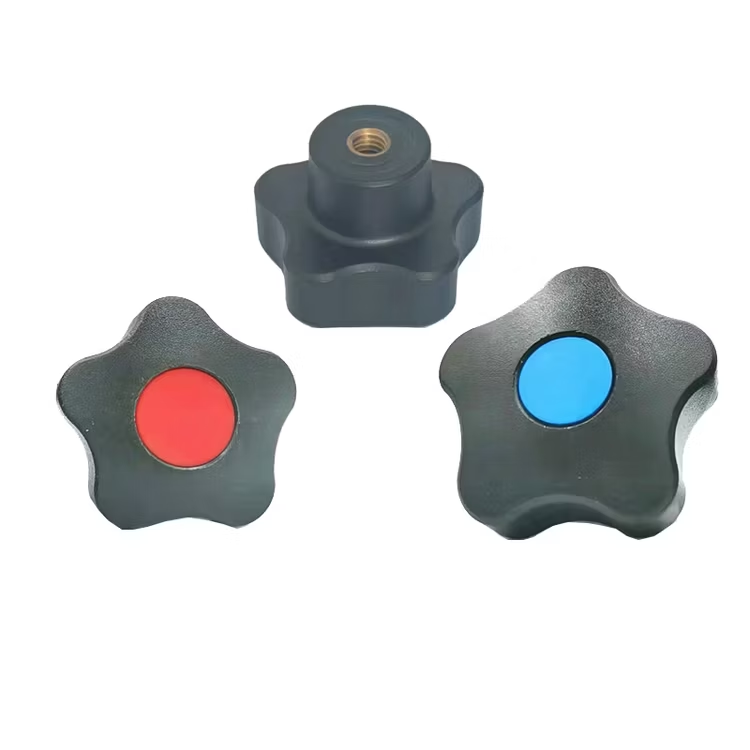
Metric clamping lobe knobs represent one design option that supports controlled manual adjustments. Their structured grip pattern improves handling precision. Different applications require different specifications, so component selection should match actual equipment demands.
How Does a plastic clamping knob Improve Equipment Adjustment Efficiency
Equipment operators often need fast adjustments during production or maintenance tasks. A plastic clamping knob helps users complete positioning changes without additional tools. The ergonomic shape reduces hand fatigue during repeated operations. A properly designed knob allows controlled tightening and loosening movements. This feature improves productivity in environments requiring frequent adjustments. Automation equipment, inspection systems, and assembly stations benefit from convenient manual controls. Efficient adjustment reduces unnecessary downtime and supports smoother workflows. The connection between user comfort and mechanical reliability makes these components valuable for many industries.
| Design Feature | Operational Benefit | Equipment Impact |
|---|---|---|
| Ergonomic Grip | Improves handling comfort | Reduces operator fatigue |
| Accurate Thread Matching | Creates stable fastening | Improves adjustment reliability |
| Durable Plastic Structure | Supports repeated usage | Extends component service life |
The data above shows why design details influence equipment performance. Operators expect adjustment parts to provide stable control during daily operations. Four lobe clamping star Knobs offer another structural approach with multiple gripping points. This design supports stronger manual force distribution during tightening processes. Different knob styles serve different mechanical requirements. Engineers should consider available space, operating frequency, and required force before choosing a suitable solution. Correct selection improves equipment usability and reduces maintenance challenges.
Structural Factors That Influence Clamping Stability
A component’s structure determines how effectively it maintains a fixed position. Important factors include thread accuracy, grip shape, diameter, and connection method. A larger knob may provide stronger manual force but require more installation space. Smaller designs support compact equipment where space is limited. Surface texture also affects control because smooth surfaces may reduce grip under certain conditions. Manufacturers create different patterns to improve operational stability. Internal metal inserts can increase durability for applications involving frequent tightening. Structural optimization ensures that components perform consistently throughout their service period.
Manufacturing Quality Standards for Industrial Clamping Components
Quality management plays an important role in industrial component production. Manufacturers check raw materials before molding processes begin. Dimensional inspections verify that each component meets required specifications. Thread testing confirms compatibility with matching screws and shafts. Load testing evaluates whether products maintain performance during repeated use. Professional suppliers also monitor production consistency through sampling procedures. These practices reduce quality risks and improve customer confidence. Reliable manufacturing systems help equipment producers maintain stable assembly processes.
Selecting the Right Clamping Solution for Different Equipment Applications
Choosing suitable components requires evaluation of working conditions and technical requirements. Buyers should review several factors before making purchasing decisions.
- Material strength and environmental resistance
- Thread size and installation compatibility
- Required adjustment frequency
- Equipment space limitations
- Custom design possibilities
Different industries have different expectations for adjustment components. Medical equipment often requires clean surfaces and precise operation. Industrial machines may prioritize durability and load capacity. Electronic devices usually need compact structures and attractive finishes. A supplier with customization capability can provide solutions that match specific applications. Proper evaluation prevents performance problems and improves equipment reliability.
Plastic Clamping Knob Customization Options for Professional Applications
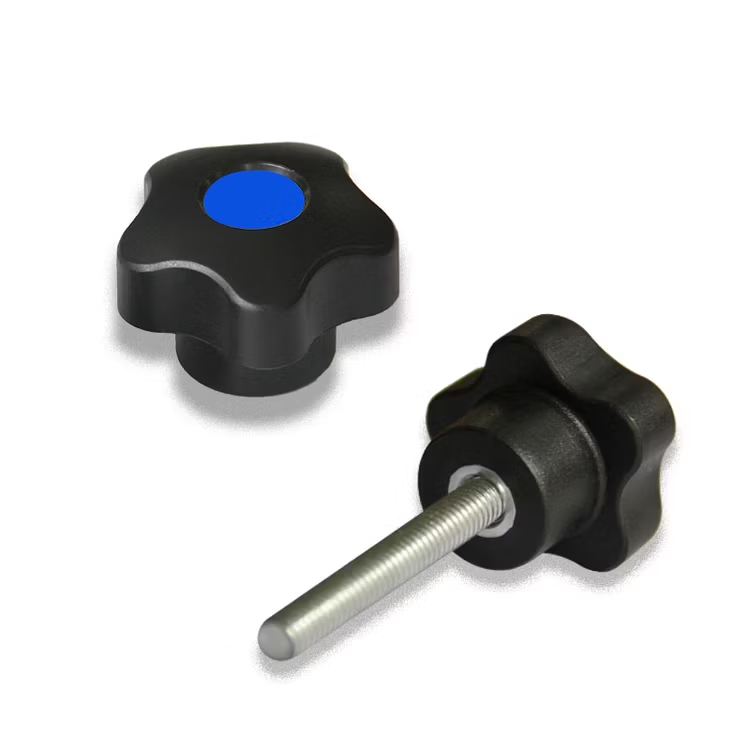
Customization allows equipment manufacturers to create components that match unique designs. Suppliers can modify dimensions, colors, materials, and connection structures according to project needs. OEM services often include logo marking and packaging solutions. Engineers may request special thread specifications for different assemblies. Color selection can support product identification and brand consistency. Customized components provide better integration with complete equipment systems. Professional production experience helps suppliers deliver consistent results across different orders.
Maintenance Considerations for Long-Term Equipment Performance
Regular inspection helps maintain adjustment component performance over time. Operators should check for surface damage, loose connections, and abnormal wear. Excessive force during operation may reduce service life. Suitable cleaning methods protect plastic surfaces from chemical damage. Equipment designers should also consider replacement accessibility during initial planning. Preventive maintenance reduces unexpected failures and supports continuous operation. Proper handling ensures that adjustment components continue providing reliable performance throughout equipment usage.
FAQ
What Materials Are Commonly Used for Plastic Clamping Knobs?
Manufacturers commonly use nylon, ABS, and polypropylene for these components. Nylon provides strong mechanical performance and excellent wear resistance. ABS offers good impact protection and stable dimensions for general equipment applications. Polypropylene delivers lightweight performance and resistance against many chemicals. Material selection depends on operating conditions, temperature requirements, and expected usage frequency. Engineers evaluate strength, flexibility, and environmental exposure before choosing suitable materials. High-quality material selection improves durability and supports reliable equipment operation. Professional suppliers usually provide different material options to meet various industrial requirements.
How Can a Plastic Clamping Knob Enhance Equipment Operation?
A plastic clamping knob improves equipment operation by making manual adjustments faster and more convenient. Its ergonomic structure allows users to apply controlled force without additional tools. The grip design helps operators maintain accurate positioning during repeated adjustments. Stable connections reduce unwanted movement and improve equipment consistency. These advantages are valuable in manufacturing systems, testing devices, and mechanical fixtures. A suitable design also lowers operator fatigue during long working periods. When combined with proper material selection and precise manufacturing, the component supports efficient equipment management and dependable daily performance.
What Factors Should Buyers Check Before Choosing a Clamping Knob?
Buyers should evaluate several technical factors before selecting a suitable component. Important considerations include material type, thread compatibility, installation space, and operating environment. The required tightening force also affects design selection. Products used in industrial conditions may need stronger materials and reinforced structures. Equipment manufacturers should check supplier capabilities, quality inspection methods, and customization options. A reliable supplier can provide technical recommendations based on application requirements. Careful evaluation helps prevent compatibility issues and improves the service life of adjustment systems.