Precision Components By Industry Drive Modern Industrial Manufacturing
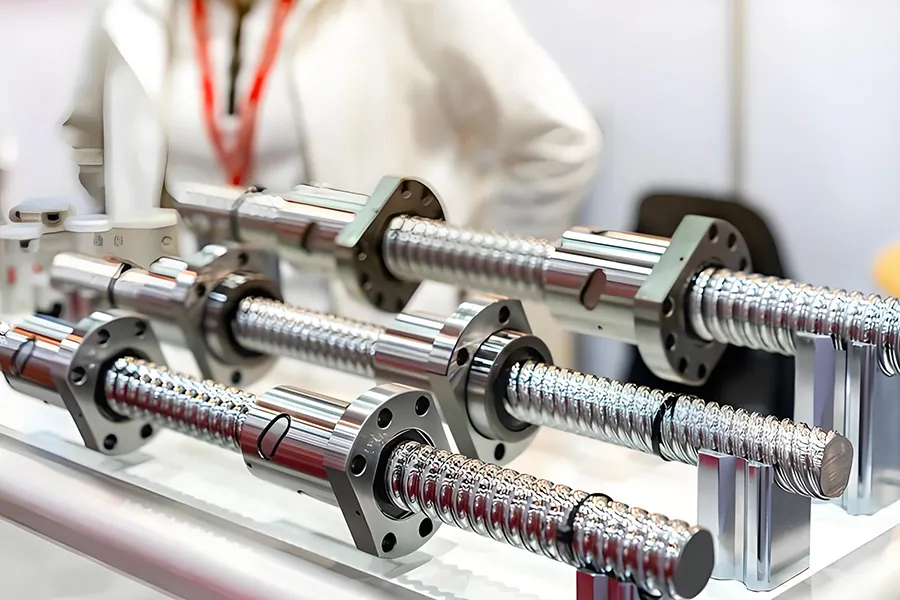
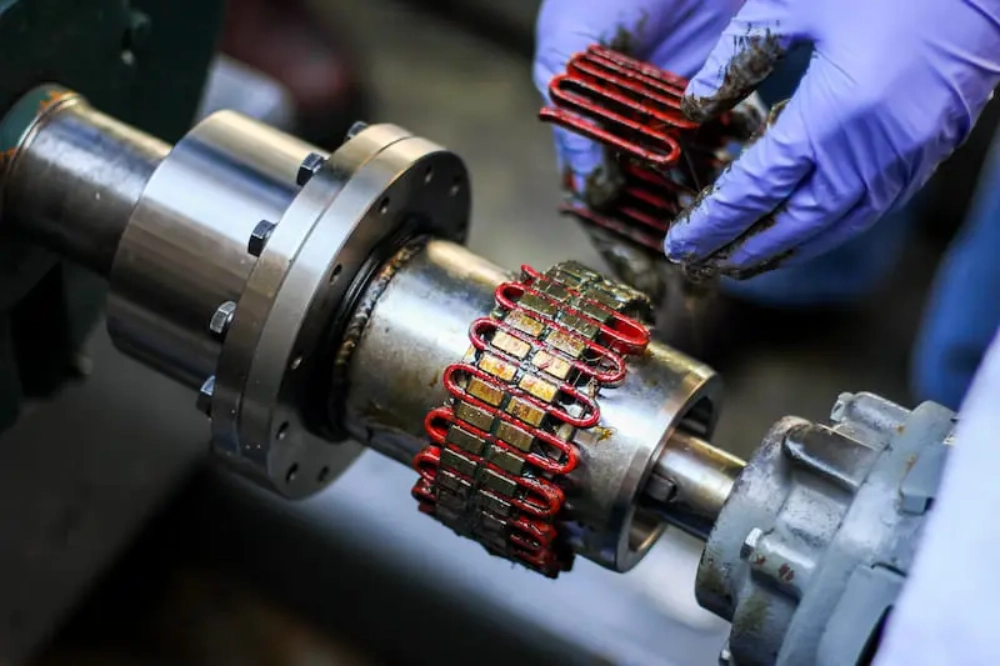
Modern manufacturing depends on components that deliver stable performance, consistent dimensions, and reliable operation. Precision components by industry play an essential role because different sectors require parts with strict accuracy levels and specialized characteristics. Automotive systems need durable mechanical elements, while medical devices require extremely precise structures for safe operation. Aerospace equipment demands lightweight parts with excellent strength, and electronic products require compact components with accurate dimensions. Manufacturers evaluate materials, machining processes, and inspection methods before selecting suitable component solutions. High-quality precision parts help companies reduce equipment failures, improve production efficiency, and maintain consistent product quality. Reliable component performance also supports long-term industrial development and strengthens supply chain stability across global markets.
Industrial Applications Require Specialized Precision Component Solutions
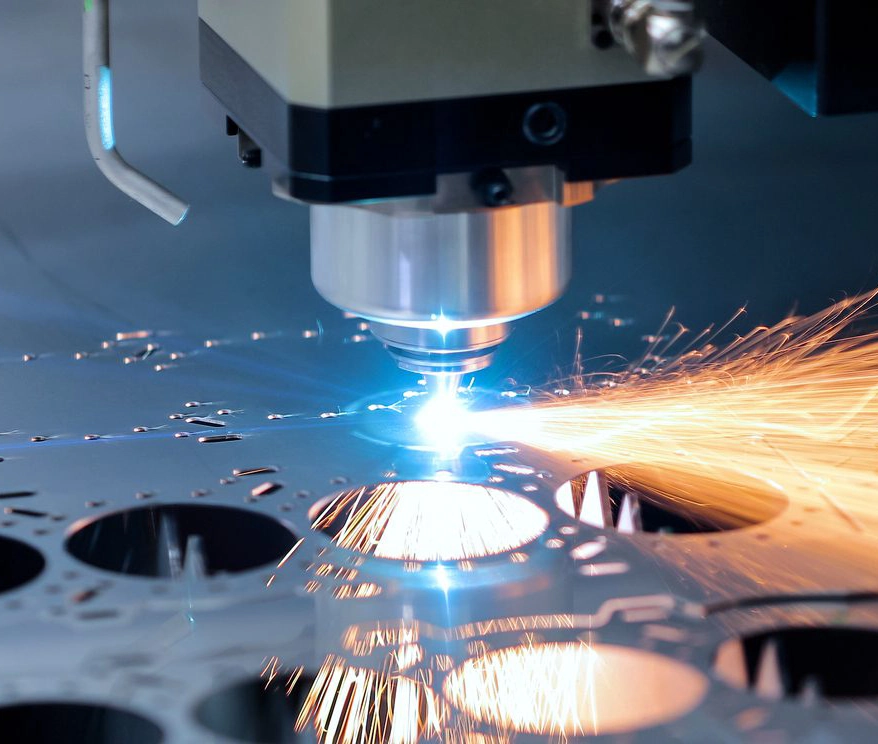
Different industries create unique requirements for component design, manufacturing methods, and quality verification. Engineers consider operating environments, mechanical stress, temperature conditions, and production volume before choosing suitable parts. Automotive manufacturers often require components that support repeated movement and high-speed operation. Aerospace companies focus on weight reduction, fatigue resistance, and strict dimensional control. Medical equipment producers prioritize cleanliness, biocompatibility, and manufacturing consistency. Electronics companies need miniature parts with accurate structures for complex assemblies. Each application depends on advanced manufacturing capabilities because even small dimensional variations can influence final product performance. Suppliers with strong engineering experience can provide customized solutions that match different industrial requirements.
| Industry | Common Components | Main Requirements | Application Benefits |
|---|---|---|---|
| Automotive | Transmission parts, engine components, mechanical fittings | High durability, dimensional accuracy, wear resistance | Improved vehicle reliability and operating efficiency |
| Aerospace | Structural parts, precision assemblies, lightweight components | Low weight, high strength, strict tolerance control | Enhanced safety and flight performance |
| Medical | Surgical parts, equipment components, device housings | Clean processing, surface quality, material stability | Reliable medical equipment operation |
| Electronics | Small mechanical parts, connectors, housings | Miniaturization, accuracy, consistent production | Better product integration and reliability |
How Precision Components By Industry Improve Product Performance
Industrial products require more than basic mechanical structures. They need components that maintain accuracy throughout long operating periods. Precision components by industry improve product performance by controlling critical factors such as dimensional tolerance, surface finish, and material characteristics. Tight tolerances allow assembled parts to work smoothly without unnecessary friction or alignment problems. High-quality surface finishing reduces wear and improves component lifespan. Proper material selection helps parts resist corrosion, heat, pressure, or repeated mechanical stress. Engineers also analyze component compatibility during product development because mismatched parts can create operational issues. Manufacturers that combine advanced machining technology with professional inspection processes help customers achieve dependable results in demanding environments.
Manufacturing Accuracy Defines High Quality Component Production
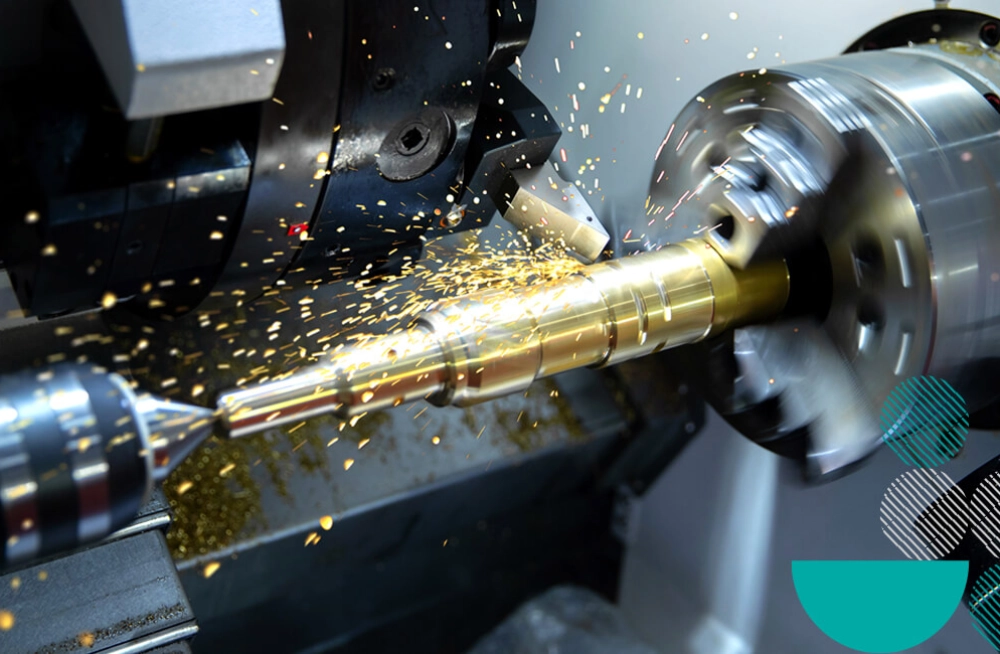
Advanced production methods determine whether components can meet strict industrial requirements. Modern manufacturers use CNC machining, automated systems, and precision inspection equipment to maintain consistent quality during production. Processes such as turning, milling, grinding, and electrical discharge machining allow manufacturers to create complex geometries with high accuracy. Quality teams evaluate dimensions, surface conditions, and material properties through professional testing procedures. Precision milled components support industries requiring detailed structures and stable mechanical performance. These parts often appear in automation equipment, industrial machinery, and specialized assemblies where accuracy directly affects operation. Strong manufacturing control reduces production variation and helps companies maintain reliable product standards across different markets.
Key Factors That Influence Component Supplier Selection
Industrial buyers evaluate multiple factors before cooperating with a component supplier. A reliable supplier needs strong production capability, quality management systems, and technical communication skills. Companies usually review manufacturing experience, inspection methods, and customization support before making purchasing decisions.
Important supplier evaluation factors include:
- Manufacturing equipment capability and production capacity
- Quality control procedures and inspection technology
- Material certification and traceability management
- Custom design support and engineering cooperation
- Stable delivery performance for continuous projects
These factors help purchasing teams identify suppliers that can support long-term production needs. Consistent manufacturing performance reduces unexpected delays and improves project management efficiency. Suppliers with professional technical teams can also assist customers during design optimization, material selection, and production improvement stages. A complete service approach creates stronger cooperation between manufacturers and industrial buyers.
Precision Components Support Supply Chain Reliability Across Markets
Reliable supply chains require consistent component quality, predictable production schedules, and effective communication between suppliers and customers. Precision components by industry contribute to supply chain stability because they reduce assembly problems and improve manufacturing consistency. When suppliers maintain strict process control, customers can reduce inspection workload and avoid production interruptions. Accurate components also help manufacturers achieve smoother assembly operations because each part meets required specifications. Global industries increasingly depend on suppliers that can provide repeatable production results, especially for large-volume projects. Companies selecting component partners should consider technical expertise, manufacturing flexibility, and quality management capabilities. Strong cooperation between suppliers and buyers creates a more efficient production network and supports continuous industrial growth.
Advanced Technologies Behind Modern Component Manufacturing
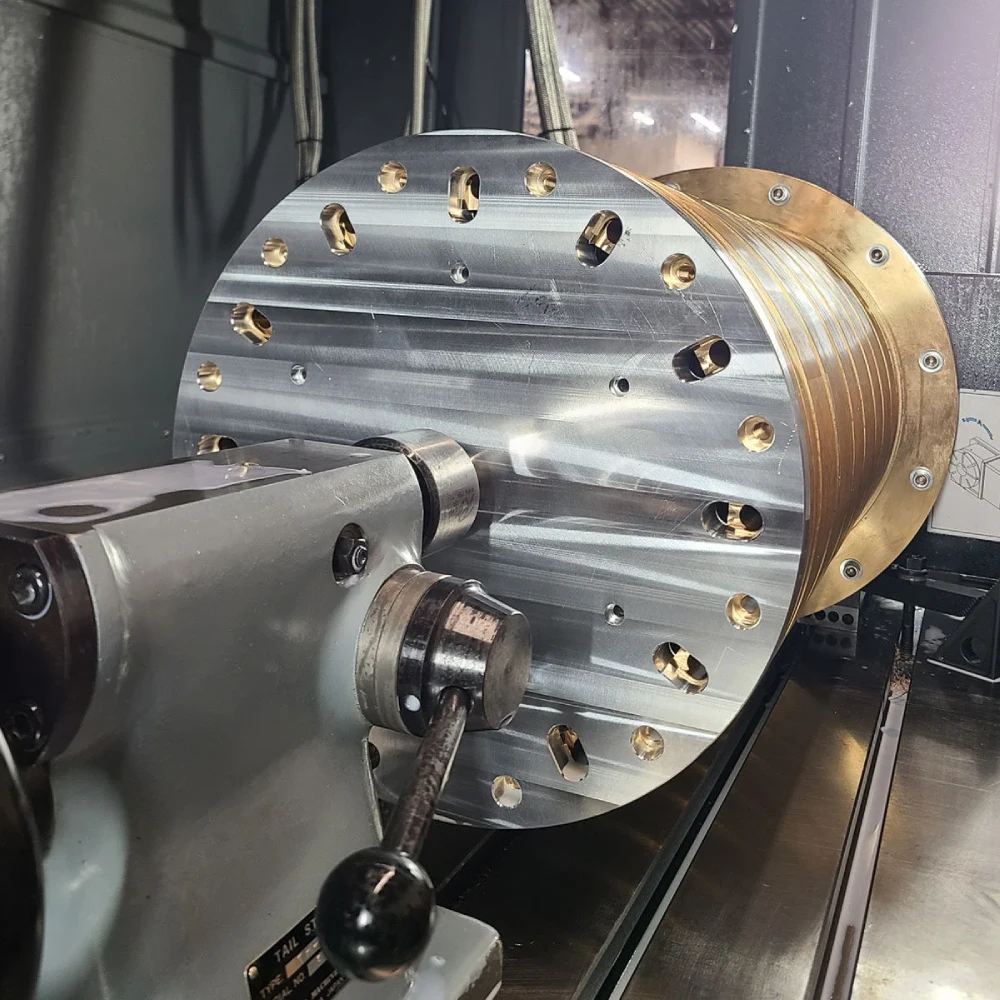
Advanced manufacturing technologies allow companies to produce complex parts with higher accuracy and improved consistency. CNC machining has become a core process because it enables automated cutting operations based on digital design data. Five-axis machining provides additional flexibility by moving cutting tools across multiple directions, which helps create complex shapes with fewer setups. Precision grinding improves surface smoothness and dimensional accuracy for parts requiring extremely close specifications. Automated inspection systems also improve production reliability by measuring components during different manufacturing stages. Precision machined components support applications that require stable performance, including industrial equipment, automation systems, and specialized machinery. These technologies help manufacturers meet strict requirements while improving efficiency, reducing waste, and maintaining consistent production quality.
Material Selection Determines Component Performance And Durability
Material selection directly affects component strength, lifespan, and application suitability. Engineers choose materials according to mechanical loads, environmental conditions, and operational requirements. Stainless steel is widely used because it provides corrosion resistance and strong mechanical performance. Aluminum alloys offer lightweight structures with good machining characteristics, making them suitable for transportation and aerospace applications. Titanium alloys deliver excellent strength-to-weight ratios and perform well in demanding environments. Engineering plastics provide electrical insulation and chemical resistance for specialized applications. The correct material choice helps manufacturers balance performance, cost, and production efficiency. Professional suppliers evaluate material properties before production to ensure components achieve expected results. Proper material management also supports traceability and quality control throughout the manufacturing process.
| Material Type | Main Characteristics | Typical Applications | Key Advantages |
|---|---|---|---|
| Stainless Steel | Corrosion resistance, strength, durability | Medical equipment, industrial machinery, automotive parts | Long service life and stable performance |
| Aluminum Alloy | Lightweight, good machinability, thermal conductivity | Aerospace structures, electronic housings, transportation parts | Reduced weight and efficient processing |
| Titanium Alloy | High strength, heat resistance, low density | Aerospace systems, medical devices, advanced equipment | Excellent strength-to-weight performance |
| Engineering Plastic | Insulation, chemical resistance, flexibility | Electronic components, protective covers, industrial parts | Specialized functional performance |
Quality Standards Ensure Reliable Industrial Component Production
Quality management systems help manufacturers maintain stable production results across different industries. Professional suppliers use inspection procedures to verify dimensions, surface quality, and material characteristics. Coordinate Measuring Machines (CMM) provide accurate three-dimensional measurements for complex components. Production teams also perform first article inspections to confirm that initial samples match engineering drawings and specifications. ISO-based quality systems support process control, documentation management, and continuous improvement. These practices reduce manufacturing risks and improve customer confidence. Companies purchasing industrial components often require suppliers to provide inspection records, material certificates, and production information. Strong quality systems create transparent cooperation and help customers achieve consistent results during long-term projects.
Global Industry Trends Increase Demand For High Precision Manufacturing
Industrial markets continue to develop toward automation, digital production, and smarter manufacturing systems. Companies increasingly require components that support advanced equipment, intelligent machines, and efficient production lines. Digital design tools allow engineers to optimize structures before manufacturing begins.
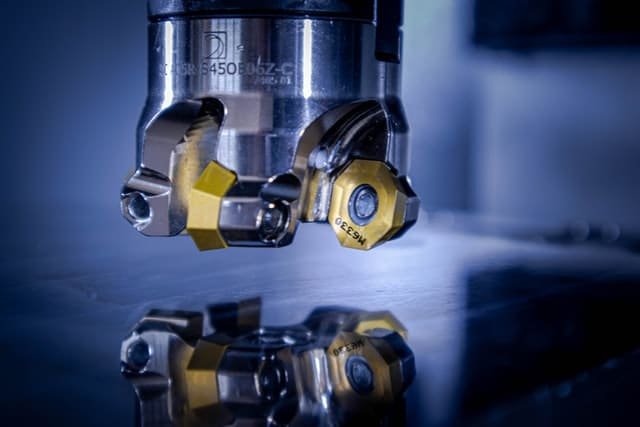
Automated production systems improve repeatability and reduce human errors during complex operations. Data-based quality monitoring helps manufacturers identify potential issues earlier and maintain stable output. The demand for customized solutions is also increasing because different industries require unique component specifications. Suppliers with advanced technology, experienced engineers, and flexible production capabilities can better support changing market requirements. Future industrial development will continue to depend on accurate manufacturing processes and reliable component solutions.
Choosing The Right Supplier For Long Term Industrial Success
Selecting a suitable supplier requires careful evaluation of technical ability, quality performance, and communication efficiency. Industrial buyers should review supplier experience, manufacturing resources, and previous project performance before cooperation. A capable supplier should provide clear technical support from design review to final production. Effective communication helps prevent specification misunderstandings and improves project efficiency. Companies should also evaluate production capacity because stable output is important for continuous supply requirements. Reliable suppliers maintain detailed quality records and follow controlled manufacturing procedures. They also provide flexible support for customized orders and different production volumes. A professional partnership allows companies to improve product reliability, control manufacturing costs, and strengthen their competitive position in global markets.
Why Are Precision Components Important By Industry For Future Manufacturing?
Future manufacturing will require higher accuracy, stronger customization capabilities, and improved production efficiency. Precision components by industry will remain important because modern equipment continues to become more complex and specialized. Renewable energy systems, robotics, electric vehicles, and advanced medical technologies all require dependable mechanical solutions. Manufacturers must combine material expertise, digital technology, and strict quality control to satisfy these evolving requirements. Companies that invest in reliable component suppliers can improve product development speed and reduce operational risks. Advanced manufacturing networks will depend on suppliers that provide consistent quality, technical knowledge, and responsive service. As industrial competition increases, accurate components will continue supporting innovation across global markets.
FAQ
What Industries Commonly Use Precision Components?
Precision components are widely used across automotive, aerospace, medical, electronics, energy, and industrial automation sectors. Each industry requires different specifications because operating environments and product functions vary significantly. Automotive companies need durable parts that can handle repeated movement and mechanical stress.

Aerospace manufacturers focus on lightweight structures with high strength and strict accuracy. Medical equipment producers require clean manufacturing processes and reliable performance. Electronics companies need compact components with precise dimensions for complex assemblies. The selection process usually considers material properties, production technology, quality standards, and application requirements. Reliable suppliers help companies receive components that match their technical expectations and support stable product performance.
Why Are Precision Components Important For Industrial Equipment?
Industrial equipment depends on accurate components because small dimensional errors can affect machine operation, efficiency, and service life. High-quality parts improve assembly accuracy, reduce mechanical friction, and support stable performance during continuous operation. Manufacturers use advanced machining and inspection methods to maintain consistent specifications. Proper material selection also helps components resist pressure, heat, corrosion, and repeated stress. Reliable components can reduce maintenance requirements because equipment experiences fewer failures caused by poor fitting or inconsistent production quality. Industrial companies often prioritize suppliers that provide strong quality control, technical support, and dependable delivery. These factors help businesses maintain efficient operations and improve overall production reliability.
How Do Companies Choose Reliable Precision Component Suppliers?
Companies usually evaluate suppliers through manufacturing capability, quality systems, technical expertise, and production consistency. A reliable supplier should have advanced equipment, experienced engineers, and professional inspection procedures. Buyers often review material management methods, certification documents, and previous project records before establishing cooperation. Clear communication is also essential because suppliers must accurately interpret design requirements and provide effective manufacturing solutions. Flexible production capacity enables suppliers to handle different order volumes and customized specifications. Companies should also assess delivery performance because stable supply directly influences manufacturing schedules. A strong supplier partnership helps businesses reduce production risks, enhance product quality, and achieve sustainable operational goals.