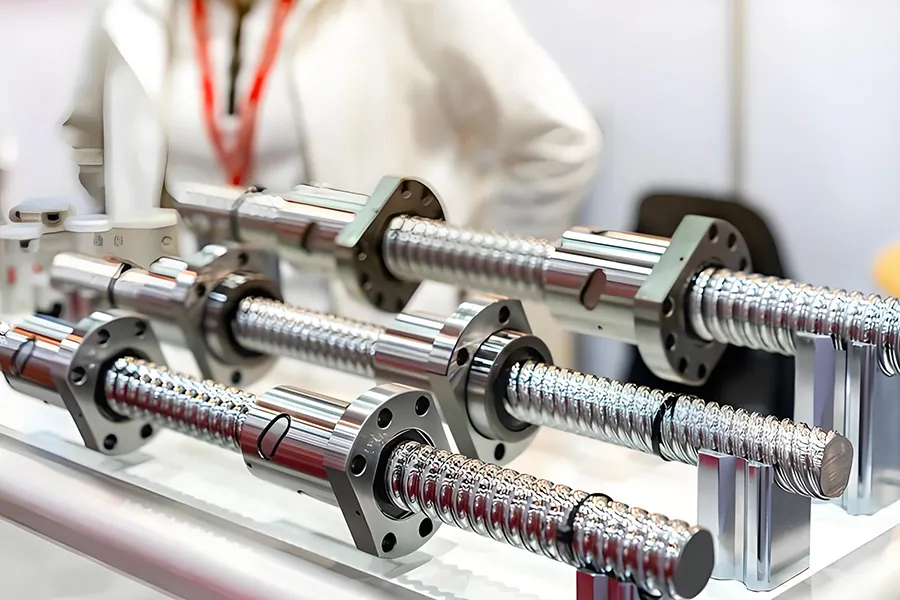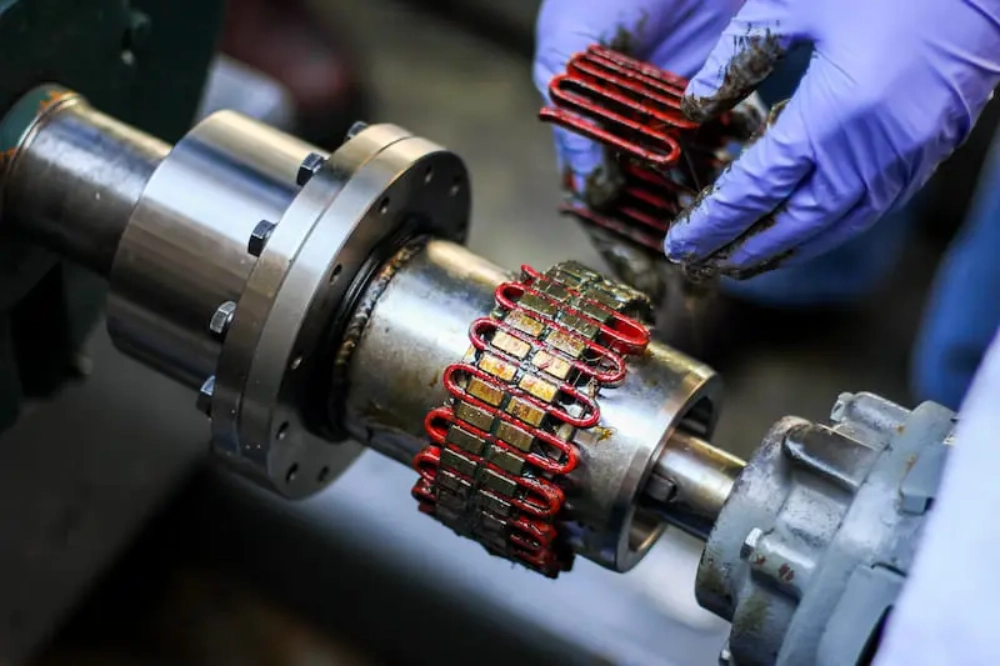
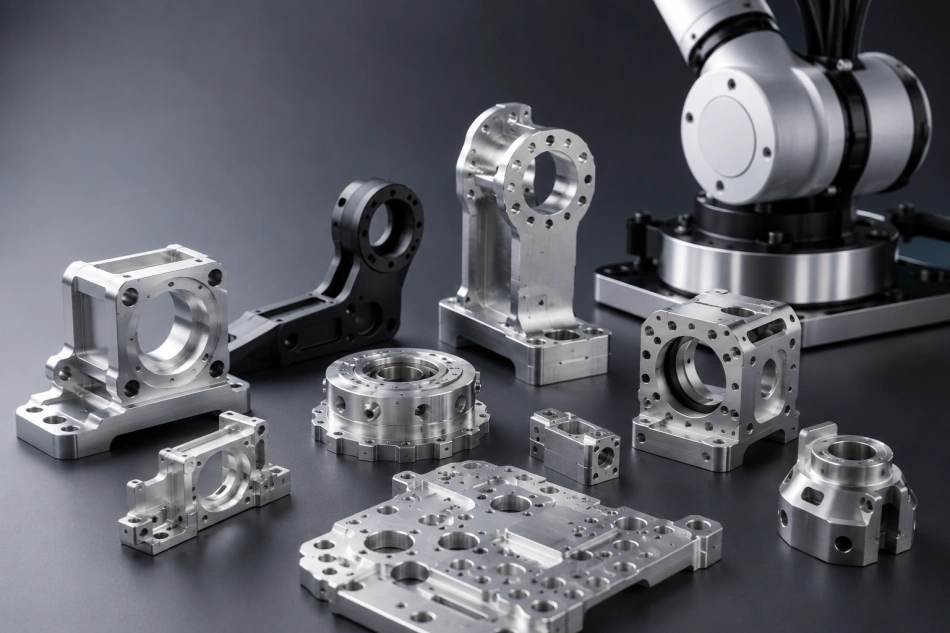
Modern factories rely on advanced manufacturing solutions to achieve stable production performance and higher operational efficiency. Automation robotics cnc parts combine robotic technology with precision machining methods to support complex industrial processes. These components include structural frames, motion elements, connection assemblies, and customized mechanical parts. CNC machining creates accurate geometries with strict dimensional control, which helps robotic equipment maintain repeatable movements. Manufacturers use advanced machining centers, inspection systems, and engineering expertise to produce reliable components. Industrial buyers usually evaluate material quality, production capability, and supplier experience before cooperation. High-quality CNC components reduce maintenance demands and improve equipment durability. The combination of robotics and precision manufacturing has become essential for modern automated production environments.
Automation Robotics CNC Parts Support Robotic System Performance
Robotic systems depend on carefully designed mechanical components to achieve accurate movement and continuous operation. Automation robotics cnc parts include robotic joints, mounting brackets, shafts, housings, and end-effector connection elements. Each component requires precise dimensions because small deviations may affect positioning accuracy and machine performance. Engineers consider factors such as load capacity, movement speed, operating environment, and service requirements during product development. CNC machining allows manufacturers to create complex structures while maintaining stable production quality. Robotic arms in automotive, electronics, and packaging industries rely on these components for repetitive tasks. Suitable materials and advanced machining processes improve strength, reduce vibration, and extend equipment service life. Professional suppliers support customized designs by combining engineering knowledge with modern manufacturing capabilities.
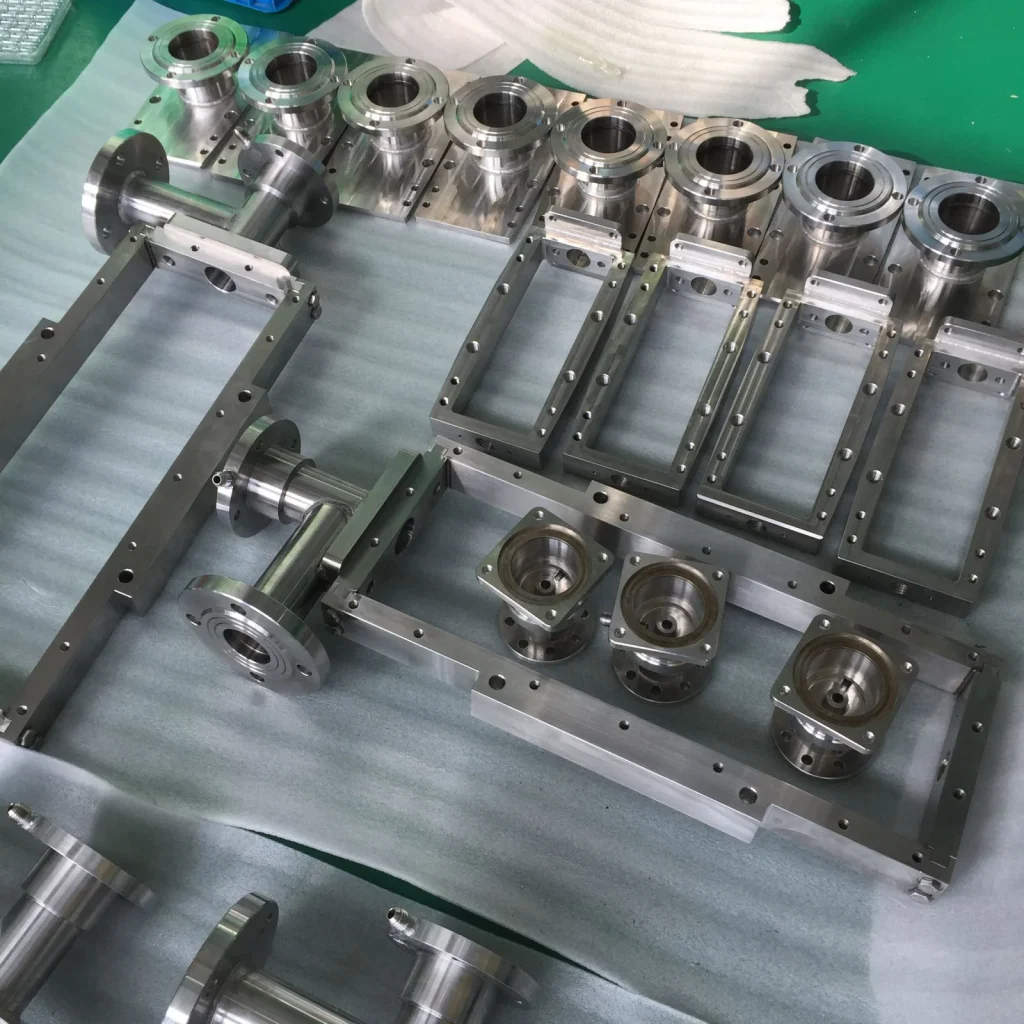
Precision Manufacturing Requirements For CNC Robotic Components
Industrial automation requires strict manufacturing control because robotic equipment often operates continuously under demanding conditions. Precision machined components improve mechanical reliability by maintaining accurate dimensions and stable performance during long-term use. Manufacturers apply processes such as multi-axis machining, surface finishing, and detailed inspection procedures. Dimensional accuracy, surface roughness, and material consistency directly influence component functionality. Quality teams often use coordinate measuring machines, digital inspection equipment, and process monitoring systems to verify production results. These methods help identify possible defects before final assembly. Industrial buyers usually examine supplier capabilities through quality records, engineering support, and manufacturing experience. Strong production management creates dependable components that support efficient automation systems across different industrial applications.
Applications Across Different Industrial Automation Fields
Automation technology continues expanding because companies require faster production, improved accuracy, and reduced operational costs. Different industries use customized mechanical components according to specific application requirements. Automotive manufacturers apply robotic systems for welding, assembly, painting, and inspection operations. Electronics companies need compact and precise components for automated production equipment. Medical industries use robotic devices that require stable and reliable mechanical structures. Logistics facilities depend on automated platforms for sorting, transportation, and warehouse management. Each application has different requirements related to material selection, component size, and operating conditions. Suppliers with flexible machining capabilities can provide suitable solutions for various industries. Professional manufacturing support helps companies optimize equipment performance and improve production efficiency.
How Automation Robotics CNC Parts Enhance Production Efficiency
Production efficiency depends on equipment stability, operating speed, and reduced downtime. Automation robotics cnc parts help companies improve manufacturing performance through accurate movement control and durable mechanical structures. Properly designed components reduce alignment problems, vibration, and unnecessary maintenance requirements. CNC manufacturing provides consistent quality, which allows robotic systems to maintain reliable operation across large production volumes. Businesses can achieve better productivity by integrating durable components into automated production lines. Customized machining solutions also allow manufacturers to improve existing equipment designs. Advanced production technology enables suppliers to create parts that match different machine requirements. This flexibility supports changing production demands and helps companies build more efficient manufacturing systems.
Material Selection And Machining Processes For Robotic Components
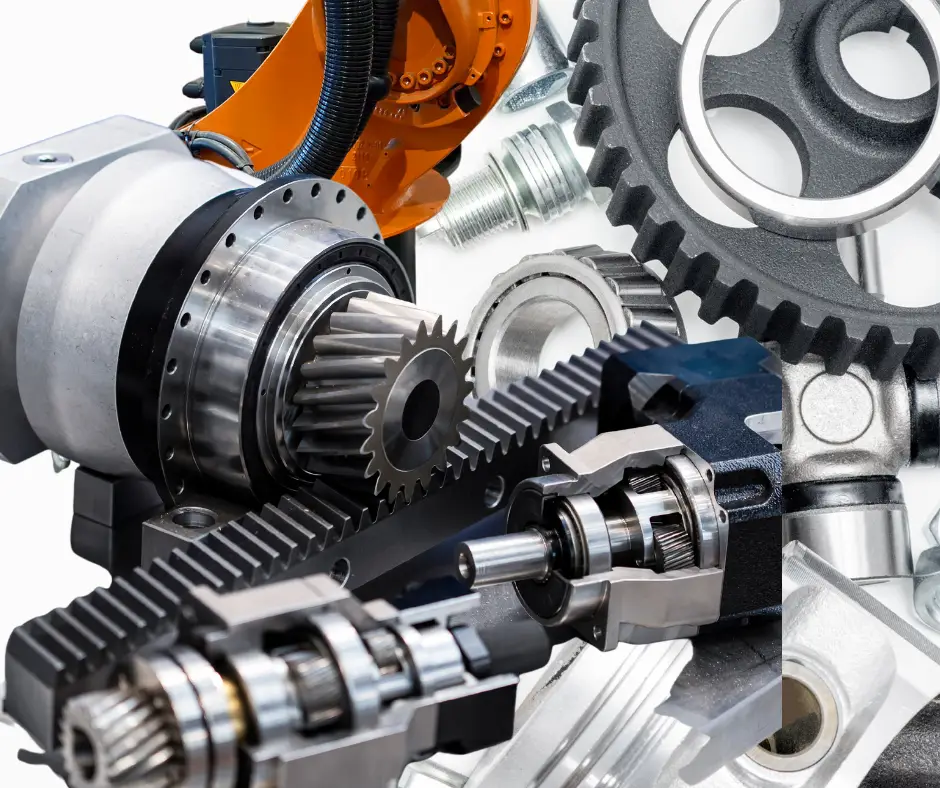
Material selection directly affects the durability, weight, and performance of robotic equipment. Engineers choose materials according to mechanical stress, environmental conditions, and application requirements. Aluminum alloys are commonly used because they provide lightweight structures with strong corrosion resistance. Stainless steel offers excellent hardness and durability for demanding industrial environments. Engineering plastics can reduce friction and provide electrical insulation in specific applications. Precision CNC machined parts require suitable machining processes to achieve accurate dimensions and smooth surfaces. Common methods include CNC milling, turning, drilling, and five-axis machining. Five-axis equipment allows manufacturers to produce complex geometries with fewer setups. This improves production efficiency while maintaining strict accuracy standards for advanced automation systems.
Quality Control Standards For Reliable CNC Automation Parts
Reliable quality management ensures that industrial components meet performance expectations during long-term operation. Manufacturers apply multiple inspection methods throughout the production process to verify accuracy and consistency. Material testing confirms that raw materials meet required specifications before machining begins. Process monitoring helps maintain stable machining conditions during production. Final inspections usually include dimensional measurement, surface analysis, and functional verification. Many industrial buyers evaluate suppliers through inspection reports, quality systems, and manufacturing experience. A professional supplier should maintain clear production records and repeatable processes. These practices reduce production risks and support stable equipment operation. Strong quality control also helps companies achieve consistent results when ordering customized robotic components for different automation projects.
| Component Type | Common Material | Main Application | Key Performance Requirement |
|---|---|---|---|
| Robot Joint Housing | Aluminum Alloy | Robotic arm movement systems | Lightweight structure and dimensional accuracy |
| Transmission Shaft | Stainless Steel | Motion control assemblies | High strength and wear resistance |
| Mounting Bracket | Aluminum or Steel | Equipment installation systems | Stable support and precise alignment |
| End Effector Adapter | Engineering Plastic or Metal | Automated handling equipment | Flexible design and reliable connection |
Selecting suitable components requires careful evaluation because each automation system has different operating conditions. Lightweight materials improve robotic speed, while stronger materials support heavier workloads. Engineers balance performance, cost, and durability when choosing materials and machining methods. Advanced CNC equipment helps manufacturers create complex parts with consistent accuracy. Suppliers with engineering experience can recommend suitable solutions based on application requirements. This approach allows companies to develop reliable automation systems with longer service periods and improved production efficiency. Proper component planning also reduces future maintenance challenges because each part matches the operational needs of the equipment.
Key Factors When Choosing CNC Parts Suppliers
Selecting a reliable supplier requires more than comparing production costs. Industrial buyers need partners with technical expertise, stable manufacturing capacity, and strong communication abilities. A professional supplier should provide engineering support from design evaluation to final production. Important evaluation factors include:
- Advanced CNC machining equipment for complex component manufacturing.
- Professional inspection systems for dimensional verification.
- Experience with customized automation equipment projects.
- Stable production scheduling and delivery management.
- Technical communication ability for design improvements.
Supplier evaluation helps companies reduce potential risks during automation projects. Experienced manufacturers provide consistent production support and respond effectively to changing technical requirements. Strong cooperation improves project efficiency because suppliers can better recognize equipment functions and performance expectations. Long-term partnerships also encourage continuous improvement through optimized designs and manufacturing processes.
Comparison Of Common Automation CNC Components
Different automated systems require different component structures based on movement patterns, loading conditions, and working environments. The following comparison shows common CNC component categories and their industrial applications.
| Component Category | Industrial Usage | Machining Requirement | Typical Benefit |
|---|---|---|---|
| Structural Frames | Robot platforms and production equipment | Large-size precision machining | Improved stability and equipment support |
| Rotating Components | Servo systems and mechanical drives | High tolerance turning processes | Smooth movement and reduced vibration |
| Connection Parts | Assembly fixtures and robotic tools | Complex CNC milling | Accurate installation and flexible design |
| Custom Mechanical Parts | Special automation machines | Multi-axis machining processes | Customized solutions for unique applications |
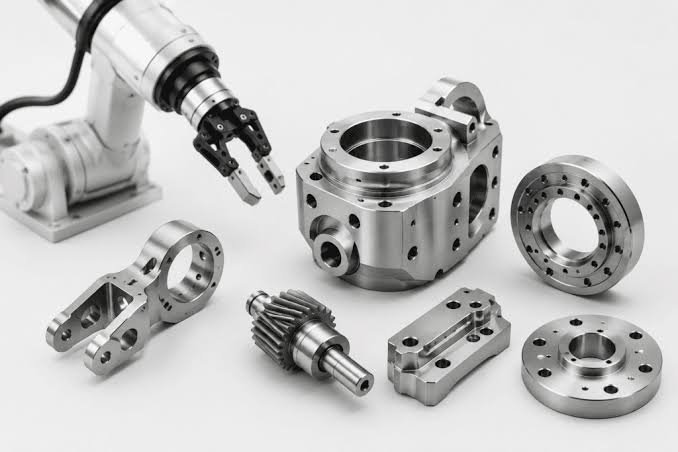
Automation equipment designers analyze component functions before selecting manufacturing solutions. Different parts require different levels of strength, precision, and surface treatment. Companies using customized components can improve machine compatibility and production efficiency. Advanced suppliers combine engineering knowledge with modern machining technology to support various industrial requirements. Careful planning also reduces future maintenance issues because each component matches the expected operating environment. This method creates stronger automation systems and supports continuous manufacturing development.
Future Development Trends Of Robotic CNC Manufacturing
The future of robotic manufacturing will focus on higher precision, faster customization, and smarter production management. Industrial companies increasingly require advanced components that support intelligent factories and automated workflows.Automation robotics cnc parts will continue developing through improvements in machining technology, digital monitoring, and flexible production systems. Modern CNC equipment uses automated software to optimize manufacturing processes and reduce human errors. Artificial intelligence helps manufacturers analyze production data and improve machining efficiency. Suppliers are investing in advanced equipment to meet complex design requirements. These trends create new opportunities for customized automation solutions. Companies that prioritize technical capability and quality management can provide stronger support for future industrial development.
Reliable Manufacturing Supports Long-Term Automation Projects
Industrial buyers require dependable manufacturing partners because automation equipment directly affects production performance. Consistent component quality reduces unexpected downtime and improves operational stability. Suppliers with advanced facilities, skilled engineers, and strict inspection systems can provide stronger production support. Many companies evaluate partners based on technical expertise, customization capability, and delivery reliability. Professional manufacturers also assist with design optimization and material selection during development stages. Reliable production methods help maintain consistent performance across different equipment models. Choosing suitable suppliers creates advantages in efficiency, maintenance management, and future expansion. A strong manufacturing partnership supports continuous improvement and helps companies achieve better automation results.
FAQ
What Industries Use Automation Robotics CNC Parts Most Frequently?
Automation robotics cnc parts are widely used in industries that require accurate movement, repeatable operations, and stable production performance. Automotive manufacturers apply these components in welding robots, assembly equipment, and inspection systems. Electronics companies use them for precision production machines that require strict dimensional control. Medical equipment manufacturers depend on customized components for robotic assistance systems and laboratory automation. Logistics businesses also require durable mechanical parts for sorting and transportation platforms. These industries select CNC components because they provide high accuracy, flexible customization, and reliable operation. Professional machining support helps companies maintain efficient production processes and improve equipment performance.
How Do CNC Parts Improve Robotic System Reliability?
CNC components improve robotic reliability by providing accurate dimensions, strong structures, and consistent mechanical performance. Robotic systems require precise movement, so small manufacturing errors may influence positioning accuracy and operational stability. High-quality machining ensures that joints, shafts, brackets, and connection components fit correctly during assembly. Suitable material selection improves resistance against wear, vibration, and environmental stress. Manufacturers use inspection procedures to verify component quality before delivery. These methods reduce maintenance frequency and extend equipment service life. Reliable CNC manufacturing allows automated systems to operate continuously while maintaining stable production results. This makes precision machining an important foundation for modern industrial robotics.
What Should Buyers Check Before Ordering Custom CNC Components?
Buyers should evaluate several important factors before ordering customized CNC components. Manufacturing capability is essential because suppliers need suitable equipment and technical experience for complex designs. Quality management systems show whether manufacturers can maintain consistent production standards. Material selection, machining processes, inspection methods, and delivery schedules also require careful evaluation. Companies should review engineering communication ability because design changes often require professional support. Previous project experience can provide valuable information about supplier reliability. A qualified manufacturer should provide clear production procedures and effective problem-solving methods. Careful supplier evaluation helps buyers reduce project risks and achieve better results for automation equipment development.