Introduction to 5 Axis CNC Machining and Its Role in Modern Manufacturing
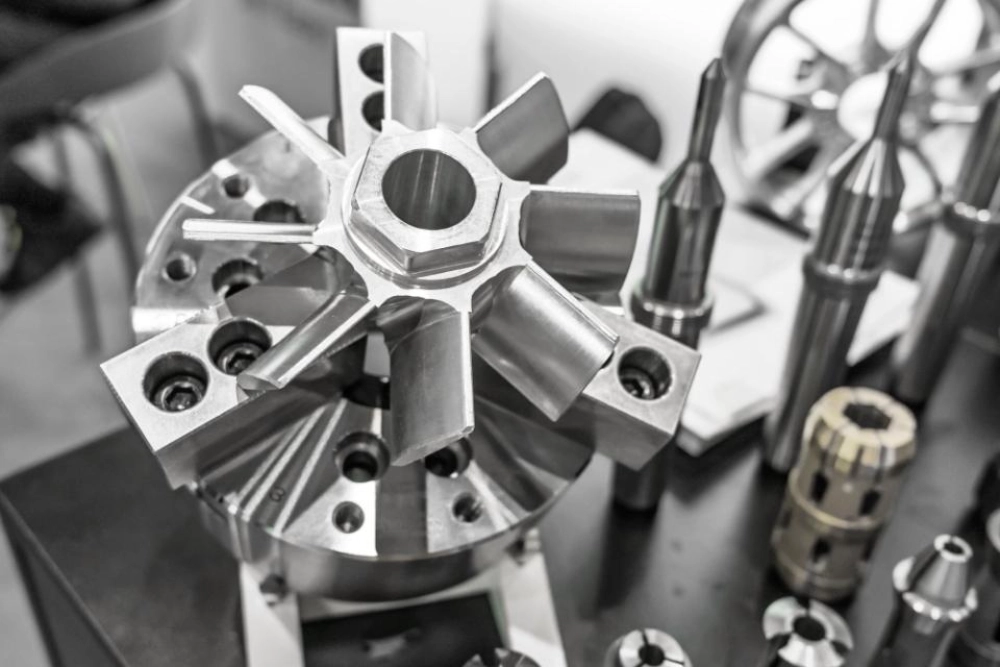
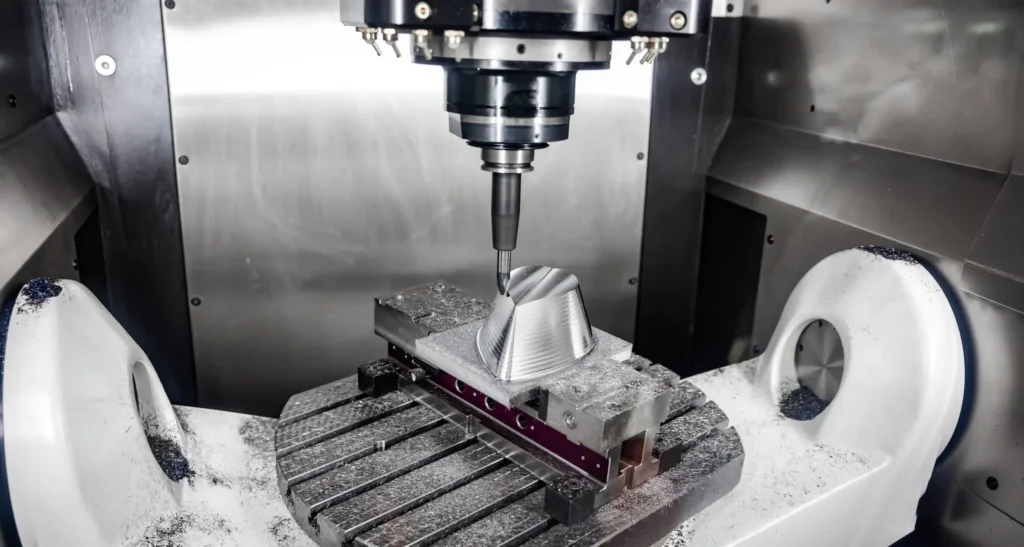
5 axis cnc machining has transformed how manufacturers create complex parts across demanding industries. This advanced method allows cutting tools to move along five axes simultaneously. Such flexibility enables precise shaping of intricate geometries in a single setup. Traditional machining methods often require multiple repositioning steps for similar results. That approach increases errors and wastes valuable production time. Modern manufacturers prefer streamlined processes that improve both quality and efficiency. Engineers rely on 5 axis cnc machining to achieve tight tolerances with fewer adjustments. Complex aerospace and medical components benefit significantly from this capability. Production teams also gain improved consistency across batches. As industries demand higher precision, advanced machining solutions continue to dominate modern manufacturing workflows.
Key Advantages of 5 Axis CNC Machining for Complex Parts
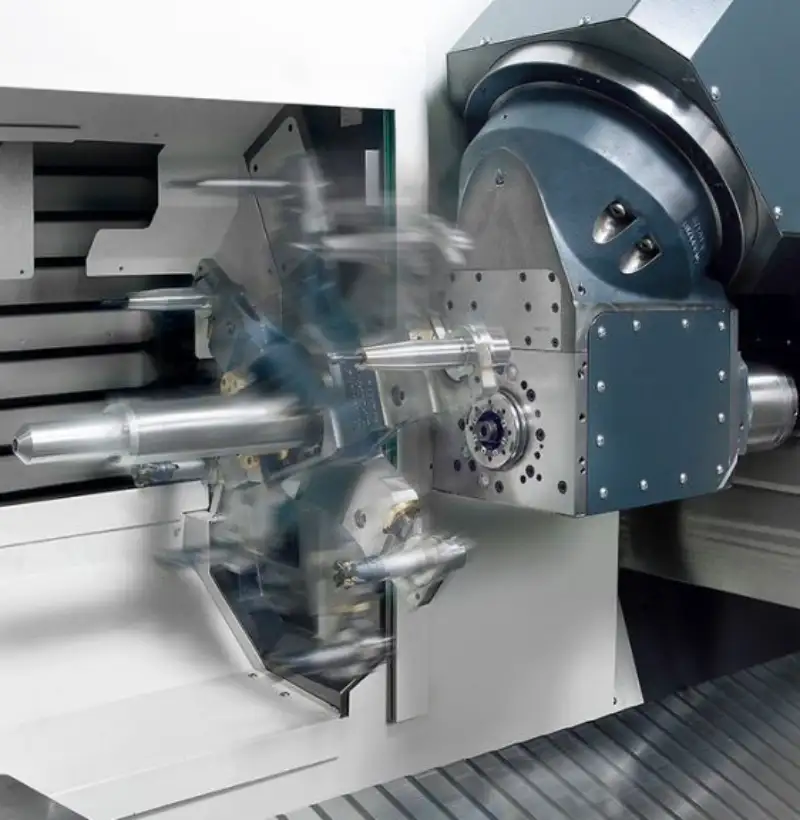
Manufacturers gain several critical benefits when adopting advanced multi-axis machining solutions. Precision improves because tools approach the workpiece from optimal angles, reducing vibration and enhancing surface finish quality. Complex shapes can be completed without repeated repositioning, making it ideal for producing Precision milled components with tight tolerances. Fewer setups minimize the risk of alignment errors during production, while continuous machining operations significantly increase overall efficiency. Tool life extends because cutting conditions remain stable throughout the process. Engineers can also design more intricate geometries without traditional limitations. Additionally, 5 axis CNC machining enables better material utilization, reducing waste and lowering costs. High accuracy ensures components consistently meet strict industry standards, making this technology essential for demanding, high-performance applications.
How 5 Axis CNC Machining Enhances Efficiency and Cost Savings
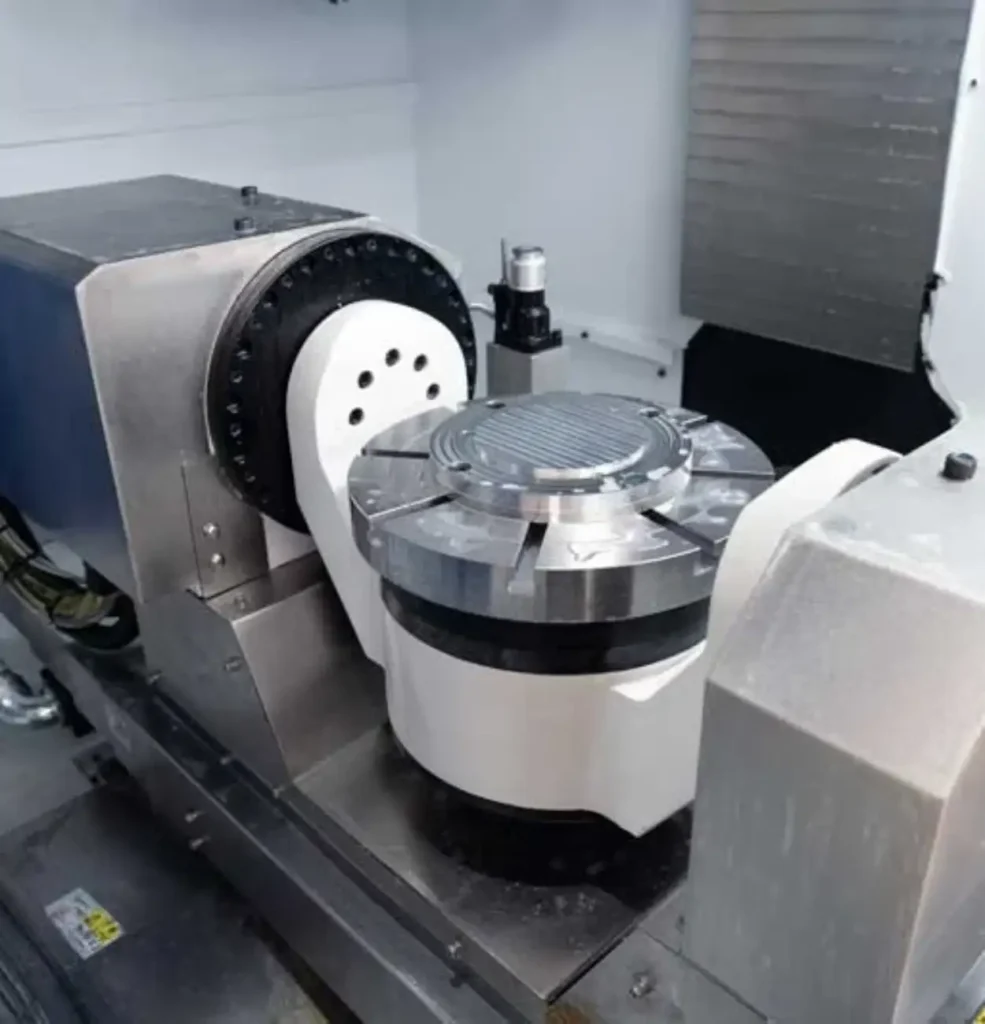
Efficiency improves significantly when manufacturers reduce the number of machining operations. Complex components can be completed in a single setup. This approach eliminates unnecessary repositioning and reduces downtime. Labor costs decrease because fewer manual interventions are required. Production cycles become shorter, allowing faster delivery times. Tool wear is minimized due to optimized cutting paths. Material waste also decreases because machining precision improves. Reduced scrap rates lead to better cost control over time. 5 axis cnc machining supports advanced simulation and planning before production begins. This preparation reduces errors and enhances workflow efficiency. Manufacturers can scale production without sacrificing quality. Cost savings become evident across long-term operations through improved productivity and reduced waste.
Industries That Rely on 5 Axis CNC Machining for Complex Parts
Several high-precision industries depend on advanced machining technologies for production success. Aerospace manufacturers require intricate components with strict tolerances. Turbine blades and structural parts demand extreme accuracy. Medical device companies use precision machining for implants and surgical tools. These components must meet rigorous safety standards. Automotive manufacturers apply advanced machining to produce high-performance engine parts. Robotics industries also benefit from precise component fabrication. 5 axis cnc machining supports consistent results across complex assemblies. Defense and energy sectors rely on durable and precise components. Each industry values reliability and repeatability in manufacturing processes. Advanced machining supports innovation by enabling complex designs that were previously difficult to produce.
Comparison Between 3 Axis and 5 Axis CNC Machining
Manufacturing methods differ significantly in capability and flexibility. Traditional three-axis systems move tools along basic linear directions. Complex geometries require multiple setups in such systems. Each repositioning step introduces potential alignment errors. Advanced multi-axis systems eliminate these limitations by allowing simultaneous movement. This capability enables machining from multiple angles in one operation. Surface finish quality improves due to reduced tool repositioning. Production time decreases because fewer setups are required. 5 axis cnc machining provides superior efficiency for intricate components. However, simpler systems remain suitable for basic components. Manufacturers choose the appropriate method based on design complexity. Cost considerations also influence the selection process.
Key Design Considerations for 5 Axis CNC Machining Projects
Designing components for advanced machining requires careful planning and technical expertise. Engineers must evaluate tool accessibility early in the design phase to ensure efficient cutting paths. Complex geometries should allow smooth and continuous tool movement across all surfaces, which is essential for producing high-quality Precision machined components. Material selection also plays a critical role, as harder materials demand specialized tooling and optimized cutting strategies.
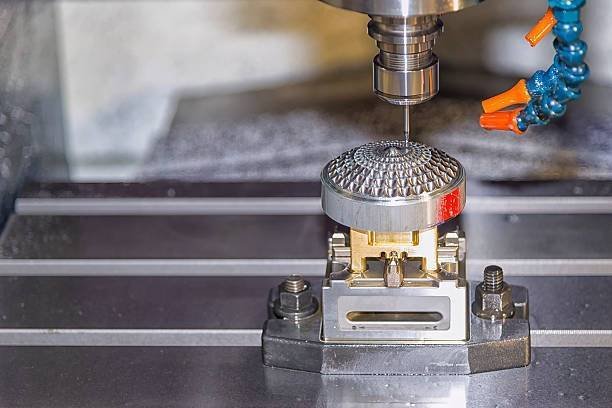
Tolerances must be clearly defined to guarantee proper fit and functionality, while surface finish requirements directly influence machining parameters. Designers should avoid unnecessary complexity to minimize production challenges. Additionally, 5 axis CNC machining benefits from early collaboration between designers and machinists. Proper planning enhances efficiency, reduces costs, and helps identify potential design issues before they impact production.
Common Applications of 5 Axis CNC Machining in Complex Parts Production
Advanced machining technology supports a wide range of applications across industries. Turbine blades require precise curvature and smooth surface finishes. Medical implants must match exact anatomical requirements for safety and functionality. Mold and die manufacturing benefits from intricate cavity machining. Aerospace structural components demand both strength and precision. Automotive industries produce high-performance parts using advanced machining methods. Complex prototypes can be developed quickly with improved accuracy. 5 axis cnc machining enables production of highly customized components. Engineers can push design boundaries without compromising manufacturability. These applications demonstrate the versatility and importance of advanced machining solutions in modern production environments.
Performance Comparison of CNC Machining Types
| Feature | 3 Axis CNC | 5 Axis CNC |
|---|---|---|
| Precision | Moderate | High |
| Setup Time | Longer | Shorter |
| Complex Geometry | Limited | Excellent |
| Production Speed | Slower | Faster |
| Cost Efficiency | Lower initial cost | Better long-term value |
Benefits Summary List for 5 Axis CNC Machining
- Improved precision and surface finish quality
- Reduced setup time and fewer production steps
- Ability to machine complex geometries efficiently
- Lower material waste and improved cost control
- Faster production cycles and higher productivity
These advantages demonstrate why manufacturers are steadily adopting advanced machining technologies. Greater efficiency shortens production timelines while reducing operational costs. Enhanced precision ensures consistent quality across batches, meeting strict industry standards. Fewer setups help minimize the risk of human error during operations. At the same time, complex designs can be produced with high accuracy without sacrificing performance. Improved resource utilization supports scalable and sustainable growth, and over time, the cost savings often outweigh the initial investment in modern equipment.
Challenges and Limitations of 5 Axis CNC Machining
Despite its advantages, advanced machining presents certain challenges for manufacturers. Initial equipment costs can be significantly higher than traditional systems. Programming complexity requires skilled operators and advanced software knowledge. Training investments are necessary to maintain operational efficiency. Maintenance requirements may also increase due to system complexity. Smaller manufacturers may face barriers when adopting new technology. However, long-term benefits often justify the investment. Companies that overcome these challenges gain competitive advantages in precision manufacturing. Strategic planning helps mitigate risks associated with implementation. Continuous improvement ensures optimal performance over time.
Future Trends in 5 Axis CNC Machining Technology
Emerging trends continue to shape the future of advanced machining technologies. Automation integration improves production efficiency and reduces manual intervention. Artificial intelligence enhances toolpath optimization and process planning. Smart manufacturing systems enable real-time monitoring and adjustments. Advanced materials require innovative machining strategies for better performance. Industry demand for precision continues to grow across sectors. Manufacturers invest in new technologies to stay competitive in global markets. Sustainability efforts also influence machining practices and material usage. Continuous innovation drives improvements in accuracy and efficiency. Future developments will further expand the capabilities of advanced machining solutions.
What makes 5 axis CNC machining better for complex parts?
Advanced machining systems provide unmatched flexibility when producing intricate geometries. Cutting tools can approach the workpiece from multiple directions during a single setup. This capability reduces the need for repositioning and improves dimensional accuracy. Manufacturers achieve smoother surface finishes because vibration and tool deflection decrease. Complex contours and deep cavities become easier to machine with consistent quality. Production efficiency increases because fewer steps are required. Engineers also gain more design freedom when creating advanced components. Overall, the combination of precision, speed, and reliability makes this technology highly suitable for complex part manufacturing.
Is 5 axis CNC machining more expensive than traditional machining?
Initial investment costs for advanced machining systems are generally higher than traditional equipment. Companies must allocate budgets for machines, software, and skilled operators. However, long-term operational savings often balance these upfront expenses. Reduced setup time lowers labor costs and increases productivity. Faster production cycles enable manufacturers to handle more projects efficiently.Material waste decreases because precision improves significantly. Maintenance and tooling costs can also be optimized with proper planning. Many businesses find that improved quality and reduced rework justify the investment. Over time, advanced machining becomes a cost-effective solution for complex production needs.
Which industries benefit most from 5 axis CNC machining?
Several industries rely heavily on advanced machining to meet strict performance requirements. Aerospace manufacturers use it to produce turbine blades and structural components. Medical companies depend on it for implants and surgical instruments with precise tolerances. Automotive industries apply it for high-performance engine parts and prototypes. Robotics manufacturers require accurate components for complex assemblies. Energy and defense sectors also benefit from durable and reliable parts. Each industry values precision, repeatability, and efficiency in production. Advanced machining supports innovation by enabling designs that were previously difficult to achieve with traditional methods.