Why Do Stainless Steel Handles Loosen or Slip? Causes and Practical Solutions
Stainless steel handles play an important role in industrial machinery, food processing equipment, automation systems, and mechanical assemblies. Operators use them to adjust, tighten, lock, and control equipment during daily operations.
However, even a well-made stainless steel handle can become loose, rotate unexpectedly, or slip during use. These problems can affect operating accuracy, equipment stability, and workplace safety.
So, why do stainless steel machine handles loosen or slip? More importantly, how can manufacturers prevent these issues?
Let’s look at the common causes and practical solutions.
1. Why Do Stainless Steel Handles Become Loose?
A loose machine handle does not always indicate a material problem. In many cases, the issue comes from the mounting structure, connection method, or operating conditions.
1.1 Improper Thread Fit or Insufficient Tightening
Threaded handles commonly use male studs or female threaded holes to connect with machine components.
If the thread size, pitch, or engagement length does not match the mounting point, the handle may not tighten securely.
Insufficient tightening can also allow the connection to loosen during repeated operation.
How to solve it:
Confirm the thread diameter and pitch before installation.
Check the effective thread engagement length.
Apply the recommended tightening torque.
Use a suitable thread-locking solution when the application requires additional resistance to loosening.
For custom stainless steel handles, manufacturers should check thread specifications during machining and inspection.
1.2 Machine Vibration and Repeated Operation
Industrial equipment often operates under continuous vibration and repeated mechanical movement.
Over time, these conditions can cause threaded connections to loosen, especially when the original fastening structure does not provide enough locking force.
This problem is common in production machinery, packaging equipment, and automated systems.
How to solve it:
Choose a suitable locking structure based on the application.
Possible solutions include:
Lock nuts or other mechanical locking devices.
Thread-locking compounds.
Properly designed clamping structures.
Appropriate fastening torque.
The best solution depends on vibration levels, operating loads, and maintenance requirements.
1.3 Incorrect Shaft or Mounting Hole Dimensions
Dimensional mismatch is another common reason why handles move or slip during operation.
For example, if a handle has a round bore that is too large for the shaft, it may rotate independently instead of transmitting the required torque.
An improperly sized threaded hole or keyway can also affect connection stability.
How to solve it:
Manufacturers should verify critical dimensions before production, including:
Bore diameter
Thread size and pitch
Keyway width and depth
Shaft diameter
Mounting interface tolerances
For OEM applications, machining directly from approved engineering drawings helps maintain consistent dimensional accuracy.
1.4 Worn Threads or Damaged Contact Surfaces
Frequent installation, removal, and adjustment can gradually wear threaded connections and contact surfaces.
If the threads become damaged or the locking surfaces lose their original condition, the handle may no longer maintain a secure connection.
How to solve it:
Inspect the mounting interface regularly and replace damaged components when necessary.
For equipment requiring frequent adjustment, consider a more durable fastening structure or a handle designed for repeated operation.
2. Why Do Stainless Steel Handles Slip During Operation?
A handle can remain securely attached to a machine but still slip when an operator tries to turn or adjust it.
This is a different problem from a loose mounting connection.
2.1 Smooth or Polished Handle Surfaces
Stainless steel handles often have smooth surfaces, especially when manufacturers use polishing or fine surface finishing.
Although these finishes provide a clean and professional appearance, an overly smooth gripping surface may reduce friction between the operator’s hand and the handle.
The problem becomes more noticeable when operators wear gloves or work in wet environments.
How to solve it:
Consider handle designs with:
Knurled gripping surfaces.
Textured contact areas.
Ergonomic grip profiles.
Suitable anti-slip surface treatments.
The surface design should balance grip performance, cleaning requirements, and the intended working environment.
2.2 Incorrect Handle Size or Shape
A handle that is too small or has an unsuitable shape may not provide enough leverage or gripping area.
This can make manual adjustment difficult, particularly when operators need to apply higher torque.
How to solve it:
Choose the handle diameter, length, and grip shape according to the required operating force and available installation space.
For industrial equipment, ergonomic design can improve operator comfort and reduce unnecessary slipping during adjustment.
2.3 Oil, Water, or Contamination on the Grip
Oil, grease, water, and processing residues can reduce friction between the hand and the handle surface.
This is particularly relevant in food processing machinery, marine equipment, and industrial environments where moisture or lubricants are present.
How to solve it:
Choose an appropriate grip texture and establish regular cleaning procedures.
For food processing equipment, consider stainless steel designs with easy-to-clean surfaces and structures that minimize dirt accumulation.
3. How to Choose the Right Stainless Steel Handle for Industrial Equipment
Selecting the right handle involves more than choosing stainless steel as the material.
The mounting structure, dimensions, surface finish, and operating environment all affect performance.
Here are four important factors to consider.
3.1 Choose the Correct Mounting Structure
Different equipment designs require different handle connections.
Common options include:
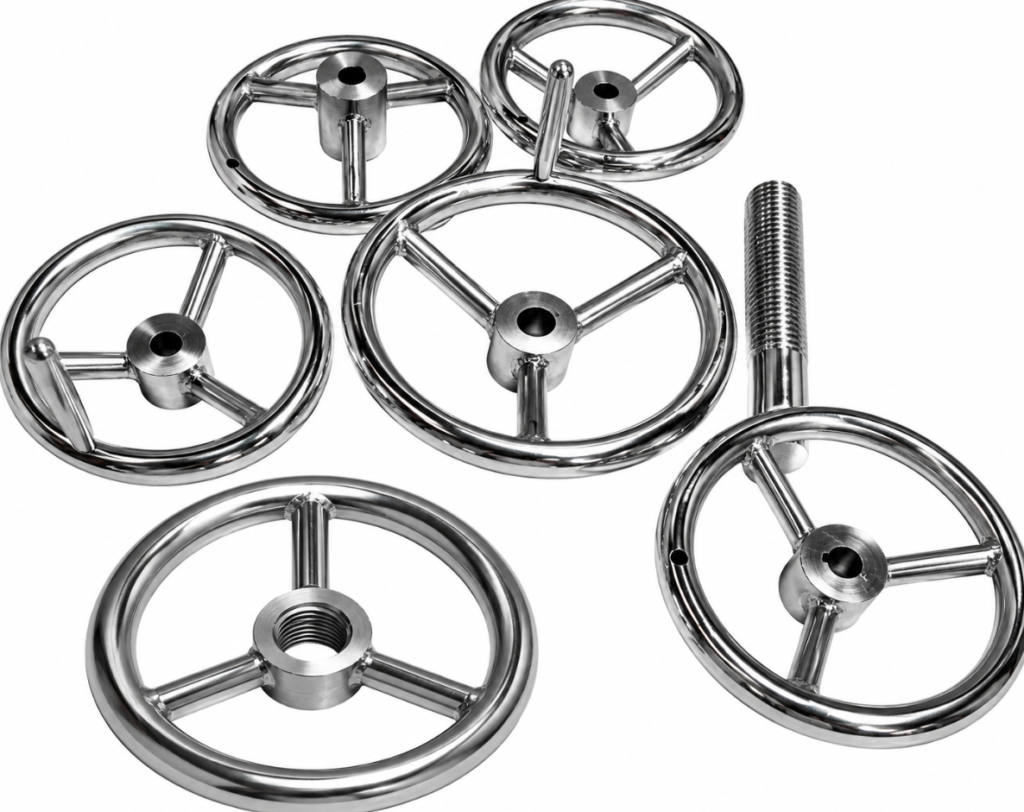
Female Threaded Handles: Suitable for direct installation onto threaded studs or mounting shafts.
Male Threaded Handles: Feature an integrated threaded stud for direct mounting into machine components.
Clamping Handles: Use a clamping mechanism to secure the handle to a shaft or adjustment point.
Fixed Handles: Provide a stable grip for manual operation and equipment adjustment.
Always confirm the mounting structure before selecting a handle.
3.2 Select the Right Stainless Steel Grade
Material selection affects corrosion resistance, durability, and suitability for different operating environments.
304 Stainless Steel: A common choice for general industrial equipment, machinery assemblies, and many indoor applications.
316 Stainless Steel: Offers improved corrosion resistance, particularly in chloride-containing and marine environments.
The appropriate grade depends on exposure conditions, cleaning chemicals, and application requirements.
3.3 Check Dimensions and Manufacturing Tolerances
A reliable handle requires accurate dimensions and a suitable connection interface.
Important specifications include thread tolerances, bore dimensions, stud length, handle diameter, and surface finish.
For custom applications, provide a 2D or 3D drawing so the manufacturer can review the design before production.
3.4 Consider the Operating Environment
A handle used on food processing machinery may require different surface and cleaning characteristics from one used on general industrial equipment.
Consider:
Exposure to water, oil, or chemicals.
Operating temperature.
Frequency of adjustment.
Required gripping force.
Cleaning and maintenance requirements.
Matching the handle design to its working environment helps improve service life and operating reliability.
4. Why Custom CNC Machined Stainless Steel Handles Matter
Standard handles may not fit every machine design.
OEM equipment manufacturers often require specific thread sizes, mounting dimensions, handle shapes, and surface finishes.
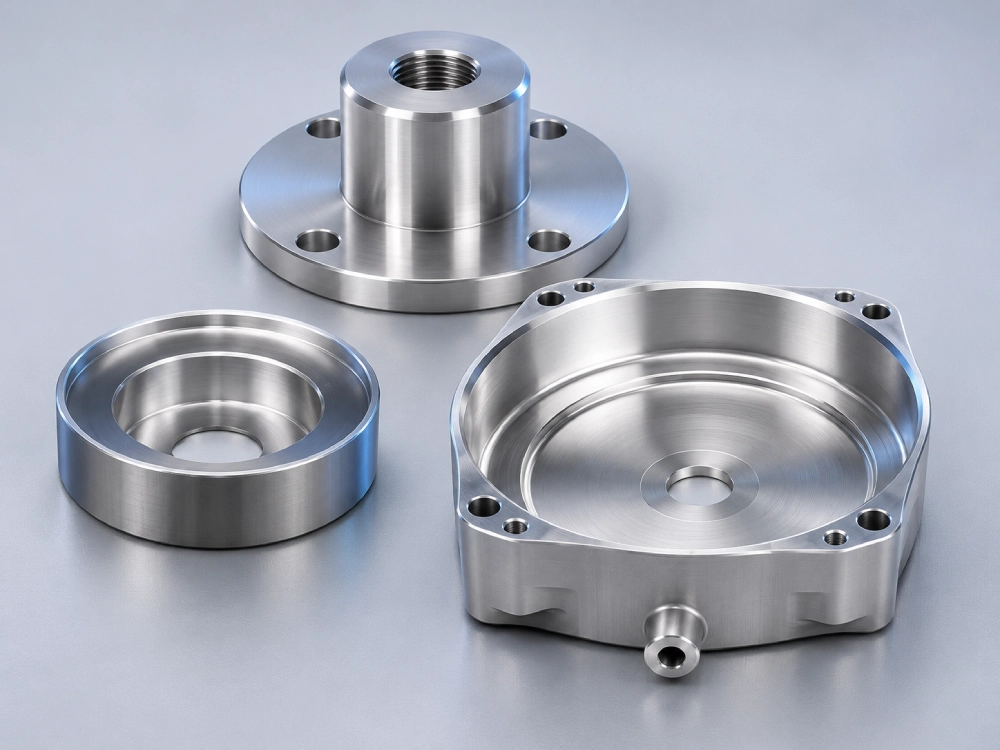
Custom CNC machining allows manufacturers to produce handles according to individual engineering requirements.
At Zhejiang Dream Industry Limited, we specialize in custom stainless steel components and precision CNC machining.
Our manufacturing capabilities include:
CNC turning and milling.
Customized male and female threaded connections.
Precision machining of mounting holes and keyways.
Surface finishing and treatment.
Prototype development and batch production.
We work with stainless steel grades such as 304 and 316, supporting custom manufacturing from approved drawings.
Whether you need a small batch of samples or larger production quantities, our team can review your drawings and evaluate the manufacturing requirements.
5. Frequently Asked Questions
Why does my stainless steel machine handle keep coming loose?
Common causes include insufficient tightening, thread mismatch, machine vibration, worn threads, and incorrect mounting dimensions. Checking the connection structure and using an appropriate locking method can help prevent repeated loosening.
How can I make a stainless steel handle less slippery?
Choose a handle with a knurled or textured gripping surface. An ergonomic design and appropriate surface finish can also improve grip, especially in environments where operators wear gloves.
Are 304 stainless steel handles suitable for food processing equipment?
304 stainless steel is commonly used in food processing machinery because of its corrosion resistance and cleanable surface. However, the final suitability depends on the cleaning chemicals, operating environment, and applicable hygiene requirements.
Can stainless steel handles be customized according to drawings?
Yes. Custom stainless steel handles can be manufactured with specific thread sizes, mounting structures, dimensions, and surface finishes. STEP, DWG, and PDF drawings help manufacturers evaluate the requirements accurately.
Conclusion
Loose or slipping stainless steel handles can result from several factors, including improper thread connections, machine vibration, dimensional mismatch, worn surfaces, and insufficient grip design.
The right solution starts with identifying the actual cause rather than simply replacing the handle.
For equipment manufacturers, choosing the correct mounting structure, material grade, machining tolerances, and surface finish is essential for reliable operation.
Looking for custom stainless steel handles for your machinery?
Contact Zhejiang Dream Industry Limited. Send us your drawings or technical requirements, and our team will help evaluate the design and provide a suitable manufacturing quotation.