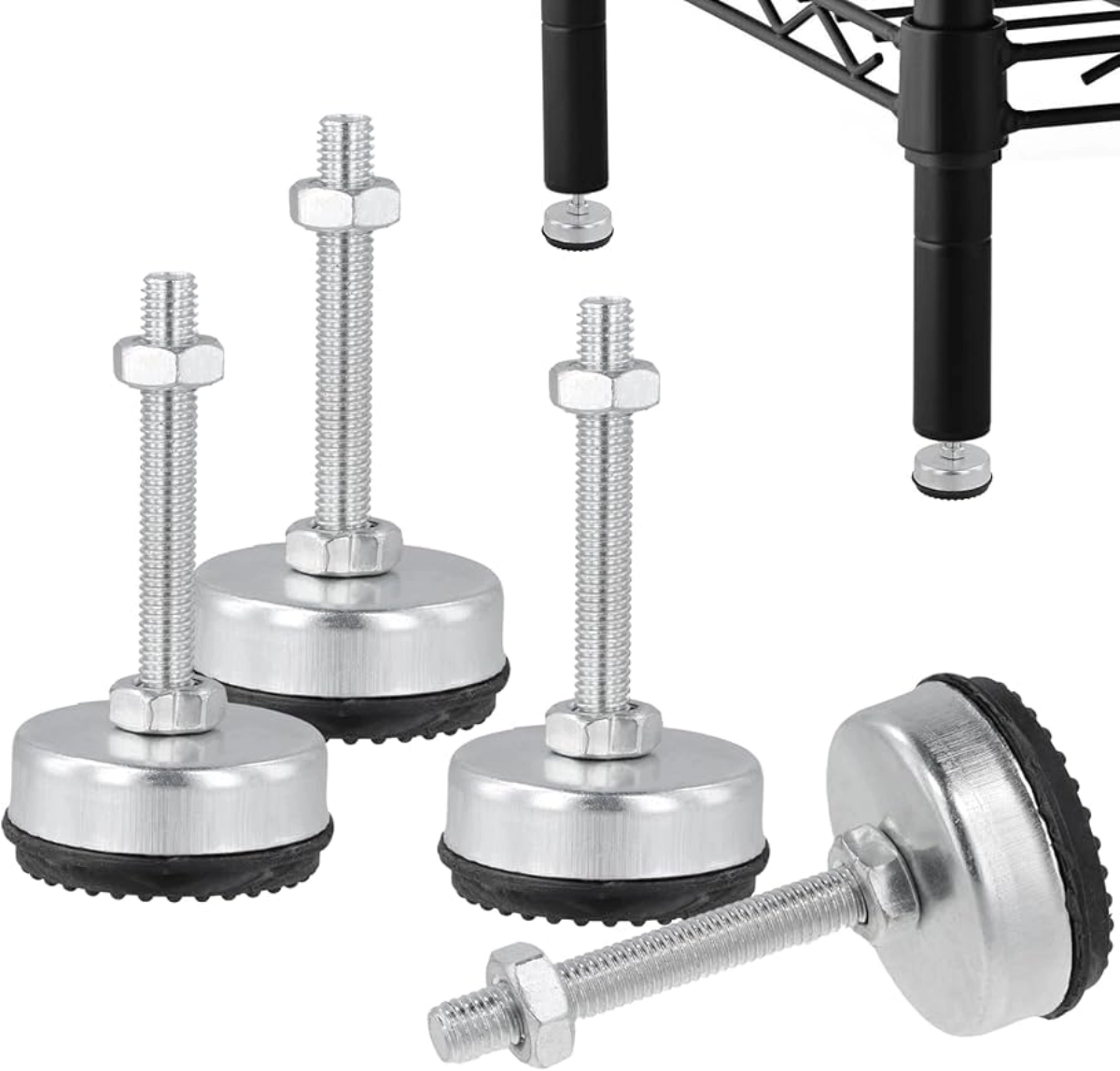
Modern industrial systems require stable foundations for accurate machine performance and workplace safety. Custom leveling feet help manufacturers reduce vibration, improve equipment alignment, and support uneven factory floors effectively. Many production managers evaluate load ratings, thread dimensions, and material durability before purchasing industrial support components. Proper leveling systems also reduce maintenance frequency across automated production lines and heavy machinery installations. Industrial buyers often compare corrosion resistance, installation flexibility, and long-term operating reliability during supplier selection processes. Careful component selection improves machine lifespan while minimizing operational interruptions inside demanding manufacturing environments. Reliable support structures also protect sensitive machinery from excessive stress during continuous industrial operation.
Material Selection Directly Impacts Industrial Durability
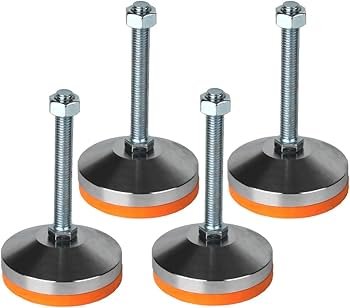
Industrial environments expose machine supports to chemicals, moisture, temperature changes, and constant mechanical pressure. Stainless steel components perform well inside humid production facilities because they resist oxidation and surface corrosion effectively. Carbon steel versions support heavier machinery while maintaining strong structural integrity during continuous operation cycles. Nylon-based designs reduce floor scratching and lower contamination risks inside electronics manufacturing facilities. Rubber-coated bases increase friction while limiting unwanted movement across smooth epoxy factory floors. Many industrial buyers select a stainless steel leveling foot for food processing environments because hygiene standards require corrosion-resistant hardware. Material hardness, tensile strength, and coating quality strongly influence long-term industrial performance across demanding production applications.
Load Capacity Determines Operational Stability
Industrial machinery creates different pressure levels depending on equipment size, operating speed, and movement frequency. Static loads involve stationary pressure, while dynamic loads include vibration, rotation, or repeated motion during operation. Engineers normally calculate safety margins before selecting support systems for automated machinery or conveyor equipment. Incorrect load ratings may cause thread deformation, uneven machine alignment, or excessive structural stress during production cycles. Heavy-duty installations often require reinforced stems and wider bases for stable floor contact. Many facilities also install anti vibration leveling foot systems beneath sensitive machines to minimize operational movement and reduce noise levels. Proper load evaluation improves production accuracy while protecting equipment from premature mechanical wear inside industrial environments.
Industrial Applications Require Different Structural Configurations
Different industries demand specialized support solutions because machinery dimensions and operating conditions vary significantly across manufacturing sectors. Laboratory equipment requires precise height adjustment, while packaging systems often prioritize vibration reduction and mobility control. Food processing machinery normally uses corrosion-resistant materials to satisfy hygiene regulations and cleaning procedures. Electronics assembly lines prefer lightweight support structures that protect flooring surfaces from long-term pressure damage. Buyers frequently compare adjustment ranges, stem dimensions, and locking mechanisms before confirming procurement decisions for industrial installations.
| Industry | Primary Requirement | Preferred Material |
|---|---|---|
| Food Processing | Corrosion resistance | Stainless steel |
| Medical Equipment | Precise leveling | Nylon composite |
| Heavy Machinery | High load support | Carbon steel |
| Electronics Assembly | Floor protection | Rubber base |
Thread Design Influences Installation Accuracy
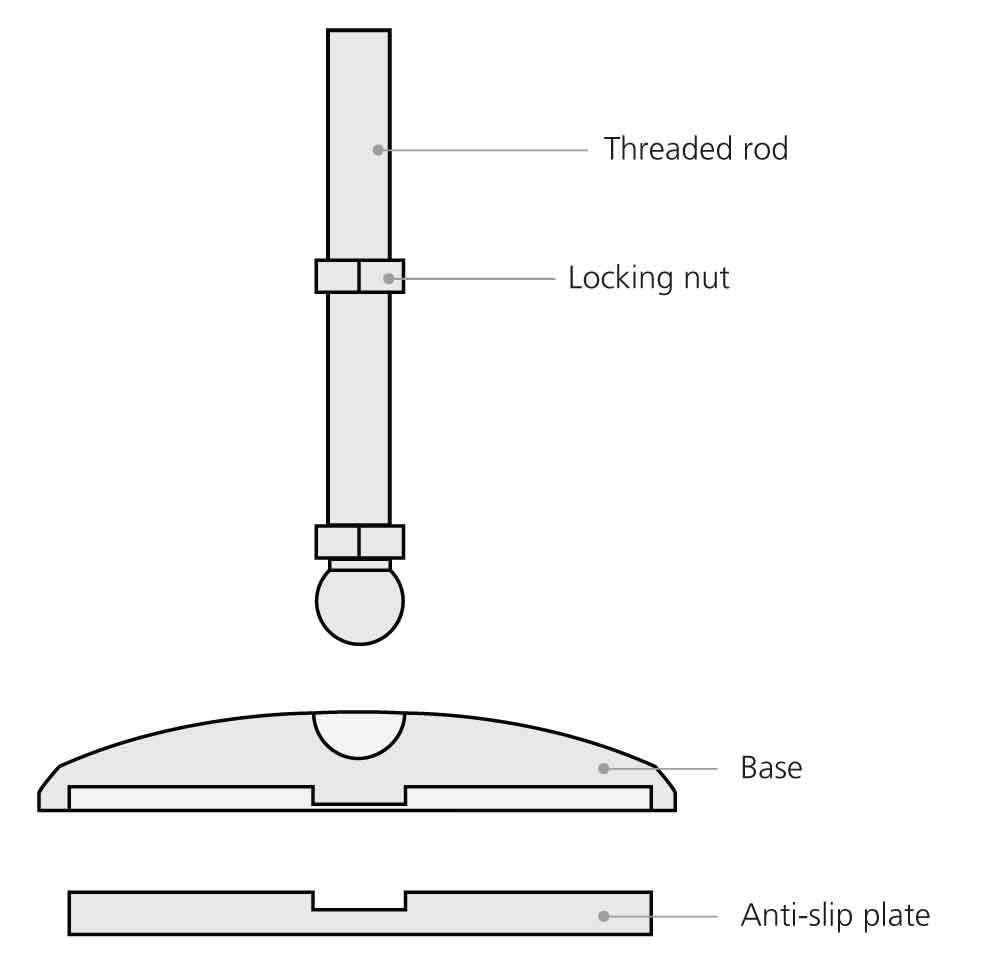
Thread dimensions affect stability, adjustment precision, and installation compatibility across industrial support systems. Metric and imperial thread standards dominate global machinery manufacturing markets because equipment specifications differ between regions. Fine thread pitches allow precise height adjustment, while coarse threads improve installation speed during large-scale assembly operations. Engineers also evaluate stem diameter and insertion depth before finalizing equipment support configurations. Insufficient thread engagement may reduce stability and increase vibration during machine operation. Lock nuts and reinforced stems help maintain alignment during continuous movement or repetitive industrial cycles. Proper threading structures improve installation efficiency while reducing the possibility of structural loosening inside demanding factory environments.
Floor Conditions Affect Base Structure Selection
Factory flooring materials influence friction performance, movement resistance, and overall support stability during industrial operation cycles. Smooth epoxy floors usually require rubber-coated bases because they increase grip and minimize unwanted equipment movement. Uneven concrete surfaces often benefit from articulated support designs that adapt to inconsistent floor angles effectively. Wet processing facilities commonly install corrosion-resistant support systems to reduce surface deterioration caused by cleaning chemicals and moisture exposure. Production managers also evaluate floor pressure distribution because concentrated weight may damage delicate flooring materials over time. Custom leveling feet with wider bases improve weight distribution while reducing localized stress across industrial floor surfaces. Proper base design improves operational safety while extending the service life of expensive production equipment.
| Floor Condition | Recommended Base Type | Main Advantage |
|---|---|---|
| Epoxy Flooring | Rubber-coated base | Improved grip |
| Concrete Surface | Articulated base | Better adaptability |
| Wet Production Area | Corrosion-resistant base | Moisture protection |
| Cleanroom Facility | Nylon support base | Low contamination risk |
Engineering Standards Support Reliable Manufacturing Quality
Industrial procurement teams evaluate certification systems before approving component suppliers for long-term production partnerships. ISO 9001 defines quality management system requirements that ensure consistent manufacturing processes and controlled production documentation. ISO 14001 focuses on environmental management systems that reduce industrial waste and improve sustainability performance. RoHS Directive 2011/65/EU restricts hazardous substances such as lead, mercury, and cadmium in electrical and mechanical components. REACH Regulation EC 1907/2006 controls chemical registration, evaluation, authorization, and restriction across European supply chains. Salt spray testing follows ISO 9227 or ASTM B117 standards to simulate corrosion conditions using controlled saline exposure. Thread precision inspections follow ISO 965 tolerance classes such as 6g and 6H for metric systems. EN 10204 3.1 certificates provide material traceability across production batches. Technical drawings using ASME Y14.5 GD&T rules ensure dimensional accuracy and reliable assembly performance. These standards collectively reduce defect risks while supporting stable industrial equipment performance throughout extended production periods.
Customized Machining Solutions Improve Equipment Compatibility
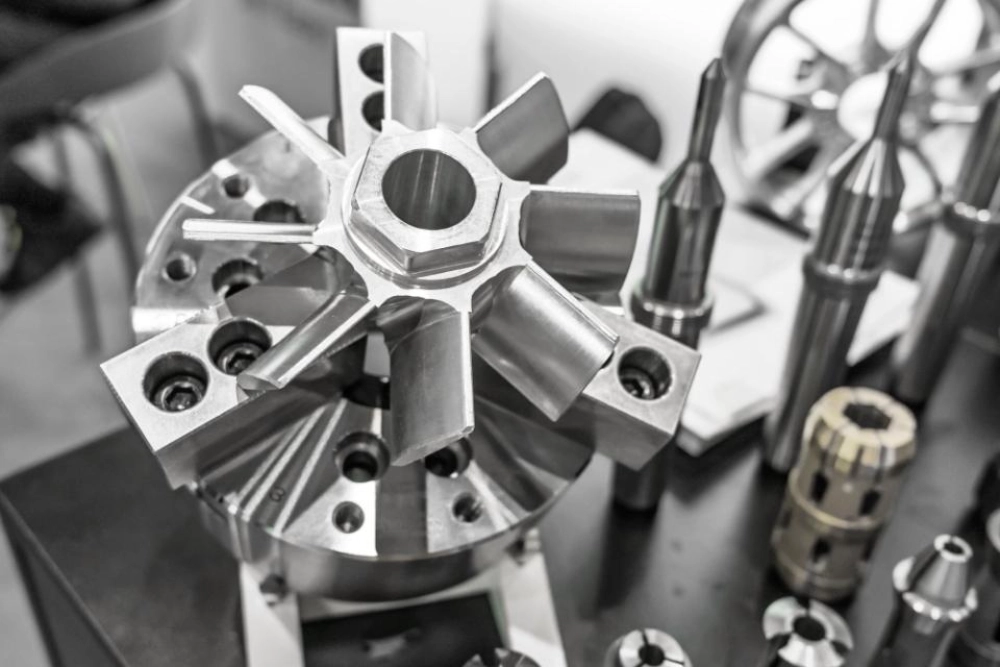
Modern industrial equipment often requires non-standard support systems because machinery structures vary across specialized production applications. CNC machining technology allows manufacturers to produce custom stem lengths, base diameters, and adjustment ranges efficiently. Automation systems frequently require compact support structures that fit limited installation spaces without sacrificing structural strength. Robotics equipment may also require reinforced supports because repetitive movement generates continuous vibration during production cycles. OEM and ODM manufacturing services help industrial buyers develop specialized support configurations for unique machinery requirements. Engineering teams usually evaluate dimensional tolerances carefully before approving customized production samples. Accurate machining improves equipment compatibility while reducing installation complications during industrial assembly operations.
Environmental Conditions Influence Long-Term Performance
Industrial production facilities expose support components to oil, moisture, chemical residues, and fluctuating temperatures throughout daily operations. High humidity environments accelerate corrosion when inferior materials lack protective surface treatments or proper structural coatings. Chemical exposure may weaken rubber compounds gradually, reducing grip performance and vibration control effectiveness over time. Temperature fluctuations also influence material expansion, which may affect alignment precision during continuous machine operation cycles. Maintenance teams often inspect support structures regularly to prevent unexpected equipment instability or structural fatigue.
Custom leveling feet designed for harsh environments normally feature reinforced bases and corrosion-resistant coatings for extended operational reliability. Preventive maintenance programs improve equipment stability while reducing expensive downtime across industrial production facilities.
Supplier Evaluation Shapes Procurement Efficiency
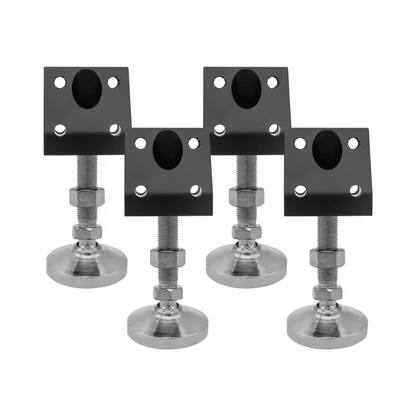
B2B procurement departments carefully examine supplier capabilities before confirming large-scale industrial hardware purchasing agreements. Production consistency remains essential because dimensional variation may affect installation accuracy across multiple machinery systems. Buyers also compare tooling capacity, delivery schedules, and quality inspection procedures before selecting long-term manufacturing partners. Reliable suppliers normally provide detailed testing reports and responsive technical communication during product development processes. Industrial purchasing teams frequently evaluate additional operational capabilities before finalizing procurement contracts.
- Material traceability systems
- Quality inspection procedures
- Export certification documentation
- Packaging protection standards
- Sample approval policies
- Production lead time control
Strong supplier management improves procurement efficiency while reducing operational risks during industrial equipment installation projects.
Long-Term Cost Analysis Improves Purchasing Decisions
Low-cost industrial supports may appear attractive initially, yet poor durability often increases maintenance expenses significantly over extended operating periods. Frequent replacement cycles create additional labor costs while interrupting important production schedules inside manufacturing facilities. Higher-quality support systems usually provide stronger load stability, improved corrosion resistance, and longer service life under demanding operational conditions. Procurement specialists often compare lifecycle costs instead of focusing entirely on initial product pricing during supplier negotiations. Durable industrial components reduce downtime while improving production consistency throughout continuous manufacturing operations. Strategic purchasing decisions support operational efficiency and protect industrial equipment investments from avoidable structural failures or maintenance-related production interruptions.
Future Manufacturing Trends Influence Support Component Development
Automation expansion continues increasing demand for precise machine alignment and vibration control throughout advanced industrial production facilities. Smart manufacturing systems require highly accurate support structures because automated equipment depends on consistent positioning during operation cycles. Hygienic production industries increasingly prefer smooth surface designs that simplify cleaning procedures and reduce contamination risks effectively. Lightweight composite materials also gain popularity because they combine structural strength with improved corrosion resistance across demanding industrial environments. Manufacturers continue refining custom leveling feet to support modern robotics, automated conveyors, and high-speed packaging systems efficiently. Advanced engineering solutions improve stability, reduce maintenance frequency, and support long-term operational reliability throughout evolving industrial manufacturing applications.
FAQ
What industries commonly use custom leveling feet?
Industrial support systems appear across manufacturing, healthcare, laboratory research, packaging, and automation sectors worldwide. Heavy machinery facilities require strong structural supports because large equipment creates continuous pressure during operation cycles. Medical equipment manufacturers often prioritize precise adjustment systems to maintain accurate positioning during sensitive procedures and equipment calibration tasks. Food processing plants prefer corrosion-resistant support structures because production environments involve moisture exposure and frequent cleaning processes. Electronics assembly facilities normally select lightweight support bases that reduce floor pressure while maintaining stable machine alignment. Laboratory environments also require accurate leveling because small positioning errors may affect testing precision. Different industries therefore demand unique support configurations based on machinery structure, operating conditions, and environmental exposure factors.
How do buyers select the correct load capacity?
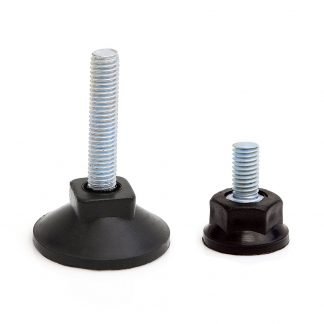
Industrial buyers usually calculate total machine weight before selecting support systems for manufacturing equipment installations. Engineers commonly divide equipment weight across multiple support points while including additional safety margins for operational stability. Dynamic loads require special attention because vibration, rotation, and repeated machine movement increase pressure during production cycles. Heavy industrial equipment often needs reinforced stems and larger support bases to distribute weight effectively across factory floors. Procurement teams also examine floor conditions because weak flooring materials may influence pressure distribution and equipment stability. Technical specifications normally include static load ratings, dynamic performance data, and recommended operating conditions. Accurate load calculations improve safety while reducing the risk of structural failure during continuous industrial operation.
Why is stainless steel popular for industrial leveling systems?
Stainless steel performs effectively inside demanding industrial environments because it resists corrosion, chemical exposure, and moisture damage consistently. Food processing facilities frequently install corrosion-resistant hardware because hygiene regulations require smooth surfaces and contamination control procedures. Pharmaceutical manufacturing plants also prefer durable materials due to strict cleaning protocols involving chemical agents and sterilization processes. Mechanical strength allows stainless structures to maintain stability under continuous industrial pressure and repetitive operational movement. Maintenance requirements remain low because corrosion resistance reduces surface degradation over long service cycles. Industrial procurement teams select stainless materials for outdoor installations where weather exposure accelerates material wear. These advantages support long-term durability while reducing replacement frequency across industrial operations.