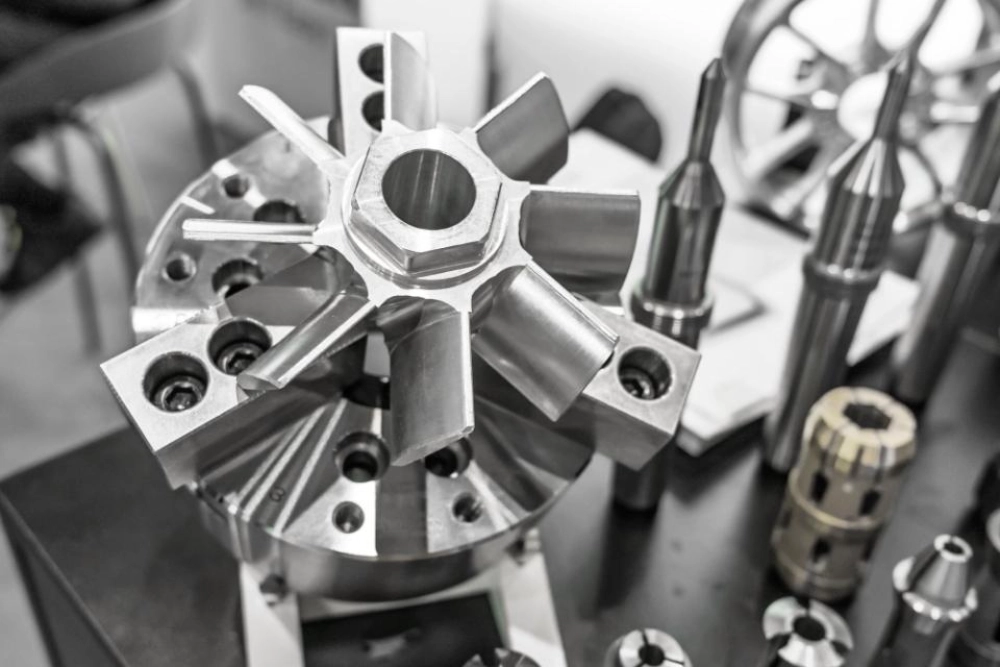
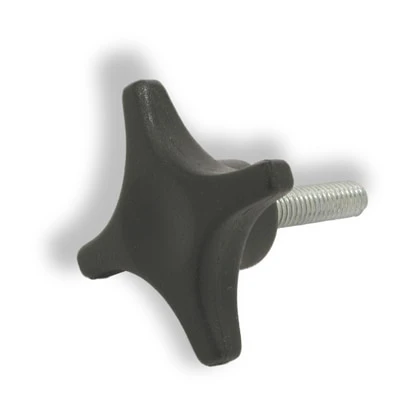
Machine knob safety plays a critical role in industrial control environments where precision and stability define operational outcomes. It ensures that mechanical adjustments remain fixed under vibration, load variation, and continuous usage cycles. Industrial operators depend on stable control interfaces to avoid unintended configuration changes during production. Reliable knob systems reduce downtime and support consistent output quality across manufacturing lines. Engineers design these systems with locking structures and controlled torque to maintain predictable behavior. Without proper control design, machines may shift settings unexpectedly, leading to defects and safety risks. Industrial environments require consistent performance across long operating hours. This concept strengthens equipment reliability while improving operator confidence in high-pressure production conditions. It also supports system integrity across automated and semi-automated machinery platforms.
Core Design Rules of machine knob safety in Precision Engineering
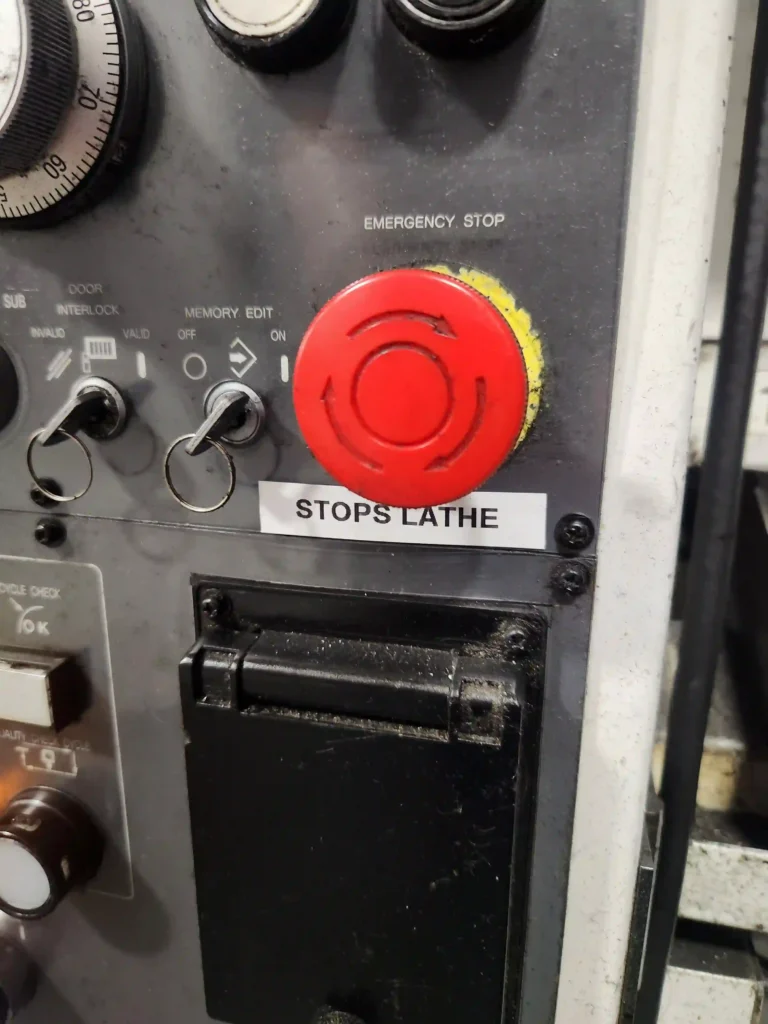
Precision engineering focuses on stability, resistance, and ergonomic control in mechanical interfaces. machine knob safety ensures that control components maintain fixed positioning even under vibration stress. Engineers prioritize tactile feedback so operators can confirm adjustments instantly. Structural reinforcement prevents accidental rotation during machine operation cycles. Balanced torque distribution improves handling accuracy in repetitive tasks. Surface design also contributes to grip strength and reduces slippage risks in high-speed environments. Reliable control behavior reduces human error during production adjustments. Consistent calibration ensures that each unit performs uniformly across manufacturing batches. These design principles support long-term operational reliability. Industrial systems depend on predictable mechanical responses to maintain output quality and reduce equipment failure rates in demanding production environments.
Mechanical Structure Behind Control Systems and Stability Engineering
Mechanical structure determines how effectively a control knob resists external forces during operation. Internal shafts, threaded interfaces, and reinforcement cores all contribute to stability. Proper alignment ensures smooth rotation without unintended movement. Durable construction prevents deformation under continuous mechanical stress. In many industrial assemblies, wing knobs female thread configurations support secure fastening without additional tools. This design improves adjustability while maintaining structural stability under vibration. Engineers test rotational endurance to verify long-term performance reliability. Balanced force distribution inside the knob assembly reduces wear on internal components. Surface engineering enhances grip precision for operators working in dynamic environments. Structural integrity directly influences operational safety and system reliability in industrial machinery applications.
Material Engineering and Performance Selection in Industrial Controls
Material choice significantly impacts durability and functional reliability in control systems. Stainless steel provides high corrosion resistance and structural strength for harsh environments. Engineering plastics offer lightweight handling with stable mechanical performance under moderate loads. Aluminum alloys balance weight reduction and durability for precision systems. Composite materials improve thermal stability and vibration resistance in demanding applications. Surface finishing enhances friction control for safer operation. machine knob safety depends on material behavior under long-term stress and repeated use cycles. Engineers evaluate tensile strength, fatigue resistance, and environmental stability before selection. Proper material matching reduces maintenance needs and extends service life. Reliable material engineering ensures consistent performance across industrial environments with varying operational conditions.
Operational Risks in Industrial Control Interfaces
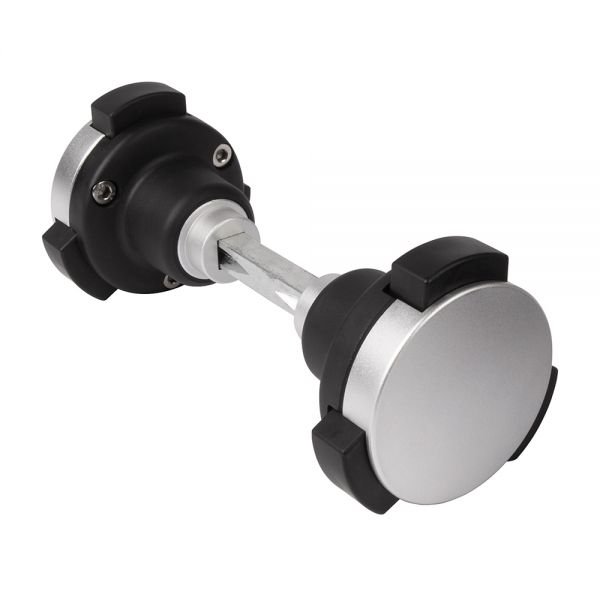
Industrial control systems face multiple risks when mechanical stability is compromised. Loose or poorly designed knobs may shift machine parameters unexpectedly during operation. Continuous vibration accelerates structural wear and reduces locking efficiency. Operator fatigue increases the likelihood of incorrect adjustments in fast-paced environments. System instability often results in production inconsistencies and material waste. In high-speed manufacturing lines, even small deviations can disrupt entire workflows. Risk management strategies focus on improving mechanical precision and reducing failure probability. Consistent inspection schedules help identify early signs of wear. Proper engineering design reduces exposure to operational hazards. Stable control interfaces ensure predictable machine behavior across long production cycles.
| Risk Category | Root Cause | Operational Effect |
|---|---|---|
| Mechanical Drift | Weak locking system | Incorrect machine settings |
| Surface Wear | Low durability material | Reduced control precision |
| Vibration Impact | Structural imbalance | Unstable production output |
Risk Evaluation and Engineering Response in Control Systems
Industrial risk analysis identifies how mechanical weaknesses affect production reliability. Machine control failures often originate from poor locking design or insufficient material strength. Vibration exposure gradually reduces structural stability over time. Engineers use simulation testing to evaluate long-term durability under operational stress. Preventive maintenance strategies reduce the probability of sudden failure events. machine knob safety ensures that control systems maintain stable performance even in harsh working environments. Manufacturing facilities rely on risk categorization to prioritize system upgrades. Continuous monitoring helps detect early warning signs of mechanical degradation. Proper evaluation frameworks improve production efficiency and reduce unexpected downtime across industrial operations.
Application of Metric-Based Control Components in Industry
Industrial machinery uses standardized control components to ensure compatibility and reliability. Metric systems provide uniform sizing across global manufacturing equipment. In many adjustable assemblies, metric clamping lobe knobs are used for secure positioning under load. These components allow precise manual adjustments while maintaining structural stability. Industrial automation systems depend on consistent interface behavior for operational accuracy. Control knobs must withstand repetitive use without losing performance integrity. Standardized designs improve replacement efficiency and reduce system downtime. Engineering teams select components based on load capacity and environmental resistance. Reliable control interfaces ensure smooth operation across production systems with varying mechanical demands.
| Standard System | Application Area | Key Function |
|---|---|---|
| ISO 9001 | Manufacturing quality | Process consistency |
| ISO 12100 | Machine design safety | Risk reduction |
| ISO 2768 | Dimensional accuracy | Tolerance control |
Standards Interpretation and System Reliability Assessment
Industrial standards define strict requirements for mechanical control systems. machine knob safety aligns with these frameworks to ensure operational consistency. Quality management systems regulate production processes across global supply chains. Safety standards reduce mechanical failure risks in industrial environments. Dimensional accuracy ensures compatibility between mechanical components. Testing procedures validate performance under load and vibration conditions. Compliance improves system reliability and reduces operational uncertainty. Engineers rely on standardized benchmarks to verify design integrity. Proper documentation ensures traceability across manufacturing cycles. These frameworks strengthen industrial control systems by maintaining consistent performance levels across diverse operational environments.
Testing Methods for Mechanical Control Reliability
Performance testing ensures mechanical systems meet operational requirements. Torque resistance testing evaluates rotational stability under applied force. Vibration simulation replicates industrial working conditions.
Industrial Use Cases and Functional Deployment Scenarios
Industrial systems rely on precise mechanical interfaces for control accuracy. Control knobs support machine calibration, adjustment, and operational regulation. Automation systems require stable inputs to maintain production consistency. Heavy machinery depends on reinforced structures to resist vibration stress. CNC systems use precise adjustment mechanisms for accuracy control. Robotics platforms integrate ergonomic designs for operator interaction efficiency. Medical equipment relies on stable interfaces for sensitive operations. machine knob safety ensures predictable performance across all these applications. Reliable mechanical design reduces downtime and improves production efficiency. Industrial environments depend on consistent control behavior to maintain operational stability across diverse working conditions.

FAQ
What factors influence control stability in industrial environments?
Control stability depends on mechanical design, material quality, and environmental conditions. Vibration exposure affects structural integrity over time. Proper torque resistance ensures secure positioning during operation. Operator handling also contributes to system reliability in production environments. machine knob safety plays a role in maintaining consistent control performance. Poor maintenance increases the risk of mechanical drift and operational errors. Temperature variations can also influence material behavior. Industrial systems require balanced engineering to ensure long-term stability. Regular inspection helps identify early signs of wear. Reliable control design reduces production errors and improves operational efficiency across industrial systems.
How do engineering standards support mechanical control performance?
Engineering standards define consistent requirements for mechanical systems. They ensure compatibility across different industrial components. Testing procedures validate performance under real-world conditions. Dimensional guidelines maintain uniformity in manufacturing processes. machine knob safety benefits from standardized evaluation methods. Compliance reduces variability in production quality and improves reliability. Certification processes verify that systems meet minimum safety thresholds. Engineers rely on these standards for design validation. Proper documentation ensures traceability in industrial supply chains. Standards improve overall system reliability by maintaining predictable mechanical behavior across different operating environments.
What materials provide the best durability for control systems?
Material selection determines long-term durability in mechanical control systems. Stainless steel offers excellent strength and corrosion resistance. Engineering plastics provide lightweight operation with stable performance. Aluminum alloys balance durability and reduced weight. Composite materials improve thermal and vibration resistance. Surface treatments enhance grip and reduce slippage during use. machine knob safety improves when materials resist fatigue and environmental stress. Engineers select materials based on operational load and environmental exposure. Proper material selection reduces maintenance requirements and extends service life. Industrial applications depend on reliable materials to ensure consistent mechanical performance across demanding environments.