Structural Application of 304 vs 316 Stainless Steel Anchors
Industrial construction requires highly reliable fastening systems. Engineers always evaluate material compositions before selecting fasteners for heavy infrastructure. Using the wrong alloy often leads to premature structural failure. This comparison of 304 vs 316 stainless steel anchors highlights critical performance variations. Different environmental elements impact these metals in unique ways. Moisture and chemical exposure degrade weaker alloys rapidly. Project managers must select materials that survive harsh conditions. Choosing high-quality fastening products reduces future maintenance expenses significantly. Safety standards dictate the minimum durability limits for structural installations. This technical analysis provides clear data to assist purchasing decisions. Every construction site demands rigorous material verification. Appropriate selection ensures the long-term stability of critical facilities.
Chemical Composition Differences of Industrial Alloys
Chemical structures determine the base durability of heavy duty hardware. Grade 304 contains approximately eighteen percent chromium and eight percent nickel. This specific balance creates a strong barrier against oxidation. In contrast, Grade 316 incorporates similar elements but adds molybdenum. Molybdenum makes up about two to three percent of the total alloy weight. This extra component alters the chemical behavior of the metal. Corrosion resistance improves dramatically because of this molecular modification. Industrial steel fasteners must withstand diverse chemical environments on site. Purchasing departments analyze these composition sheets to verify metallurgical certificates. Quality control teams rely on precise laboratory tests. Knowing these base variations prevents catastrophic structural degradation over time. Excellent material properties keep your equipment operational.
Chloride Resistance and Pitting Vulnerability
Chlorides present a severe threat to standard structural support systems. Saltwater environments accelerate the breakdown of protective passive layers. Grade 304 struggles when exposed to constant coastal mist. This exposure causes localized deep cavities known as pitting. Grade 316 resists localized chloride attack far more effectively. Engineers specify stainless steel concrete anchors made of Grade 316 for seaside installations. This choice prevents sudden failure from hidden internal decay. Standard fasteners often rust rapidly in marine mist atmospheres. Purchasing agents choose superior grades to avoid costly repair cycles. Rust damage compromises the structural integrity of concrete foundations. Correct alloy selection guarantees safety for seaside transportation systems. Managers must evaluate salt concentration levels before writing specifications.
Mechanical Performance Under Tensile Strain
Mechanical strength determines how much weight a fastener can hold safely. Both alloys offer excellent load bearing capabilities under normal temperature conditions. Structural designs rely on yield strength values to calculate safe limits. These values describe when the metal begins to deform permanently. Tensile strength indicates the ultimate breaking point under heavy pulling force. Installing 304 vs 316 stainless steel anchors requires precise torque tools. Proper installation ensures that the fasteners reach their rated mechanical limits. Excessive torque can damage threads and reduce overall holding capacity. Mechanical engineers must consult product datasheets for exact load limits. High stress applications demand robust materials to prevent structural failure. Accurate calculations guarantee that public utilities remain safe. Operators rely on these specifications to maintain continuous operations.
Hardness and Installation Guidelines for Field Crews
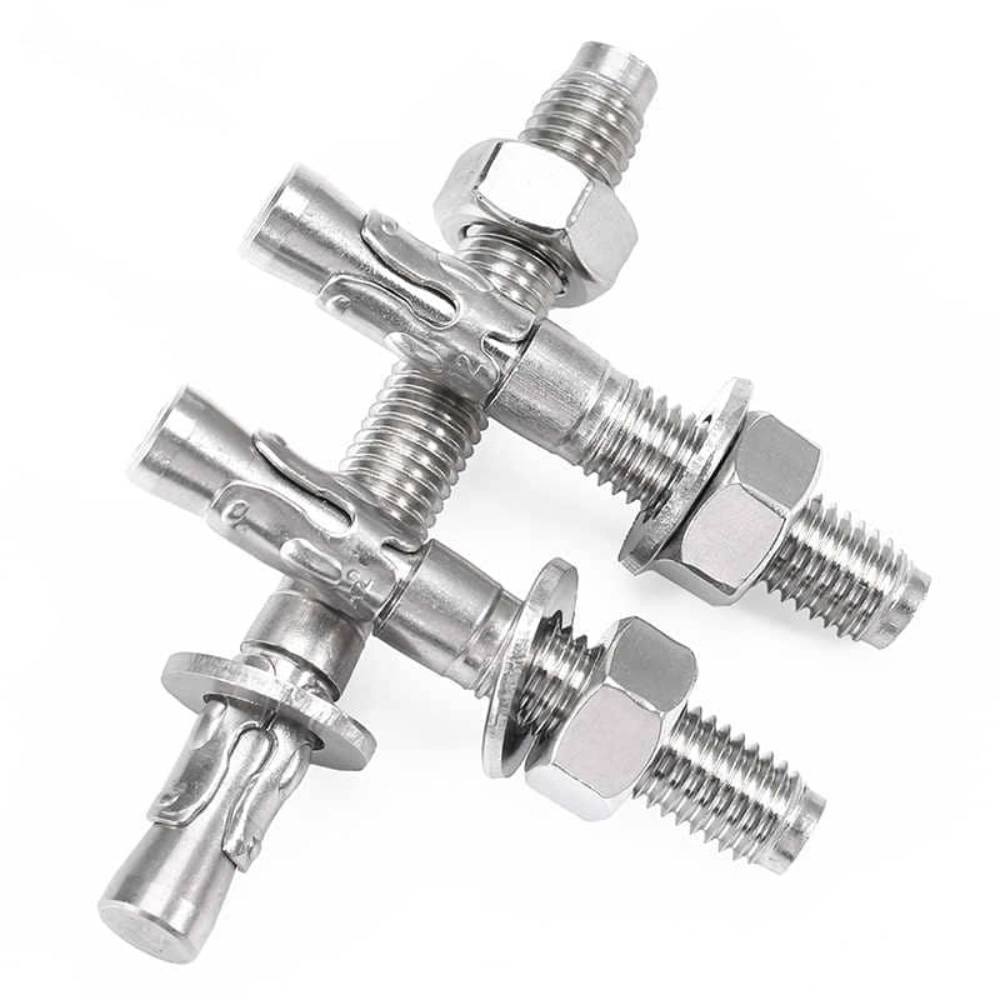
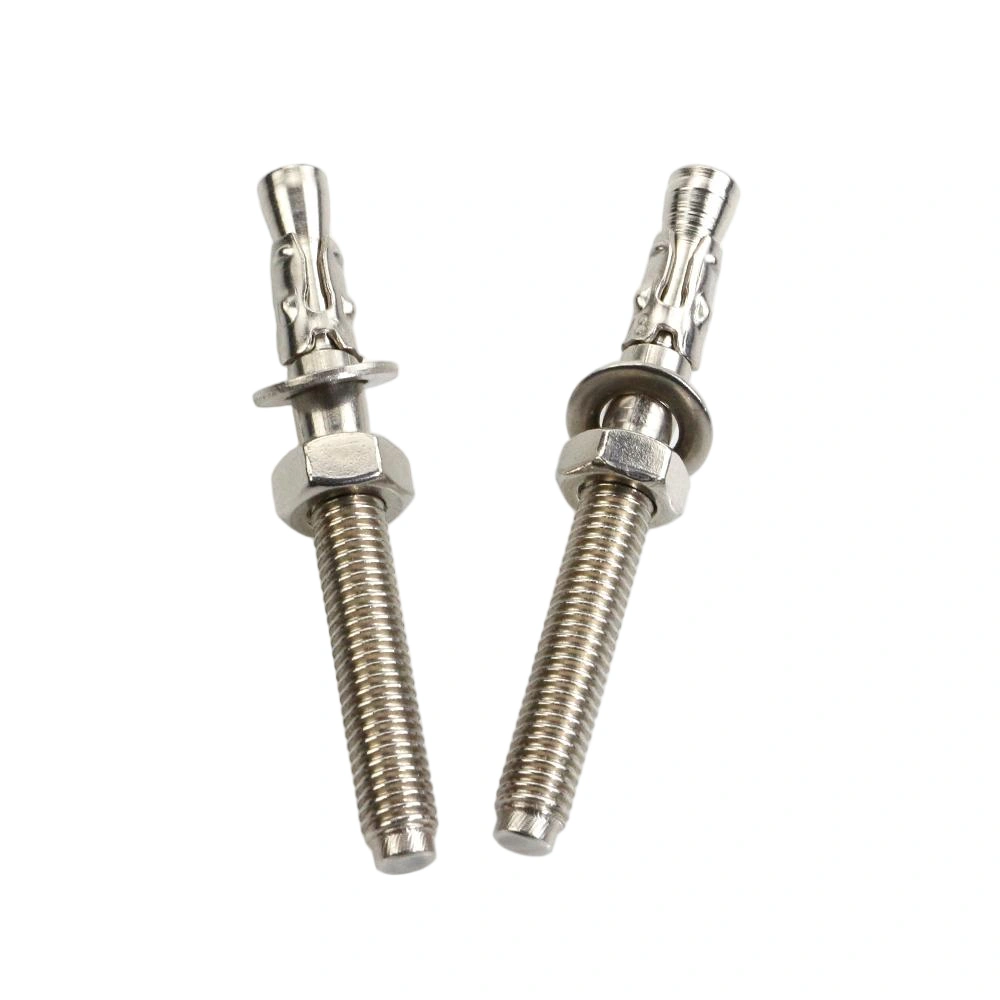
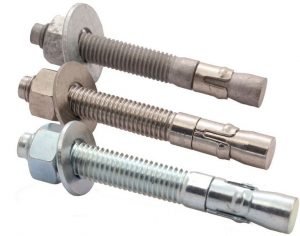
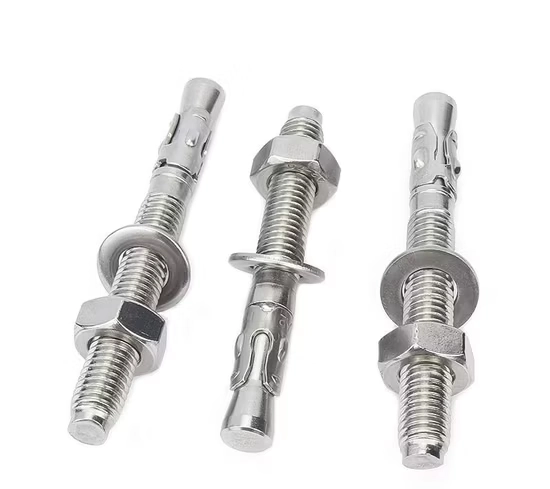
Field environments present distinct physical challenges during physical installation. Material hardness affects how threads engage inside drilled concrete holes. Workers utilize heavy hammer drills to prepare receiving concrete surfaces. Standard stainless steel wedge anchors demand exact hole depths for correct expansion. Installers must remove heavy dust from the hole before inserting metal threads. Debris prevents the expansion sleeve from gripping the concrete walls securely. Grade 304 installs easily due to its slightly higher ductility. Slightly different alloy structures cause Grade 316 to work-harden faster under friction. Field crews must adjust tool speeds to prevent thread galling. Using anti-seize lubricants reduces thread damage during tight assembly. Clean holes and correct tools guarantee a reliable mechanical connection. Experienced installers inspect every connection to confirm depth.
Chemical Element Limits and Structural Ratings Table
| Alloy Grade | Chromium Content (%) | Nickel Content (%) | Molybdenum Content (%) |
|---|---|---|---|
| Grade 304 | 18.0 - 20.0 | 8.0 - 10.5 | 0.0 |
| Grade 316 | 16.0 - 18.0 | 10.0 - 14.0 | 2.0 - 3.0 |
Deep Explanation of Chemical Element Limits Table
The metallurgical data shows the fundamental differences of 304 vs 316 stainless steel anchors. Chromium levels remain high in both metals to provide general oxidation protection. Nickel additions increase ductility and impact toughness in sub-zero working conditions. Molybdenum additions represent the crucial variance within our comparison table. Adding this specific element alters how the steel reacts with chloride molecules. Salt ions fail to penetrate the modified passive surface of the premium grade. Project specifications must mandate these precise elemental ranges during quality checks. Suppliers should submit chemical analysis paperwork before shipping any fasteners to the site. Engineers review these percentages to verify compliance with construction standards. Accurate element distribution ensures that critical load points remain secure for decades.
Mechanical Performance and Durability Parameters Table
| Alloy Grade | Tensile Strength (MPa) | Yield Strength (MPa) | Pitting Resistance Index |
|---|---|---|---|
| Grade 304 | 500 - 700 | 190 - 210 | 18.0 |
| Grade 316 | 515 - 720 | 205 - 220 | 25.0 |
Technical Interpretation of Mechanical Performance Parameters
Mechanical properties provide key safety indicators for critical industrial building structures. Grade 316 displays slightly superior tensile and yield strength profiles under physical load tests. This structural advantage allows engineers to design safer load pathways in industrial plants. The pitting resistance index shows a massive performance leap between the two alloys. Choosing 304 vs 316 stainless steel anchors depends on these critical mathematical ratings. High index values translate to longer lifespans in highly aggressive chemical zones. Standard environments make Grade 304 a highly cost-effective and reliable alternative choice. Managers must analyze these parameters during the initial stage of mechanical design. Procurement agents review safety limits to balance performance with project budgets. Precise specifications prevent over-engineering while maintaining absolute safety.
Essential Selection Criteria for Procurement Departments
Environmental salinity exposure levels
Expected mechanical load limits
Project design life requirements
Chemical concentration in soil
Total installation budget limits
Detailed Analysis of the Selection Criteria Checklist
Procurement processes require careful evaluation of the listed selection factors. Environmental salinity determines whether a standard alloy will deteriorate prematurely on site. Heavily salted roads or coastal winds require immediate alloy upgrades to protect structural joints. Expected loads dictate the physical dimensions and spacing of your anchoring hardware.
Concluding Selection of 304 vs 316 Stainless Steel Anchors
Selecting the correct material requires a balance of cost and mechanical durability. Grade 304 offers a practical solution for dry, inland construction projects. It provides excellent longevity without exceeding typical small-scale municipal project budgets. Coastal projects demand Grade 316 to withstand marine atmospheres. This alloy prevents catastrophic failure when chlorides threaten critical support structures. Procurement managers must avoid cutting corners on safety-critical connection points. Investing in superior grades lowers the total lifecycle cost of your facility. Maintenance cycles become less frequent when you use high-quality metallurgical components. Safety inspectors approve industrial installations faster when materials meet international specifications. Making informed choices ensures structural stability and protects valuable capital investments.
FAQ
Which option performs better in coastal environments?
Marine applications demand outstanding protection against aggressive salt particles. Coastal projects require grade 316 for all critical connection hardware. This grade resists corrosion far better than standard alternative alloys. Choosing 304 vs 316 stainless steel anchors determines the long-term safety of coastal piers. Grade 304 rusts quickly when exposed to saltwater spray. Such chemical degradation weakens structural joints over time. Replacing rusted fasteners increases maintenance expenses significantly. Procurement agents save money by investing in marine-grade alloys initially. Safety inspectors always check metal compositions in coastal infrastructure zones. Premium alloys provide dependable performance in challenging offshore locations.
Why does molybdenum increase corrosion protection?
Molybdenum is a crucial metallic element added to specific steel alloys. This material changes the chemical behavior of the protective passive layer. It stops chloride ions from penetrating the metal surface. Standard alloys lack this element and succumb to pitting easily. Added molybdenum creates a much stronger barrier against aggressive industrial acids. Chemical processing plants require this advanced protection for safety reasons. Fasteners last much longer when they resist harsh local environments. Engineers specify these premium alloys to protect heavy machinery from acid damage. Purchasing durable components reduces overall equipment downtime. Reliable hardware ensures continuous production in chemical facilities.
Can engineers substitute equivalent grades during installation?
Substitution of fastening materials requires formal approval from structural engineers. Upgrading from grade 304 to 316 represents a safe choice. This upgrade increases the corrosion resistance of the connection points. Downgrading to a lower alloy grade is highly dangerous for structures. Lower alloys fail quickly when exposed to aggressive industrial chemicals. Such failures put overall system safety at immediate risk on site. Purchasing departments must consult technical sheets before making changes. Approved material substitutes prevent physical structural failures in the future. Field crews must verify alloy markings during the inspection process. Correct documentation guarantees compliance with national building codes.