Defining Structural Limits of Heavy Duty Anchors
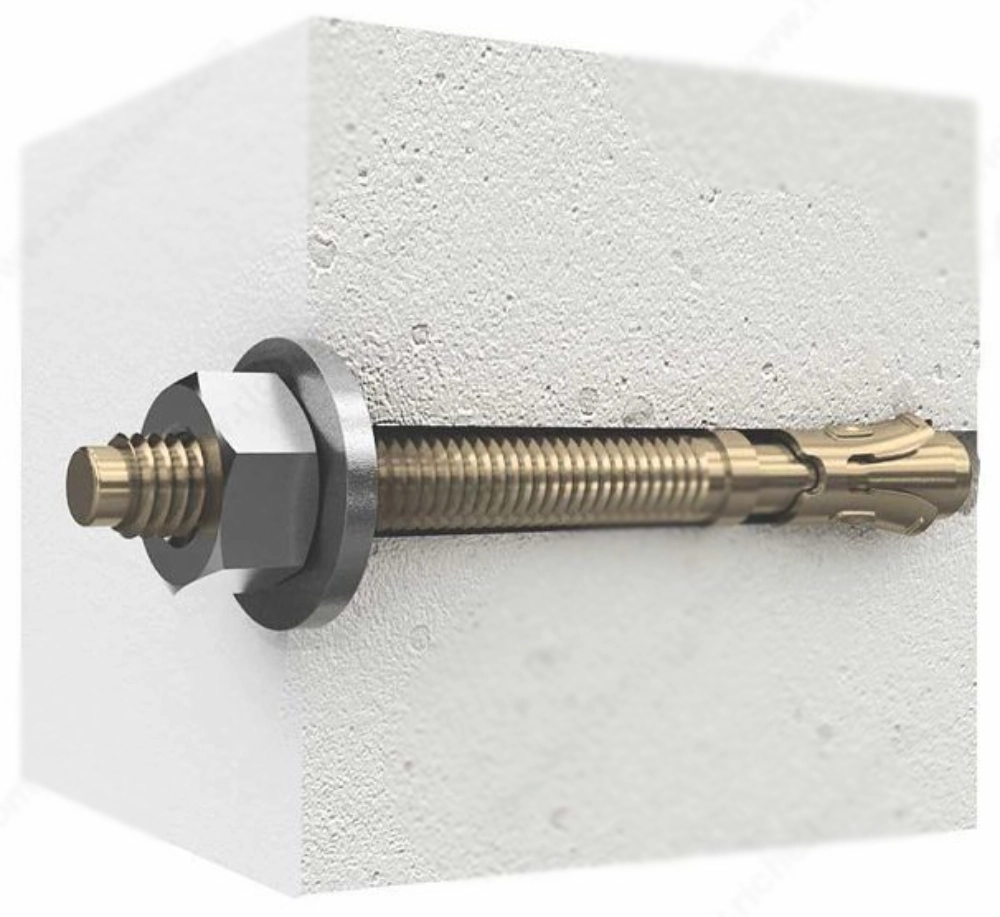
Heavy duty construction projects require robust fastening systems to ensure structural integrity over many decades. Concrete installations rely heavily on mechanical expansion bolts to secure heavy steel columns and machinery. Engineers calculate the wedge anchor load rating to prevent structural failures in heavy concrete installations. Precise calculations prevent disastrous shearing or pullout occurrences during intense seismic events or high winds. Specifiers evaluate multiple parameters before selecting the correct fastener size for their specific jobsite. Environmental conditions and concrete density determine the ultimate performance of these heavy metal fasteners. Professionals inspect every mechanical bolt to verify compliance with local building codes and design standards. Correct placement guarantees safety and prolongs the lifespan of the entire industrial facility.
Core Metrics Defining Wedge Anchor Load Rating
Tension resistance defines the force required to pull a metal fastener straight out of concrete. Shear capacity measures the perpendicular force that a bolt can withstand before snapping in half. Manufacturers test these mechanical anchors in standardized laboratories using cracked and uncracked concrete blocks. Testing agencies publish these values in comprehensive technical documents to assist structural design engineers. Specifiers apply a safety factor of four to one to convert ultimate capacity into working loads. This safety margin accounts for unpredictable jobsite variations and minor installation errors during construction. Selecting the wrong load limit leads to cracking, anchor slippage, or complete structural collapse. Designers must analyze both shear and tension demands to select the appropriate anchor diameter.
Critical Concrete Strength Variables and Standards
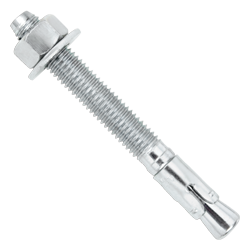
Compressive strength of concrete significantly affects the overall structural resistance of any mechanical expansion bolt. Harder concrete mixes provide better resistance against the expansion clip during the torque application process. Standard specifications require a minimum concrete compressive strength of two thousand pounds per square inch. Stainless steel concrete anchors offer superior resistance in highly corrosive or chemically aggressive outdoor locations. This specific material grade ensures long term performance even when exposed to severe weather elements. Engineers refer to International Code Council evaluation reports to verify concrete strength requirements and classifications. These reports details the exact performance parameters across various concrete density ranges and thickness levels. Proper verification prevents anchoring system failure resulting from premature concrete blowout or structural cracking.
Key Factors Influencing Heavy-Duty Fastener Strength
Multiple physical factors dictate how well an expansion fastener performs under high tensile stress. Installers must carefully consider edge distance to prevent the concrete from splitting during torque application. Anchor spacing also plays a massive role when deploying multiple fasteners in a small area. Placing bolts too close together reduces the individual capacity of each mechanical anchor by thirty percent. Environmental moisture levels determine whether carbon steel or corrosion resistant metals provide the best solution. Dust accumulation inside the drilled hole acts as a lubricant and severely reduces frictional grip. Operators must clean every drilled hole thoroughly using wire brushes and compressed air blow pumps. These crucial installation variables directly impact structural safety and long term stability of the connection.
Anchor spacing distance
Minimum edge distance
Hole cleaning protocol
Concrete compressive strength
Fastener material composition
Applied torque value
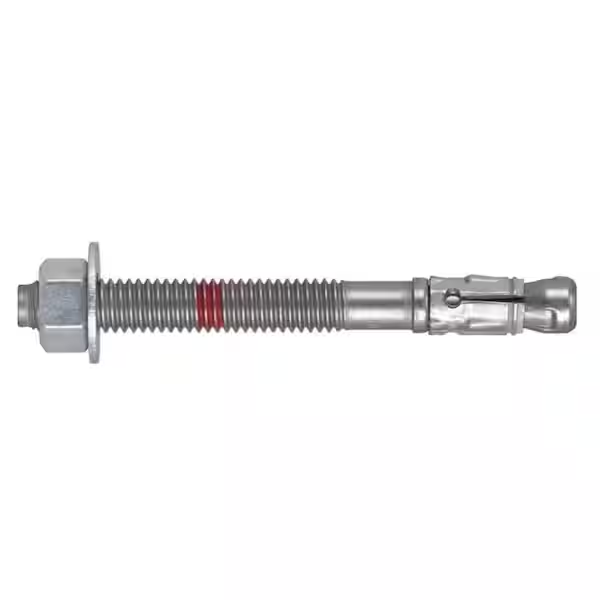
Detailed Assessment of External Site Installation Factors
Proper execution of each listed factor ensures the system achieves its designated wedge anchor load rating safely. Insufficient edge distance creates high internal stress concentrations that trigger premature concrete cracking. This localized cracking destroys the friction bond between the steel expansion clip and the concrete wall. Similarly, leaving drilling dust inside the hole prevents the collar from gripping the concrete surface correctly. The metal collar simply slides upward when tension pulls the bolt, leading to catastrophic anchor pullout. Standard field tests prove that uncleaned holes reduce ultimate strength limits by up to fifty percent. Following strict torque specifications expands the anchor clip exactly to its design limit without overstressing. Experienced installers always use calibrated dial torque wrenches to verify these critical values on site.
Tensile Strength Values under Standard Conditions
Technical specifications provide specific tension and shear values across different bolt diameters and embedment depths. Structural designers utilize these standardized figures to calculate safety margins for heavy equipment support frames. Larger diameters naturally provide significantly higher resistance because the steel cross section increases substantially. Deep embedment also engages a larger volume of concrete to resist tension forces effectively. The following table outlines the ultimate tension capacities for standard carbon steel mechanical expansion bolts. These nominal values assume a minimum concrete compressive strength of four thousand pounds per square inch. Calculations must include appropriate reduction factors if actual jobsite conditions vary from these laboratory baselines. Designers must never exceed the specified working load limits under any normal operating circumstances.
| Anchor Diameter (Inches) | Embedment Depth (Inches) | Ultimate Tension (Lbs) | Ultimate Shear (Lbs) |
|---|---|---|---|
| 3/8 | 1.5 | 2,100 | 2,300 |
| 1/2 | 2.25 | 4,300 | 4,600 |
| 5/8 | 2.75 | 6,100 | 6,700 |
| 3/4 | 3.25 | 9,200 | 9,800 |
Technical Analysis of Wedge Anchor Load Rating Data
Analyzing this specific data reveals a clear correlation between the fastener geometry and resistance levels. Every listed value represents ultimate capacity, which requires the application of a safety reduction factor. This safety factor ensures the actual wedge anchor load rating remains well below the failure point. For example, a half inch anchor retains a safe working load of approximately one thousand pounds. Utilizing this safe limit prevents concrete fatigue under repetitive vibrations from heavy industrial manufacturing machinery. Engineers adjust these nominal table figures based on actual concrete compressive strength on site. Higher concrete compressive ratings increase the friction grip, thereby elevating the safe load limits. Conversely, lower strength concrete requires significant downward adjustments to prevent rapid pullout failures.
Shear Reduction Values for Steel Alloys
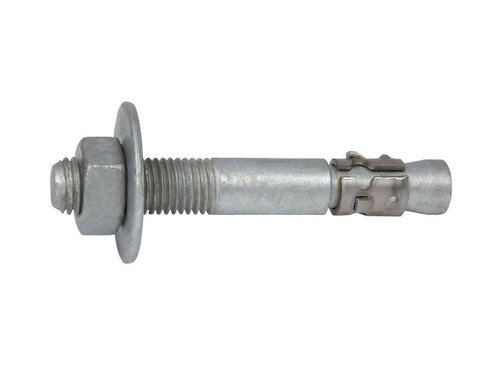
Material selection plays a critical role when specifying expansion anchors for harsh chemical environments. Carbon steel fasteners perform excellently in dry indoor areas where humidity stays low throughout the year. Marine applications or wastewater treatment facilities demand much higher levels of corrosion resistance. Stainless steel wedge anchors provide maximum protection against rust and chemical degradation over decades. This alloy maintains mechanical strength under extreme temperatures without experiencing sudden stress cracking. The following table compares load retention percentages for different alloys under aggressive environmental exposure. Specifiers must select the correct alloy to prevent premature structural failures from galvanic corrosion. Proper material pairing guarantees that the structural connection remains safe and maintenance free.
| Alloy Type | Corrosion Resistance Level | Load Retention after 1000h Salt Spray | Recommended Application |
|---|---|---|---|
| Carbon Steel (Zinc Plated) | Low | 65% | Dry Indoor Framing |
| Hot Dip Galvanized Steel | Medium | 85% | Outdoor Infrastructure |
| Grade 304 Stainless Steel | High | 98% | Chemical Processing Plants |
| Grade 316 Stainless Steel | Extreme | 99% | Marine and Coastal Zones |
Material Performance Analysis and Environmental Selection
Environmental factors dictate material selection when calculating the long term wedge anchor load rating. Salt spray tests show that standard zinc plating fails rapidly when moisture remains present. Rust builds up on the carbon steel body and alters the mechanical expansion mechanism. Consequently, the frictional grip decreases significantly as the metal slips inside the concrete. Selecting marine grade stainless steel prevents this oxidation process and maintains full strength. Although stainless alloys cost more initially, they eliminate expensive replacement and inspection fees. Engineers must specify these advanced materials for coastal bridges and industrial chemical facilities. Proper matching ensures the entire anchoring system meets its designed lifespan without structural degradation.
FAQ
How Do Engineers Calculate the Safe Working Capacity?
Structural designers divide the ultimate tensile strength by a safety factor of four. This calculation converts lab testing values into a safe working load limit. For example, an ultimate pullout capacity of four thousand pounds translates to one thousand pounds. Such a conservative approach accounts for minor installation errors and unpredictable site conditions. Dynamic loads require even larger safety margins to prevent fatigue over time. Engineers check the concrete quality before finalizing these critical calculations. Following these standards prevents catastrophic structural failures in busy commercial buildings. Proper safety margins ensure the building remains stable and secure for decades.
How Does Concrete Hardness Affect Mechanical Anchor Capacity?
Compressive strength of the concrete base material directly dictates the wedge anchor load rating. Harder concrete offers greater resistance against the mechanical expansion sleeve of the bolt. This firm resistance allows the anchor to grip the hole wall tightly. Conversely, soft or lightweight concrete crushes easily when installers apply torque to the nut. Such crushing reduces friction and leads to rapid anchor pullout under tension. Designers must adjust the load values downward when working with low density concrete. Specifying deep embedment depths compensates for weaker concrete structures on the jobsite.
Which Installation Mistakes Reduce Fastener Security?
Failing to clean the drilled hole represents the most common error during installation. Leftover dust creates a barrier that prevents the expansion clip from gripping concrete. Incorrect drill bit sizes also compromise the mechanical connection inside the hole. Oversized holes prevent the expansion sleeve from making proper contact with the walls. Insufficient torque application prevents the bolt from expanding to its design capacity. Over torqueing snaps the steel bolt or cracks the surrounding base concrete. Installers must follow manufacturer instructions precisely to ensure structural safety. Proper tools like calibrated wrenches guarantee reliable performance under heavy loads.