Structural Requirements to Install Wedge Anchors
Heavy machinery anchors require robust mechanical fastening in solid concrete structures. Industrial projects depend on reliable attachment systems to support massive structural loads. Engineers select these heavy duty fasteners to handle extreme tension and shear forces safely. Experienced construction crews install wedge anchors to secure steel columns and heavy equipment bases permanently. The mechanical design features an expansion clip that grips the concrete hole walls. Correct placement prevents catastrophic failures under high vibration or seismic activity in facilities. Workers must check structural density and load requirements before commencing any drilling operations. Professional installers prioritize material ratings to guarantee long-term stability in commercial buildings. Solid foundation planning minimizes structural risks during high load applications on factory floors.
Select Tools to Fit Expansion Fasteners
Appropriate equipment selection determines the ultimate success of your physical anchoring operations. Operators must utilize industrial rotary hammer drills rather than standard impact drivers. Regular drills lack the necessary impact energy to penetrate aggregate materials efficiently. Carbide drill bits meeting ANSI standards ensure precise hole diameters for proper expansion. Inconsistent hole dimensions weaken the holding power of the metal clip significantly. Contractors always verify tool compatibility with their chosen fastener diameter before drilling. Dust extraction systems keep the workspace safe and clean during high volume work. Heavy machinery relies on precise tolerances to maintain structural balance over time. Technicians check battery levels or power sources to prevent sudden interruption during operations.
Precise Drilling Depth Regulations for Concrete
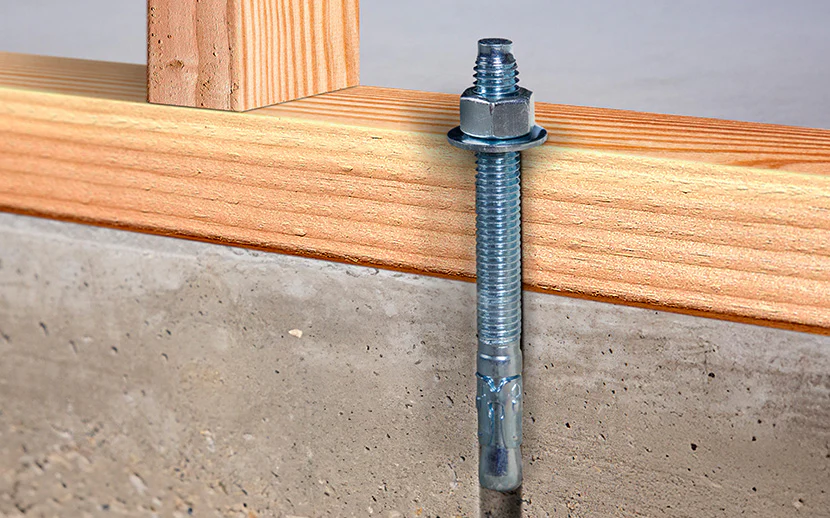
Drilling must proceed perpendicular to the concrete surface to avoid angled holes. Uneven alignment prevents the locking mechanism from engaging the surrounding concrete properly. Workers must drill the hole deeper than the actual anchor embedment depth. Extra space at the bottom collects residual dust during the insertion process. You can use a depth gauge to measure the hole height accurately. Many field supervisors write down the measurement specifications for their installation crew. Accurate depth calculations ensure the fastener sits flush against the industrial baseplate. Proper planning reduces errors when you install wedge anchors in tough structural concrete. Consistent depth control protects the internal steel reinforcement bars from accidental structural damage during drilling. Supervisors inspect each drilled hole prior to the next installation phase.
Clean the Drilled Hole for Optimal Grip
Debris remaining inside the drilled hole reduces the holding power of fasteners. Residual concrete dust acts as a lubricant and causes anchor slippage under load. Workers must blow air into the hole using an industrial hand pump. Next, they use a wire brush to scrub the interior walls. This process loosens packed dust particles clinging to the rough concrete surfaces. Operators then blow air into the hole a second time to clear remaining particles. Clean concrete holes allow stainless steel concrete anchors to expand without any restriction. Solid contact between the steel clip and concrete maximizes the shear capacity. Superior cleaning practices guarantee reliable joint performance in high vibration industrial zones. Engineers always require rigorous cleaning protocols during commercial building inspections.
Drive the Expansion Fastener to Correct Depth
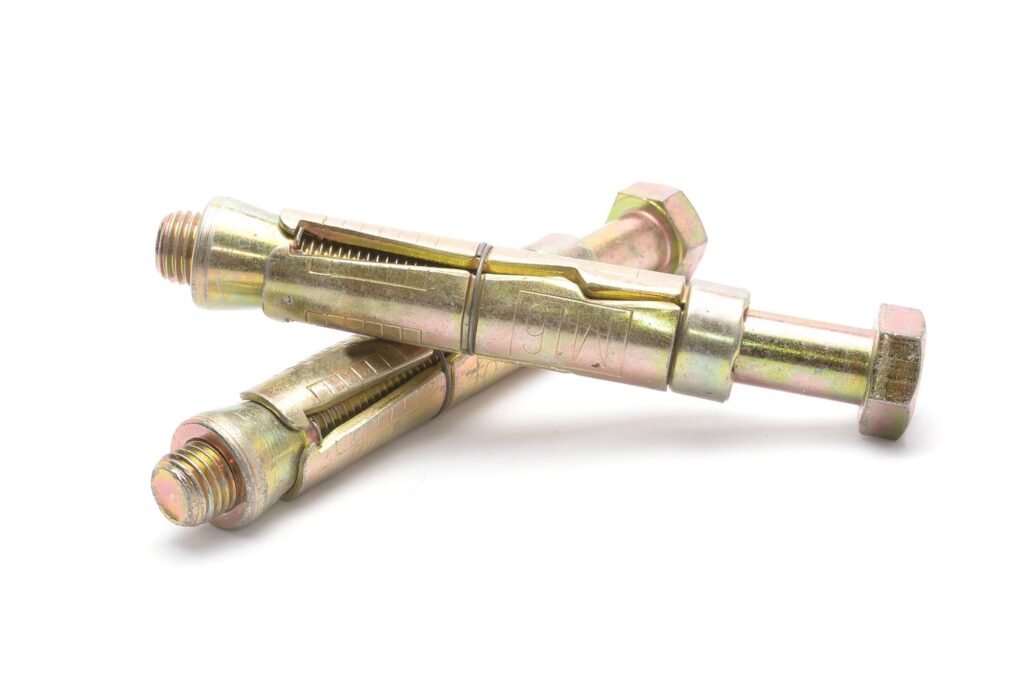
Installers assemble the nut and washer onto the bolt before hammering begins. Thread protection prevents damage when you strike the top of the bolt. Workers position the washer flush against the steel fixture to ensure alignment. You must use a heavy hammer to drive the bolt downward. Stop hammering when the washer meets the metal fixture surface firmly. Heavy impacts can distort threads if workers do not use proper technique. Careless strikes bend the fastener and prevent proper torque application later. Experienced millwrights control their physical force to maintain structural integrity of the metal. Correct alignment guarantees even load distribution across all anchoring points in the foundation. High-quality steel fasteners withstand installation stress without showing visible structural cracks.
Tighten the Nuts with Professional Calibration
Torque application expands the metal collar against the interior concrete hole walls. Operators must utilize a calibrated manual torque wrench for this final step. Impact wrenches over-tighten fasteners and cause microscopic cracks in solid concrete. Under-tightening allows the heavy bolt to slip when high operational loads occur. Technicians follow the exact manufacturer torque specifications to achieve optimal mechanical grip. Proper tension creates a highly reliable friction lock within the aggregate matrix. Workers must check torque values twice during final quality assurance inspections. It is crucial to install wedge anchors using precise engineering standards to avoid failure. Safe operations depend heavily on the correct physical expansion of the metal collar. Calibrated torque settings guarantee the structural integrity of your industrial floor connections.
| Anchor Diameter (Inches) | Minimum Embedment Depth (Inches) | Required Installation Torque (Ft-Lbs) |
|---|---|---|
| 1/4 | 1.125 | 8 |
| 3/8 | 1.5 | 25 |
| 1/2 | 2.25 | 55 |
| 5/8 | 2.75 | 90 |
Analysis of Anchor Torque and Depth Data
This concrete specification data represents standard industrial values for medium-duty fastening applications. You can observe the direct correlation between anchor diameter and required torque values. Larger bolts require deeper embedment to distribute tensile loads into the concrete base. Stainless steel wedge anchors perform exceptionally well under these high-torque mechanical conditions. The expansion collar requires specific tension to bite into the aggregate material safely. Engineers consult these tables to draft accurate construction blueprints for factory floor setups. Contractors must adjust torque values based on concrete density and local building codes. Accurate measurements guarantee that your mechanical systems remain stable under dynamic load pressures. Strict adherence to torque metrics prevents structural slip over long periods of operation. Safety inspections always prioritize verification of these essential torque parameters before final approval.
Equipment to Set Concrete Anchors
Industrial field operations demand specific physical tools to achieve secure mechanical attachments. Contractors must prepare their equipment inventory before arriving at the commercial construction site. Missing tools cause costly project delays and compromise the physical safety of your workers. The necessary gear includes high-powered hammer drills, safety goggles, and calibrated wrenches. High-quality carbon steel brushes remove concrete dust better than standard plastic cleaning brushes. Crews also require solid personal protective equipment to handle high noise levels safely. Having all necessary tools nearby streamlines the installation workflow for your structural team. Reliable equipment ensures every fastener meets the rigorous quality requirements of modern engineering. Supervisors examine the equipment condition daily to guarantee continuous productivity on the job. Well-maintained tools extend the lifetime of your drills and minimize project overhead costs.
Rotary hammer drill with SDS-plus chuck system
Carbide-tipped masonry drill bits matching ANSI standards
Professional wire hole-cleaning brushes
Industrial dust blow pump or oil-free compressed air source
Calibrated manual click-type torque wrench
Heavy duty steel hammers for anchor driving
Personal protective gear including goggles and hearing defense
Explanation of Required Anchor Equipment and Tools
Each item in the equipment inventory plays a vital role in structural fastening safety. Rotary hammer drills provide the rapid physical impacts required to pulverize hard aggregate materials. Operators select carbide-tipped bits to maintain consistent hole geometry during drilling processes. Wire brushes scour the internal concrete walls to create maximum friction surfaces for clips. Dust removal pumps clear loose concrete powder that prevents proper mechanical expansion. Steel hammers allow workers to insert bolts without damaging the sensitive external threads. Calibration of your torque wrenches guarantees that tension limits meet design load ratings perfectly. Safe workspaces require complete personal protective equipment to shield crew members from physical hazards. You must train workers to install wedge anchors using these specific professional tools. Proper tool organization increases field productivity and reduces mechanical errors during construction projects.
Mechanical Limits Based on Concrete Strengths
Concrete compressive strength affects the load-bearing capacity of mechanical expansion systems. Heavy structures require different fastening specifications based on cured concrete PSI ratings. Operators must verify concrete age and compressive test data before selecting anchor designs. Lower concrete strength requires larger fasteners or deeper embedment to maintain structural safety. High-strength concrete allows for higher load limits and shorter overall anchor embedment lengths. Technical teams review engineering tables to determine safe load margins for heavy equipment. Standard concrete blocks have different density values compared to poured structural concrete foundations. Industry professionals always analyze these mechanical variables to prevent accidental pullout failures. Accurate concrete assessment prevents catastrophic failure of structural attachments under extreme load conditions. Structural designers calculate safety factors using physical material parameters and site inspection reports.
| Concrete Strength (PSI) | Tension Load Capacity (Lbs) | Shear Load Capacity (Lbs) |
|---|---|---|
| 2,000 | 1,400 | 1,800 |
| 3,000 | 2,100 | 2,500 |
| 4,000 | 2,900 | 3,200 |
Analysis of Concrete Load Capacity Values
The concrete performance values confirm that mechanical capacity improves as compressive strength increases. Solid aggregate material resists shear forces and prevents premature pullout of the steel bolt. Engineers reference these specific calculations to determine optimal safety margins in industrial structures. Environmental factors like moisture also influence the physical performance of your heavy fasteners over time. Structural designers select special materials to prevent rust when installing fixtures in damp areas. High-density structures handle dynamic operational stress much better than lightweight concrete blocks. Regular physical testing verifies that on-site concrete matches the design compressive strength values. Operators always inspect the concrete substrate prior to executing any mechanical anchoring procedures. Planning for correct load distribution protects commercial assets and ensures continuous structural compliance. Field engineers must document substrate inspections to satisfy local building authority safety regulations.
Best Professional Practices to Install Wedge Anchors
Successful anchoring depends on strict compliance with certified commercial installation protocols. Field workers must verify that each component meets project load requirements before final assembly. Routine quality control checks guarantee that bolts maintain their grip under operational vibration. Technicians examine expansion clips periodically to confirm the physical condition of industrial joint connections. Proper tool maintenance ensures that torque wrenches remain perfectly calibrated for everyday site tasks. Qualified safety supervisors oversee all anchoring procedures on active commercial building construction sites. Comprehensive documentation of each fastening step satisfies insurance requirements and local municipal building codes. Following systematic workflows prevents mechanical issues and guarantees long-term durability of structural connections. Corporate managers invest in regular crew training to maintain high productivity and field excellence. Safety-first strategies protect capital investments and create a reliable foundation for business growth.
FAQ
What causes a wedge fastener to slip in old masonry?
Structural failure in weak masonry often relates to poor hole drilling practices. Operators who use worn drill bits generate oversized holes that compromise mechanical grip. Soft aggregate substrates cannot withstand the extreme expansion forces created by the metal clip. Debris left inside the hole prevents the collar from sliding into position correctly. This lack of friction leads to sudden pullout when machines create strong vibration. Engineers recommend special epoxy systems when you install wedge anchors in deteriorated brick foundations. Regular inspection of the substrate ensures that materials can handle heavy load capacities safely. Crews must check the concrete quality before choosing heavy mechanical fastening solutions. Using the right anchoring methods prevents unexpected structural shift during operations. Qualified site managers verify aggregate stability to avoid major equipment damage.
How deep should you drill for a heavy duty expansion bolt?
Proper installation depth depends on the specific bolt diameter and engineering design requirements. Workers must drill at least one-half inch deeper than the calculated embedment depth. Extra depth provides a dust reservoir that prevents the bolt from bottoming out early. Accurate depth measurement ensures that the expansion clip contacts solid concrete at correct levels. Operators should mark the drill bit with tape to achieve consistent depth results. Many structural projects require a minimum embedment depth of four times the bolt diameter. Professional engineers inspect drilled holes prior to bolt insertion to confirm compliance with codes. Careful preparation during the drilling phase guarantees maximum tension holding power for fasteners. Consistent dimensions prevent structural movement when heavy machinery runs at maximum capacity.
Can you reuse concrete anchors after removal?
Contractors must never reuse expansion bolts after extracting them from old concrete. The expansion clip undergoes irreversible mechanical deformation during the initial tightening process. Metal fatigue reduces the holding capacity of the steel collar if you reinstall it. Damaged threads also prevent operators from achieving the required calibration torque during reassembly. Safety protocols in the commercial building sector strictly forbid the reuse of heavy-duty mechanical fasteners. Always replace old hardware with new fasteners to protect structural integrity and worker safety. Buying new high-quality fasteners prevents expensive liability issues and mechanical failures in your facility. Professional builders prioritize field safety by discarding all used components during renovations. Quality replacement parts secure heavy industrial systems and minimize structural risks over time.