Acme vs Trapezoidal Lead Screw in Industrial Motion Systems
Acme vs trapezoidal lead screw comparisons appear frequently in industrial purchasing discussions. Both thread systems support controlled linear movement inside automated equipment. Manufacturers install these screws inside CNC routers, packaging systems, textile machines, and positioning assemblies. American factories usually prefer Acme threads because domestic standards support easier sourcing. European machinery often uses metric trapezoidal threads for compatibility reasons. Industrial engineers evaluate efficiency, backlash control, load stability, and machining precision before choosing either design. Production managers additionally compare lifecycle costs and maintenance frequency during procurement reviews. Proper thread selection improves positioning consistency and reduces unexpected downtime inside high-cycle production environments. Careful analysis therefore helps OEM buyers avoid dimensional mismatches during international component sourcing operations.
Thread Geometry Creates Different Mechanical Behavior
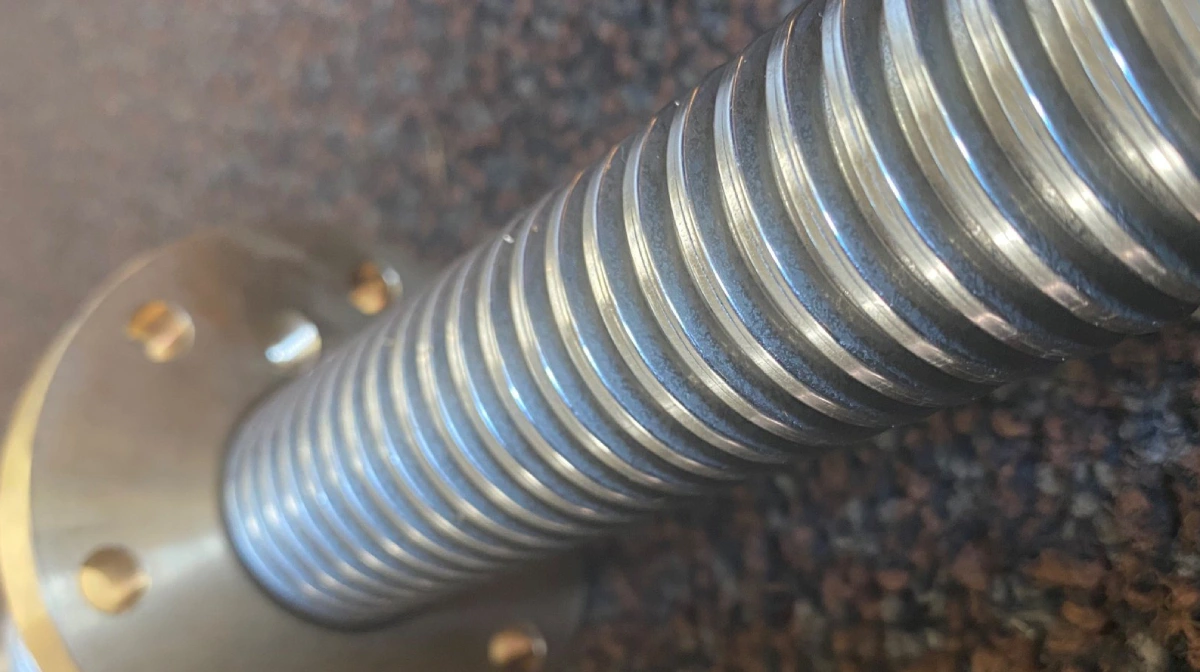
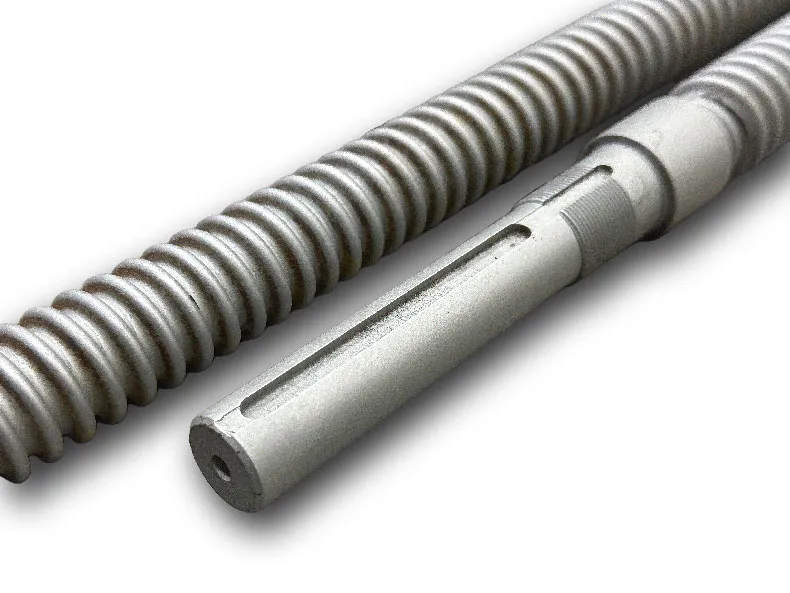
Thread shape strongly affects mechanical performance during linear motion transmission. Acme screws normally use a 29-degree thread angle across both flanks. Trapezoidal screws commonly feature a 30-degree metric thread profile instead. That small dimensional difference influences contact pressure and sliding friction behavior. Wider thread roots additionally improve durability during repeated load cycling conditions. Engineers frequently select larger flank surfaces for higher axial force distribution. Proper geometry also minimizes vibration inside automated positioning assemblies. Some heavy systems integrate a threaded rod for machine alignment applications because stronger thread engagement improves stability. Thread flank precision becomes especially important during high-speed operation because uneven surfaces accelerate wear generation. Accurate machining therefore remains essential for long-term reliability across industrial automation equipment and precision mechanical assemblies.
Acme vs Trapezoidal Lead Screw Manufacturing Standards
Acme vs trapezoidal lead screw standards differ across international manufacturing regions. Acme thread dimensions follow imperial specifications developed within the United States. Trapezoidal threads instead follow metric DIN standards widely adopted throughout Europe. Purchasing departments must therefore confirm dimensional compatibility before placing bulk component orders. Minor pitch differences frequently create installation problems inside imported machinery systems. Nut engagement accuracy also changes when engineers combine incompatible thread standards accidentally. Many OEM factories maintain separate inventories because cross-platform substitution creates alignment risks. International automation suppliers often provide detailed tolerance charts for verification purposes. Heat treatment procedures additionally vary according to operational requirements and thread dimensions. Consistent manufacturing standards help industrial buyers maintain repeatable assembly quality across large production batches and long-term equipment maintenance programs.
Load Capacity and Torque Transmission Performance
Industrial machinery requires strong load capacity during continuous operating cycles. Acme threads usually perform well under heavy axial force conditions because broader roots distribute stress efficiently. Trapezoidal systems also support high loads but emphasize smoother metric positioning characteristics. Engineers often evaluate torque transmission before selecting a screw assembly configuration. Greater contact surface area normally improves stability during repetitive motion sequences. Production equipment with high vibration exposure benefits from stronger thread engagement and reduced backlash behavior. Large CNC systems frequently combine hardened nuts with stainless steel lead screw assemblies for corrosion resistance and operational consistency. Lubrication quality additionally affects torque efficiency across extended production cycles. Proper preload adjustment reduces noise generation while improving positional repeatability inside automated manufacturing environments and precision linear control systems.
Material Selection for Precision Lead Screw Assemblies
Material selection significantly affects operational durability and mechanical efficiency. Carbon steel screws provide high strength for demanding industrial applications with moderate environmental exposure. Stainless steel versions resist moisture damage and chemical contamination inside food processing environments. Bronze nuts commonly reduce friction because softer surfaces prevent thread galling during continuous movement.Polymer nuts additionally support quieter operation across lightweight automation systems.
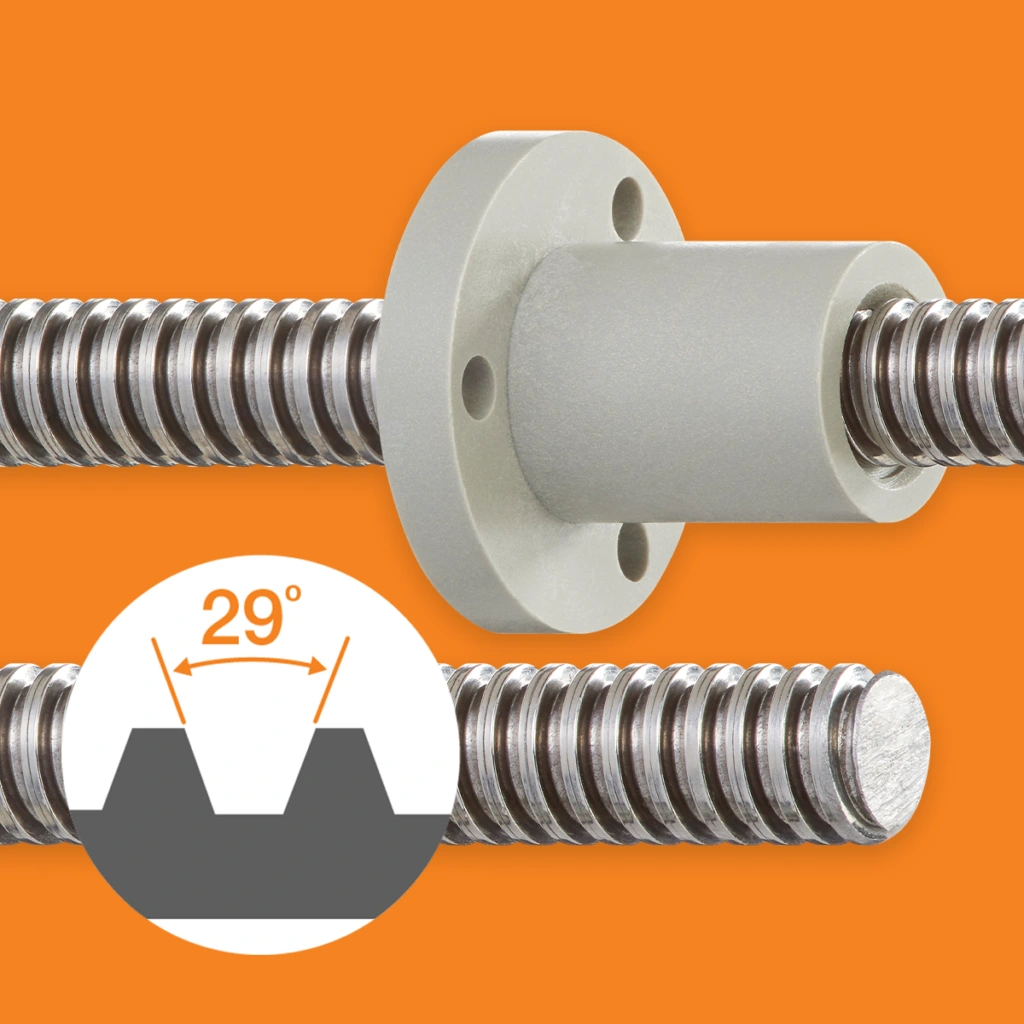
Engineers also examine hardness ratings before approving component specifications for large-scale production equipment. Surface coatings sometimes improve corrosion resistance and minimize lubrication requirements during extended service periods. Induction hardening processes further increase wear resistance along heavily loaded thread surfaces. Manufacturers must balance machining cost, environmental conditions, and operational lifespan before selecting suitable material combinations for industrial lead screw assemblies and automated positioning systems.
Common Industrial Applications Across CNC Equipment
Linear motion systems rely heavily on precision lead screw assemblies across industrial sectors. CNC routers use threaded drive systems for repeatable cutting movement and dimensional stability. Packaging machines additionally require synchronized positioning during high-speed product handling operations. Medical automation equipment depends on accurate linear travel for precise dosage and alignment control. Semiconductor factories also use lead screws inside clean-room positioning platforms with strict tolerance demands. Textile machinery often operates continuously for long production cycles under repetitive mechanical stress. Heavy industrial presses require stronger thread engagement because high axial loads increase operating pressure significantly. Automated warehouse systems additionally integrate lead screw assemblies for vertical lifting and positioning tasks. Industrial automation therefore depends on reliable screw performance for accurate movement control and long-term operational consistency across diverse manufacturing environments.
Key Advantages of Acme Thread Profiles
Acme thread profiles deliver several advantages for industrial equipment manufacturers and OEM suppliers. Broader thread roots improve structural strength during demanding mechanical operations with heavy axial pressure. Machinists also produce Acme threads efficiently because tooling availability remains widespread throughout global manufacturing markets. Strong flank engagement helps minimize backlash during repetitive motion cycles across automated systems. Industrial maintenance teams frequently prefer Acme assemblies because replacement components remain accessible from multiple suppliers. Lubrication channels additionally perform effectively because wider thread spaces retain grease during operation. Heavy-duty machinery therefore benefits from improved wear resistance and reduced stress concentration along threaded surfaces. Consistent performance under large mechanical loads makes Acme systems valuable for industrial presses, positioning equipment, and automated production assemblies requiring dependable long-term operational reliability.

Benefits of Trapezoidal Screw Designs
Metric trapezoidal designs support international compatibility across European and Asian manufacturing industries. Standardized metric dimensions simplify procurement for multinational equipment manufacturers with global production networks. Engineers often choose trapezoidal threads for smoother positioning accuracy during precision automation processes. Reduced dimensional conversion errors additionally improve assembly consistency across imported machine systems. Smaller metric increments also help engineers achieve accurate positioning calibration during equipment installation procedures. Automation suppliers frequently maintain extensive trapezoidal inventories because international demand continues increasing across industrial markets. High-precision machinery benefits from reliable metric repeatability during synchronized motion control operations. Maintenance technicians additionally appreciate simplified replacement sourcing because metric standards remain widely recognized throughout industrial supply chains. Trapezoidal systems therefore remain highly practical for modern automated production equipment requiring international component compatibility.
Comparison Table for Industrial Buyers
| Feature | Acme Thread | Trapezoidal Thread |
|---|---|---|
| Thread Angle | 29 Degrees | 30 Degrees |
| Measurement System | Imperial | Metric |
| Main Standard | ANSI | DIN |
| Primary Market | North America | Europe and Asia |
| Machining Availability | Very Common | Widely Available |
| Heavy Load Capacity | Excellent | Very Good |
Industrial buyers should compare standards carefully before approving production contracts. Dimensional incompatibility creates expensive delays during assembly integration and maintenance scheduling operations. Procurement teams often verify thread pitch, flank tolerances, and nut compatibility before shipment approval. Large factories additionally request inspection documentation to confirm machining accuracy and surface quality. Reliable suppliers usually provide hardness reports, coating specifications, and tolerance certifications during commercial negotiations. Strong technical verification therefore reduces operational risks across international manufacturing supply chains.
Performance Data for Industrial Motion Systems
| Performance Factor | Acme System | Trapezoidal System |
|---|---|---|
| Backlash Control | Strong | Strong |
| Metric Compatibility | Limited | Excellent |
| High-Speed Stability | Very Good | Very Good |
| Maintenance Frequency | Moderate | Moderate |
| Corrosion Resistance Options | Available | Available |
| OEM Sourcing Flexibility | High | High |
Performance comparisons help manufacturers evaluate operational priorities before selecting thread systems. Heavy equipment producers often emphasize load strength and wear resistance during procurement decisions. Precision automation factories instead focus heavily on positioning repeatability and metric compatibility. Environmental conditions additionally affect coating selection, lubrication schedules, and maintenance planning strategies. Detailed technical evaluation therefore improves long-term operational efficiency across industrial automation projects and precision manufacturing installations.
Important Purchasing Factors for OEM and B2B Buyers
Acme vs trapezoidal lead screw procurement decisions require detailed technical evaluation from OEM engineering teams. Buyers normally review dimensional tolerances before approving mass-production component contracts. Surface finishing quality strongly influences friction behavior and long-term thread wear performance. Heat treatment consistency additionally affects hardness distribution along threaded surfaces during continuous industrial operation. Reputable manufacturers commonly provide inspection certifications for dimensional verification and metallurgical analysis. Production managers also examine machining repeatability because inconsistent tolerances increase assembly alignment problems significantly. Bulk purchasing agreements frequently include lifecycle testing requirements for demanding automation environments. International suppliers with advanced CNC threading capabilities usually maintain better production consistency across large commercial orders. Thorough supplier qualification therefore remains essential for industrial buyers seeking reliable long-term mechanical performance.
Maintenance Practices for Longer Service Life
Regular maintenance significantly extends operational lifespan across industrial lead screw assemblies. Lubrication schedules should match operating speed, environmental contamination levels, and mechanical load conditions. Dust accumulation frequently damages thread surfaces because abrasive particles increase friction during movement cycles. Protective covers therefore improve durability inside woodworking machinery and heavy industrial workshops. Maintenance technicians additionally inspect alignment because angular deviation accelerates uneven thread wear patterns rapidly. Worn nuts often create backlash issues that reduce positioning accuracy during automated production sequences. Proper lubrication viscosity also supports smoother torque transfer and lower operating temperatures. Inspection programs usually include vibration monitoring, thread surface evaluation, and preload verification procedures. Consistent preventive maintenance therefore minimizes downtime while improving operational reliability across industrial automation equipment and precision positioning systems.
Selecting the Correct Lead Screw for Production Equipment
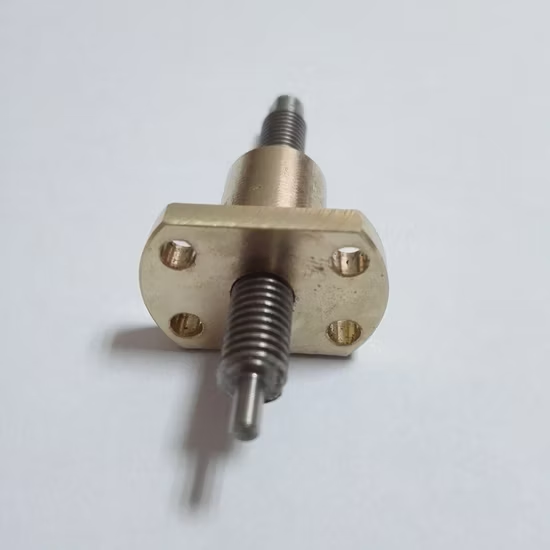
Acme vs trapezoidal lead screw selection depends heavily on operational requirements and regional engineering standards. American machinery manufacturers frequently prioritize Acme systems because domestic replacement sourcing remains straightforward and cost-efficient. European automation builders often select trapezoidal profiles for metric compatibility across international supply networks. Engineers additionally evaluate load capacity, backlash tolerance, and environmental exposure before finalizing procurement specifications. Heavy industrial applications normally require stronger thread engagement and hardened material combinations for extended durability. Precision positioning systems instead emphasize smoother motion control and dimensional repeatability during continuous operation. Production facilities should also compare maintenance costs against expected operational lifespan before investment approval. Careful technical analysis therefore supports better equipment performance, reduced downtime, and stronger manufacturing efficiency throughout demanding industrial automation environments.
FAQ
Which lead screw works better for CNC machinery?
CNC machinery performance depends heavily on positioning accuracy, vibration stability, and operational load conditions. Acme screws often perform well inside heavy industrial CNC routers because wider thread roots improve strength during continuous machining cycles. Trapezoidal screws additionally support precise metric positioning for European automation systems and imported machine platforms. Engineers usually evaluate backlash levels, lubrication efficiency, and material hardness before selecting a thread profile. Larger CNC equipment commonly requires hardened nuts and precision-machined screw surfaces for stable movement control. Maintenance schedules also influence long-term accuracy because poor lubrication accelerates thread wear. Proper screw selection therefore depends on machine size, production speed, environmental exposure, and dimensional accuracy requirements.
Can Acme and trapezoidal nuts replace each other?
Acme and trapezoidal nuts normally cannot replace each other safely because dimensional standards differ slightly. Acme threads follow imperial measurements with a 29-degree angle, while trapezoidal systems use metric standards with a 30-degree profile. Small dimensional differences create alignment errors and uneven load distribution during operation. Improper thread engagement additionally increases backlash, vibration, and premature wear across mechanical assemblies. Industrial engineers therefore verify pitch, thread angle, and diameter specifications before approving replacement components. International machinery suppliers often maintain separate inventories because compatibility issues create costly maintenance failures. Accurate dimensional matching remains essential for stable motion transmission, efficient torque handling, and long-term equipment reliability across industrial automation environments.
Which materials improve lead screw durability most?
Material selection strongly affects durability, corrosion resistance, and friction performance inside industrial lead screw systems. Hardened carbon steel provides excellent strength for heavy machinery operating under large axial loads and repetitive movement cycles. Stainless steel versions resist moisture and chemical contamination effectively inside food processing or medical production environments. Bronze nuts frequently reduce wear because softer contact surfaces prevent thread galling during continuous operation. Polymer nuts additionally support quieter movement and reduced lubrication requirements within lightweight automation assemblies. Engineers also evaluate surface coatings and heat treatment procedures because hardened surfaces improve wear resistance significantly. Proper material combinations therefore increase operational lifespan while supporting stable positioning accuracy across demanding industrial manufacturing systems.