Advanced Motion Errors in Precision Mechanical Systems
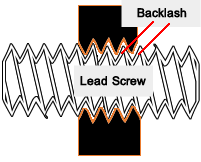
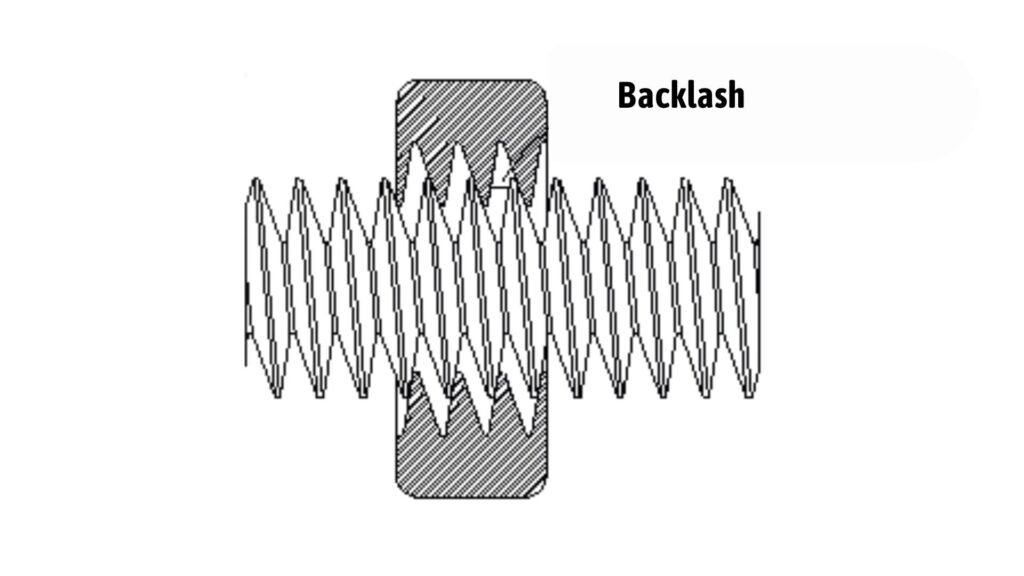
Lead screw backlash appears when axial clearance develops between screw threads and nut engagement. This condition reduces positioning accuracy in linear motion systems. Industrial machines rely on tight tolerances to maintain repeatable movement. Even small gaps can create measurable positioning deviation during load reversal. Engineers often observe this issue in CNC platforms and automation equipment. The problem usually originates from wear, assembly tolerance, or design limitations. In high precision environments, backlash directly affects machining quality and dimensional stability. Motion systems with repeated directional changes show higher sensitivity to this phenomenon. Proper system design and maintenance strategies help minimize performance degradation over time.
Diagnostic Techniques for Motion Deviation Detection
Engineers measure lead screw backlash using dial indicators and encoder feedback systems. These tools capture positional deviation during directional reversal cycles. A controlled test setup ensures repeatable measurement conditions. Operators often compare forward and reverse travel distances to identify mechanical play.
| Method | Accuracy Level | Application |
|---|---|---|
| Dial Indicator | Moderate | Manual inspection |
| Linear Encoder | High | CNC systems |
This comparison shows how advanced sensors improve detection precision in industrial environments. Lead screw backlash is more accurately quantified using digital systems than manual gauges.
Mechanical Design Influences on Positional Stability
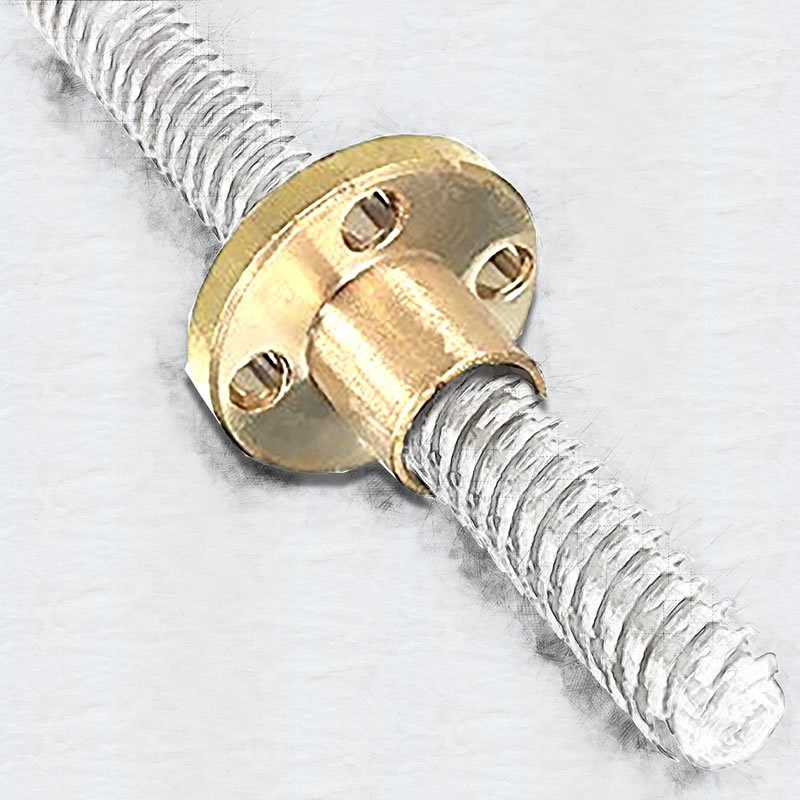
Mechanical structure plays a major role in system accuracy. Clearance between nut and screw directly affects motion consistency. Poor alignment increases uneven load distribution across threads. Engineers must balance friction reduction with positional rigidity. In some systems, threaded rod for machine applications is used for lower precision tasks where slight deviation is acceptable. High precision assemblies require tighter tolerances and controlled preload mechanisms. Geometry of the thread profile also influences contact stability during motion reversal. Lead pitch selection determines resolution and force transmission efficiency. Structural stiffness reduces vibration effects during directional changes. These combined factors define system performance limits under dynamic loads.
Material Engineering and Surface Interaction Behavior
Material selection significantly affects wear resistance and motion consistency. Steel alloys provide higher durability under repeated load cycles. Polymer nuts reduce friction but increase deformation risk under heat. In precision assemblies, stainless steel lead screw configurations offer improved corrosion resistance and long service life. Lead screw backlash often increases when surface hardness mismatch accelerates wear between mating components. Lubrication compatibility also depends on material pairing. Surface finishing quality influences friction coefficient and motion smoothness. Engineers evaluate wear rate under continuous cycling tests to predict service lifespan. Proper material pairing reduces long term degradation and maintains positional accuracy in demanding environments.
Lubrication Control and Operational Stability
Lubrication directly impacts friction behavior and thermal stability in motion systems. Thin lubrication films reduce wear but require frequent maintenance cycles. Excess lubrication attracts contaminants that increase abrasive damage. Contamination accelerates mechanical clearance expansion over time. Engineers monitor lubricant condition using viscosity and particle analysis. Lead screw backlash can increase when lubrication breaks down under high load conditions. Stable lubrication systems maintain consistent torque transfer across operating cycles. Maintenance schedules must match duty cycle intensity to prevent performance loss. Proper lubrication strategy extends operational lifespan and reduces unexpected mechanical deviation.
Manufacturing Tolerances and Assembly Precision
Production accuracy determines long term system reliability. CNC machining defines thread consistency within micrometer-level tolerances. Assembly misalignment introduces uneven load distribution across nut interfaces. Lead screw backlash may increase when preload calibration is inconsistent during installation. Quality control systems inspect thread pitch accuracy and surface finish consistency. Operator error during assembly can introduce angular misalignment in support bearings.
| Factor | Impact on Accuracy | Control Method |
|---|---|---|
| Thread tolerance | High | CNC precision machining |
| Assembly alignment | Medium | Laser calibration |
This table highlights how manufacturing variables influence motion precision.
System Compensation and Performance Optimization
Engineers apply multiple techniques to reduce mechanical deviation. Preloaded nut systems remove internal clearance effectively. Spring-loaded assemblies maintain constant contact pressure between components. Software compensation adjusts motion commands in CNC controllers. Lead screw backlash can be minimized but not completely eliminated in all mechanical systems. Compensation improves repeatability under dynamic load changes. Some systems integrate hybrid mechanical and digital correction methods. Predictive control algorithms adjust movement paths based on measured deviation history. Proper tuning ensures stable performance in high speed automation environments.
Quality Standards and Industrial Testing Requirements
Industrial quality frameworks define acceptable tolerance ranges for motion systems. ISO 230-2 defines positioning accuracy and repeatability testing for machine tools, while ISO 10791 specifies machining center geometric and performance evaluation methods. ISO 3408 covers ball screw assemblies and provides axial play measurement references, and DIN 69051 defines German standards for ball screw drive tolerances and inspection procedures.Within these frameworks, lead screw backlash measurement is included in full system validation protocols. Repeatability testing ensures consistent performance under repeated operational cycles, and engineers perform load based evaluations to simulate real operating conditions.Testing environments control temperature and vibration to ensure reliable results, while compliance improves system interoperability across global manufacturing platforms. These standards collectively support consistent quality control in precision motion systems.
Optimization Strategies for Long Term Precision
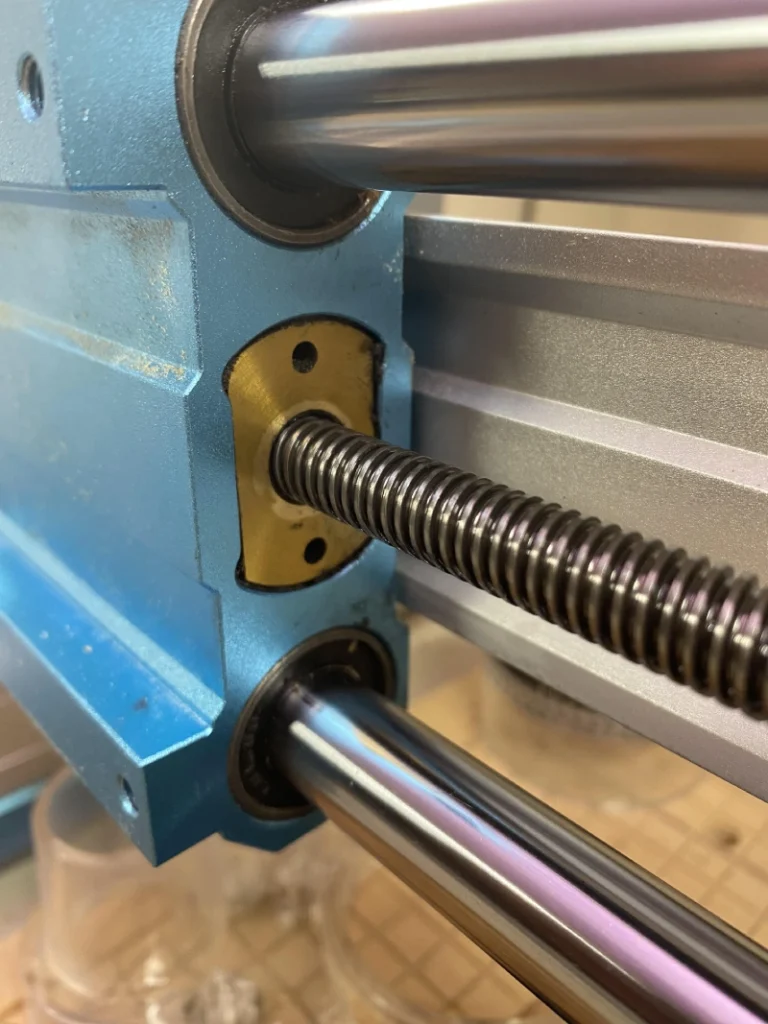
Design optimization focuses on reducing mechanical clearance and improving rigidity. Advanced coatings reduce friction and wear between mating surfaces.
FAQ
What is the acceptable range of lead screw backlash in precision machines?
Acceptable values depend on application requirements and system scale. High precision CNC machines often require extremely low deviation levels. Industrial automation systems may tolerate slightly higher values. Engineers define acceptable thresholds based on repeatability and positioning accuracy. Measurement conditions also influence observed values. Load direction changes reveal maximum deviation levels during testing cycles. Calibration procedures ensure results remain consistent across operating environments. Regular inspection helps maintain system stability over time. Manufacturing standards provide guidance for acceptable tolerance ranges in different industries.
How does lead screw backlash affect CNC machining accuracy?
Positional deviation directly impacts cutting precision in CNC operations. Tool paths may shift during directional changes in motion systems. This results in dimensional errors on finished components. Surface quality can also degrade due to inconsistent feed motion. Compensation systems help reduce visible machining defects. Control algorithms adjust movement commands to improve repeatability. Mechanical wear increases deviation over time if not maintained properly. Operators often monitor system performance through periodic calibration checks. Stable motion systems ensure higher product consistency and reduced scrap rates.
Can lead screw backlash be completely eliminated?
Complete elimination is not realistically achievable in mechanical systems. Even precision components require minimal operational clearance. Engineers reduce effects through preload mechanisms and compensation systems. Material selection and lubrication also influence final performance. Manufacturing tolerances define lower limits of achievable accuracy. Digital correction systems improve perceived motion stability significantly. Maintenance practices help prevent degradation over time. System design focuses on minimizing rather than fully removing deviation. Balanced engineering approaches deliver optimal long term performance.