Structural Evaluation for reuse concrete anchors after removal in Construction Systems
Reuse concrete anchors after removal is a critical engineering decision that directly affects structural safety and load performance in concrete systems. When anchors are extracted, the surrounding concrete often suffers micro-cracking, pore disruption, and localized crushing. These microscopic changes weaken frictional resistance and reduce mechanical interlock. Engineers must evaluate whether the load transfer mechanism remains functional after extraction. In many cases, damage is hidden beneath the surface and cannot be detected visually. Even slight deformation of the borehole geometry can significantly reduce anchoring efficiency. Therefore, engineers treat each case individually rather than applying generalized assumptions across different construction scenarios.
Structural Evaluation for reuse concrete anchors after removal in Construction Systems
The evaluation process begins with detailed inspection of the drilled hole and surrounding substrate condition. Engineers analyze radial cracks, edge spalling, and borehole enlargement to determine structural integrity. These indicators help determine whether sufficient mechanical interlock can still be achieved. Load capacity is estimated based on residual friction and concrete strength. In high-load structures, even minor defects are treated as unacceptable risks. Simulation models may be used to analyze stress redistribution after reinstallation. Field measurements are compared with original installation data when available. If uncertainty exceeds safety thresholds, replacement is selected as the safer engineering option.
Mechanical Behavior and Load Transfer Degradation
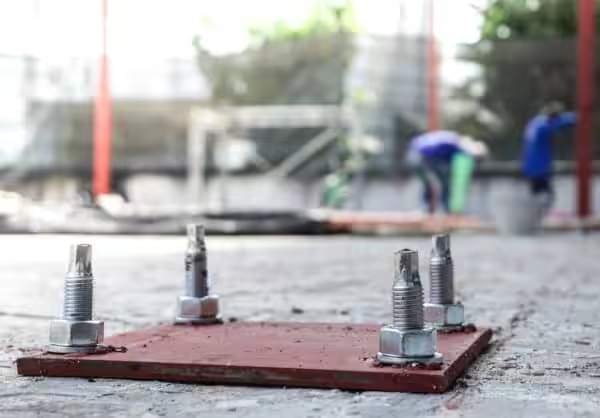
Anchoring systems rely on friction, expansion force, and interlock mechanisms to transfer loads into concrete. Once removed, these mechanisms are permanently disrupted. Micro-cracks form around the embedded zone, reducing bonding efficiency. Reinstallation into the same hole typically results in reduced pull-out resistance. Repeated stress exposure further accelerates fatigue in the surrounding material. Engineers observe increased stress concentration in previously disturbed zones. Over time, this leads to progressive structural weakening under service loads. Even small geometric changes can significantly affect load-bearing performance. Therefore, reuse decisions must consider both visible and hidden internal damage.
Standardized Testing and Engineering Validation
Engineering validation relies on standardized testing methods to ensure consistent evaluation of anchoring performance. ASTM E488 is commonly used for tensile and shear resistance testing in concrete systems. These tests simulate real-world load conditions under controlled environments. Cyclic loading tests are particularly important for evaluating long-term fatigue behavior. Engineers compare results with minimum safety requirements defined in design codes. Cracked and uncracked concrete conditions are evaluated separately to reflect real construction environments. This ensures accurate performance interpretation across different structural scenarios.
| Test Method | Purpose | Evaluation Focus |
|---|---|---|
| Tensile Test | Measure axial resistance | Pull-out strength |
| Shear Test | Evaluate lateral load behavior | Side-load capacity |
| Cyclic Test | Simulate repeated stress | Fatigue durability |
These standardized methods provide a reliable technical basis for engineering decisions and reduce uncertainty in structural evaluation.
Material Fatigue and Environmental Exposure
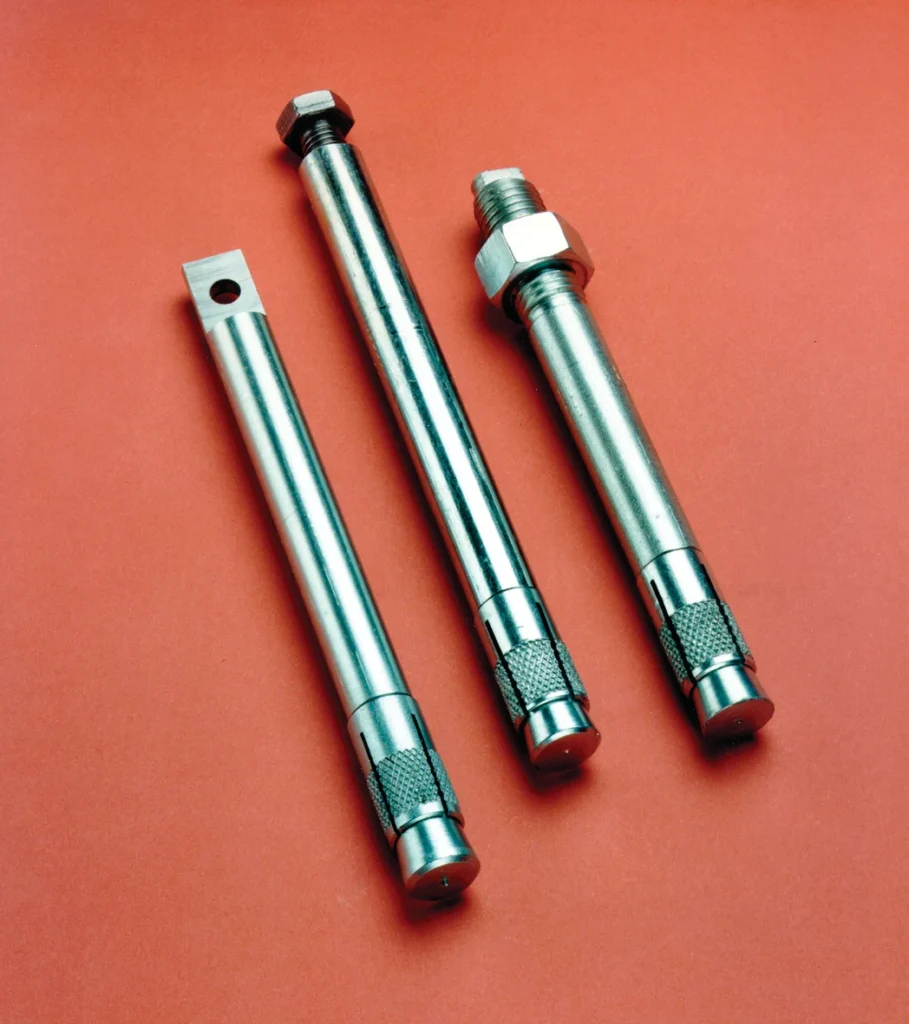
Steel components used in anchoring systems gradually experience material fatigue under repeated mechanical loading and environmental exposure. Microscopic structural changes accumulate over time, reducing elasticity and load-bearing capacity. Corrosion significantly accelerates degradation in humid, coastal, or chemically aggressive environments. Surface oxidation weakens the bond between metal components and surrounding concrete. Protective coatings may slow deterioration but cannot fully eliminate long-term environmental effects. Marine and industrial conditions further increase corrosion rates and structural wear. Engineers must consider both mechanical fatigue and chemical degradation during performance evaluation. These combined factors determine whether reuse remains structurally acceptable.
Installation Quality and Structural Limitations
Installation quality has a direct impact on anchoring performance and long-term reliability. Over-torquing can damage expansion mechanisms and reduce load capacity. Incorrect hole diameter weakens frictional engagement between anchor and concrete. Misalignment introduces uneven stress distribution under load. These issues become more critical after removal and reinstallation. Field conditions often differ from laboratory assumptions. Contractors must follow precise manufacturer specifications to ensure predictable performance. Even small deviations can significantly reduce structural capacity. Engineers often recommend replacement when installation quality cannot be verified.
High-Performance Anchoring Materials in Industrial Applications
In demanding environments, material selection plays a key role in durability and performance stability. Stainless steel concrete anchors are widely used in corrosive or coastal environments. Their corrosion resistance improves long-term structural reliability. However, even high-strength materials cannot compensate for damaged concrete substrates. Engineers prioritize substrate integrity over material strength during evaluation. Proper environmental classification is essential before selecting fastening systems. Regular inspection ensures continued performance in critical structural applications. Material selection must align with both load requirements and exposure conditions.
Advanced Expansion Systems in Structural Engineering
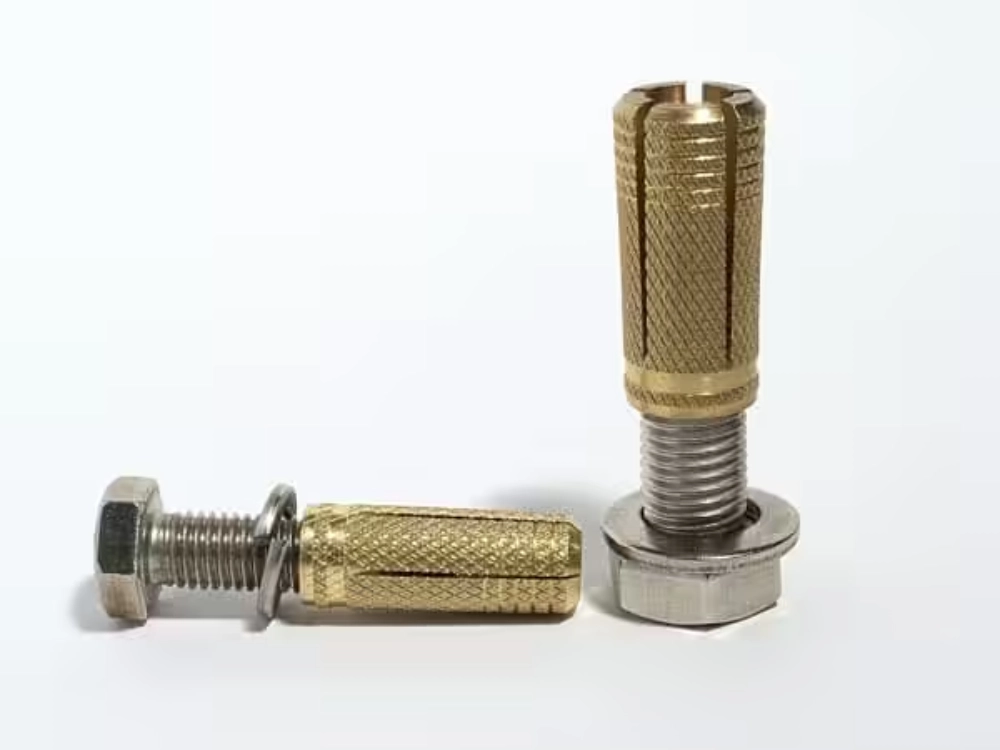
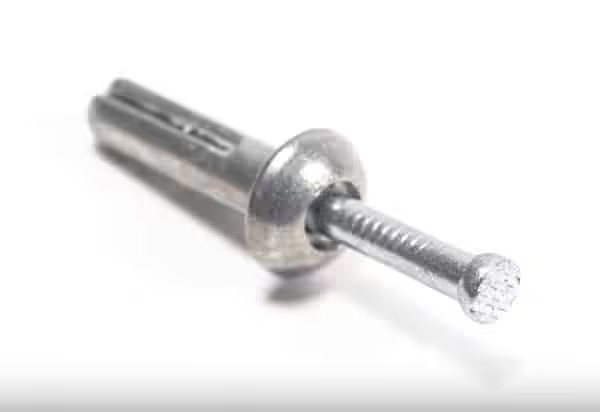
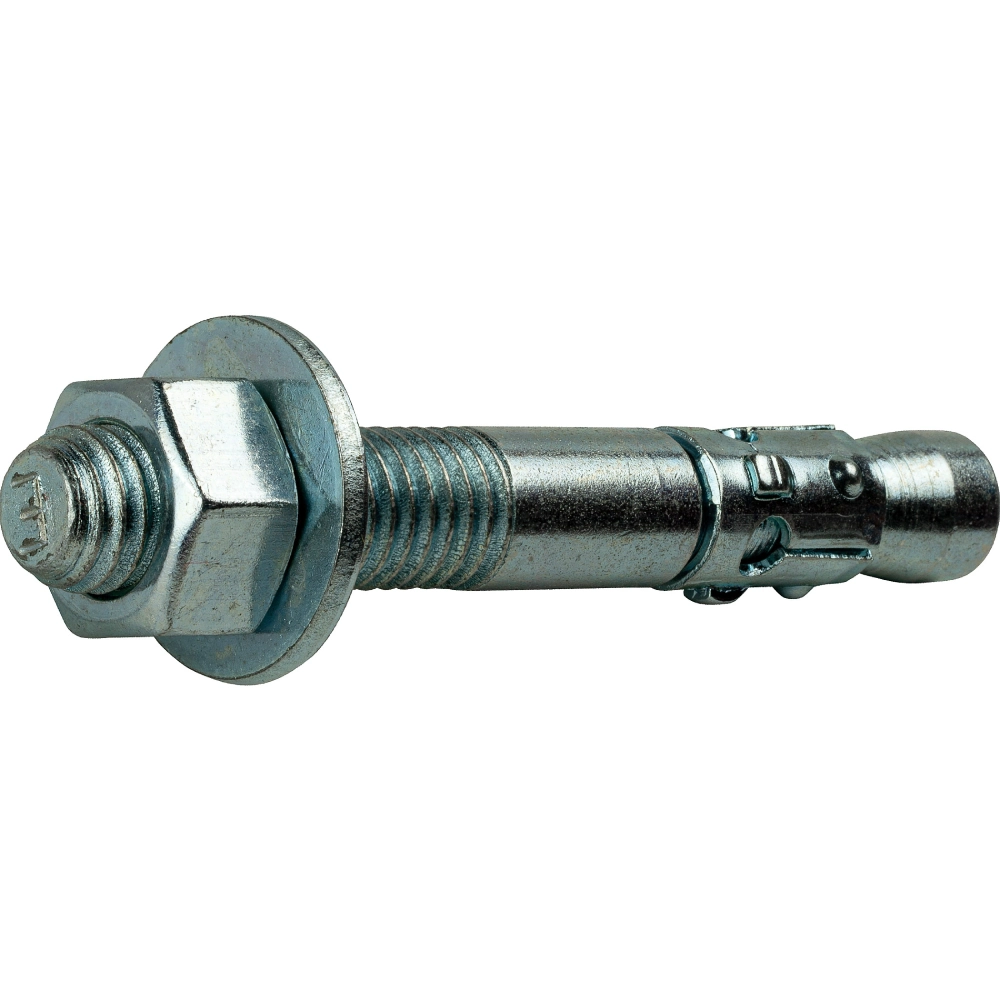
Different anchoring systems are designed for specific load and environmental conditions. Expansion-based systems create radial pressure to achieve mechanical interlock. One widely used configuration is stainless steel wedge anchors, which rely on wedge expansion to generate holding force. These systems are commonly used in structural steel connections and industrial installations. Their performance depends heavily on concrete quality and installation precision. Engineers select anchor types based on mechanical demand, load direction, and safety requirements. Each system reacts differently to removal damage, influencing reuse feasibility and long-term reliability.
Decision Framework for Structural Safety Evaluation
Engineering decisions regarding reuse follow a structured evaluation framework to ensure safety and consistency. reuse concrete anchors after removal The process begins with site inspection and material condition assessment. Load requirements are compared with estimated residual capacity. Risk classification determines whether reuse is acceptable or replacement is required. Temporary applications may allow limited reuse under strict monitoring. Permanent structural systems typically require full replacement after removal. Engineers always prioritize safety margins over cost considerations. Documentation ensures traceability of engineering decisions. This structured framework ensures reliable outcomes across different construction environments.
Conclusion on Structural Reliability and Engineering Judgment
The feasibility of reuse depends on concrete condition, installation quality, and environmental exposure history. Even minor internal damage can significantly reduce load-bearing capacity. Engineers prioritize safety and reliability over material reuse. Standardized testing and inspection remain essential for accurate evaluation. In most structural applications, replacement is the preferred solution. This approach minimizes structural risk and ensures long-term stability. Careful assessment supports safe and consistent engineering performance across all environments.
FAQ
Is reuse safe for structural fastening systems?
In most structural applications, reuse introduces uncertainty because internal concrete damage is often invisible. Micro-cracks formed during removal reduce friction and load transfer efficiency. Even if the anchor appears intact, performance may no longer meet design requirements. Engineers typically avoid reuse in load-bearing structures due to unpredictable behavior. Temporary or low-stress applications may allow limited reuse under inspection. Increased safety margins are always required when reuse is considered. Professional evaluation is essential before any decision is made.
What conditions prevent reuse from being acceptable?
Several conditions make reuse unsafe. Cracked or weakened concrete around the installation zone significantly reduces mechanical interlock capacity. Enlarged or irregular boreholes compromise frictional engagement. Deformation of expansion components prevents reliable load transfer. Corrosion on metal surfaces reduces structural integrity over time. Thread damage during removal also eliminates predictable performance behavior. When these conditions occur, engineers classify the system as non-serviceable. Replacement becomes the only safe and compliant solution. Proper inspection is required before evaluation.
How is performance evaluated before reuse decisions?
Performance evaluation involves both field inspection and laboratory testing methods. Visual inspection identifies cracks, wear, and deformation. Pull-out tests measure residual load capacity under controlled conditions. ASTM E488 standards are commonly applied for tensile and shear evaluation. Cyclic loading tests simulate long-term stress behavior. Engineers compare results with design specifications to ensure compliance. Computational modeling may also be used in advanced assessments. These methods ensure decisions are based on measurable engineering data rather than assumptions.