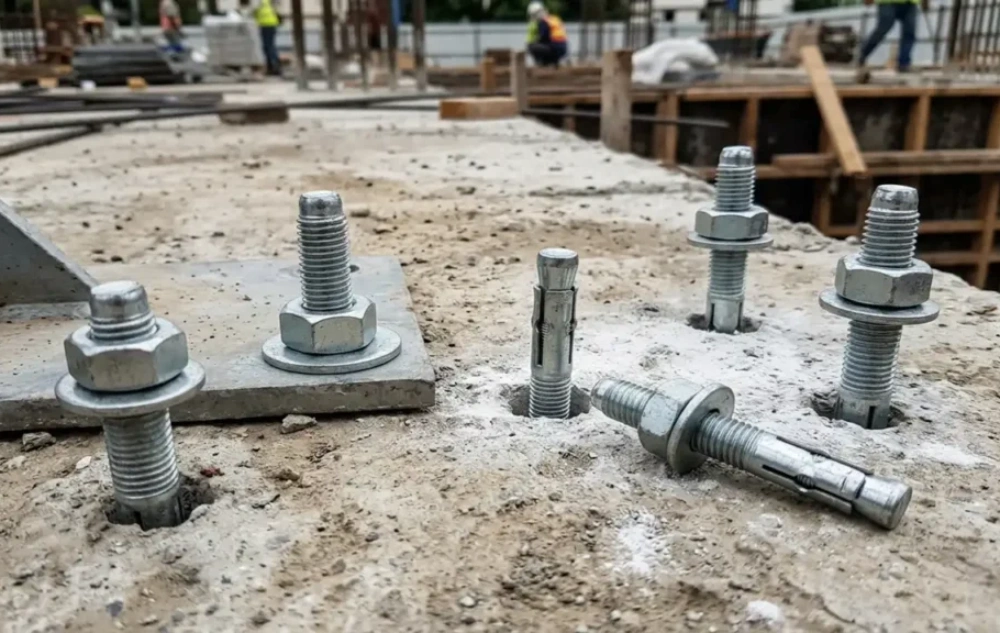
Structural fastening reliability depends on multiple engineering variables working together in cracked concrete environments. Engineers evaluate load transfer behavior, substrate integrity, and mechanical expansion response during design selection. concrete cracking anchor performance becomes a critical metric when structures face dynamic stress and micro-crack propagation. Selection accuracy influences safety margins in industrial and civil applications. Design teams often compare mechanical anchoring systems under simulated fracture conditions. Real-world performance rarely matches ideal laboratory conditions due to concrete variability and curing inconsistencies. Reliable fastening systems must maintain grip strength under cyclic loading. Engineers also consider long-term creep effects and micro-movement inside cracked substrates. Consistency across installation batches directly impacts structural safety outcomes in demanding infrastructure projects.
Material Properties Influencing concrete cracking anchor performance in Structural Systems
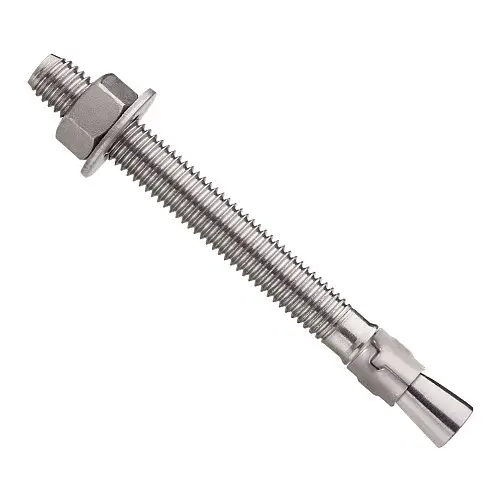
Material composition strongly determines anchoring stability under cracked conditions. concrete cracking anchor performance depends on steel grade, expansion sleeve design, and corrosion resistance. High-carbon steel alloys improve tensile resistance during load transfer phases. Microstructural uniformity reduces failure risk in stress concentration zones. Engineers frequently evaluate surface treatment methods like galvanization to improve durability. In harsh environments, moisture ingress can accelerate micro-crack expansion around anchor points. Stainless steel concrete anchors are often selected for environments requiring corrosion stability and long service life. These materials reduce oxidation risk while maintaining consistent expansion force. Grain structure refinement also improves fatigue resistance under repeated loading cycles. Proper material selection ensures predictable anchoring behavior across different structural conditions.
Installation Techniques That Impact Anchor Stability
Installation precision plays a decisive role in anchoring reliability. Drilling accuracy directly affects load distribution across cracked concrete zones. Torque control during tightening prevents over-expansion and substrate damage. Improper hole cleaning reduces frictional engagement between anchor and base material. performance declines significantly when debris remains inside drilled cavities. Alignment consistency ensures uniform force transmission during structural loading. Contractors often follow manufacturer torque charts to maintain predictable expansion behavior. Depth calibration ensures anchors engage load-bearing concrete layers rather than weak surface zones. Vibration during installation must be minimized to avoid micro-fracture propagation. Skilled installation teams reduce variability and improve long-term anchoring stability in demanding construction environments.
Installation Parameter Control Table for Structural Anchoring Systems
| Anchor Parameter | Recommended Range | Structural Impact |
|---|---|---|
| Embedment Depth | 8–12 times diameter | Controls load transfer efficiency |
| Torque Value | 20–45 Nm | Prevents over-expansion damage |
| Hole Diameter | Anchor size + 0.5mm | Ensures tight mechanical grip |
| Cleaning Level | Dust-free cavity | Improves friction bonding |
Parameter control ensures predictable mechanical behavior under stress. Engineers rely on these metrics to minimize variability during field installation. Even small deviations in drilling diameter can significantly alter load distribution patterns.
Installation Quality Checklist for Field Reliability
A structured installation checklist improves reliability across large-scale projects. Technicians follow sequential steps to maintain consistency and reduce human error. Drilling verification ensures correct diameter and depth alignment before anchor insertion. Cleaning procedures remove fine dust particles that weaken mechanical grip. Torque verification confirms proper expansion force during final tightening stages. Visual inspection identifies surface cracking or misalignment issues. Load testing may be applied in critical infrastructure zones. Documentation ensures traceability across construction phases. These procedural controls significantly reduce failure rates in high-load environments. Field consistency ensures long-term structural safety and predictable anchoring behavior across multiple installation teams and project phases.
Operational Consistency and Field Stability Factors
Installation consistency also improves safety margins in industrial environments. Repeated checks help eliminate variability caused by operator differences. Training programs reinforce correct drilling and tightening techniques. Supervisors monitor installation behavior during critical structural phases. Environmental factors such as temperature and humidity may affect curing and anchoring behavior. Controlled workflows ensure predictable performance outcomes in complex engineering systems. In heavy infrastructure projects, even small deviations in procedure can accumulate into long-term structural risks. Standardized supervision reduces uncertainty and enhances reliability across repeated installation cycles in demanding operational environments.
Environmental Load Influence on Anchoring Systems
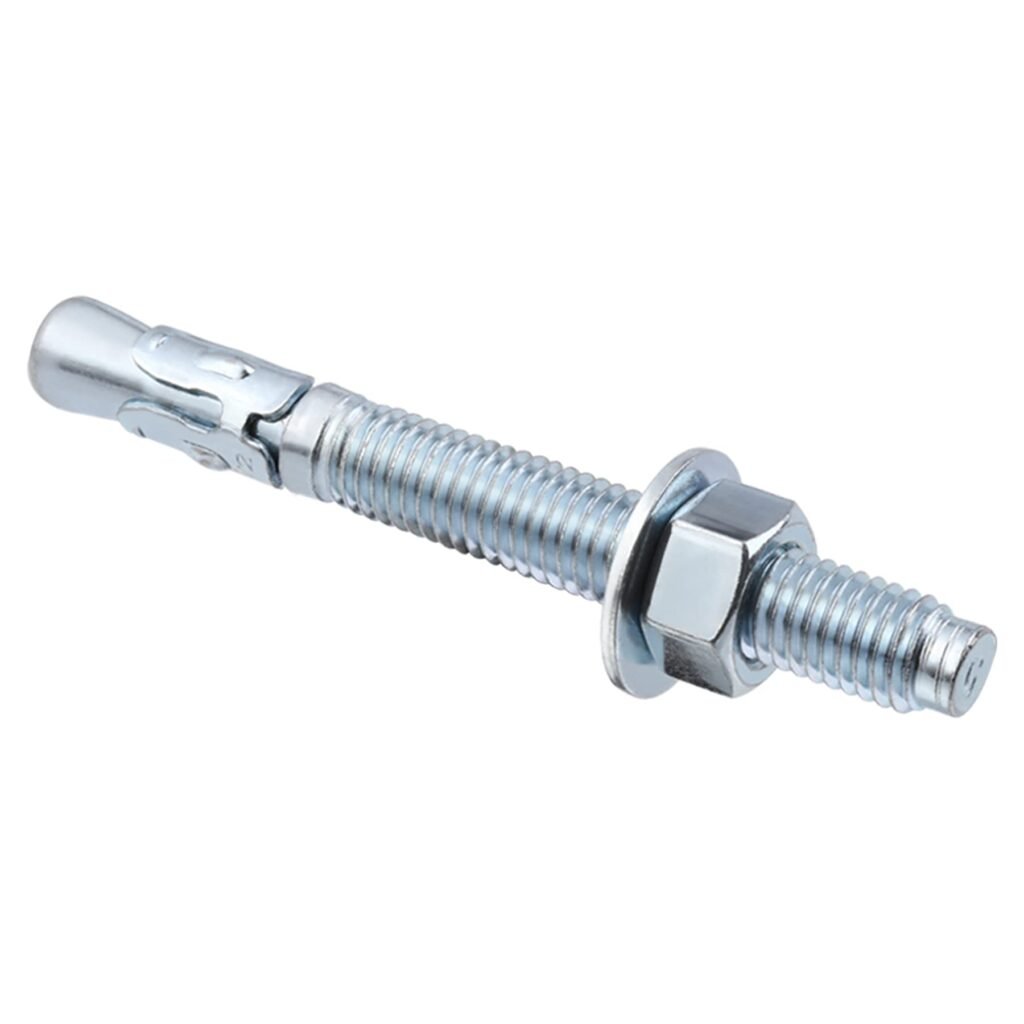
External conditions strongly influence anchoring stability over time. performance changes under thermal cycling, humidity exposure, and vibration stress. Expanding and contracting concrete creates micro-movements around embedded anchors. These movements gradually reduce frictional resistance. Heavy dynamic loads from machinery further accelerate stress accumulation. Engineers analyze environmental exposure before selecting fastening systems. Freeze-thaw cycles can expand existing micro-cracks and weaken anchoring zones. Chemical exposure may also degrade surface coatings and reduce corrosion resistance. Long-term durability depends on balancing load intensity with environmental protection strategies in structural engineering design.
Environmental Impact Comparison Table for Anchor Behavior
| Environmental Factor | Effect on Anchor System | Mitigation Strategy |
|---|---|---|
| Thermal Cycling | Expands crack width | Flexible anchoring design |
| Moisture Exposure | Corrosion acceleration | Protective coating systems |
| Vibration Load | Loosening risk | High-friction expansion anchors |
| Chemical Contact | Surface degradation | Stainless alloy selection |
Environmental control strategies extend service life of anchoring systems. Engineers combine multiple mitigation approaches to achieve stability. Protective coatings slow corrosion progression in humid environments. Structural dampening reduces vibration-induced loosening. Material upgrades improve resistance against chemical exposure in industrial zones. These combined measures ensure consistent performance under harsh operating conditions in long-term structural applications.
Testing Reliability and Structural Certification Standards
Several standardized testing methods validate anchoring reliability in cracked concrete systems. ASTM E488 is widely used for tensile and shear load evaluation, and concrete cracking anchor performance is verified through these procedures. Results are assessed through cyclic loading and pull-out resistance tests. These procedures simulate real-world structural stress conditions. ISO standards also define performance thresholds for mechanical fastening systems. Testing includes repeated stress application to identify fatigue limits. Compliance with these standards ensures predictable behavior under operational conditions. Engineers rely on certified results to approve anchoring systems for infrastructure use requiring verified long-term performance stability.
Optimization Methods for Long-Term Structural Anchoring
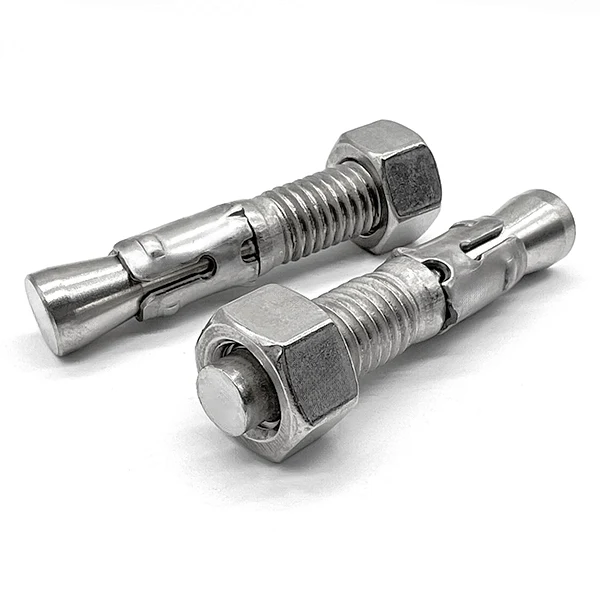
Performance optimization focuses on improving load distribution and reducing stress concentration. Engineers refine expansion geometry to enhance grip consistency. concrete cracking anchor performance improves when stress is evenly transferred across engagement zones. Finite element modeling helps predict failure points under extreme conditions. Surface engineering techniques reduce friction loss during installation. Maintenance inspection schedules ensure early detection of loosening or degradation. In high-risk environments, hybrid anchoring systems combine mechanical and adhesive mechanisms for added stability. Stainless steel wedge anchors are often used in scenarios requiring high tensile retention under vibration stress. Continuous monitoring systems further enhance structural reliability by tracking displacement changes over time in complex engineering applications.
Field Failure Factors and Performance Reduction Causes
Multiple factors reduce anchoring efficiency in cracked concrete environments. Poor drilling accuracy creates uneven load distribution across the substrate. Dust accumulation inside anchor holes weakens frictional engagement significantly. Environmental stress such as vibration and thermal cycling accelerates micro-crack expansion. performance also declines when torque values exceed recommended limits. Material corrosion further reduces mechanical strength over time. Inconsistent installation practices introduce variability in load transfer behavior. Engineers mitigate these risks through controlled installation procedures, regular inspections, and material upgrades designed for harsh operating conditions in industrial structures.
Depth Influence on Load Transfer Behavior
Installation depth directly influences load transfer efficiency and structural stability. Shallow embedment reduces engagement with load-bearing concrete layers. Deeper installation improves resistance against pull-out forces under dynamic stress.
Behavior improves when anchors reach stable, uncracked zones beneath surface fractures. Incorrect depth calibration may concentrate stress near weak concrete regions. Engineers specify embedment ratios based on anchor diameter and expected load conditions. Proper depth ensures uniform stress distribution across the anchoring interface. This balance significantly improves long-term durability in structural applications requiring high mechanical stability.
FAQ
What conditions typically reduce anchoring stability in real projects?
Multiple conditions reduce anchoring stability in cracked concrete environments. Improper drilling alignment creates uneven stress distribution across the substrate. Residual dust inside holes reduces friction between anchor surfaces and concrete walls. Environmental vibration introduces micro-movements that gradually loosen mechanical grip. Excessive torque application can damage expansion sleeves and weaken engagement zones. Corrosion from moisture exposure further degrades structural integrity over time. Combined, these factors significantly reduce system reliability. Controlled installation processes and regular inspections help maintain stable performance across long-term infrastructure applications.
How does embedment depth influence structural load transfer?
Embedment depth plays a critical role in determining structural load transfer efficiency. Shallow installation limits engagement with dense concrete layers capable of resisting pull-out forces. Deeper embedment improves mechanical interlock and distributes stress more evenly across the anchoring zone. Proper depth selection ensures anchors avoid weak surface fractures that compromise stability. Engineers calculate depth ratios based on anchor diameter and expected load conditions. Balanced embedment improves durability and reduces failure risk in dynamic environments. Consistent depth control remains essential for achieving predictable long-term performance in structural fastening systems.
What validation methods ensure reliable anchoring systems?
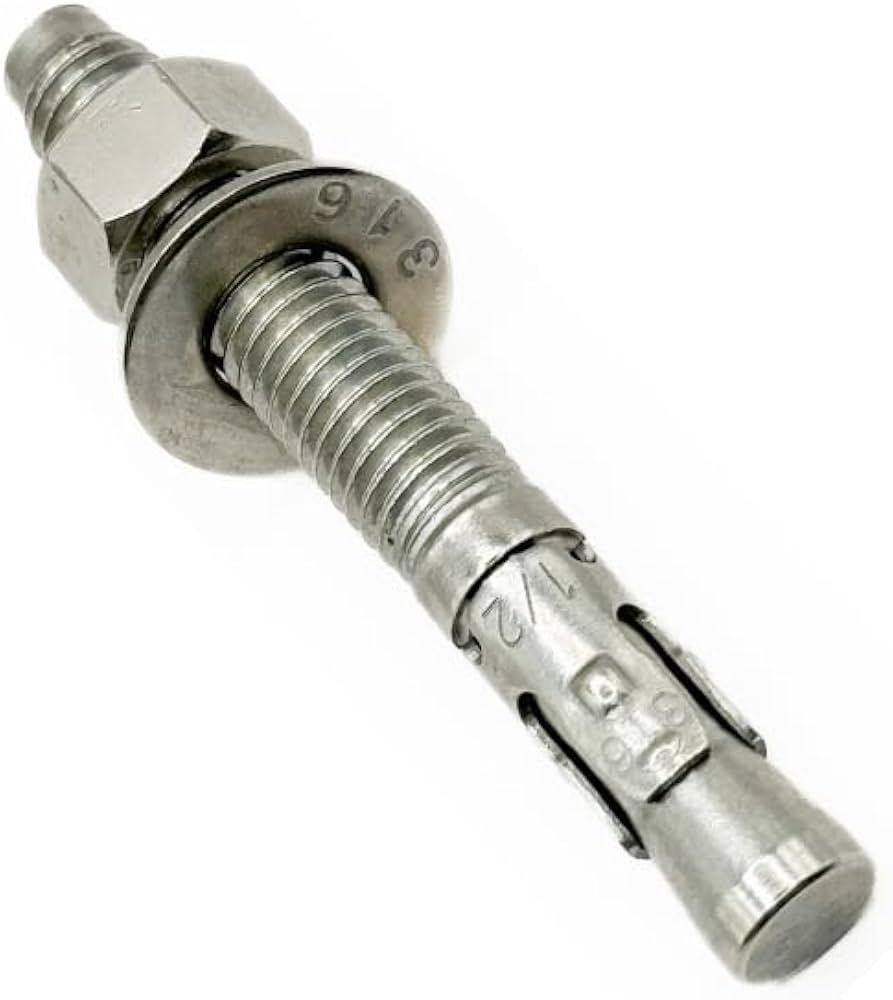
Standard validation methods include tensile pull-out tests, cyclic fatigue testing, and shear resistance evaluation. These methods simulate real-world stress conditions in cracked concrete environments. ISO and ASTM standards define acceptable performance thresholds for mechanical anchors. Controlled testing identifies failure points under incremental load increases. Data consistency across multiple samples ensures reliability of results. Certification processes confirm compliance with structural safety requirements. Engineers depend on validated testing outcomes to approve anchoring systems for critical infrastructure applications requiring high reliability and long-term stability.