Industrial buyers need stable production partners for complex components and demanding applications. A precision manufacturing supplier can influence product performance, delivery schedules, and overall project success. Supplier selection requires more than checking prices or basic capabilities. Buyers should review engineering knowledge, production resources, and quality systems before making decisions. A suitable partner supports consistent output through controlled processes and skilled teams. Poor selection may create delays, additional costs, and unexpected quality problems. Careful evaluation helps companies reduce supply risks while building stronger manufacturing networks. Reliable cooperation starts with clear technical requirements and professional supplier assessment.
Selecting A Precision Manufacturing Supplier Through Capability Evaluation
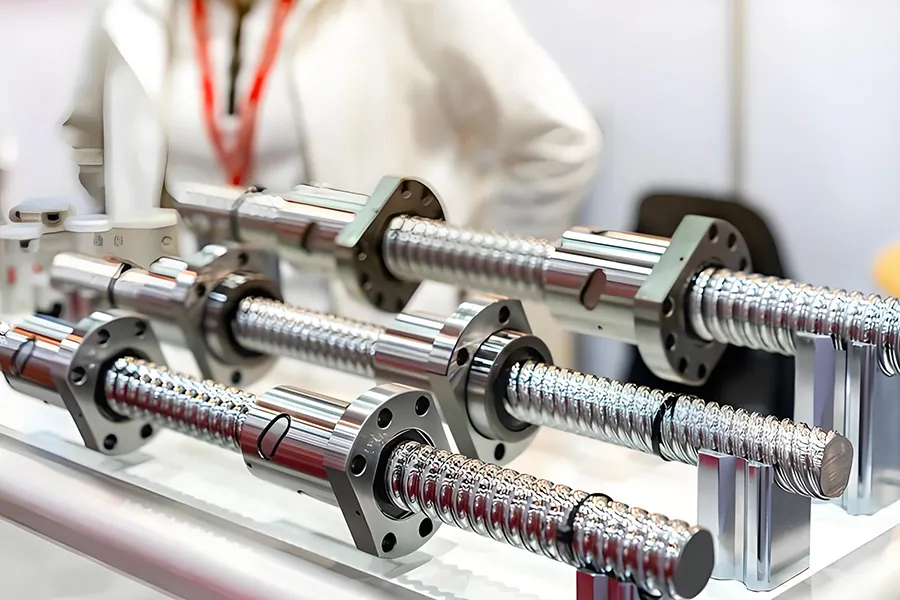
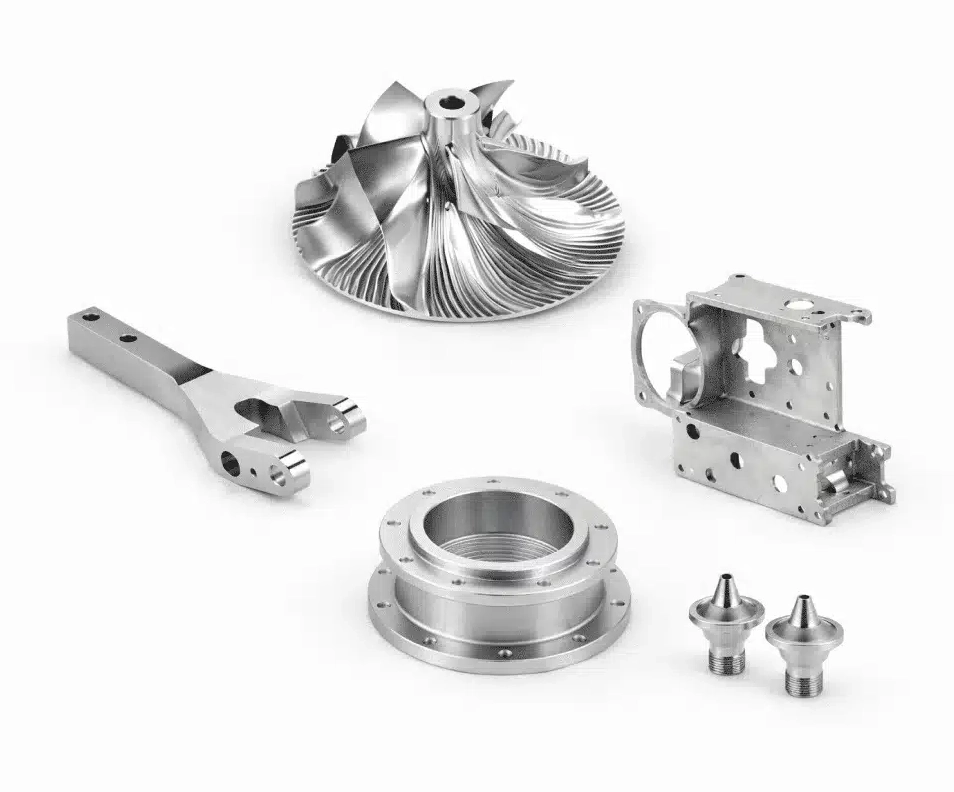
Manufacturing capability represents one of the most important supplier evaluation factors. Buyers should examine machining accuracy, production capacity, equipment conditions, and engineering support. Advanced facilities usually include CNC machining centers, automated systems, and precision measurement tools. These resources help manufacturers maintain stable dimensions and repeatable results. Supplier capability also depends on experienced engineers who can solve technical challenges. Companies producing complex parts require partners with flexible processes and strong production control. The right supplier should demonstrate practical experience with similar projects. Capability reviews provide valuable information before long-term cooperation begins.
Production Technology And Equipment Assessment For Manufacturing Performance
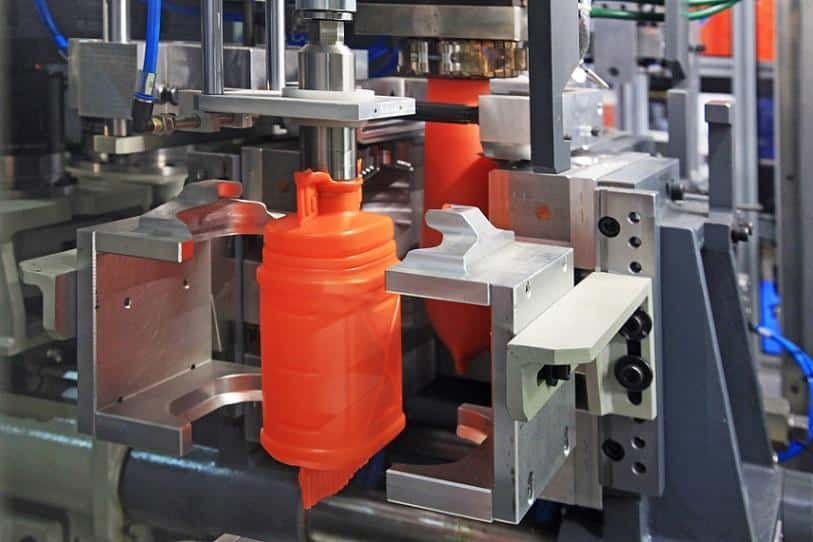
Modern manufacturing depends on advanced technology and suitable equipment combinations. CNC machining centers provide accurate cutting operations for metals and engineering materials. Multi-axis machines improve production efficiency by reducing repositioning requirements. Coordinate measuring machines verify dimensional accuracy during inspection stages. Automated equipment can increase consistency while reducing human operation errors. Buyers should review machine specifications, maintenance schedules, and production workflows. A manufacturer with updated technology often handles complex designs more effectively. Equipment evaluation also reveals whether production capacity matches project requirements. Technical resources directly affect product quality, delivery reliability, and manufacturing flexibility.
Quality Control Systems That Support Consistent Production Results
Quality management determines whether manufactured parts meet customer expectations. Professional suppliers establish inspection procedures from incoming materials to final shipments. Dimensional checks, surface inspections, and functional testing help identify possible issues. Many manufacturers use advanced measuring equipment for accurate verification. Quality records also provide traceability throughout the production process. Buyers should review inspection methods, quality documentation, and corrective action procedures. A supplier with structured quality control can reduce production risks. Consistent inspection practices improve confidence during repeated orders. Strong quality systems create better cooperation between buyers and manufacturing partners.
| Evaluation Area | Key Checking Points | Business Impact |
|---|---|---|
| Equipment Capability | CNC machines, automation, measurement tools | Improves production accuracy |
| Quality Management | Inspection process, records, testing methods | Reduces defect risks |
| Delivery Performance | Production planning, capacity control | Supports stable supply |
Comparing Manufacturing Experience And Industry Knowledge
Supplier experience shows how effectively a company handles complex manufacturing requirements. Buyers should review previous projects, application fields, and technical achievements. Experienced teams usually identify production challenges earlier and suggest practical solutions. Industry knowledge helps manufacturers select suitable processes and materials. A company producing automotive, aerospace, medical, or industrial parts requires different technical expertise. Project history can demonstrate problem-solving ability and production reliability. Buyers should request relevant examples instead of relying only on marketing information. Strong experience creates confidence when developing new components and improving existing designs. Professional communication also reflects the supplier’s technical maturity.
Material Selection And Engineering Support For Better Results
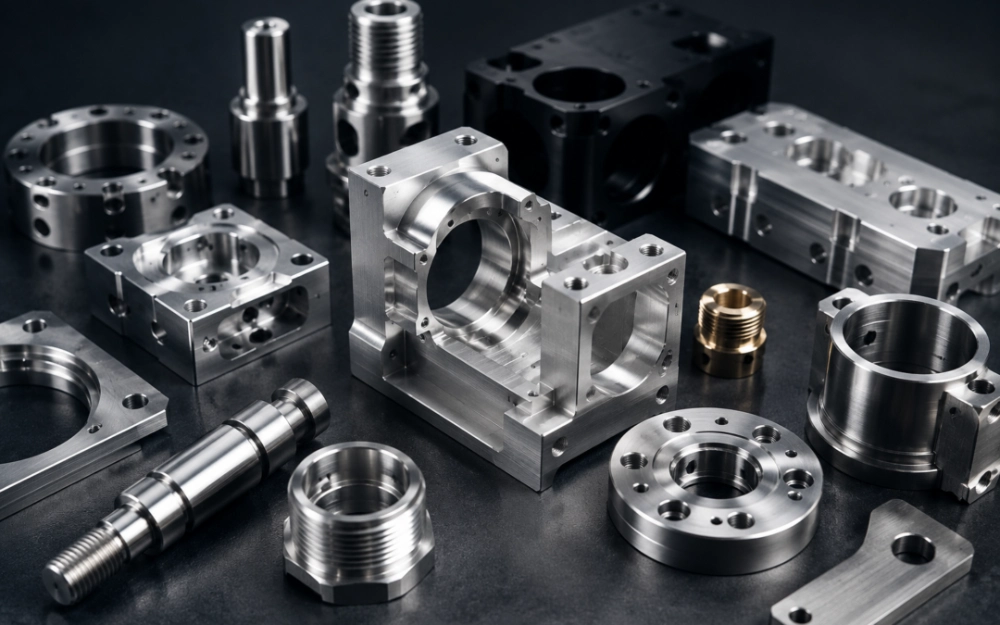
Material choice directly affects strength, durability, weight, and production cost. Aluminum alloys provide lightweight structures with good machinability. Stainless steel offers corrosion resistance and strong mechanical performance. Titanium delivers excellent strength-to-weight ratios for demanding applications. Engineering plastics provide flexibility for specific industrial requirements. Suppliers should provide material recommendations based on operating conditions and product goals. Technical teams must consider hardness, thermal properties, and machining behavior. Some projects require specialized solutions such as precision machined components OEM/ODM services. Effective engineering support helps buyers avoid unsuitable material choices. Proper selection improves product reliability and extends component service life.
| Material Type | Main Features | Common Applications |
|---|---|---|
| Aluminum Alloy | Lightweight and easy machining | Industrial frames and housings |
| Stainless Steel | Corrosion resistance and strength | Mechanical components |
| Titanium | High strength and low weight | Advanced engineering parts |
Cost Evaluation Beyond Basic Manufacturing Prices
Price comparison should include more than unit quotations. Buyers need to review tooling expenses, material usage, production efficiency, and logistics costs. A lower initial price may create higher expenses when quality problems appear. Manufacturing waste, rework rates, and delivery delays can affect total project costs. Suppliers with optimized workflows often provide better long-term value. Transparent quotations help buyers compare different production solutions. Cost analysis should also include engineering support and communication efficiency. A balanced evaluation creates better purchasing decisions. The goal is not only reducing expenses but also achieving reliable production performance.
Communication And Project Management Efficiency Assessment
Effective communication supports smooth manufacturing cooperation. Buyers should evaluate response speed, technical discussions, and project tracking methods. Clear communication reduces misunderstandings during design confirmation and production stages. Professional suppliers provide detailed feedback about materials, tolerances, and production limitations. Project management systems help monitor progress and solve potential problems quickly. Buyers should consider these factors before selecting a partner:
- Technical documentation capability
- Engineering communication quality
- Production update frequency
- Problem resolution process
- Delivery coordination ability
Strong communication creates transparency throughout the project. It also improves cooperation between engineering teams and purchasing departments. Reliable project management reduces delays and supports successful product development.
Risk Management Strategies For Supplier Selection
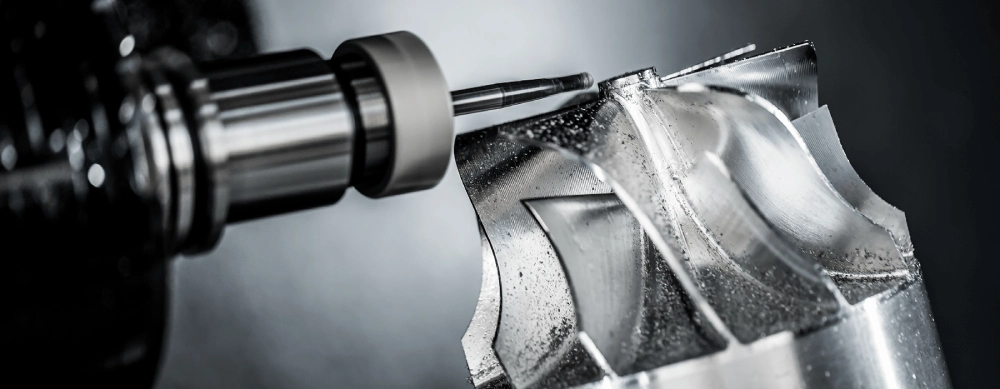
Supply chain risks can affect production schedules and customer satisfaction. Buyers should evaluate potential problems before starting cooperation. Important risks include inconsistent quality, material shortages, production delays, and limited capacity. Manufacturers with preventive systems usually manage unexpected situations better. Risk assessment should include backup plans, production monitoring, and quality verification methods. The right precision manufacturing supplier should provide stable processes and responsive support. Companies can reduce uncertainty by reviewing certifications, production records, and customer feedback. A detailed evaluation process helps create stronger supply relationships. Risk management protects investment and supports continuous manufacturing performance.
Long-Term Partnership Benefits With A Reliable Precision Manufacturing Supplier
Long-term cooperation creates advantages beyond individual orders. A reliable precision manufacturing supplier can support continuous improvement and production optimization. Stable partnerships allow manufacturers to gain deeper insights into product requirements. Suppliers can improve processes, reduce waste, and enhance efficiency over time. Many industrial buyers prefer partners who provide technical suggestions during development stages. Services such as Precision CNC machined parts OEM/ODM can support customized production requirements. Strong relationships also improve communication and planning accuracy. Long-term collaboration helps companies build flexible supply chains. A trusted manufacturing partner becomes an important resource for future product expansion and innovation.
Future Trends In Precision Manufacturing Cooperation
Manufacturing industries continue to adopt digital technologies and smarter production methods. Data monitoring, automated inspection, and advanced software improve production visibility. Suppliers are investing in flexible systems to meet changing market demands. Buyers should consider future development capabilities during supplier evaluation. Manufacturers with digital management tools can provide better production tracking. Sustainable practices are also becoming important in industrial procurement decisions. Energy efficiency, material optimization, and responsible operations influence supplier selection. Companies that prepare for future requirements can maintain stronger competitive positions. Technology development will continue shaping manufacturing partnerships across global industries.
Final Evaluation Steps Before Confirming A Manufacturing Partner
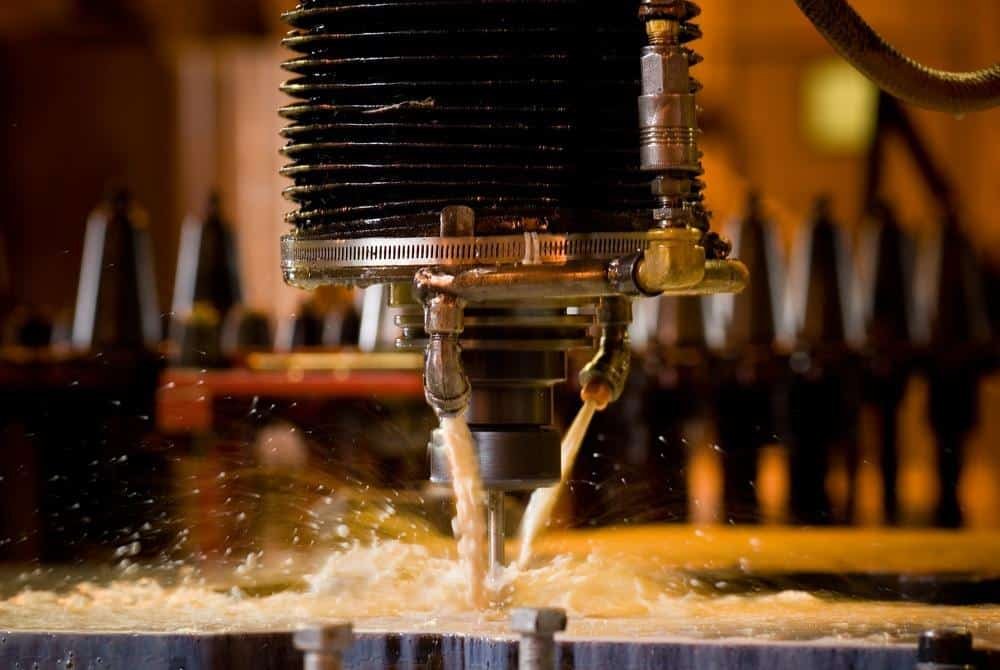
Before confirming cooperation, buyers should complete a detailed supplier review. The evaluation should combine technical capability, quality performance, cost structure, and communication ability. Factory visits, sample testing, and documentation reviews provide additional confidence. Buyers should verify whether production resources match expected requirements.
FAQ
What factors should buyers check before choosing a precision manufacturing supplier?
Buyers should evaluate production capability, quality systems, equipment conditions, and engineering support before cooperation. Material experience and previous project performance also provide important references. A supplier should demonstrate reliable processes, accurate inspections, and clear communication methods. Reviewing certifications and production records helps confirm professional standards. Cost should be considered together with delivery performance and technical capability. A complete evaluation process allows buyers to select partners with stronger reliability. The best supplier choice depends on balanced assessment rather than price comparison alone.
How does manufacturing technology affect supplier reliability?
Manufacturing technology directly affects accuracy, efficiency, and production consistency. Advanced CNC equipment, automated systems, and measurement tools help maintain strict dimensional control. Modern production methods reduce manual errors and improve repeatability during large orders. Digital monitoring systems also provide better production visibility. Suppliers with advanced technology can handle complex designs more effectively. Buyers should review equipment capability and technical resources before cooperation. Strong technology foundations support stable manufacturing results. They also help suppliers respond faster to engineering changes and market requirements.
Why is quality control important when selecting a manufacturing partner?
Quality control protects product performance and reduces supply chain problems. Professional manufacturers use inspection systems to verify materials, dimensions, and final conditions. Quality records create traceability throughout production stages. Effective testing methods help prevent defective products from reaching customers. Buyers should review inspection procedures and corrective action processes before selecting partners. Strong quality management improves confidence during repeated orders. It also supports consistent performance across different production batches. A supplier with reliable quality control provides better long-term value and reduces operational risks.