Why Choose a recessed knob Design for Industrial Equipment
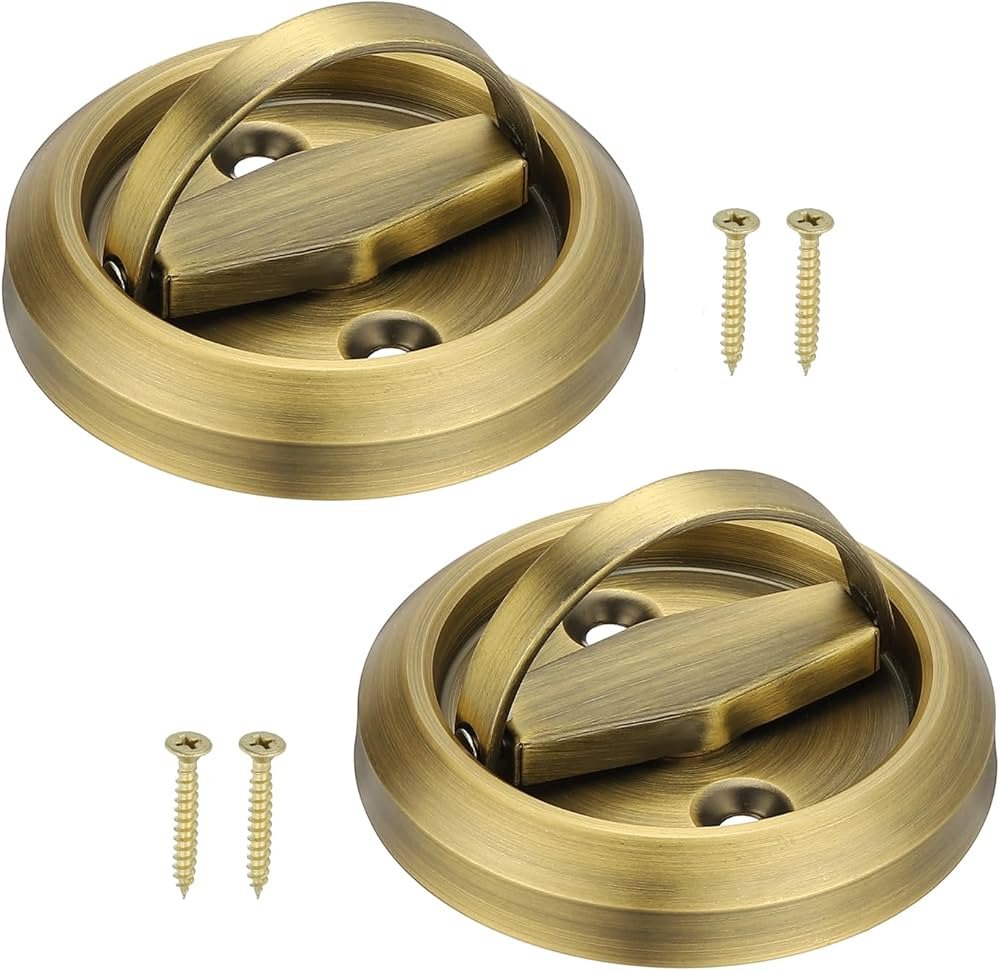
The recessed knob plays a critical role in modern industrial control systems where durability and safety matter. Engineers integrate recessed interfaces to protect control elements from external impact. This design reduces exposure of rotating components in harsh environments. It also improves panel longevity under continuous operation. Industrial equipment often faces vibration, dust, and accidental contact risks. A recessed structure minimizes these risks effectively. Manufacturers prefer this solution for compact and high-density control panels. It also supports consistent user interaction under repetitive use conditions. Many automation systems rely on this structure for stability. As industries evolve toward precision engineering, recessed solutions become more essential in ensuring reliable machine performance.
Why Choose a recessed knob Design for Industrial Equipment
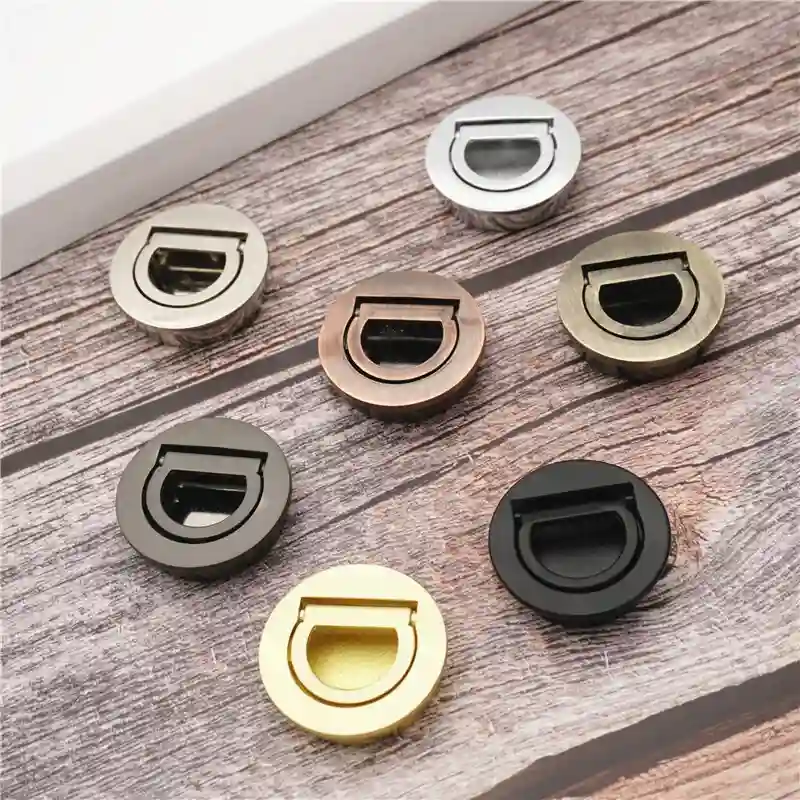
The recessed knob improves structural integrity in control panels used across industrial systems. Engineers select this design to minimize surface protrusion and mechanical damage risks. Equipment operating in factories often experiences frequent operator interaction. This increases the chance of accidental force on exposed components. A recessed structure reduces this exposure significantly. It also enhances product lifespan under continuous mechanical stress. Control systems benefit from improved alignment stability and reduced wear. Many manufacturers adopt recessed solutions to meet strict operational standards. The recessed knob also supports cleaner panel layouts in compact machines. This contributes to more efficient system integration in automated environments.
Key Benefits of recessed knob in Space-Saving Applications
The recessed knob offers significant advantages in space-constrained mechanical assemblies. Compact equipment designs require efficient use of every millimeter. Traditional protruding controls often interfere with adjacent components. A recessed structure eliminates such spatial conflicts. It allows engineers to design denser layouts without compromising usability. Operators can still access controls easily while maintaining panel safety. This design also reduces accidental activation during maintenance operations. Industrial robotics and CNC systems benefit greatly from this configuration. Reduced external profile improves overall system safety. It also enhances aesthetic uniformity in modern equipment design. Many compact automation systems depend on recessed integration for optimized performance and stability.
Recessed knob Material Selection and Engineering Standards
Material selection directly affects the performance of a recessed knob in demanding environments. Engineers typically evaluate strength, corrosion resistance, and machining precision. Aluminum and engineering plastics offer lightweight advantages in specific applications. Steel variants provide higher durability for heavy-duty systems. Surface treatment also influences wear resistance and operational lifespan. Precision machining ensures consistent rotational performance under load. Tolerance control is critical for smooth mechanical interaction. Industrial standards require strict dimensional accuracy for safety compliance. The following table compares common material characteristics used in industrial control systems.
| Material Type | Strength Level | Corrosion Resistance | Typical Application |
|---|---|---|---|
| Aluminum Alloy | Medium | High | Light industrial panels |
| Engineering Plastic | Low to Medium | High | Electronic control systems |
| Stainless Steel | High | Very High | Heavy machinery interfaces |
Recessed knob Material Selection and Engineering Standards
Material engineering determines how a recessed knob performs under industrial stress conditions. Stainless steel remains a preferred choice in corrosive or high-load environments. Plastic composites support cost-efficient production for lightweight systems. Metal alloys offer balanced durability and machining precision. Surface finishing methods such as anodizing improve resistance to abrasion. Tight tolerance control ensures consistent rotational feedback during operation. Quality standards such as ISO 2768 guide dimensional accuracy in production. Engineers also evaluate thermal expansion behavior in material selection.
Recessed knob Design Applications in Industrial Control Systems
The recessed knob design is widely used in automation panels and machine interfaces. Engineers prioritize this structure for systems requiring high interaction frequency. It reduces mechanical exposure while maintaining functional accessibility. Industrial users benefit from improved tactile control in complex environments. Maintenance operations also become safer due to reduced protrusion risk. Many high-speed production lines rely on this configuration. It helps maintain consistent operation under continuous workload conditions. The following list highlights common application areas where recessed designs are preferred.
- CNC machining control panels
- Industrial robotics interfaces
- Electrical distribution systems
- Automated production machinery
- Transportation control systems
Recessed knob Design Applications in Industrial Control Systems
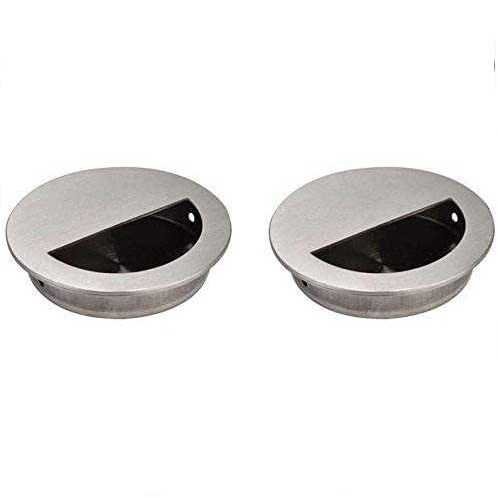
The recessed knob improves operational stability across multiple industrial environments. It supports compact design strategies in modern machinery. Engineers value its ability to reduce accidental impact during operation. Control accuracy remains high even under vibration conditions. It also supports long-term reliability in automated systems. Many manufacturers integrate this design into safety-critical equipment. Panel layout efficiency increases significantly with recessed integration. The design also enhances operator workflow in repetitive tasks. This makes it suitable for precision-driven industries requiring consistent control performance.
Industrial Comparison of recessed knob and Alternative Control Interfaces
The recessed knob is often compared with other control interfaces in industrial design. Designers evaluate ergonomics, durability, and installation complexity. Traditional protruding knobs offer easier grip but higher damage risk. Recessed structures provide better protection in compact systems. The following table summarizes key differences between common interface types.
| Interface Type | Durability | Space Efficiency | Safety Level |
|---|---|---|---|
| Protruding Knob | Medium | Low | Medium |
| Flush Control | High | High | High |
| Recessed Knob | Very High | Very High | Very High |
Industrial Comparison of recessed knob and Alternative Control Interfaces
The recessed knob demonstrates superior performance in compact and high-risk environments. Its structure reduces exposure to mechanical impact. Engineers often select it for systems requiring long operational life. Flush and recessed designs both improve safety levels. However, recessed configurations offer deeper protection advantages. This makes them suitable for heavy-duty machinery. Material selection further enhances performance differences.
Installation Standards and Mechanical Requirements for recessed knob Systems
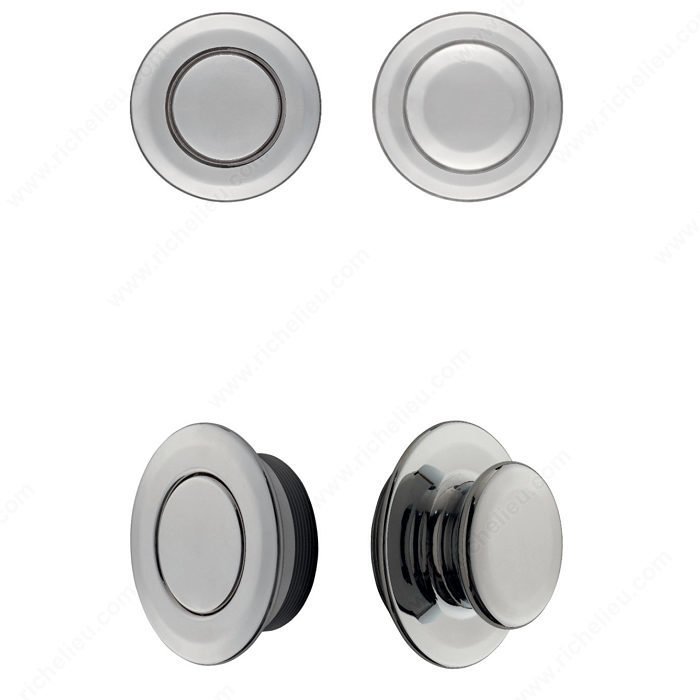
The recessed knob requires precise installation to ensure optimal performance. Engineers must consider panel thickness and mounting depth. Incorrect installation can reduce mechanical efficiency. Standardized mounting systems improve compatibility across equipment types. Industrial guidelines define acceptable tolerance ranges. Proper alignment ensures smooth rotational movement. Installation also affects long-term durability under vibration. The following list outlines key installation requirements.
- Accurate panel cutout dimensions
- Secure fastening torque control
- Proper alignment with control shaft
- Verified depth clearance tolerance
- Compliance with industrial mounting standards
Installation Standards and Mechanical Requirements for recessed knob Systems
The recessed knob installation process requires careful engineering attention. Incorrect depth alignment may affect rotational smoothness. Precision tools are often used during assembly. Torque calibration ensures stable mechanical connection. Industrial standards such as IEC guidelines support installation consistency. Proper mounting improves both safety and performance. Engineers also evaluate vibration resistance after installation. Correct procedures extend operational lifespan significantly. This ensures reliable function in demanding environments.
Safety Enhancement and Operational Efficiency of recessed knob Systems
The recessed knob improves operational safety in industrial control environments. Its design minimizes accidental activation during machine operation. Operators benefit from reduced risk of unintended contact. This is particularly important in high-speed production systems. The structure also supports ergonomic interaction in repetitive tasks. Equipment reliability increases due to reduced mechanical exposure. Systems using this design often show improved maintenance intervals. Some advanced control panels combine this with accessories like stainless steel star knobs for specialized adjustments. Safety compliance becomes easier under industrial certification standards. Overall efficiency improves through reduced downtime and enhanced user control stability.
FAQ
What industries use recessed knob systems most frequently?
The recessed knob is widely used in automation, manufacturing, and energy systems. Industrial robotics relies heavily on this design for safety and precision control. CNC machinery also integrates recessed interfaces to reduce accidental activation risks. Electrical control panels benefit from compact layout efficiency. Transportation systems use them for stable operational interfaces. Heavy machinery environments prefer this structure due to durability advantages. It supports long-term reliability in harsh conditions. Engineers select it when space optimization and safety are both required. Its adaptability makes it suitable across multiple industrial sectors with demanding operational standards.
How does a recessed knob improve operational safety in equipment?
A recessed knob enhances safety by reducing surface exposure of control components. This minimizes accidental impact during machine operation. Operators are less likely to trigger unintended adjustments. It also protects internal mechanisms from external force damage.
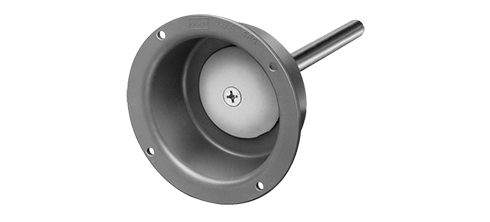
In high-vibration environments, this structure maintains stability. Equipment downtime decreases due to fewer mechanical failures. Safety compliance becomes easier in regulated industries. The design also supports controlled interaction in automated systems. Some configurations incorporate metric clamping lobe knobs for additional adjustment control. Overall, recessed structures significantly reduce operational hazards in industrial environments requiring precision and consistency.
Which materials are best suited for recessed knob production?
Material selection depends on application environment and load requirements. Stainless steel offers maximum durability and corrosion resistance. Aluminum provides lightweight structure with moderate strength. Engineering plastics are used in low-load electronic systems. Composite materials balance cost and performance efficiency. Surface treatments improve wear resistance in all categories. Industrial-grade stainless steel is preferred in heavy machinery applications. It ensures long operational lifespan under stress conditions. Plastic variants are suitable for cost-sensitive control panels. Each material choice affects performance, safety, and maintenance requirements. Engineers select based on mechanical load, environmental exposure, and precision requirements.