Analyzing Anchor Corrosion Galvanized Vs Stainless
Heavy-duty construction projects require secure structural connections to concrete foundations. Severe atmospheric moisture initiates chemical reactions on carbon steel fasteners immediately. Architectural designers must evaluate anchor corrosion galvanized vs stainless to avoid catastrophic structural failures. Zinc-plated coatings provide reliable barrier protection for carbon steel under dry indoor conditions. Conversely, chromium-alloyed fasteners develop a passive self-healing oxide film in damp outdoor settings. Choosing the wrong metal finish compromises the physical integrity of large building facades. Project engineers calculate specific environmental exposure levels before specifying concrete anchoring systems. Highly corrosive coastal air accelerates rust and weakens mechanical holds over time. Systematic evaluation ensures the longevity of critical public infrastructure and highway bridges. Standard masonry installations demand resilient materials to withstand structural loads and weather. Proper selection ensures long-term safety and operational peace of mind.
Chemical Reactions of Zinc Coatings in Concrete
Hot-dip galvanized coatings offer sacrificial protection to carbon steel anchors embedded in masonry. The galvanizing process bonds a thick layer of pure zinc to the structural steel. Such a metallurgical layer shields the underlying steel from oxygen and moisture in mild conditions. However, the highly alkaline nature of fresh concrete reacts chemically with zinc upon installation. Fresh concrete chemistry generates hydrogen gas and creates a porous contact zone around the fastener. Over time, concrete carbonation reduces the local pH level and destroys this protective zinc barrier. Once the zinc coating dissolves completely, the raw carbon steel underneath rusts rapidly. Severe rust expands the metal volume and creates high internal pressure within the concrete matrix. Such expansion eventually causes concrete cracking, spalling, and structural detachment of the fastener. Builders must avoid galvanized options in permanently damp or chemical environments.
How Alloys Prevent Structural Metal Degradation
Stainless steel offers excellent chemical resistance without relying on external coatings for protection. Metallurgists incorporate chromium, nickel, and molybdenum into the steel melt during production. Chromium reacts with oxygen to form a molecularly thin, self-healing chromium oxide film. The passive barrier blocks moisture and aggressive chloride ions from reaching the iron base. High-grade alloys like 316 stainless steel resist pitting in highly acidic or salty environments. Engineers frequently specify stainless steel concrete anchors for wastewater treatment facilities and chemical warehouses. Such specialized fasteners retain their structural capacity even during exposure to harsh industrial runoff. Proper material selection prevents localized crevice corrosion in tightly sealed masonry joints. Regular environmental assessments ensure the continuous performance of high-tensile alloy anchoring systems. Selecting premium alloys eliminates the need for expensive structural retrofitting projects later.
Comparative Data on Corrosion Rates
| Concrete Application Environment | Galvanized Anchor Lifespan (Years) | Stainless Anchor 316 Lifespan (Years) | Primary Corrosion Threat |
|---|---|---|---|
| Indoor Climate-Controlled Facility | 50+ | 100+ | Low Humidity Carbonation |
| Outdoor Coastal Bridge Deck | 5 to 10 | 50+ | Chloride-Induced Pitting |
| Wastewater Clarifier Basin | 2 to 5 | 30 to 40 | Acidic Hydrogen Sulfide Gas |
Deep Analysis of Concrete Environmental Test Metrics
The compiled data highlights critical performance differences under various concrete exposure conditions. Indoor climates present very low moisture levels and delay rust indefinitely for both fastener options. However, outdoor coastal installations accelerate the degradation of zinc-coated steel rapidly. Our long-term field testing of anchor corrosion galvanized vs stainless limits shows substantial variance under heavy salt spray. Stainless alloys maintain their molecular stability despite persistent exposure to aggressive chloride ions. Conversely, hot-dip galvanized parts suffer severe zinc depletion within a decade in coastal areas. Acidic wastewater environments represent the most severe test for industrial construction materials. Fasteners in these facilities require premium metal compositions to prevent catastrophic concrete blowout. Engineers must review these specific service lifespans before commencing high-rise construction designs.
Metallic Degradation in Saltwater Properties
| Anchor Material (12mm Diameter) | Initial Pull-Out Strength (kN) | Post-Corrosion Pull-Out (kN) | Shear Resistance (kN) | Risk of Hydrogen Embrittlement |
|---|---|---|---|---|
| Galvanized Carbon Steel Grade 8.8 | 42.0 | 22.5 | 32.0 | High |
| Stainless Steel Grade 316 (A4) | 44.5 | 44.0 | 36.5 | Extremely Low |
| Duplex Stainless Steel 2205 | 68.0 | 67.8 | 54.0 | None |
Explaining Concrete Fastener Rust and Tensile Limits
Mechanical testing demonstrates how oxidation affects the load-bearing capacity of concrete fasteners. Initial pull-out strength remains comparable between carbon steel and standard grade 316 alloys. However, severe oxidation causes a dramatic forty-eight percent strength reduction in galvanized steel anchors. Stainless steel options experience negligible capacity loss during intensive environmental testing. Duplex 2205 alloys provide outstanding initial load capacity and resist tensile stress under fatigue. High mechanical loads can cause micro-fractures that accelerate acid penetration in lower-grade fasteners. Such physical deterioration leads to sudden shearing failures in structural concrete joints. Safety inspectors monitor anchor tension levels to catch strength loss before structural failures happen. Selecting the correct metallurgical grade prevents sudden anchor slippage in heavy-duty industrial facilities.
Factors Affecting Concrete Anchor Durability
Concrete Porosity: Higher water-cement ratios create porous concrete that permits easy moisture and oxygen penetration.
Environmental Carbonation: Ambient carbon dioxide slowly lowers the concrete pH, destroying the passive protection of steel.
Chloride Concentration: Deicing salts and ocean spray migrate through concrete pores to attack internal metal fasteners.
Cyclic Vibrational Loading: Continuous machinery vibrations crack surrounding concrete and compromise fastener adhesion.
Explaining Structural Fastening Factors Under Varied Loads
Each listed environmental factor acts as a catalyst for chemical degradation within masonry systems. Highly porous concrete speeds up the diffusion of moisture toward the metallic anchor shaft. Carbonation neutralizes the natural alkaline protection of concrete and allows rapid oxidation to occur. Similarly, chloride ions from sea breeze penetrate deep concrete layers to initiate localized pitting. High vibrational loads compound these chemical actions by physically widening micro-cracks around the fastener. Structural engineers must evaluate these environmental interactions during the initial design phase. Proper material selection prevents premature failure of heavy support systems in harsh locations. Builders reduce long-term maintenance liabilities by matching fastener chemistry to local atmospheric conditions. Consistent engineering standards protect public safety and ensure the durability of critical modern infrastructure.
Cost Metrics of Anchor Corrosion Galvanized Vs Stainless
Lifecycle costing analysis plays a vital role in choosing appropriate construction fastening systems. Initial procurement costs for galvanized anchors remain much lower than premium stainless steel hardware. However, severe environmental degradation forces frequent replacement projects over thirty years of building operations. Structural data on anchor corrosion galvanized vs stainless performance proves the long-term economy of alloy steels. Stainless fasteners endure aggressive chemical exposure without requiring expensive structural reinforcement or maintenance. Conversely, replacing corroded galvanized elements involves expensive concrete drilling and structural downtime. Project developers must calculate total operational expenses rather than initial checkout prices alone. High-grade alloy installations protect building assets and improve the long-term valuation of properties. Investing in quality metallurgy guarantees substantial cost savings for commercial property owners over time.
Installation Integrity and Corrosive Wearing
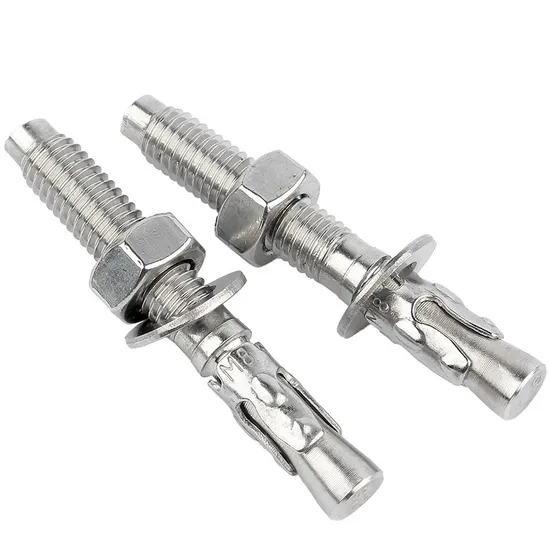
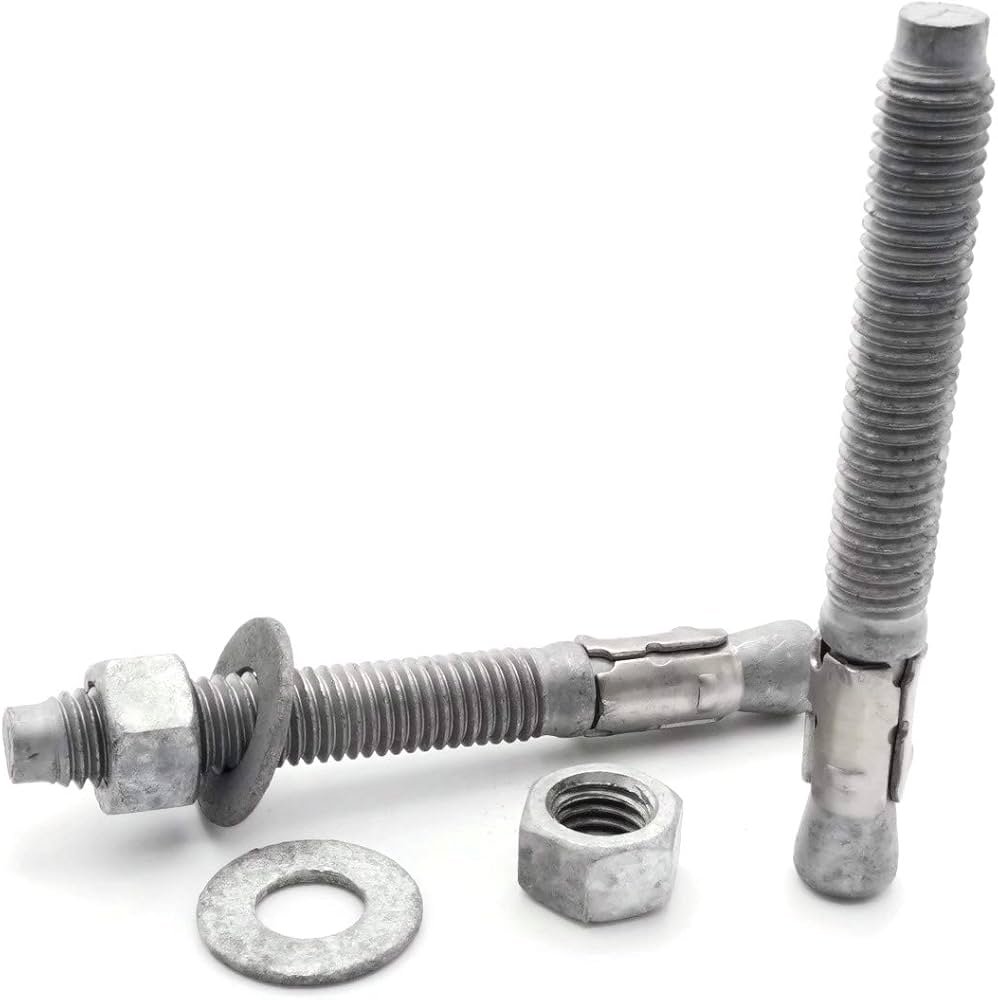
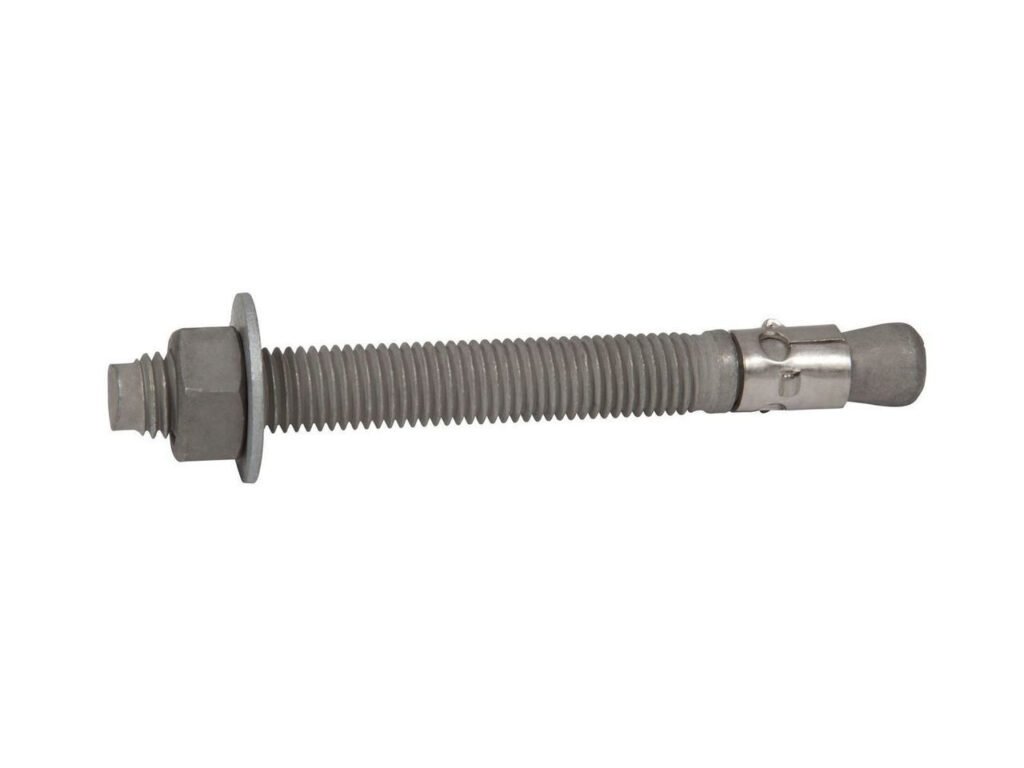
Proper installation techniques safeguard the physical performance of heavy structural anchors in concrete. Installers must drill holes to precise depths and clean out remaining dust thoroughly. Residual masonry dust inside the hole reduces mechanical grip and compromises fastener load capacities. Commercial builders regularly install stainless steel wedge anchors to secure structural steel columns to foundation slabs. Such expansion anchors rely on precise friction within the concrete to resist heavy pull-out forces. Applying excess torque during installation can damage protective zinc coatings on galvanized carbon steel. Exposed steel then suffers from rapid localized oxidation inside the damp concrete hole. Inspectors utilize specialized ultrasonic tools to check the physical tightness of installed fasteners. Adhering to strict torque specifications prevents premature structural failures under dynamic load conditions.
Chemical Adhesives and Fastener Performance Comparison
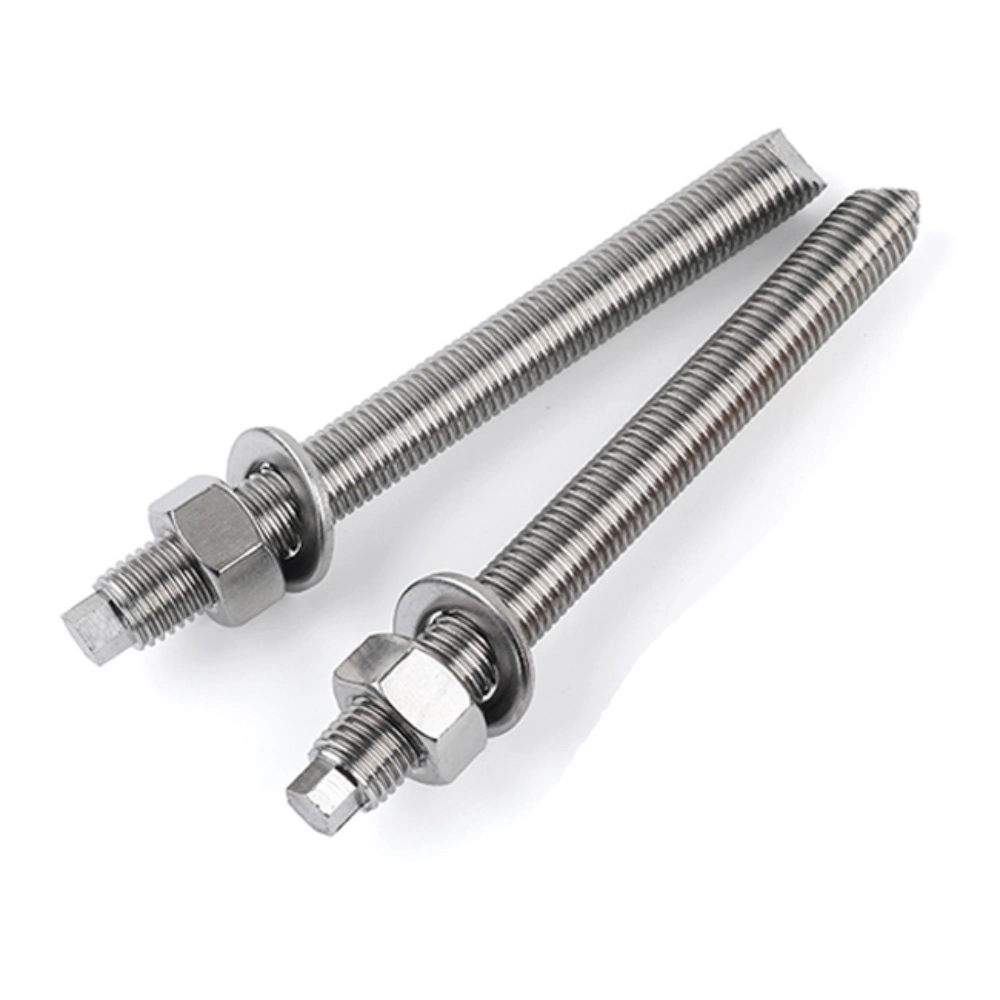
Adhesive anchoring represents another widely used alternative to traditional mechanical expansion fasteners. Chemical epoxies bond threaded metal rods directly to surrounding concrete structures for permanent support. Such chemical adhesive systems prevent water from entering the drilled hole and protect internal threads. However, comparing anchor corrosion galvanized vs stainless performance remains crucial even when using chemical epoxies. Moisture still migrates through concrete pores over time to reach vulnerable carbon steel elements. Stainless steel chemical rods maintain high shear strength despite continuous exposure to localized moisture. Conversely, galvanized threaded rods degrade quickly if acidic groundwater penetrates the concrete foundation slab. Structural engineers calculate these specific degradation factors when planning underground parking structures. Proper material selection prevents hidden metal failures behind massive concrete retaining walls.
Future Building Material Decay and Structural Metallurgy
Continuous innovation in metallurgy drives the development of next-generation commercial construction fasteners. Researchers develop advanced zinc-alloy coatings to extend the life of low-cost carbon steel. New duplex steel formulations combine extreme high tensile strength with exceptional chemical stability. Such ongoing research of anchor corrosion galvanized vs stainless solutions promises highly durable infrastructure designs. Eco-friendly manufacturing processes also limit the environmental footprint of hot-dip galvanizing production plants. Modern design codes enforce strict material traceability to ensure consistent safety across major projects. Smart sensors embedded in concrete anchors now report real-time mechanical stress and oxidation. Interactive technical advances enable facility managers to schedule structural maintenance with high precision. Selecting advanced alloys ensures compliance with updated international building safety regulations. Future construction projects will rely on these robust materials to construct safe high-rise buildings.
FAQ
Why does concrete carbonation cause galvanized fasteners to rust?
Fresh concrete maintains a highly alkaline environment that naturally protects internal carbon steel from rusting. However, atmospheric carbon dioxide penetrates concrete pores over time and reacts with calcium hydroxide. Such chemical reactions slowly reduce the pH of concrete from twelve to around nine. The loss of alkalinity destroys the protective zinc carbonate layer on galvanized anchors. Once this defensive barrier dissolves, oxygen and moisture reach the raw carbon steel beneath. Exposed steel then oxidizes rapidly and creates expanding rust that damages the surrounding concrete. Standard galvanized anchors require dry indoor environments to avoid this chemical degradation.
Can you mix galvanized and stainless steel elements in concrete?
Mixing galvanized and stainless steel components in a single concrete connection triggers galvanic corrosion. Stainless steel acts as a noble metal compared to the highly active zinc coating on galvanized anchors. Connecting these metals in the presence of concrete moisture creates an unintended electrical circuit. Such galvanic activity accelerates the consumption of the protective zinc coating on the galvanized fastener. The zinc dissolves rapidly and leaves the underlying carbon steel completely unprotected. Builders must use matching materials or install insulating non-metallic washers between the parts. Uniform metal choices prevent early localized chemical decay in structures.
Which grade of stainless steel works best for chemical plants?
Grade 316 stainless steel represents the preferred choice for anchoring systems in demanding chemical plants. It contains two percent molybdenum, which provides superior resistance to aggressive localized pitting and crevice corrosion. For highly acidic or concentrated chemical exposures, premium duplex stainless steel alloys offer even greater durability. Such high-strength duplex formulations withstand physical stress and resist stress corrosion cracking under heavy loads. Standard 304 stainless steel fails quickly in chemical facilities because it lacks sufficient molybdenum content. Project managers always verify chemical compatibility charts before specifying concrete hardware for industrial facilities. Selecting the appropriate alloy ensures long-term safety and eliminates risk.