Avoiding Major Concrete Anchor Installation Mistakes in Commercial Projects
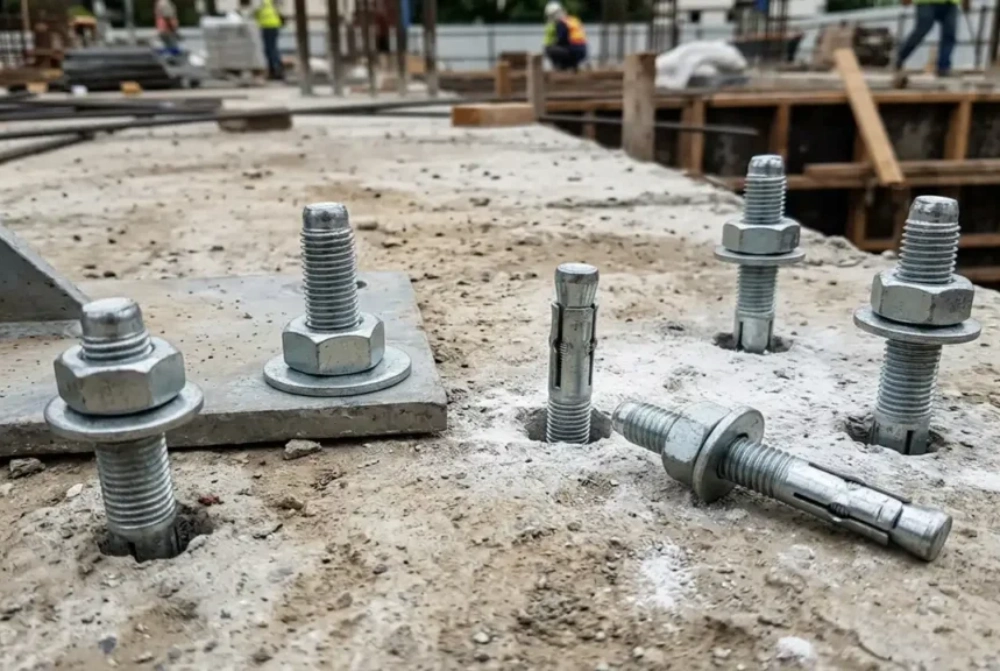
Industrial construction projects demand high structural integrity. Operators must secure heavy equipment to solid concrete slabs. Frequently, field technicians make serious concrete anchor installation mistakes during this critical phase. These errors compromise the load capacity of your structural systems. Weak anchors lead to catastrophic equipment shifts or structural collapse. Such failures cause expensive downtime and jeopardize worker safety. Professional engineers emphasize precise alignment during the layout phase. Using substandard fasteners often triggers early failures. Correct torque values prevent the threads from stripping under heavy tension. Strict quality control procedures help teams avoid these common jobsite issues. Proper training ensures workers install fasteners to exact specifications. Every crew member should follow the exact manufacturer instructions. This proactive approach maintains high safety standards.
Skipping the Deep Hole Cleaning Process Prior to Fastener Insertion
Dust accumulation inside the drilled hole presents a major technical hurdle. Crews often drill holes but fail to vacuum the concrete dust afterward. Leftover debris prevents the anchoring adhesive from bonding with the masonry walls. This dust also blocks mechanical expansion anchors from achieving full contact with the concrete matrix. Consequently, the fastener slips when experiencing high tension forces. Workers must employ a blow-clean-blow technique to clear out all powder. A wire brush removes stubborn particles from the interior concrete threads. Using stainless steel concrete anchors requires this meticulous cleaning step to ensure maximum load transfer. Clean holes guarantee that the expansion sleeve grips the concrete securely. Skipping this simple task leads directly to premature anchor withdrawal.
How Operators Cause Concrete Anchor Installation Mistakes
Selecting an incorrect drill bit size often causes severe concrete anchor installation mistakes on-site. Carbide-tipped bits must comply with ANSI standard B212.15 to ensure proper hole geometry. Overused drill bits wear down and create holes that are too narrow. This size reduction prevents the anchor from setting at the correct depth. Conversely, oversized holes offer no resistance to the expansion mechanism of the bolt. The anchor will pull out easily under minimal shear force loads. Experienced installers always measure the bit diameter with a caliper before drilling. Regular equipment audits prevent teams from using worn tools on high-stress structural joints. Maintaining precise tolerances guarantees the design strength of every fastening point.
Over-Torqueing Anchor Bolts Beyond Structural Specifications
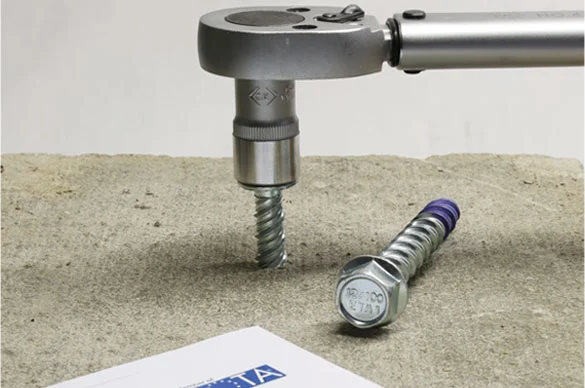
Excessive torque during installation damages both the concrete substrate and the metal bolt. Installers mistakenly believe that tighter bolts always yield stronger connections. This dangerous practice actually strips the internal threads and weakens the anchor assembly. Over-torqueing causes the expansion clip to pull through the concrete wedge prematurely. Such action creates localized stress fractures in the surrounding masonry foundation. Stainless steel wedge anchors require exact torque values to function safely in harsh environments. Operators must use a calibrated torque wrench instead of an impact driver. Impact wrenches apply uncontrolled force and quickly damage the anchoring components. Following official manufacturer specifications always prevents micro-cracking and ensures the design shear capacity remains fully intact.
Disregarding Essential Concrete Cure Times and Edge Distances
Placing heavy-duty fasteners into green concrete leads to rapid system failures. Concrete must cure for at least twenty-eight days before supporting structural design loads. Early installation causes severe cracking because the aggregate has not reached its full compressive strength. Furthermore, drilling near the edge of a slab creates high lateral stress. This excessive pressure triggers concrete breakout failures along the perimeter. Engineers specify minimum spacing distance between multiple anchors to prevent overlapping stress zones. Failing to respect these physical boundaries compromises the safety of the entire building foundation. Crews must measure edge distances carefully before commencing any drilling activities. Adhering to these structural spacing rules keeps the installation secure over its service life.
Reference Chart for Correct Hole Depths and Torque Specifications
| Anchor Diameter (Inches) | Min. Embedment Depth (Inches) | Installation Torque (Ft-Lbs) | Concrete Strength (PSI) |
|---|---|---|---|
| 3/8 | 2-1/2 | 25 | 4000 |
| 1/2 | 3-1/2 | 55 | 4000 |
| 5/8 | 4-1/2 | 90 | 4000 |
| 3/4 | 5-1/2 | 150 | 4000 |
Methods to Prevent Costly Concrete Anchor Installation Mistakes
The technical data table clearly outlines the safe operating parameters for typical wedge fasteners. Each anchor diameter corresponds to a specific minimum embedment depth to guarantee maximum holding power. Operators who ignore these values often create severe concrete anchor installation mistakes during structural assembly. For instance, a half-inch anchor requires fifty-five foot-pounds of torque to set correctly.
Applying too much force risks fracturing the surrounding concrete. Insufficient embedment depth reduces the overall tension capacity of the bolt. Contractors must reference these engineering metrics before drilling on site. Using these exact values prevents sudden catastrophic shear failures. Professional teams keep these laminated reference sheets inside every tool crib to maintain high safety standards.
Comparative Analysis of Anchor Materials and Tensile Limits
| Anchor Material Type | Tensile Strength (PSI) | Corrosion Resistance Level | Primary Application Environment |
|---|---|---|---|
| Carbon Steel | 60,000 | Low | Indoor Dry Locations |
| Zinc-Plated Steel | 70,000 | Medium | Mild Outdoor Settings |
| 304 Stainless Steel | 85,000 | High | Wet Industrial Zones |
| 316 Stainless Steel | 90,000 | Very High | Marine Environments |
Detailed Technical Breakdown of Material Strength and Environment Matches
Material selection dictates the ultimate life cycle of any heavy-duty connection. The comparative table displays how tensile strength varies across steel alloys. Carbon steel performs adequately in climate-controlled warehouses. However, humid manufacturing facilities require superior alloys to combat galvanic corrosion. Selecting 316-grade steel provides the necessary resistance to chemical exposure. Engineers choose high-tensile fasteners to bear dynamic machinery loads without deformation. Mismatching materials often accelerates oxidation and weakens the structural framework. Project managers must evaluate environmental humidity before purchasing bulk fasteners. This proactive review prevents sudden degradation of critical supports. Correct material planning guarantees reliable performance in challenging environments. Safety officers monitor these material selections to keep projects compliant with international codes.
Procedural Checklist for Proper Heavy-Duty Anchoring
Select the correct carbide drill bit matching the specified anchor diameter.
Drill the hole perpendicular to the concrete surface to the required depth.
Use a wire brush and manual blow-out pump to remove all loose dust.
Insert the heavy-duty anchor gently using a hammer to avoid thread damage.
Tighten the nut using a calibrated torque wrench to the exact foot-pound specification.
Standard Field Procedures for Maintaining Installation Precision
Adhering to a standardized sequence minimizes human error during installation. Every technician must follow these exact steps to ensure structural safety. Skipping even one simple action can compromise the structural load of the entire layout. For instance, drilling a crooked hole prevents the anchor from setting flat. This misalignment concentrates stress on a single side of the fastener. Consequently, the concrete surrounding the bolt may fracture prematurely. Following the checklist guarantees uniform load distribution across all anchoring points.
Supervisor checks reinforce these field protocols on heavy industrial jobsites. Training programs should emphasize these steps during onboarding courses. Consistent application of these methods protects valuable equipment from sudden failure. Qualified teams keep detailed records of every completed step.
Implementation of Rigid Quality Assurance Frameworks
Commercial projects require continuous inspection of all structural fastening points. Safety managers should inspect anchor installations before mounting any high-value machinery. Third-party testing companies often perform pull-out tests to verify actual load capacities. These tests identify weak anchors before they cause serious failures on-site. Furthermore, keeping detailed installation logs supports future maintenance reviews. Inspectors record the drill bit wear levels and the applied torque values. This historical data helps engineers diagnose potential structural issues early. Maintaining precise logs also protects B2B firms from liability claims. Robust quality assurance practices build trust with corporate clients and regulatory agencies. Investing in proper safety protocols ultimately saves businesses from expensive legal fees. Quality work ensures long-term operational stability for the facility.
Long-Term Structural Integrity Through Correct Anchoring
Achieving reliable fastening requires careful attention to material specs and field procedures. Engineers and field technicians must work together to avoid simple errors. Small mistakes like uncleaned holes can destroy a multi-million-dollar machine mount. Following ANSI standards guarantees that your structures remain safe and highly reliable. Purchasing quality fasteners is only the first step of a safe build. Correct physical execution of the installation remains the most critical component. Companies must invest in high-quality tools to achieve consistent results. Regular safety training keeps crews updated on the best anchoring practices. Ultimately, safe building habits prevent costly accidents and enhance overall productivity. Your commitment to safety ensures the durability of every commercial structure.
FAQ
What happens if you drill a hole too deep for an expansion anchor?
Drilling too deep causes major issues for mechanical expansion fasteners. Drop-in anchors will slide too far into the concrete hole. This deep placement prevents the setting tool from reaching the expansion plug. Wedge anchors will also sink past the required engagement point. Consequently, the safety clip cannot expand against the masonry wall properly. This leaves the fastening bolt loose and completely unstable. Heavy equipment loads will quickly pull the loose anchor from the slab. Crews must measure the drill bit depth to prevent this error. Using depth stops on rotary hammer drills guarantees uniform hole depths.
How long should concrete cure before installing heavy-duty anchors?
Fresh concrete requires ample time to reach its full structural design strength. Standard commercial concrete mixes need at least twenty-eight days of curing. Installing heavy-duty fasteners before this period finishes causes massive micro-cracking. Wet or weak concrete cannot support high expansion force loads from mechanical anchors. Drilling early also damages the chemical bonding process of adhesive anchoring systems. Epoxy resins fail to cure properly when moisture remains high in green concrete. Waiting for the full cure period protects your foundation from structural failure. Structural engineers must verify concrete compressive strength before crews begin fastening procedures. This simple delay guarantees the long-term safety of the building.
Can you reuse a concrete anchor after it has been extracted?
Reusing extracted concrete fasteners is highly dangerous on commercial projects. Internal components undergo severe mechanical stress during initial expansion. This permanent deformation weakens the steel thread structure of the anchor. Pulling an anchor out of concrete also destroys its safety clip. Reinstalling a used fastener leads to sudden and catastrophic joint failures. Code regulations strictly prohibit reusing wedge or sleeve fasteners in structural connections. Field crews should discard any extracted hardware immediately to prevent accidental reuse. Always supply new masonry fasteners for every installation task to maintain jobsite safety. Buying high-quality replacement parts ensures the physical stability of your machinery.