Evaluating Wedge Anchors Seismic Performance in Cracked Concrete
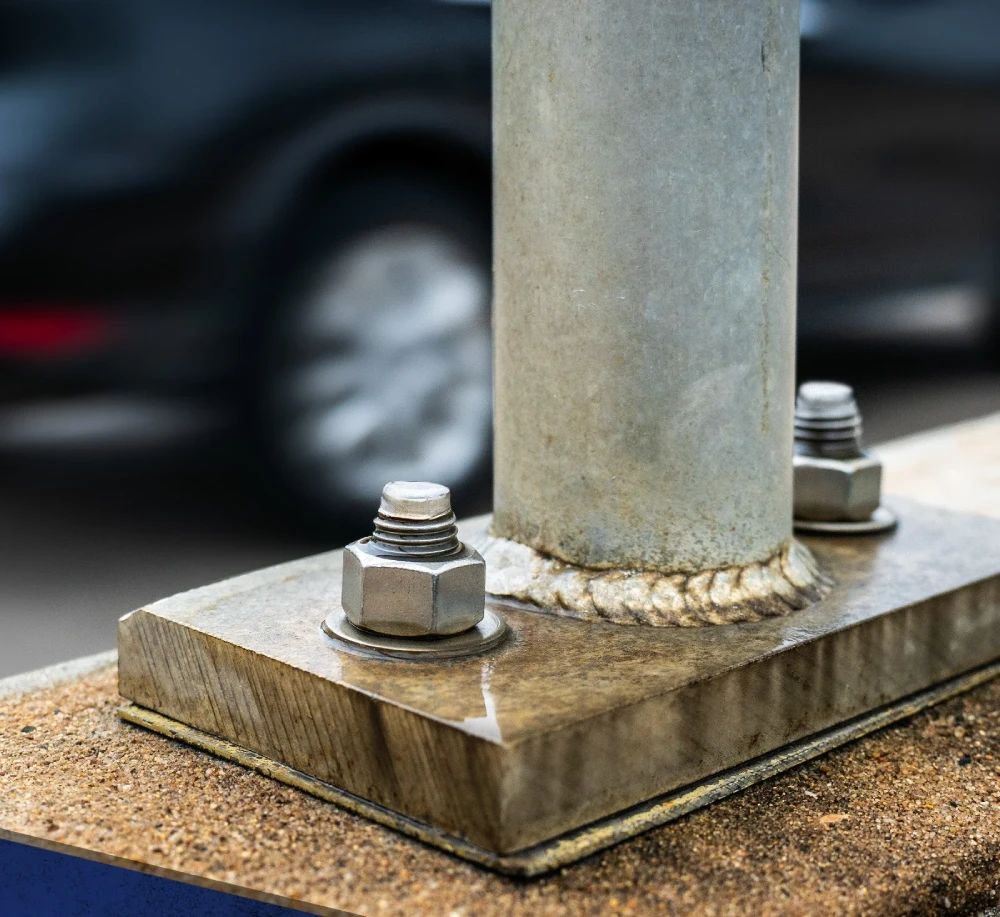
Earthquakes demand extremely robust construction materials to safeguard lives. Structural engineers always look for reliable fastners to secure heavy machinery. Utilizing standard fasteners during intense ground movements often results in catastrophic joint failure. Dynamic forces dynamically expand cracks within concrete slabs. Consequently, selecting certified wedge anchors seismic hardware guarantees long term stability. These specialized expansion bolts maintain their grip despite shifting structural elements. Building codes mandate rigorous testing for every safety critical component. Heavy equipment holds secure when you select qualified high performance fasteners. Industry experts trust these mechanical anchors for demanding industrial installations. They prevent equipment displacement during sudden tectonic shifts. Proper selection ensures peace of mind for commercial developers.
How Earthquakes Impact Structural Foundation Integrity
Seismic events create massive tension and shear stresses within concrete buildings. Ordinary structures flex and twist as energy waves pass through the earth. This physical movement opens existing micro cracks in structural slabs. Standard anchoring hardware lose their holding capacity inside these widened gaps. Therefore, engineers must design systems that dynamically adapt to expanding cracks. Special expansion clips expand further into the cavity to maintain tension. This self-expanding feature prevents sudden bolt slippage during high vibrations. Safety officials carefully analyze these movement patterns during certification phases. Only approved mechanical fasteners can resist these high tension loads safely. Building operators require these reliable systems to protect building occupants. High risk zones demand superior materials to withstand sudden ground shifting.
Key Metallurgy Options for Modern Structural Anchoring
Selecting correct materials prevents premature failure from atmospheric rust and physical stress. Carbon steel options offer excellent tensile strength for dry indoor environments. Zinc plating provides a basic layer of defense against minor moisture exposure. However, outdoor installations require premium stainless steel concrete anchors to survive harsh climates. These durable alloy fasteners resist pitting and rust over long periods. Engineers evaluate the exact chemical composition before approving any specific brand. Nickel and chromium content significantly improves structural life in coastal zones. Contractors must match the fastener alloy with the surrounding rebar metal. Preventing galvanic corrosion ensures the mechanical system remains completely safe. High quality metals guarantee the fastening assembly maintains its original design values. Careful material evaluation always yields better long term safety outcomes.
Sequential Installation Process for Seismic Rated Bolts
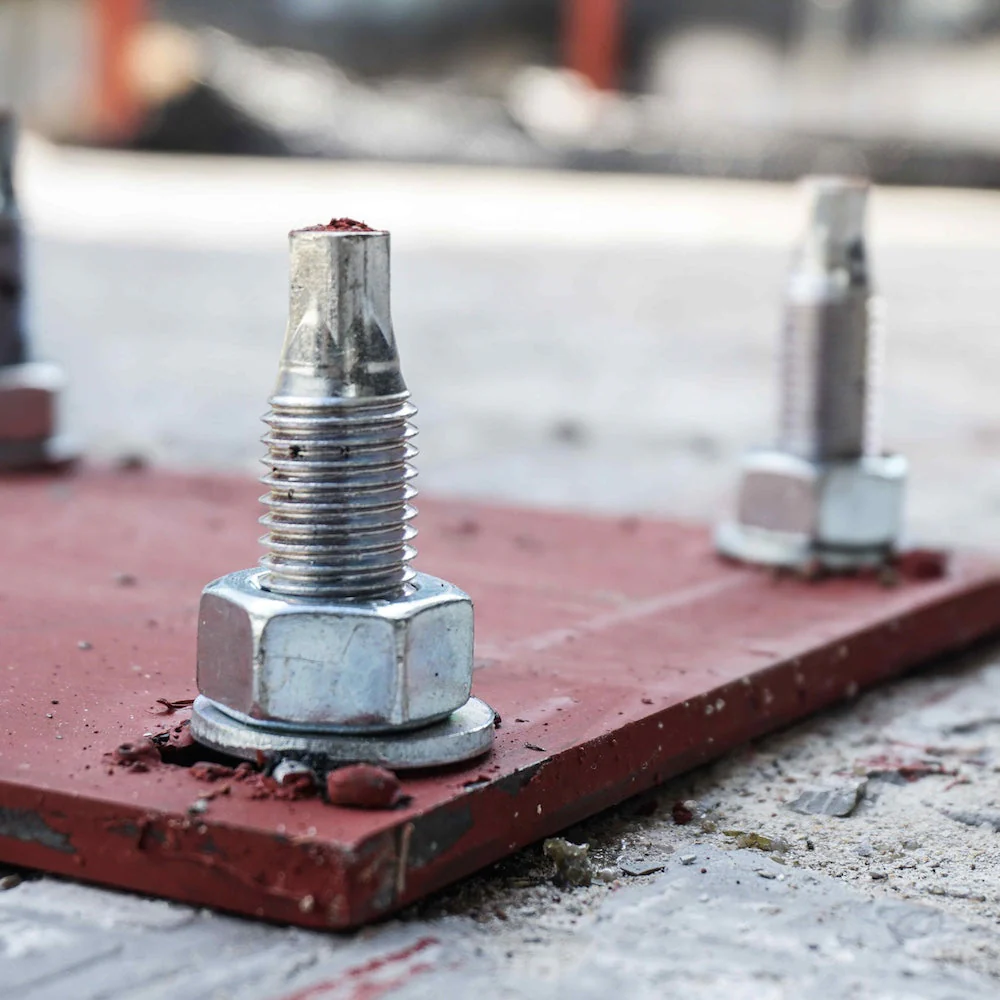
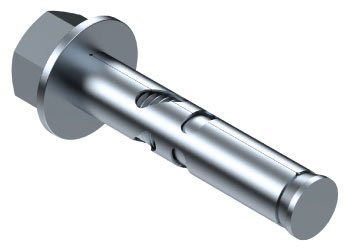
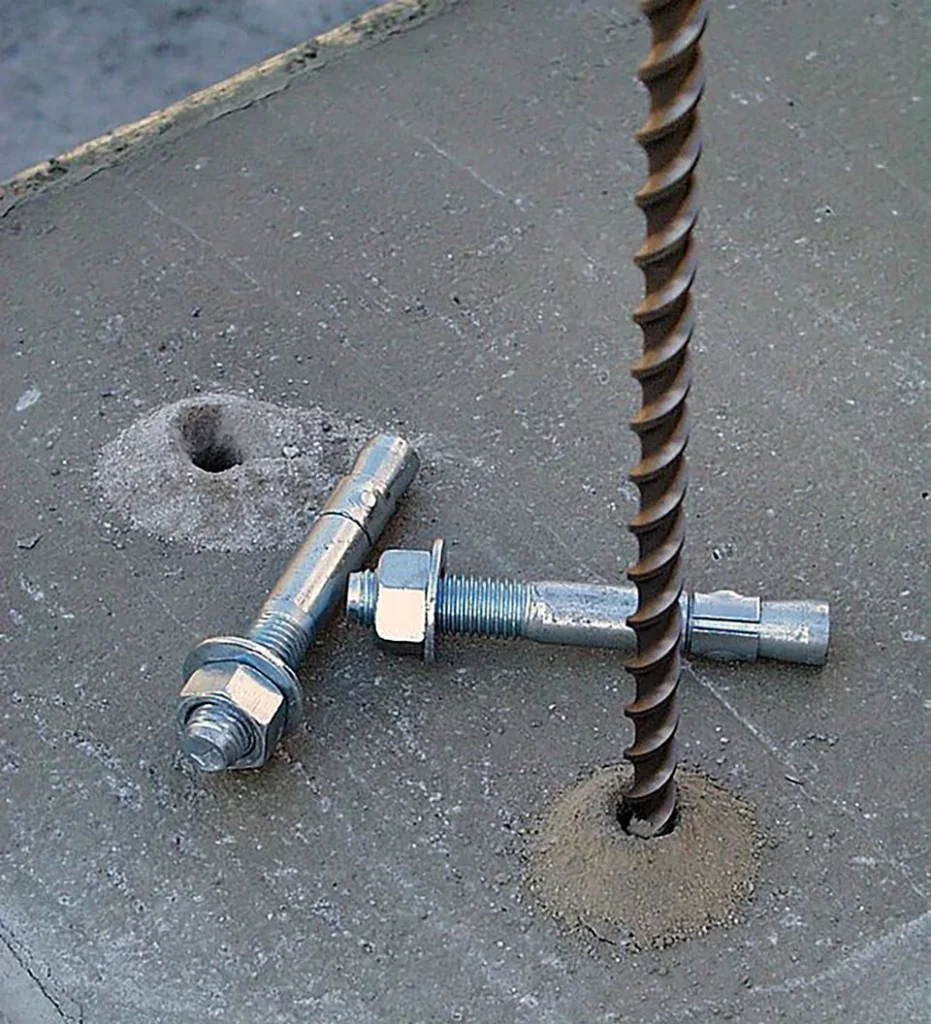
Successful installations require extreme precision and adherence to strict engineering steps. Workers must prepare the concrete slab to ensure maximum mechanical grip. First, technicians drill a hole matching the exact diameter of the hardware. They must utilize a specialized hammer drill to maintain clean hole walls. Next, installers blow out all residual concrete dust using manual pumps. Debris inside the cavity reduces the ultimate holding power of the fastener. They insert the anchor slowly to avoid damaging the outer threads. Finally, crews apply the specified torque using a calibrated tool. This step forces the expansion wedge to grip the concrete tightly. Following these precise steps guarantees the fastening system performs as intended.
Drill the hole to the specified depth.
Clean all dust from the hole.
Drive the anchor into the concrete.
Tighten the nut to the target torque.
Crucial Factors Influencing Proper Mechanical Anchor Grip
Omitting the cleaning step can reduce overall load capacities by half. Dust creates a slippery barrier between the concrete and the anchor clip. Therefore, thorough vacuuming remains a vital step for every field installation. Furthermore, over-tightening the nut can crack the surrounding structural foundation. Under-tightening prevents the wedge from expanding fully into the concrete pocket. Experienced inspectors verify the torque values on every safety joint. Utilizing certified wedge anchors seismic fasteners ensures that the mechanical grip functions consistently. These high quality fasteners withstand intense forces when workers install them correctly. Engineering specifications define the exact drilling depths for each project. Following these specifications prevents structural failure during major ground movements.
Material Performance Metrics for Building Projects
Engineers evaluate material limits before specifying fasteners for major construction jobs. Heavy duty applications require strict attention to yield strength and elongation limits. Carbon steel provides the necessary stiffness for indoor shear walls. Conversely, marine projects demand materials with exceptional resistance to chemical wear. Different coatings offer various levels of protection against moisture penetration. Designers select specific alloys based on the projected lifespan of the structure. Regular testing verifies how these metals perform under sustained loads. This data allows structural consultants to calculate accurate safety margins. The table below shows clear material differences for common structural projects. Reviewing these material characteristics simplifies the selection process. Proper metallurgical pairing prevents premature cracking in stressful environments. Consultants always review these physical limits to prevent sudden failures.
| Material Grade | Tensile Strength (MPa) | Corrosion Resistance | Best Use Case |
|---|---|---|---|
| Carbon Steel (Zinc) | 550 | Low | Indoor Dry Areas |
| 304 Stainless Steel | 620 | High | Outdoor Humid Areas |
| 316 Stainless Steel | 650 | Excellent | Marine Environments |
Evaluating Material Differences for Heavy Structural Slabs
The table highlights why structural engineers prioritize alloy selection for aggressive environments. Outdoor setups expose metal parts to salt spray and industrial emissions. Therefore, using standard carbon steel bolts outdoors risks fast corrosion. High performance projects demand stainless steel wedge anchors to resist these atmospheric threats. This specific grade maintains its mechanical grip for decades without rusting. Contractors save money on maintenance by selecting the right alloy. Corrosion weakens the expander clip, which causes premature anchor pullout. Careful specifiers match the anchor grade to the local atmospheric conditions. Proper installation also preserves the protective oxide layer on the steel surface. This proactive approach ensures safety in high humidity industrial plants. Specifying the wrong metal leads to structural failures over time.
Why Specifications Require Approved Wedge Anchors Seismic Solutions
Seismic design codes require fasteners to undergo rigorous cracked concrete testing. Standard expansion bolts lack the required approval for unpredictable ground movements. Consequently, architects specify certified wedge anchors seismic systems for zone three regions. These products feature a unique expansion sleeve that resists dynamic shear loads. They keep critical equipment from shifting when heavy tremors strike the site. The second table provides concrete details about different tension capacities. Engineers reference this data when they calculate safe working loads. Proper design calculations prevent disastrous failures during massive earthquakes. Sourcing approved anchors remains the best path to achieving structural code compliance. Distributors offer specialized certification papers for every batch of these fasteners. This documentation gives inspectors the proof they need during final approvals.
| Anchor Diameter | Seismic Tension (kN) | Seismic Shear (kN) | Embedment Depth (mm) |
|---|---|---|---|
| 1/2 Inch | 18.5 | 14.2 | 90 |
| 5/8 Inch | 28.4 | 22.1 | 115 |
| 3/4 Inch | 39.1 | 31.5 | 140 |
Analyzing Tension and Shear Performance Under Seismic Loads
This data shows how load capacities scale up with larger dimensions. Engineers always choose the diameter based on the expected lateral forces of tremors. Selecting qualified wedge anchors seismic solutions ensures the safety factors meet local codes. Larger diameter bolts distribute the shear stresses over a wider area. This distribution prevents localized concrete blowout under sudden diagonal force vectors. High shear values in the table confirm why heavy equipment requires thicker studs. Manufacturers test these limits extensively in simulated earthquake laboratories. Buying certified hardware eliminates guesswork for commercial construction teams. Every project deserves reliable components that hold firm under extreme pressure. Quality products guarantee reliable field performance when unexpected movements occur. Your choice of anchoring hardware directly affects the life of the building.
FAQ
Do regular expansion bolts work in earthquake zones?
Regular expansion bolts cannot withstand seismic events safely. Ordinary fasteners lack the design details needed to handle widening cracks. When an earthquake strikes, the concrete around the anchor opens up. This opening causes a standard fastener to lose its grip immediately. Consequently, the attached machinery can tip over or break away. Building codes strictly forbid standard expansion bolts in active seismic regions. Structural engineers must select qualified fasteners specifically tested for cracked concrete. These approved products expand dynamically to maintain a safe grip. This design protects critical infrastructure during ground motion. Proper choices guarantee reliable safety for everyone in the building.
What certifications are required for seismic structural anchors?
Seismic structural anchors must carry specific approvals from accredited agencies. In North America, the ICC-ES evaluation report confirms seismic suitability. This evaluation tests fasteners in simulated cracked concrete environments. European markets require an ETA certificate for Category C1 or C2 performance. These certificates show that the hardware can survive extreme seismic forces.
How does concrete cracking impact anchoring integrity?
Seismic movements generate tensile stress that cracks concrete slabs. These cracks typically pass directly through the anchor hole location. When a crack opens, the diameter of the hole expands slightly. Standard anchor wedges lose contact with the concrete walls inside a wider cavity. This loss of contact leads to sudden anchor pullout under tension. Specialized anchors feature a collar that expands further to compensate for this gap. This collar maintains physical contact and friction with the inner concrete walls. Proper design ensures the fastener continues holding even when cracks widen. Reliable performance requires hardware engineered for these harsh conditions.