Handwheel 50mm Dimensions And Basic Design Considerations
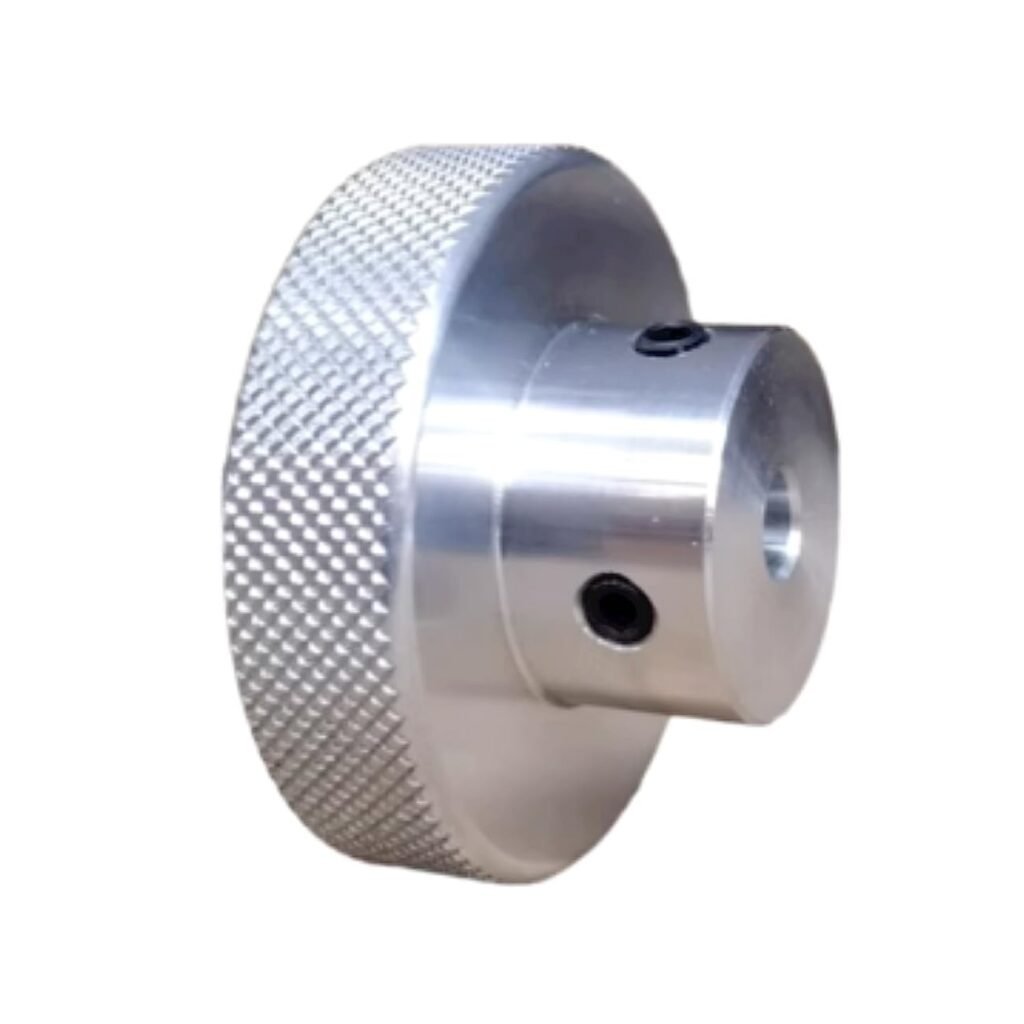
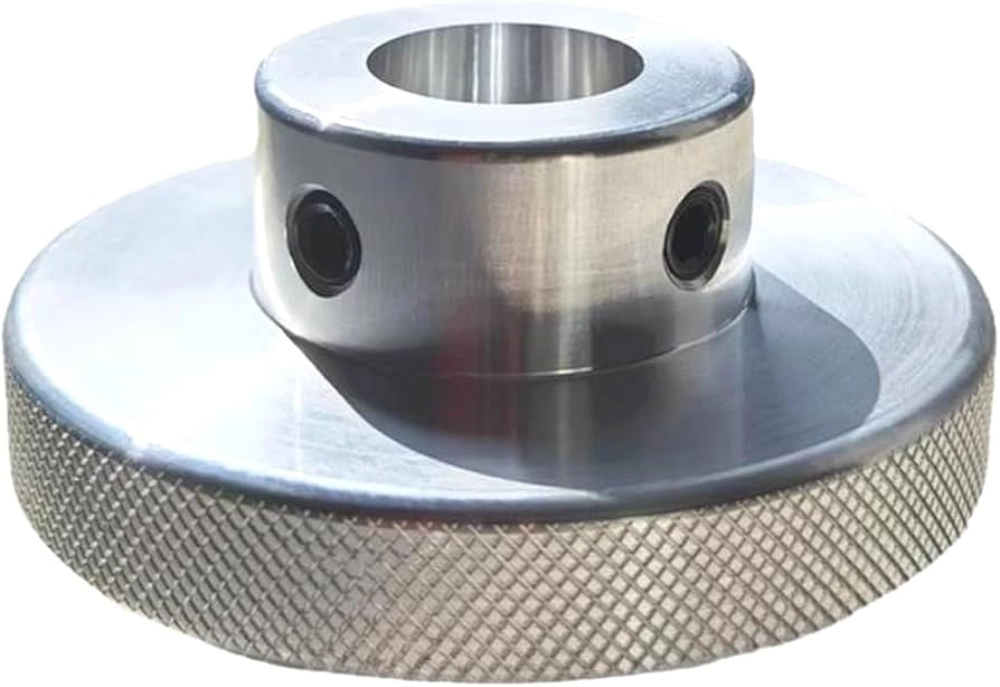
Selecting suitable mechanical control components requires attention to size, structure, and application conditions. A handwheel 50mm specification represents a compact diameter designed for precise manual adjustment in industrial equipment. The measurement usually refers to the distance across the outer circular edge through the center point. This dimension provides a practical balance between control accuracy and installation efficiency. Engineers often consider diameter because it influences torque, movement speed, and operator comfort. Smaller designs support quick positioning, while larger options provide stronger leverage. Buyers should also evaluate hub dimensions, shaft connections, and grip structures before ordering. Professional suppliers provide technical drawings and application support to help customers select suitable solutions for different machinery requirements.
Measurement Methods And Technical Specifications For Compact Designs
Accurate measurement helps prevent compatibility issues during equipment assembly. The outside diameter represents only one part of product evaluation because bore dimensions, hub thickness, and mounting structures also affect installation performance. Engineers should compare supplier specifications with existing machine requirements before confirming purchases. Technical drawings usually include tolerance information, shaft connection details, and recommended installation methods. These documents help purchasing teams reduce errors during product selection. Reliable manufacturers often provide samples or additional technical support when projects require verification. Proper measurement improves communication between suppliers and buyers. It also supports customized production when standard components cannot satisfy specific equipment designs.
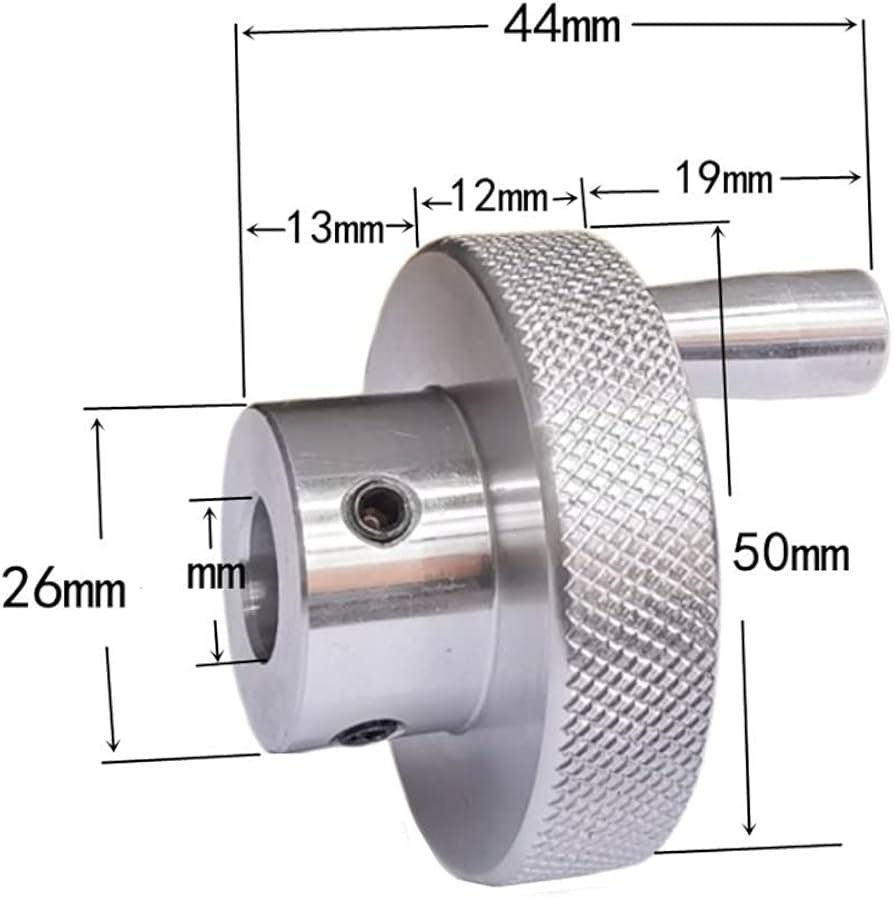
| Measurement Factor | Technical Purpose | Selection Influence |
|---|---|---|
| Outer Diameter | Defines operating size | Affects movement speed and torque |
| Bore Size | Connects with machine shaft | Determines installation compatibility |
| Hub Thickness | Supports structural stability | Influences durability during use |
Material Characteristics And Manufacturing Considerations
Material selection affects durability, weight, corrosion resistance, and service life. Aluminum solid Handwheels provide lightweight construction with strong oxidation resistance, making them suitable for frequent manual operations. Cast iron materials offer higher strength for heavy-duty machinery that requires stable performance under demanding conditions. Engineering plastics provide low weight and insulation advantages for specialized applications. Surface treatment methods also influence long-term reliability because protective coatings reduce damage from moisture and chemical exposure. Manufacturers should evaluate temperature ranges, cleaning processes, and operating frequency before recommending materials. A professional supplier focuses on actual working conditions rather than appearance alone. Proper material decisions help companies reduce maintenance requirements and improve equipment reliability.
| Material Type | Main Features | Typical Application |
|---|---|---|
| Aluminum Alloy | Lightweight and corrosion resistant | Compact machinery systems |
| Cast Iron | Strong structure and high durability | Heavy mechanical equipment |
| Engineering Plastic | Lightweight and insulation capability | Precision control devices |
Performance Factors Behind Handwheel 50mm Selection
Choosing the correct specification requires analysis of operating force, machine structure, and user requirements. A handwheel 50mm solution works effectively when equipment needs accurate positioning instead of maximum torque output. Compact dimensions allow designers to optimize machine layouts while maintaining convenient manual control. Engineers should evaluate rotation frequency, mechanical resistance, and available installation space before making decisions. Handle shape also affects operating comfort because ergonomic structures reduce fatigue during repeated adjustments. Buyers should communicate technical details with suppliers to receive practical recommendations. A balanced selection process improves machine efficiency and supports stable performance throughout long-term operation.
Application Areas For Compact Mechanical Control Solutions
Different industries require reliable manual adjustment components for specific operating conditions. Industrial Machine Handwheels are widely used in systems requiring repeated positioning and consistent operator interaction. Automation equipment, inspection machines, processing devices, and laboratory systems often choose compact solutions because space efficiency remains important. Common application areas include:
- Compact production equipment with limited installation space
- Manual positioning systems requiring accurate movement
- Testing equipment requiring controlled adjustment
- Machinery requiring frequent operator operation
Application conditions determine whether a specific component can provide expected results. Engineers should evaluate mechanical load, environmental exposure, and maintenance requirements before selection. Proper matching between equipment needs and product features improves operational efficiency. A handwheel 50mm option can support these applications when compact size and precise control are key priorities.
Application Analysis For Different Equipment Requirements
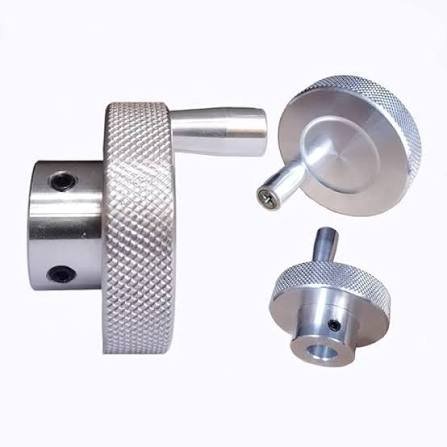
Different machines create different demands for manual adjustment components because operating environments vary significantly. A handwheel 50mm design can support equipment where space efficiency and precise movement are more important than high operating force. Automation systems often require compact components because internal layouts need careful optimization. Processing machinery may need stronger structures due to vibration, continuous operation, and mechanical pressure. Laboratory equipment usually focuses on smooth rotation and accurate positioning. Engineers should evaluate shaft load, usage frequency, environmental exposure, and maintenance access before selecting components. A detailed application assessment helps companies avoid unsuitable purchases. It also allows suppliers to recommend solutions based on practical operating conditions and long-term equipment requirements.
Manufacturing Processes And Quality Control Standards
Manufacturing accuracy directly influences product consistency and operational reliability. Professional suppliers use precision machining equipment, inspection instruments, and controlled production procedures to maintain stable quality. Production teams usually check dimensions, material properties, surface conditions, and assembly performance during manufacturing stages. These inspection processes reduce potential defects and improve product stability after installation. Buyers should evaluate supplier experience, production capability, and quality management systems before cooperation. Manufacturers with strong engineering teams can provide better technical support for customized projects. Consistent production methods help companies maintain reliable equipment performance. Quality control also supports long-term cooperation between suppliers and industrial buyers by reducing unnecessary production risks.
Supplier Evaluation Factors For Industrial Purchasing
Selecting a suitable supplier requires evaluation of manufacturing capability, technical knowledge, and service performance. Companies should review production capacity, engineering experience, inspection systems, and customization ability before placing orders. Reliable suppliers can provide technical documents, product specifications, and application recommendations based on project requirements. Communication quality also affects purchasing success because accurate information prevents design problems. Buyers should confirm material details, dimensional requirements, and delivery schedules before cooperation. Strong supplier relationships depend on stable quality and professional support. A manufacturer with practical industry experience can help customers optimize component selection and improve purchasing efficiency. Careful evaluation reduces supply risks and supports consistent project execution.
Customization Options For Special Machine Requirements
Customization provides flexibility for companies with unique equipment structures. Manufacturers can adjust bore sizes, mounting methods, surface finishes, colors, and handle designs according to specific requirements. These modifications help equipment builders achieve better compatibility with existing systems. Engineers should provide detailed drawings and operating conditions before customized production begins. Manufacturers need to evaluate material performance, machining limitations, and production efficiency during development. Clear technical communication improves accuracy and reduces unnecessary revisions. Customized solutions are valuable for industries requiring specialized mechanical designs. Experienced suppliers can support different project scales while maintaining stable manufacturing standards. Proper customization improves equipment integration and creates better operating experiences.
Maintenance Methods To Improve Service Life
Regular maintenance helps maintain stable operation and extends component lifespan. Operators should inspect connection points, surface conditions, and rotation performance during routine equipment checks. Loose mounting parts may reduce adjustment accuracy and increase vibration during operation. Cleaning methods should match material characteristics because unsuitable chemicals can damage protective surfaces. Lubrication requirements depend on shaft structures and working environments. Companies should establish maintenance schedules according to usage frequency and exposure conditions. Preventive inspections identify possible problems before they affect production efficiency. Proper maintenance reduces unexpected downtime and helps machines maintain reliable performance. Effective maintenance management also lowers replacement costs and improves overall equipment productivity.
Future Development Trends In Mechanical Control Components
Industrial equipment continues developing toward compact structures, improved durability, and better user experiences. Manufacturers are adopting advanced materials and precision production technologies to create more efficient solutions. Lightweight alloys, improved polymers, and optimized structures provide greater flexibility for different applications. Modern equipment designers increasingly focus on space utilization because smaller systems require better component integration. Future products will likely combine stronger materials with improved ergonomic designs. Companies selecting suppliers should evaluate innovation ability, quality systems, and technical response speed. These factors influence long-term equipment development and production efficiency. Continuous improvement in manufacturing technology will support more reliable mechanical control solutions across multiple industries.
FAQ
What Are The Main Benefits Of A 50mm Handwheel?
A 50mm handwheel provides compact dimensions, convenient operation, and accurate manual adjustment performance. This size works well for machines requiring frequent positioning without excessive operating force. The smaller diameter helps equipment designers save installation space while maintaining practical control capability. Operators can achieve efficient movement because the component responds quickly during rotation. Material selection, grip structure, and mounting design also influence final results. Buyers should evaluate application requirements, environmental conditions, and machine compatibility before purchasing. Professional suppliers can provide technical recommendations to support suitable selection. A properly matched product improves workflow efficiency and supports reliable machine performance throughout extended operation.
How Do You Measure A Handwheel Correctly?
Correct measurement requires checking multiple specifications instead of focusing only on diameter. Engineers should measure the distance across the circular edge through the center point and confirm bore size, hub thickness, mounting structure, and shaft connection details. Technical drawings from suppliers help buyers compare product information with existing equipment requirements. Accurate measurement prevents installation problems and reduces modification costs. Professional manufacturers usually provide dimensional documents to support purchasing decisions.
Buyers should communicate application details when requesting customized solutions. Careful evaluation improves compatibility and ensures reliable operation after installation. Proper measurement also allows suppliers to recommend suitable options for different industrial applications.
When Should You Choose A Different Size Option?
A different size option may become necessary when machines require higher torque or stronger operating force. Larger designs provide additional leverage because operators can apply force farther from the rotation center. Smaller dimensions are often better for precision adjustments and limited installation areas. Engineers should consider mechanical resistance, available space, operation frequency, and maintenance requirements before making decisions. The correct choice depends on complete system conditions rather than one specification alone. Environmental factors and user comfort also influence the final selection. Careful analysis helps companies avoid unsuitable purchases and achieve better equipment performance. Experienced suppliers can assist buyers with selecting appropriate solutions.