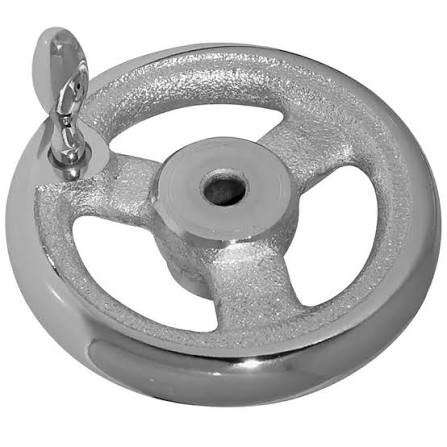
Quality Standards Behind Machine Tools Handwheels Handles Parts
High-quality machine tools handwheels handles parts support stable machine operation through accurate movement control and durable construction. These components connect operators with mechanical systems, allowing precise adjustments during machining processes. Industrial users require reliable parts because small failures can affect production accuracy and maintenance costs. Manufacturers evaluate material strength, dimensional accuracy, surface quality, and assembly performance before selecting suitable designs. Proper engineering also improves operator comfort during repeated adjustments. Reliable components reduce unnecessary downtime and help machines maintain consistent performance throughout extended service periods. Production environments with heavy workloads especially depend on carefully manufactured control parts that deliver smooth operation under demanding industrial conditions.
Material Selection Determines Component Performance
Material selection directly affects mechanical strength, environmental resistance, and operational lifespan. Aluminum alloy remains popular because it provides lightweight construction with good corrosion resistance. Stainless steel offers excellent durability in demanding environments where moisture or chemical exposure exists. Engineering plastics provide electrical insulation and comfortable handling characteristics for specific applications. Phenolic resin is often selected for its heat resistance and dimensional stability. Manufacturers compare hardness, impact resistance, temperature tolerance, and surface friction before choosing materials. A balanced material solution helps components maintain structural integrity during frequent operation. Proper selection also prevents deformation and improves reliability when equipment operates under continuous industrial pressure.
Precision Manufacturing Improves Machine Operation Accuracy
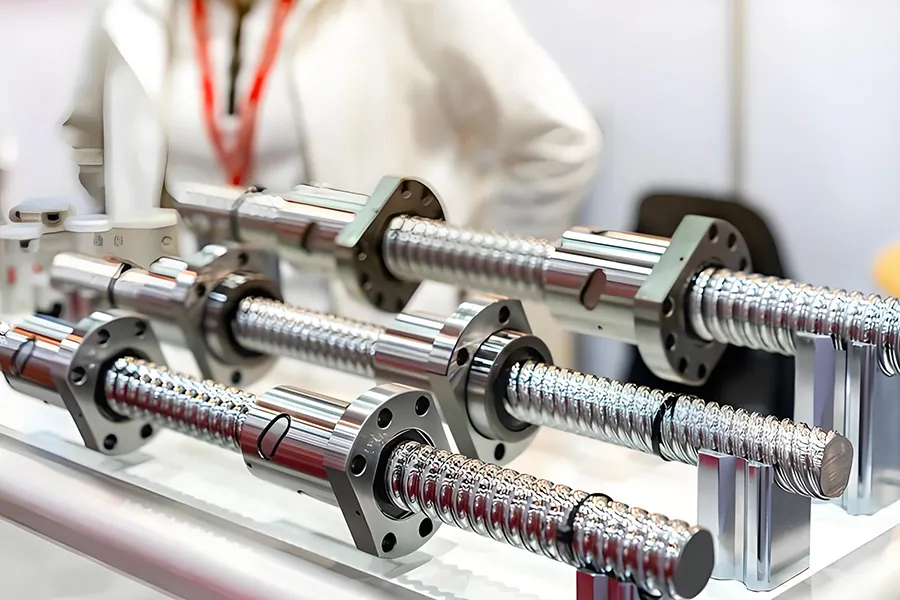
Modern production methods determine how accurately industrial control components perform. CNC turning creates consistent cylindrical surfaces for rotating parts, while milling processes achieve complex geometries with tight tolerances. Injection molding supports efficient production for plastic components requiring repeatable dimensions. Manufacturers use advanced measurement equipment to verify critical specifications during production. Dimensional control prevents installation problems and improves compatibility with different machines. Surface finishing processes such as anodizing, polishing, and coating also enhance wear resistance. Precision manufacturing creates dependable parts that maintain smooth movement and reduce mechanical vibration. These processes help industrial equipment achieve stable adjustments during demanding machining operations.
Key Features That Define Reliable Machine Control Components
Professional buyers evaluate several features before selecting suitable mechanical control products. Reliable designs usually combine ergonomic structures with strong mechanical performance. Important factors include:
- Comfortable grip shapes that reduce operator fatigue during repeated adjustments.
- Strong connection systems that prevent loosening during machine vibration.
- Resistant surface finishes that protect against corrosion and wear.
- Stable internal structures that support accurate movement control.
These features influence both operator experience and equipment reliability. Manufacturers analyze usage conditions before developing suitable designs. A properly engineered component improves workflow efficiency because operators can perform adjustments with better control. Quality evaluation should consider functional performance rather than appearance alone.
Machine Tools Handwheels Handles Parts Require Accurate Design
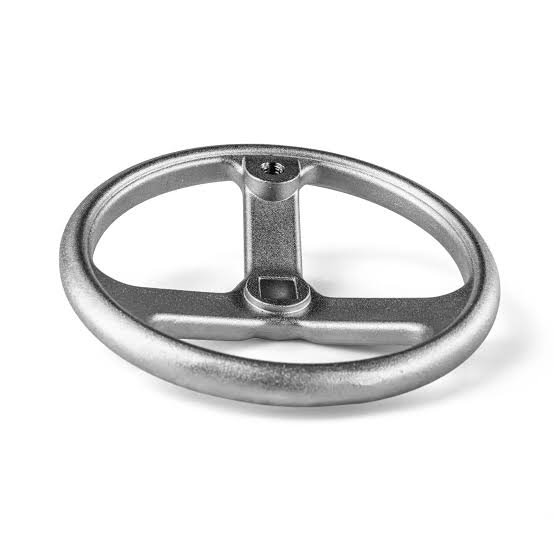
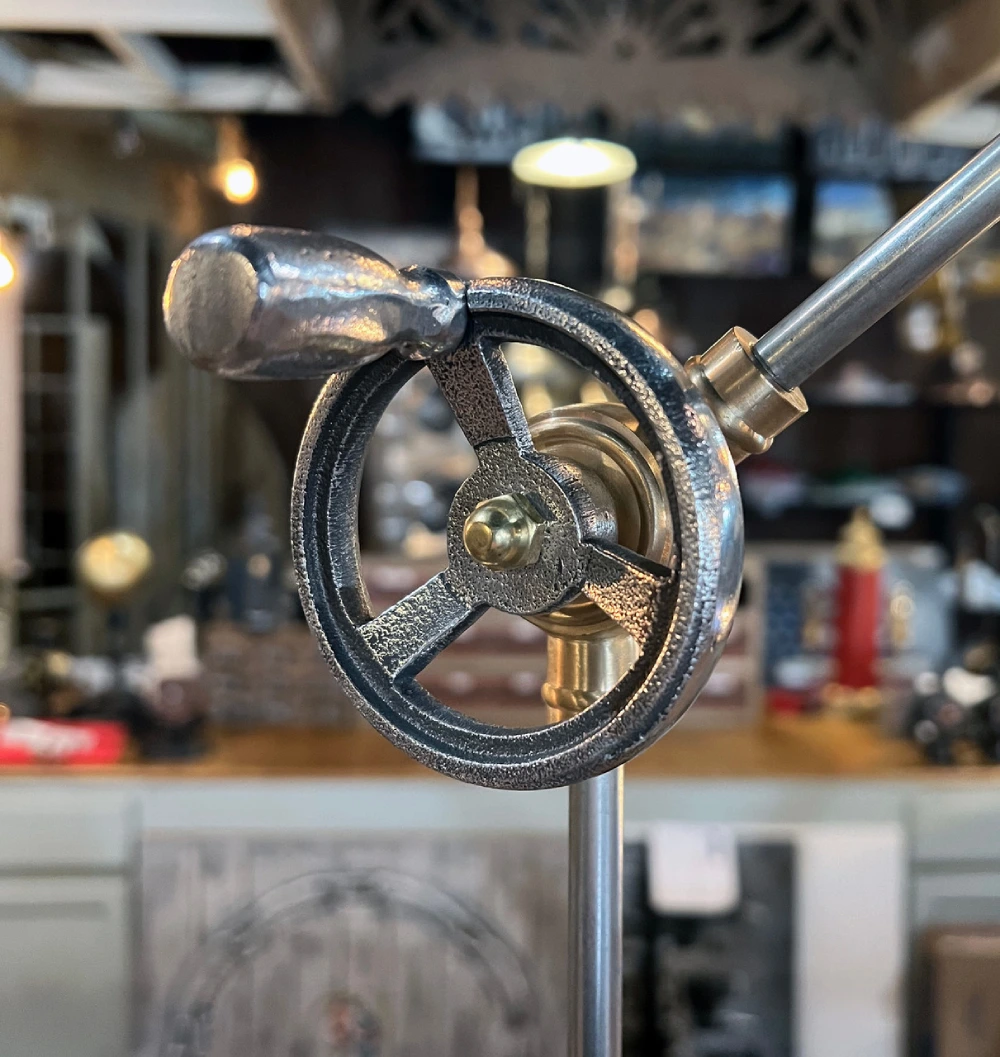
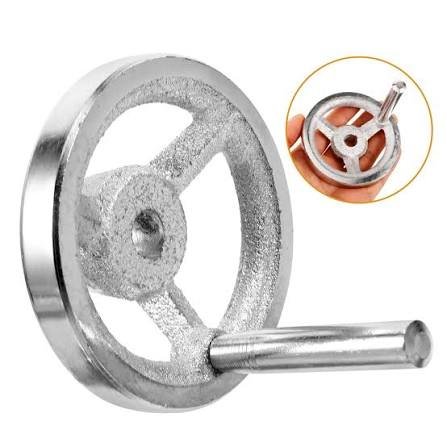
Accurate structural design determines how effectively machine operators control equipment. Machine tools handwheels handles parts require careful engineering because every connection point affects movement precision. Designers analyze grip diameter, rotation force, shaft compatibility, and locking mechanisms during development. Ergonomic shapes reduce hand pressure and support comfortable operation during long working periods. Revolving handles provide flexible adjustment options for applications requiring frequent manual positioning. Engineers also consider material thickness and internal reinforcement to prevent cracking under repeated stress. Proper design improves safety because components maintain secure connections during machine operation. Advanced manufacturers combine practical user feedback with engineering calculations to create dependable control solutions.
Quality Inspection Processes Ensure Product Reliability
Inspection systems protect industrial buyers from inconsistent component quality. Manufacturers apply multiple verification stages before final delivery. These procedures confirm that products meet technical requirements and maintain stable performance.
| Inspection Method | Main Purpose | Common Equipment |
|---|---|---|
| Dimensional Inspection | Verify size accuracy and tolerance control | Calipers, micrometers, CMM systems |
| Material Verification | Confirm composition and material standards | Spectrometers, hardness testers |
| Load Testing | Evaluate strength under operating pressure | Testing fixtures and torque devices |
| Surface Inspection | Check finishing quality and defects | Visual tools and coating meters |
Quality inspection creates confidence throughout industrial supply chains. Precision checks identify potential problems before products reach customers. Manufacturers with strict testing procedures can provide more consistent performance and reduce replacement requirements. Detailed inspection records also support traceability and quality management systems.
Engineering Applications Across Different Machine Equipment
Different machines require different control solutions because operating conditions vary significantly. Milling machines often need precise adjustment components for positioning tables and cutting tools. Lathes require durable controls that withstand frequent rotational movement during machining tasks. Grinding equipment demands smooth adjustment performance because accuracy directly influences finishing quality. Drilling machines benefit from strong handles that support repeated operator interaction. Precision machined components help industrial equipment maintain reliable functionality across various applications. Engineers select suitable designs according to torque requirements, installation space, and working frequency. Proper equipment analysis helps buyers choose components that match production goals while reducing unnecessary maintenance challenges.
How Custom Solutions Support Industrial Requirements
Customization allows manufacturers to meet specific equipment requirements more effectively. Industrial buyers often request changes in dimensions, materials, colors, surface treatments, or branding details. OEM production services help companies create components that match existing machine structures. Engineers review technical drawings and application conditions before developing customized solutions. Material adjustments may improve temperature resistance or mechanical strength for special environments. Surface treatment options can enhance appearance while protecting against corrosion. Custom production also supports unique assembly requirements when standard products cannot provide suitable performance. Experienced suppliers combine manufacturing capability with technical communication to deliver solutions that fit different industrial applications and long-term production strategies.
Common Factors Affecting Component Service Life
Component lifespan depends on operating conditions, maintenance habits, and installation accuracy. Frequent operation increases mechanical stress on moving parts. High temperatures, moisture, and chemical exposure may accelerate material degradation. Excessive loading can damage connection structures and reduce stability. Regular maintenance helps prevent contamination and improves smooth movement. Buyers should evaluate several factors when selecting industrial control components:
- Working frequency and expected service cycles.
- Environmental conditions around the equipment.
- Required torque and mechanical pressure levels.
- Maintenance availability and replacement planning.
Reliability Comparison Between Standard and Premium Components
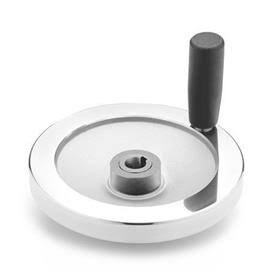
Component quality directly affects operational costs and machine productivity. Standard options may satisfy basic requirements, but premium solutions usually provide better consistency and durability. Higher-grade materials, accurate processing, and strict inspection procedures contribute to longer service periods. Precision engineering reduces adjustment errors and improves operator confidence. Machine tools handwheels handles parts with advanced manufacturing quality can support demanding industrial environments where reliability matters. Buyers often compare initial costs with long-term benefits because frequent replacements increase downtime expenses. A carefully selected component supplier can help companies achieve better equipment performance while reducing unnecessary maintenance activities.
| Comparison Factor | Standard Components | Premium Components |
|---|---|---|
| Material Quality | Basic material selection | Optimized industrial materials |
| Manufacturing Accuracy | General tolerance control | Precise dimensional management |
| Service Life | Moderate operating durability | Extended performance cycle |
| Maintenance Demand | Higher replacement frequency | Reduced maintenance requirements |
Choosing the Right Supplier for Industrial Components
Supplier evaluation requires attention to manufacturing experience, technical capability, and quality management. Reliable suppliers provide accurate specifications, stable production capacity, and professional communication. Buyers should review machining abilities, inspection systems, customization options, and delivery performance before cooperation. A qualified supplier evaluates industrial requirements and develops solutions based on real application conditions. Machine tools handwheels handles parts selection becomes more effective when suppliers provide detailed technical support and consistent production standards. Companies should also examine previous projects and manufacturing resources to evaluate reliability. Strong supplier relationships help maintain stable procurement channels and support future equipment development needs.
FAQ
What materials are commonly used for machine tool handwheels and handles?
Common materials include aluminum alloy, stainless steel, engineering plastics, and phenolic resin. Aluminum alloy provides lightweight strength and corrosion resistance for many applications. Stainless steel offers excellent durability in harsh environments with moisture or chemical exposure. Engineering plastics deliver insulation properties and comfortable handling characteristics. Phenolic resin performs well under heat and dimensional stability requirements. Manufacturers select materials according to load conditions, temperature ranges, and operating environments. Proper material choice improves service life and ensures stable performance during repeated machine adjustments.
How do precision parts improve machine tool performance?
Precision parts improve equipment performance by maintaining accurate movement, stable connections, and consistent operation. Manufacturers use CNC machining and advanced inspection methods to control dimensions and surface quality. Accurate tolerances reduce installation problems and prevent unnecessary mechanical movement. Better finishing processes also decrease friction and improve component durability. When machines require frequent adjustments, precise parts help operators achieve better positioning results.
Reliable manufacturing processes support smoother operation and reduce maintenance demands. These advantages make precision components important for industrial equipment requiring long-term accuracy and dependable performance.
What should buyers check when selecting industrial component suppliers?
Buyers should evaluate supplier experience, manufacturing capability, quality systems, and customization support. A reliable supplier should provide clear technical information, consistent production standards, and effective inspection procedures. Production equipment, material control methods, and delivery reliability also influence supplier performance. Companies should review whether suppliers can handle specific dimensions, materials, and application requirements. Communication quality is another important factor because technical cooperation affects final product results. Careful supplier evaluation helps buyers reduce risks and build stable partnerships for future industrial component requirements.