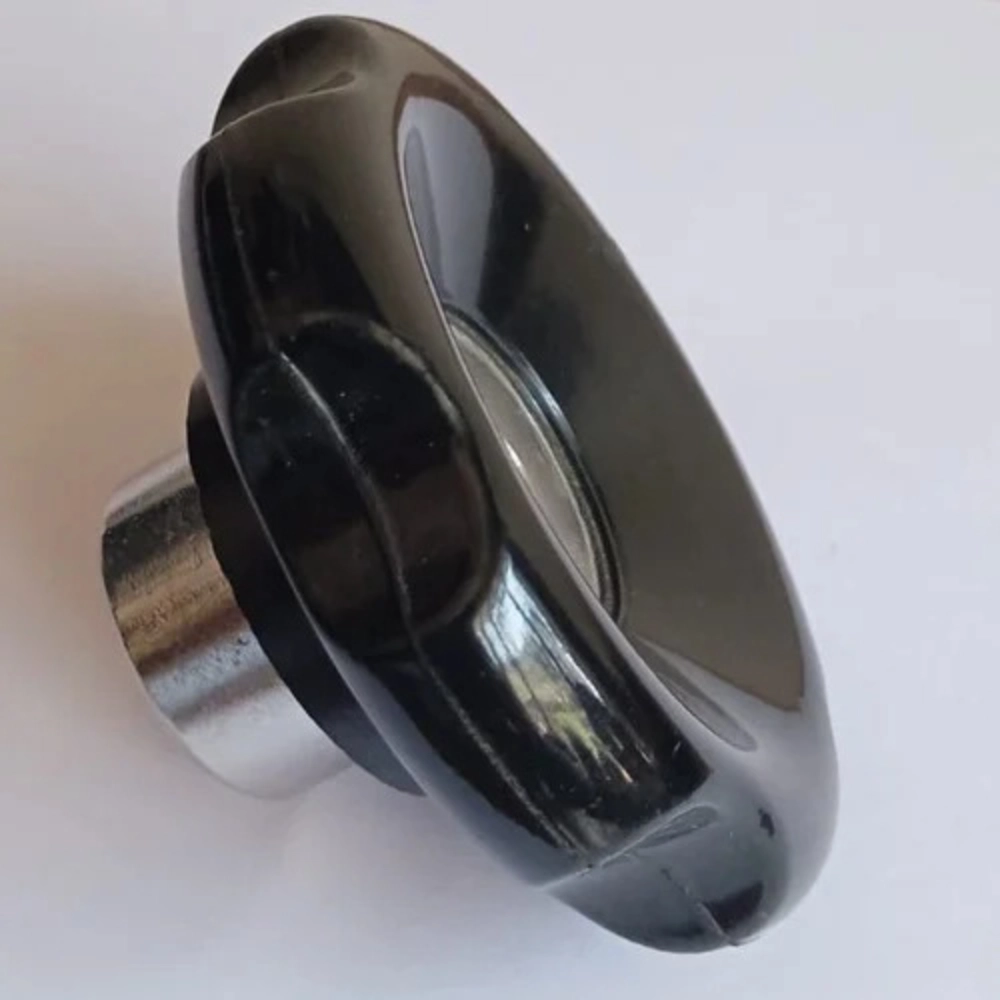
Industrial equipment requires precise manual control for safe and efficient operation. Handwheel 80mm offers a balanced solution for many mechanical adjustment tasks. Its diameter provides comfortable handling without excessive movement space. Operators can achieve accurate positioning through smooth rotation and stable grip performance. This size works well for machines that need frequent adjustments. Manufacturers often select this specification because it combines usability with practical installation requirements. Proper handwheel selection can improve workflow, reduce operator fatigue, and support consistent equipment performance during daily production activities.
Handwheel 80mm Provides Better Manual Control Performance
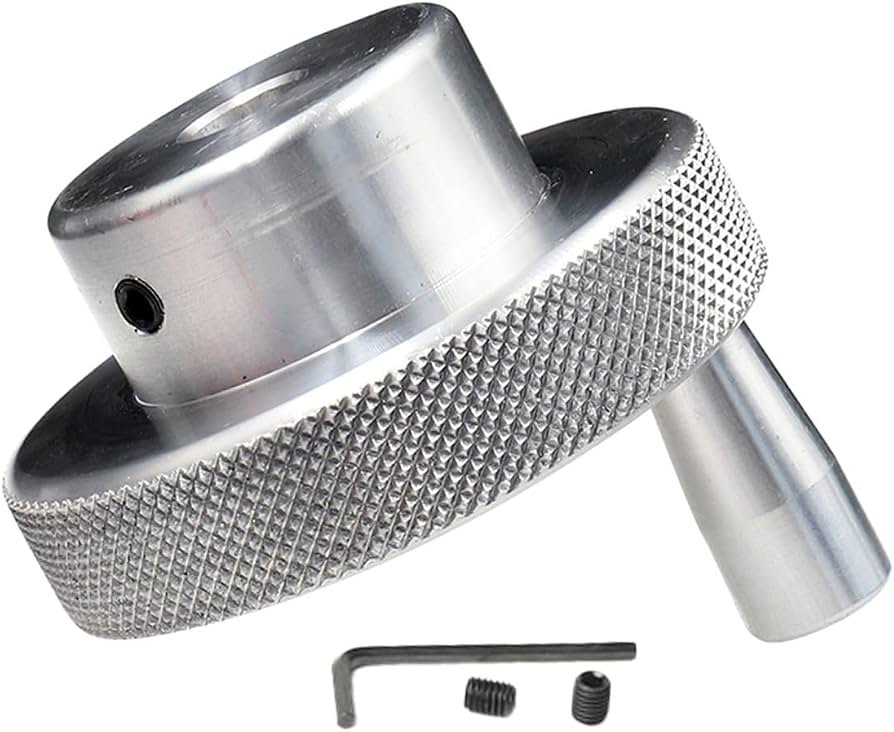
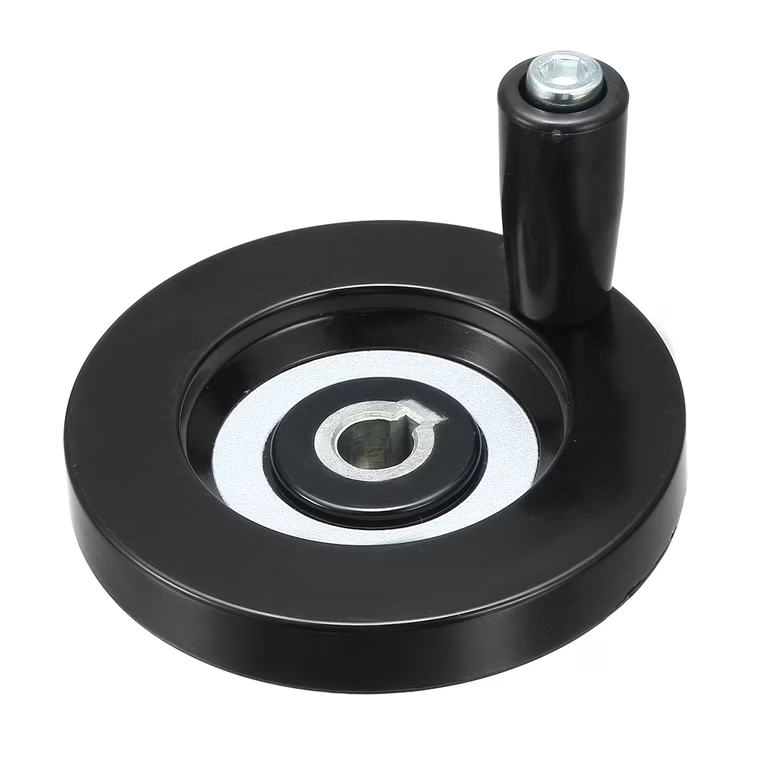
A well-designed manual control component directly affects operator efficiency. Handwheel 80mm creates a practical balance between torque output and handling comfort. The larger contact area allows operators to apply force evenly during rotation. This feature helps when machines require repeated positioning adjustments. Ergonomic design also reduces pressure on fingers and palms during long operating periods. Many industrial users prefer this size because it fits different control panels and mechanical systems. The wheel structure can include textured surfaces, reinforced hubs, and optimized shapes. These details improve grip stability while maintaining smooth movement. A reliable handwheel supports accurate adjustments in production environments.
How Handwheel 80mm Improves Equipment Adjustment Efficiency
Mechanical adjustment speed depends on control accuracy and operator interaction. Handwheel 80mm improves efficiency by offering responsive rotation and predictable movement. Operators can make fine adjustments without unnecessary force. This advantage benefits equipment that requires frequent parameter changes. Machine builders often consider wheel diameter when designing control systems. A suitable size helps balance rotation distance and adjustment sensitivity. Industrial applications include positioning tables, processing equipment, inspection devices, and manual control mechanisms. The design also supports quick installation with standard mounting solutions. Better control performance reduces adjustment errors and improves overall equipment productivity.
Material Selection And Structural Design Factors For Industrial Handwheels
Material selection determines durability, weight, and environmental resistance. Aluminum solid Handwheels provide strong mechanical performance with lightweight construction. Aluminum materials resist corrosion and support applications requiring frequent handling. Plastic versions offer cost advantages and electrical insulation properties. Cast iron options provide higher strength for heavy-duty environments. Engineers also evaluate hub structures, keyway designs, and shaft connections before selecting components. Surface finishing affects appearance and long-term resistance against wear. A reinforced center area improves load distribution during operation. Manufacturers should match material characteristics with operating conditions, including temperature, vibration, and working frequency. Proper structural design ensures stable performance throughout the equipment lifecycle.
| Material Type | Main Features | Common Applications |
|---|---|---|
| Aluminum Alloy | Lightweight, corrosion resistant, strong surface durability | Automation equipment and precision machines |
| Engineering Plastic | Cost efficient, insulated, easy to process | Control panels and general machinery |
| Cast Iron | High strength and excellent load resistance | Heavy industrial equipment |
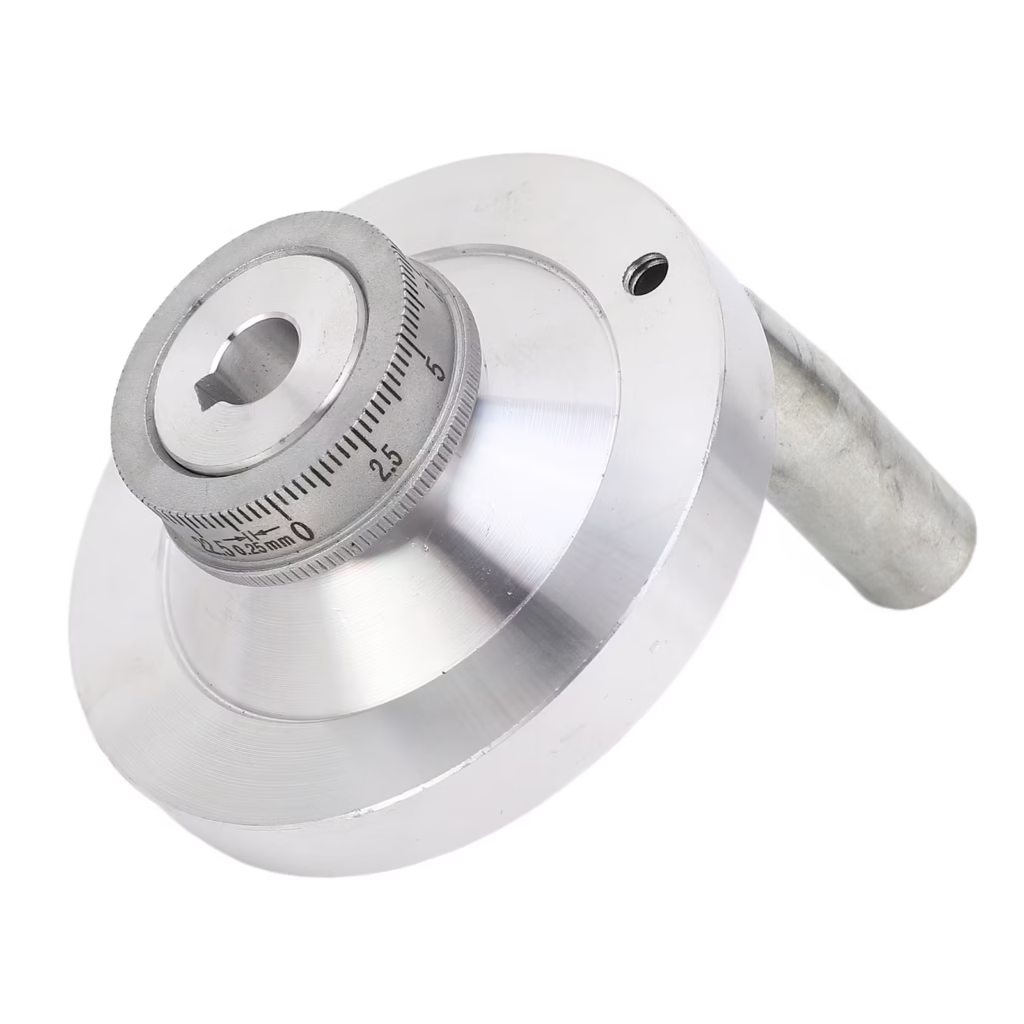
Key Applications Where Industrial Machine Handwheels Support Operations
Different industries require dependable manual adjustment systems. Industrial Machine Handwheels are widely used in equipment that needs direct operator control. Machine tools use these components for positioning and calibration tasks. Packaging systems rely on manual wheels for quick setup changes. Laboratory equipment also uses compact designs for accurate adjustments. Common application areas include:
- CNC auxiliary equipment requiring manual positioning.
- Industrial fixtures needing repeatable adjustments.
- Processing machines with mechanical control systems.
- Inspection equipment requiring precise movement.
Application requirements influence size, material, and mounting selection. Operators need reliable components that maintain performance under repeated use. Manufacturers focus on dimensional accuracy because improper fitting can affect machine operation. Suitable handwheel solutions improve equipment usability and reduce unnecessary maintenance demands.
Technical Features That Support Long-Term Mechanical Performance
Durability depends on several technical factors beyond basic appearance. Engineers evaluate load capacity, rotation smoothness, and installation compatibility. A quality handwheel should maintain consistent movement after thousands of operating cycles. Surface treatment can improve resistance against scratches and environmental exposure. Hub accuracy affects connection stability between the wheel and machine shaft. Reinforced designs help prevent deformation during high-force operation. Temperature resistance also matters for equipment used in demanding environments. Manufacturers often conduct dimensional inspections to maintain production consistency. These technical considerations help buyers select components that match specific mechanical requirements. Reliable construction supports safer operation and longer service intervals.
| Feature | Performance Impact | Selection Consideration |
|---|---|---|
| Diameter | Affects torque and handling comfort | Match machine adjustment needs |
| Hub Design | Influences installation stability | Check shaft compatibility |
| Surface Finish | Improves grip and wear resistance | Consider operating environment |
Comparing Different Sizes For Mechanical Equipment Selection
Size differences create noticeable changes in operation experience. Smaller wheels require less installation space but may provide lower torque. Larger wheels offer stronger leverage but need additional mounting room. Buyers should consider available space, adjustment frequency, and operator requirements. The following comparison shows common differences between several industrial wheel sizes.
| Size | Operating Characteristic | Suitable Equipment |
|---|---|---|
| 50mm | Compact design with limited torque | Small devices and control units |
| 80mm | Balanced control and comfortable handling | General industrial machines |
| 100mm | Higher leverage for stronger adjustments | Large mechanical systems |
Choosing the correct diameter requires evaluation of machine structure and user requirements. Medium-sized wheels often provide the best combination between space efficiency and operating comfort. Engineers should review torque demands before final selection. Proper sizing improves control quality and reduces unnecessary operator effort.
Choosing The Right Handwheel 80mm Supplier For Industrial Projects
Supplier capability influences product consistency and project success. Buyers should evaluate manufacturing experience, quality control systems, and customization support. A professional supplier can provide accurate dimensions, suitable materials, and flexible production options. Inspection processes should include size verification, surface checks, and assembly testing. Communication quality also affects project efficiency because technical details require clear confirmation. Reliable suppliers maintain stable production standards and provide documentation when required. They should also support different mounting methods and design requirements. Selecting the right partner helps businesses reduce production risks and achieve dependable equipment performance.
Installation And Maintenance Considerations For Industrial Control Components
Correct installation improves service life and operating reliability. Technicians should confirm shaft dimensions before mounting the wheel.
Proper fastening prevents looseness during repeated movement. Regular inspection helps identify wear, damage, or connection problems. Lubrication requirements depend on the machine structure and working environment.Cleaning procedures should avoid chemicals that damage surface materials. Maintenance teams should check rotation smoothness and mounting stability during scheduled service periods. These practices reduce unexpected downtime and maintain consistent machine performance. A well-maintained control component can provide reliable support across many production cycles.
FAQ
What Machines Commonly Use Handwheel 80mm?
Many machines use this component because it provides practical manual control. Common examples include machining equipment, positioning systems, laboratory devices, and industrial fixtures. Manufacturers choose suitable wheels based on adjustment requirements, available space, and operating frequency. The diameter works well for equipment needing regular operator interaction. Buyers should also review mounting compatibility, material properties, and environmental conditions. A proper selection improves machine usability and supports stable operation. Supplier experience can help identify suitable specifications for different applications.
How Does The Size Improve Operator Experience?
The size creates a comfortable balance between grip area and movement efficiency. Operators can apply steady force without excessive hand pressure. This feature supports repeated adjustments during long production periods. A suitable diameter also improves control accuracy because users can make smoother movements. Ergonomic considerations become important when equipment requires frequent manual operation. Material texture, wheel shape, and surface treatment further influence comfort. Combining these factors helps create a safer and more efficient working environment for machine operators.
What Factors Affect The Service Life Of Industrial Wheels?
Service life depends on material quality, operating conditions, installation accuracy, and maintenance practices. Strong materials improve resistance against impact and wear. Correct mounting prevents stress concentration around the hub area. Environmental factors such as moisture, temperature, and chemicals can also influence durability. Regular inspection helps detect early problems before failures occur. Buyers should select products based on actual machine requirements rather than price alone. Quality manufacturing processes and suitable design choices contribute to longer operational reliability.