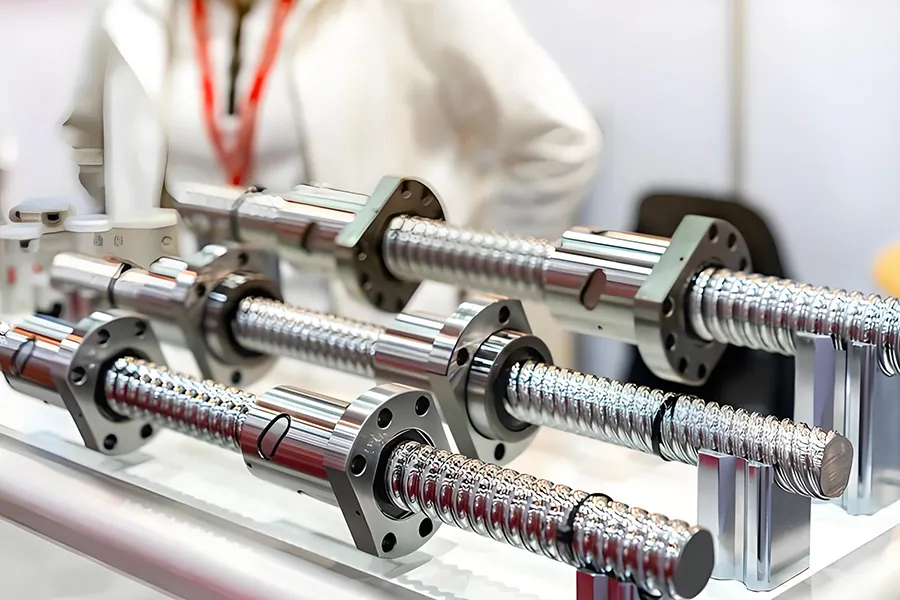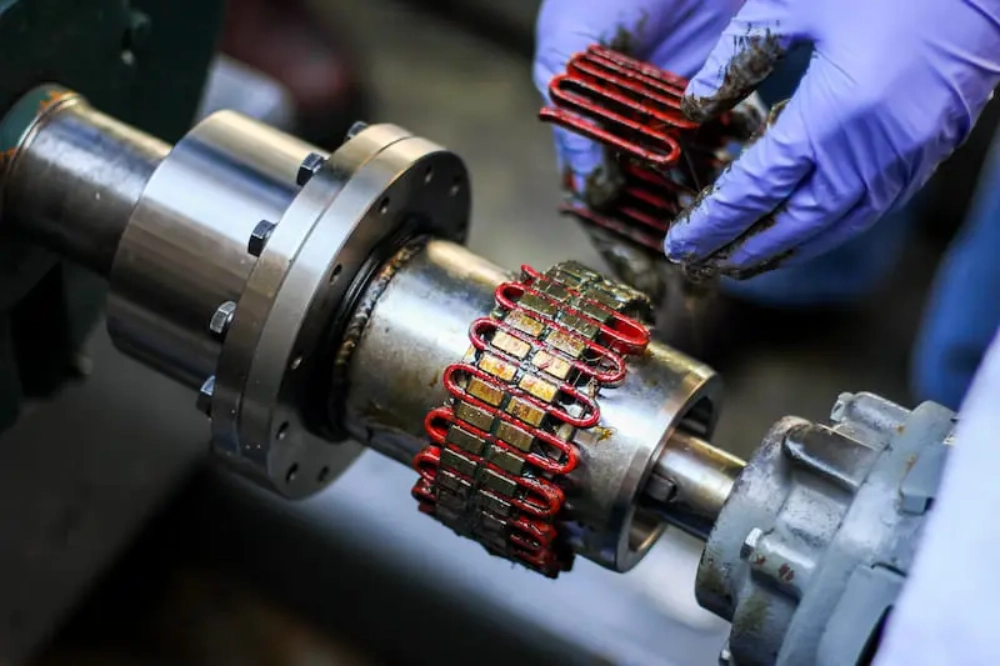
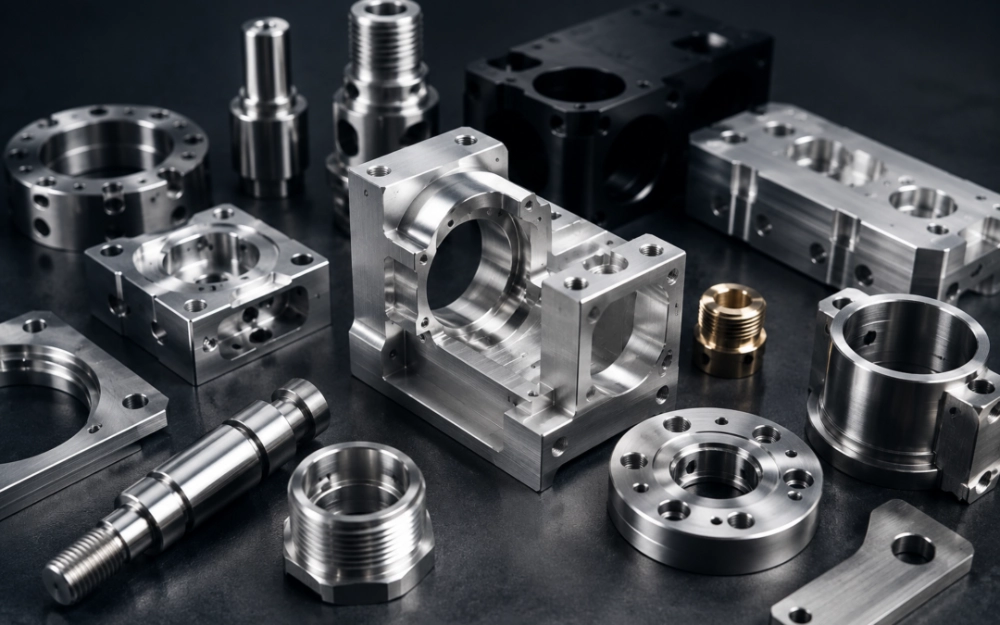
Laboratory equipment machined parts directly influence the stability, accuracy, and lifespan of advanced research systems. These components support critical functions in analytical instruments, testing machines, medical devices, and scientific platforms. Reliable parts help maintain precise movement, secure assembly, and consistent operation during complex procedures. Manufacturers must consider dimensional accuracy, material properties, and production methods when creating components for laboratory environments. Small deviations can affect measurement results and equipment reliability. Professional suppliers focus on strict machining processes, quality inspections, and application requirements. These practices help laboratories achieve dependable performance while reducing maintenance risks and unexpected equipment downtime during long-term operations.
Material Selection Requirements For Scientific Equipment Components
Material selection plays a vital role in producing components for demanding laboratory applications. Different environments require specific material characteristics, including corrosion resistance, mechanical strength, chemical stability, and thermal performance. Stainless steel offers excellent durability and resistance against many chemicals. Aluminum alloys provide lightweight structures with good machining efficiency. Titanium materials deliver strong performance where high strength and low weight are necessary. Engineering plastics can support applications requiring electrical insulation or chemical compatibility. Precision milled components often rely on carefully selected materials because surface quality and dimensional stability affect final performance. Suppliers evaluate operating conditions before recommending suitable materials for each laboratory application.
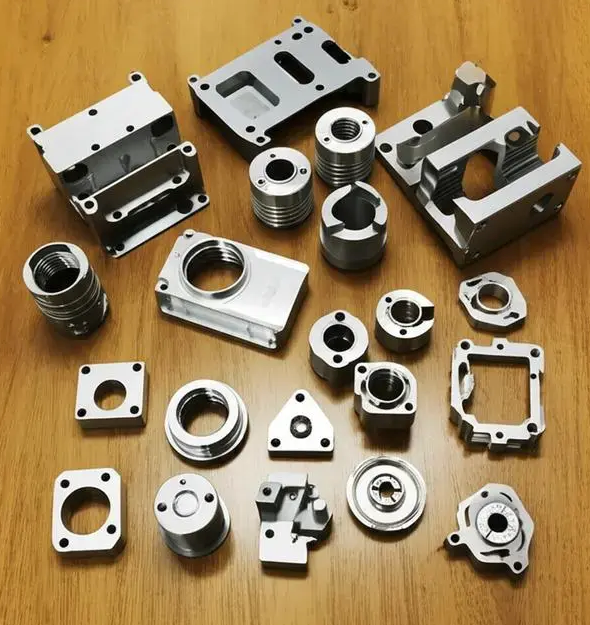
| Material | Main Properties | Common Applications |
|---|---|---|
| Stainless Steel | Corrosion resistance, strength, easy cleaning | Analytical instruments and chemical equipment |
| Aluminum Alloy | Lightweight, efficient machining, good strength | Testing frames and laboratory structures |
| Titanium Alloy | High strength, low weight, chemical resistance | Specialized research equipment |
| Engineering Plastic | Insulation, chemical compatibility, low friction | Fluid systems and protective components |
How Material Performance Influences Component Reliability
Material characteristics determine how laboratory components respond under different operating conditions. Chemical exposure, temperature changes, and repeated mechanical movement can gradually affect component performance. Stainless steel precision machined parts provide strong corrosion resistance and maintain structural stability in demanding environments. These properties make them suitable for equipment exposed to moisture, cleaning agents, or laboratory chemicals. Suppliers also evaluate hardness, surface finish, and manufacturing limitations before selecting materials. A suitable material choice reduces replacement frequency and improves equipment consistency. Advanced laboratories often require customized solutions because standard materials may not satisfy specific testing conditions or performance expectations.
Machining Accuracy And Dimensional Control Standards
Machining accuracy determines whether components can achieve reliable assembly and smooth operation. CNC machining technology allows manufacturers to create complex geometries with consistent dimensions. Tight tolerances reduce assembly problems and improve equipment functionality. Professional production facilities use advanced equipment to control cutting speed, tool performance, and machining parameters. Surface finishing processes also influence component quality because rough surfaces may create friction or contamination risks. Engineers usually define tolerance requirements based on equipment functions and operational environments. Accurate machining helps manufacturers deliver stable components that support sensitive laboratory procedures. Consistent dimensional control remains essential for products requiring repeatable performance.
Quality Inspection Methods For Precision Laboratory Components
Quality inspection protects laboratories from component failures caused by manufacturing errors.Experienced suppliers apply multiple inspection procedures throughout production. These procedures verify dimensions, material quality, surface conditions, and mechanical performance.
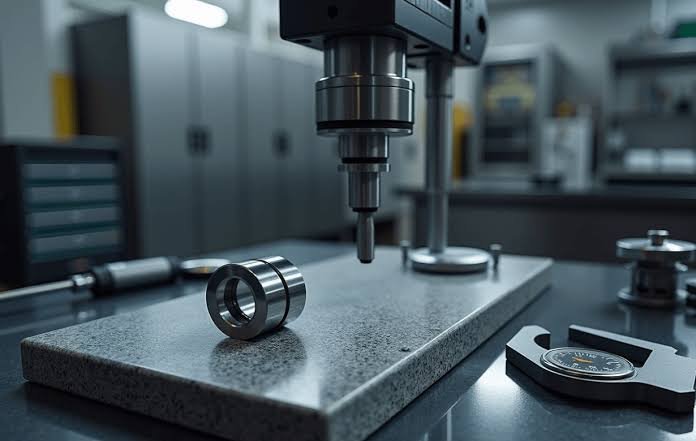
Common inspection methods include coordinate measuring machines, surface roughness testing, hardness analysis, and visual examination. First article inspection also confirms whether initial production meets technical specifications before large-scale manufacturing begins. Modern testing methods help suppliers identify potential issues early and maintain consistent output. Reliable inspection systems demonstrate professional manufacturing capability and provide buyers with greater confidence when selecting component partners for complex laboratory applications.
| Inspection Method | Purpose | Quality Benefit |
|---|---|---|
| CMM Measurement | Checks dimensional accuracy | Improves assembly compatibility |
| Surface Roughness Test | Evaluates finishing quality | Supports smooth equipment operation |
| Material Verification | Confirms material composition | Prevents unsuitable material usage |
| First Article Inspection | Validates production samples | Ensures manufacturing consistency |
Choosing Laboratory Equipment Machined Parts For Reliable Supplier Selection
Selecting a qualified supplier requires careful evaluation of manufacturing experience, technical resources, and quality management systems. Laboratory equipment machined parts require precise production because small errors may influence research accuracy. Buyers should review supplier capabilities before starting cooperation. Important evaluation points include machining equipment, engineering support, inspection systems, production capacity, and customization experience. A professional supplier can analyze drawings, recommend suitable processes, and provide practical improvements. Companies with strong technical backgrounds usually manage complex requirements more effectively. Reliable partnerships depend on communication, transparent production processes, and stable delivery performance. These factors help laboratories maintain consistent equipment quality over extended periods.
Common Purchasing Mistakes And Prevention Methods
Buyers sometimes focus only on pricing and overlook technical requirements during procurement. This approach may create quality problems and additional costs later. Common mistakes include selecting unsuitable materials, ignoring tolerance requirements, and failing to review inspection capabilities. A professional purchasing process should include several important checks:
- Confirm material specifications before production.
- Review machining accuracy and tolerance capabilities.
- Evaluate quality inspection procedures.
- Verify production experience with similar applications.
- Discuss customization requirements clearly.
A detailed evaluation process helps buyers avoid unreliable suppliers. Proper communication between engineers and manufacturers also improves final product performance. Careful planning creates better results and reduces risks during equipment development.
How Buyers Can Evaluate Long Term Manufacturing Partners
After reviewing purchasing factors, buyers should assess supplier reliability through technical discussions and production reviews. Manufacturing partners should demonstrate strong engineering knowledge and flexible problem-solving abilities. Modern testing equipment and skilled technicians indicate professional production management. Laboratory applications often require customized designs, so suppliers need to adapt quickly to changing requirements. Production transparency also matters because buyers need confidence in quality control processes. Modern testing and verification systems allow laboratory equipment machined parts to achieve consistent performance across different applications. A dependable partner provides technical support, stable communication, and continuous improvement throughout cooperation.

Advanced Manufacturing Trends For Laboratory Components
Future laboratory manufacturing will continue developing through automation, intelligent inspection, and advanced materials. Smart CNC systems can improve production efficiency and maintain stable machining accuracy. Digital monitoring technologies help manufacturers track production conditions and identify possible problems quickly. Advanced materials may provide better chemical resistance, lighter structures, and improved durability. Automated inspection systems will also support faster quality verification. These improvements allow manufacturers to create more complex components with higher reliability. Research industries increasingly require customized solutions because laboratory equipment continues becoming more precise and specialized. Companies that invest in technology can provide stronger manufacturing support for future scientific applications.
Reliable Component Solutions For Different Laboratory Systems
Different laboratory systems require components with specific performance characteristics. Analytical instruments often need extremely accurate mechanical structures. Medical research equipment may require materials with excellent cleanliness and corrosion resistance. Testing systems usually depend on durable components that maintain stable operation during repeated use. Suppliers analyze equipment design, environmental conditions, and functional requirements before selecting machining approaches. This process ensures that components match practical application needs. Laboratory manufacturers benefit from suppliers who provide technical recommendations instead of simple production services. Strong engineering cooperation improves equipment reliability and supports innovation in scientific research environments.
FAQ
What Materials Are Commonly Used For Laboratory Equipment Machined Parts?
Laboratory components commonly use stainless steel, aluminum alloys, titanium alloys, and engineering plastics. Stainless steel provides corrosion resistance and excellent durability for chemical environments. Aluminum supports lightweight designs and efficient machining processes. Titanium offers high strength when applications require demanding performance. Engineering plastics help create components requiring insulation or chemical compatibility. Material selection depends on operating conditions, cleaning methods, temperature exposure, and mechanical requirements.
How Does CNC Machining Improve Laboratory Component Quality?
CNC machining improves laboratory component quality through accurate production control and repeatable manufacturing processes. Advanced CNC equipment can create complex shapes while maintaining strict dimensional requirements. Automated machining reduces human errors and improves consistency between production batches. Manufacturers can also combine CNC processes with inspection technologies to verify accuracy and surface quality. This approach supports reliable assembly and stable equipment operation. CNC machining allows suppliers to produce customized components based on detailed drawings and application needs. High precision manufacturing helps laboratories achieve better performance from sensitive research equipment and reduces maintenance challenges.
What Should Buyers Check Before Ordering Laboratory Machined Components?
Buyers should evaluate several factors before ordering customized laboratory components. Important considerations include material selection, machining capability, quality inspection methods, production experience, and communication efficiency. Reviewing technical drawings and tolerance requirements helps prevent manufacturing issues. Buyers should also confirm whether suppliers have suitable equipment and testing systems. A reliable supplier provides clear production information and supports design optimization when necessary. Checking previous experience with similar applications can also improve supplier selection. Careful evaluation reduces purchasing risks and helps laboratories receive components that meet performance expectations, reliability requirements, and long-term operational goals.