

How On Time Delivery Metric Supplier Performance Affects Supply Chain Reliability
Reliable supply chains depend on accurate delivery performance from every supplier involved in production activities. The on time delivery metric supplier evaluation system helps buyers measure whether partners complete orders according to agreed schedules. This measurement reflects production capability, planning accuracy, inventory control, and logistics coordination. Suppliers with strong delivery records create stable purchasing cycles and reduce unexpected operational risks. Accurate delivery performance also supports better customer service because businesses can maintain product availability and avoid urgent transportation costs. Professional suppliers review shipment history, production timelines, and order changes to identify weak points. A data-driven approach allows companies to improve reliability while building stronger relationships with purchasing partners across different industries.

Key Factors That Influence Supplier Delivery Accuracy
Supplier delivery accuracy depends on several connected operational elements. Production planning remains one of the most important factors because poor scheduling can create delays throughout the supply chain. Raw material availability also affects completion time, especially when suppliers rely on customized components or international sourcing channels.
How On Time Delivery Metric Supplier Performance Affects Supply Chain Reliability
Reliable supply chains depend on accurate delivery performance from every supplier involved in production activities. The on time delivery metric supplier evaluation system helps buyers measure whether partners complete orders according to agreed schedules. This measurement reflects production capability, planning accuracy, inventory control, and logistics coordination. Suppliers with strong delivery records create stable purchasing cycles and reduce unexpected operational risks. Accurate delivery performance also supports better customer service because businesses can maintain product availability and avoid urgent transportation costs. Professional suppliers review shipment history, production timelines, and order changes to identify weak points. A data-driven approach allows companies to improve reliability while building stronger relationships with purchasing partners across different industries.
| Operational Factor | Potential Impact | Improvement Method |
|---|---|---|
| Production Scheduling | Late completion and shipment delays | Use demand forecasting and capacity planning |
| Material Management | Production interruption risks | Maintain supplier coordination and safety inventory |
| Quality Inspection | Rework and delayed delivery | Apply strict inspection procedures |
| Transportation Control | Unexpected shipping problems | Track carriers and optimize routes |
How On Time Delivery Metric Supplier Data Helps Improve Operations
Detailed performance data provides suppliers with valuable operational insights. The on time delivery metric supplier analysis allows teams to compare planned schedules with actual shipment results. This comparison helps managers locate repeated problems and create corrective actions. Suppliers should review order volume, production duration, shipment accuracy, and communication response time during evaluations. Advanced companies often combine historical records with forecasting tools to predict possible delays before they happen. Production planning also benefits from accurate data because managers can adjust capacity according to demand changes. Manufacturing businesses producing technical components need precise scheduling because small delays can affect final assembly timelines. For example, stainless steel precision machined parts require controlled machining stages, inspection procedures, and finishing processes. Better planning helps suppliers balance speed, accuracy, and resource utilization.
Improving Inventory Management Through Supplier Delivery Tracking
Effective inventory management requires accurate supplier performance information and timely purchasing decisions. Companies that track delivery patterns can adjust stock levels according to supplier reliability and market demand. Excess inventory increases storage costs, while insufficient inventory creates production interruptions. Suppliers should provide clear updates about material availability, manufacturing progress, and shipping schedules. Buyers can then create practical inventory strategies based on real delivery conditions. A strong tracking system also helps identify suppliers that require additional communication or improvement plans. When inventory teams combine supplier data with demand forecasting, they can reduce emergency purchases and maintain smoother operational processes. Consistent monitoring creates better cooperation between purchasing departments and external partners.
Quality Control Processes That Support Reliable Delivery Performance
Quality management directly influences delivery stability because production errors often create unexpected delays. Suppliers should establish inspection checkpoints throughout manufacturing instead of relying only on final checks. Incoming material inspection confirms whether components meet required specifications before production begins. Process inspections identify problems during machining, assembly, or packaging stages. Final inspections verify product appearance, dimensions, and performance before shipment. For industrial applications, suppliers may also evaluate technical requirements such as stainless steel torque rating coupling performance because incorrect specifications can affect equipment reliability. A complete quality system reduces rework, prevents customer complaints, and supports predictable delivery schedules. Strong inspection procedures demonstrate supplier professionalism and commitment to consistent production standards.
Digital Tools Enhance Supplier Delivery Monitoring
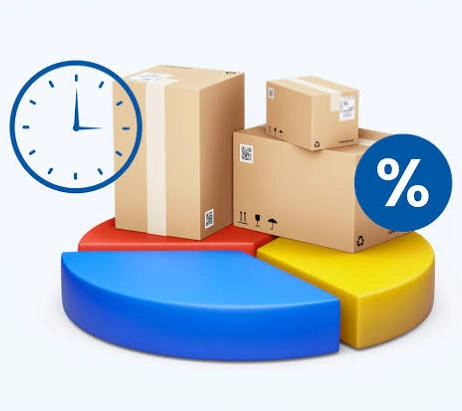
Digital systems provide suppliers with better visibility into production and shipment activities. Enterprise resource planning platforms connect purchasing, inventory, manufacturing, and logistics information in one system. Real-time dashboards allow managers to review delivery trends and identify potential risks earlier. Automated notifications remind teams about approaching deadlines or incomplete production tasks. Data integration improves communication between suppliers and buyers because both sides can access updated information. Modern monitoring tools support accurate forecasting and reduce dependence on manual reporting. Suppliers that invest in digital management systems often achieve higher operational transparency. These technologies transform delivery management from reactive problem solving into proactive performance control.
Practical Metrics Besides On Time Delivery Measurement
Suppliers should evaluate multiple operational indicators because delivery performance depends on connected processes. A single measurement cannot fully represent production capability or service quality. Combining several metrics provides a clearer view of supplier performance. Important evaluation areas include accuracy, flexibility, responsiveness, and manufacturing efficiency.
- Order fulfillment accuracy shows whether suppliers deliver correct quantities and specifications.
- Production cycle time measures how efficiently suppliers complete manufacturing tasks.
- Defect rate reflects quality consistency during production activities.
- Communication response time indicates how quickly suppliers handle changes.
- Shipment tracking accuracy improves logistics visibility and planning.
Multiple Performance Indicators Create More Accurate Supplier Evaluation
A comprehensive supplier evaluation system combines delivery records with quality and operational data. Companies should review these indicators regularly instead of waiting for major problems. Different industries may require different measurement priorities. Customized product suppliers may focus more on production flexibility and technical accuracy. Retail suppliers may pay greater attention to inventory availability and shipping speed. A balanced evaluation approach encourages suppliers to improve overall capability rather than focusing on one target. When buyers share performance expectations clearly, suppliers can create specific improvement actions. This cooperation supports stronger partnerships and reduces repeated delivery challenges.
| Evaluation Category | Measurement Focus | Business Result |
|---|---|---|
| Delivery Performance | Schedule accuracy and shipment completion | Stable supply planning |
| Quality Performance | Defect control and inspection results | Lower correction costs |
| Communication Efficiency | Response speed and update frequency | Faster issue resolution |
| Production Capability | Capacity and process stability | Reliable order fulfillment |
Supplier Improvement Strategies Based On Delivery Performance Analysis
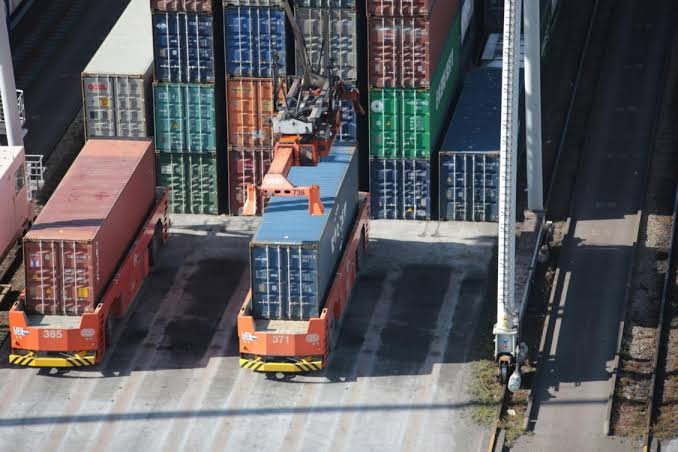
Suppliers can improve operational results by applying practical methods based on collected performance information. Regular analysis helps teams identify delay causes and create targeted solutions.
- Review historical delivery records to identify repeated delay patterns.
- Improve production schedules according to actual capacity conditions.
- Strengthen communication channels with buyers and logistics providers.
- Maintain appropriate material reserves for important orders.
- Establish corrective actions after quality or shipment issues.
- Train employees on planning, inspection, and process management.
Creating Long Term Partnerships With Reliable Delivery Management
Strong supplier relationships require consistent communication, shared expectations, and continuous improvement. Buyers prefer suppliers that provide accurate schedules and respond quickly when unexpected issues appear. The on time delivery metric supplier assessment provides useful information for identifying weak processes and measuring improvement results. Suppliers should establish regular review meetings to discuss performance targets and future demand changes. Transparent communication helps both sides solve problems before they become serious disruptions. Teams should analyze shipment records, production efficiency, and customer feedback during evaluations. Continuous evaluation encourages suppliers to improve processes instead of reacting only after delays occur. Reliable delivery management becomes a foundation for stable cooperation and long-term business growth.
FAQ
What Is A Good On Time Delivery Rate For Suppliers?
A strong delivery rate depends on industry requirements, product complexity, and customer expectations. Many professional supply chains consider rates above 95% as a strong performance level. However, customized products may require different evaluation standards because production processes involve more variables. Suppliers should focus on consistent improvement rather than only achieving a single target number. Regular reviews help companies identify causes behind missed deadlines and create effective solutions. Buyers should also consider quality performance, communication speed, and flexibility when evaluating suppliers. A reliable supplier combines accurate scheduling with strong problem-solving ability to maintain stable cooperation.
How Can Suppliers Reduce Delivery Delays?
Suppliers can reduce delays by improving planning accuracy, production control, and communication processes. The first step involves analyzing previous delivery problems to identify repeated causes. Companies should create realistic production schedules based on available equipment, workforce, and material supply. Maintaining proper inventory levels prevents interruptions caused by missing components. Suppliers should improve communication with buyers when changes occur because early updates allow better decisions. Digital management systems provide real-time information about manufacturing progress and shipment status. Regular employee training and quality inspections further reduce risks. A complete improvement strategy helps suppliers achieve more predictable delivery performance.
Why Should Buyers Track Supplier Delivery Metrics Regularly?
Regular supplier performance tracking helps buyers maintain stable operations and reduce supply chain uncertainty. Delivery records reveal whether suppliers can meet schedules, manage production changes, and support business growth. Buyers can use performance information to compare suppliers and create improvement plans when problems appear. Continuous monitoring encourages suppliers to maintain professional standards because expectations remain clear. Besides delivery results, buyers should review quality consistency, communication efficiency, and order accuracy. A complete evaluation approach creates better purchasing decisions and stronger supplier relationships. Regular tracking supports long-term cooperation by allowing both parties to solve issues through data-based discussions rather than unexpected reactions.