RFQ For Custom Machined Parts: Essential Information For Accurate Supplier Quotes
A detailed rfq for custom machined parts helps buyers receive accurate pricing from qualified manufacturing partners. A professional request document gives suppliers clear project information before quotation preparation. It usually contains drawings, material details, quantities, tolerances, and delivery expectations. Each element affects production planning and cost evaluation. Suppliers review these details to select suitable machines, processes, and inspection methods. Clear communication reduces quotation errors and prevents unexpected adjustments during production. Buyers who provide complete information create stronger cooperation with machining companies. A structured request also helps compare different suppliers through consistent technical and commercial criteria. This approach supports better decisions for complex industrial projects.
Technical Drawings And Specifications In Custom Machining RFQs
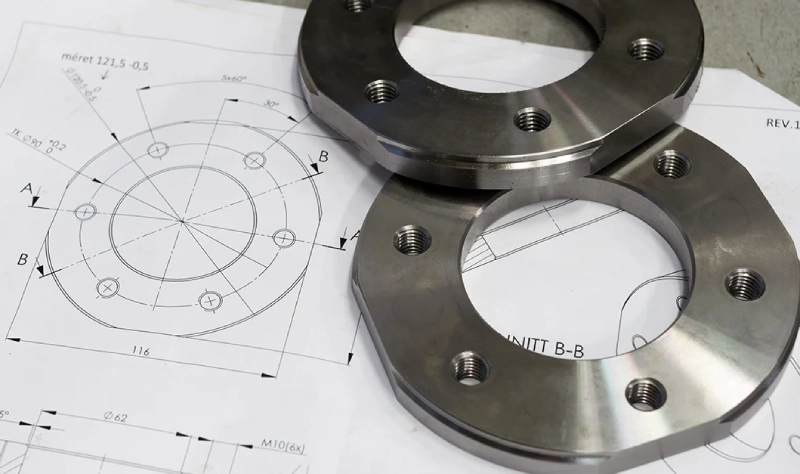
Technical drawings represent the foundation of successful machining communication because they define part geometry and manufacturing requirements. Suppliers analyze dimensions, hole positions, thread specifications, and surface finishes before calculating production methods. CAD files provide digital references for CNC programming and simulation processes. Engineering drawings should include revision numbers to prevent outdated information from affecting production. Many manufacturers also review geometric tolerances because small variations can influence assembly performance. Precision milled components OEM/ODM services often rely on accurate drawings to achieve consistent quality across different production volumes. Detailed specifications allow engineers to select proper cutting tools, fixtures, and machining strategies. This preparation improves efficiency and reduces unnecessary revisions during manufacturing stages.
Material Requirements And Manufacturing Details For Machined Components
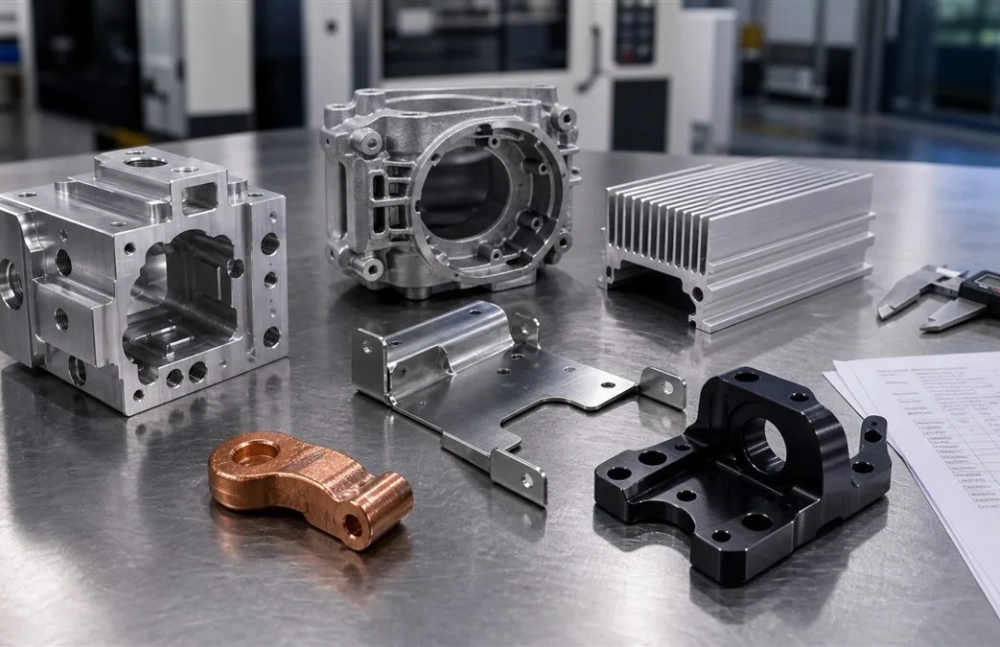
Material selection directly influences machining difficulty, product performance, and final quotation values. Different metals and plastics require specific cutting speeds, tools, and cooling methods. Aluminum alloys provide lightweight structures and excellent machinability for many applications. Stainless steel offers corrosion resistance but requires stronger tooling and careful process control. Titanium delivers high strength but creates additional machining challenges because of heat management requirements. Buyers should specify material grades, hardness requirements, and treatment expectations. Some projects require anodizing, plating, polishing, or heat treatment after machining. Precision machined components OEM/ODM solutions depend on matching material properties with application demands. Suppliers can provide more reliable prices when material information remains complete and clearly documented.
Tolerance Standards And Quality Expectations In RFQ Documents
Quality requirements determine inspection procedures and manufacturing accuracy throughout the production cycle. Buyers should mention acceptable tolerance ranges, measurement methods, and required documentation. GD&T standards help suppliers interpret complex design requirements and maintain consistent production results. Inspection reports, material certificates, and first article inspection documents may support quality verification. Different industries have unique expectations for component accuracy and traceability. Aerospace projects often require strict documentation, while general industrial applications may focus on functional performance. A clear quality section prevents disagreements after production completion. The following table shows common information categories and their influence on supplier evaluation.
| RFQ Information | Supplier Evaluation Impact | Common Supporting Data |
|---|---|---|
| Technical Drawings | Defines machining methods and complexity | CAD files, dimensions, revisions |
| Material Details | Affects tooling and production costs | Grade, hardness, treatment |
| Quality Standards | Determines inspection requirements | Reports, certificates, tolerance data |

Production Volume And Delivery Requirements For Supplier Evaluation
Production quantity and delivery schedules strongly affect manufacturing strategies and pricing structures. Small prototype orders usually require flexible processes and additional setup time. Large production batches allow suppliers to optimize tooling and improve efficiency. Buyers should provide estimated annual demand when possible because suppliers can recommend suitable production methods. Delivery expectations should include target dates, packaging needs, and shipping conditions.
- Prototype quantity and testing requirements
- Monthly or annual production forecasts
- Required delivery milestones
- Packaging and transportation conditions
RFQ For Custom Machined Parts: Cost Factors And Supplier Response Analysis
RFQ for custom machined parts influences how suppliers calculate manufacturing expenses and prepare competitive quotations. Pricing usually includes material costs, programming time, machining hours, labor requirements, and finishing services. Complex geometries often require advanced CNC equipment and additional inspection steps. Production location, order quantity, and process selection also affect final prices. Buyers should compare quotations beyond the lowest cost because quality capability and delivery reliability remain important factors. Experienced suppliers explain cost structures clearly and recommend practical improvements. A transparent quotation process creates better long-term cooperation. Careful analysis helps buyers identify suppliers with suitable technical capability and stable production resources.
Common Mistakes That Reduce RFQ Accuracy During Machining Procurement
Incomplete information often creates delays, incorrect pricing, and unnecessary communication cycles. Buyers sometimes submit requests without updated drawings or missing critical specifications. These problems make suppliers estimate unknown factors and increase quotation uncertainty. Avoiding common mistakes improves project efficiency and strengthens supplier relationships. Important mistakes include:
- Missing material specifications or surface treatment details
- Providing unclear drawings without revision control
- Ignoring tolerance requirements during quotation requests
- Failing to mention expected production quantities
- Not defining inspection documentation needs
Better preparation allows suppliers to create more accurate proposals. Clear requests also reduce technical discussions after order confirmation. Professional communication supports smoother manufacturing processes and improves overall project management.
Key Information Checklist For Better Machining Communication
A structured checklist helps purchasing teams organize technical and commercial information before contacting manufacturers. Every project has unique requirements, but several details remain essential for most machining requests. The table below summarizes major elements that support efficient supplier responses.
| Information Category | Required Details | Business Benefit |
|---|---|---|
| Part Design | Drawings, models, dimensions | Improves quotation accuracy |
| Production Data | Quantity, schedule, packaging | Supports planning decisions |
| Quality Control | Inspection standards, reports | Ensures product consistency |
Improving Supplier Collaboration Through Detailed RFQ Preparation
Complete information creates stronger cooperation between buyers and machining suppliers. Suppliers can evaluate technical challenges, production resources, and quality requirements more effectively. A well-prepared request reduces repeated questions and shortens quotation response times. Buyers also gain better visibility into supplier capabilities before placing orders. Many successful projects begin with clear communication about design goals and manufacturing limitations. Detailed documentation allows engineers from both sides to discuss improvements early. This process can reduce production risks and support stable delivery performance. Strong collaboration creates value beyond pricing because suppliers become strategic partners during product development and manufacturing optimization.
Selecting Reliable Partners Through Professional Machining Documentation
Professional documentation helps buyers identify manufacturers with suitable experience and technical resources. Suppliers with strong engineering teams usually provide detailed feedback about manufacturability and production improvements. They evaluate design complexity, material behavior, and process limitations before accepting projects. Buyers should review supplier experience, inspection capability, and communication quality during selection. Manufacturing partners with advanced equipment can support demanding applications and changing market requirements. Clear documentation also helps maintain consistent standards across repeat orders. A reliable supplier relationship depends on technical transparency and mutual cooperation. Proper preparation creates a stronger foundation for long-term manufacturing success.
FAQ
What Information Should Be Included In An RFQ For Custom Machined Parts?
A complete request should include drawings, materials, quantities, tolerances, finishes, inspection requirements, and delivery expectations. These details allow suppliers to evaluate production methods and provide accurate pricing. Buyers should also mention application requirements because they influence material choices and manufacturing decisions. Clear documentation reduces communication delays and prevents unexpected cost changes.
Why Are Technical Drawings Important In A Machining RFQ?
Technical drawings define the exact shape, dimensions, and functional requirements of manufactured components. They help engineers select proper machines, tools, and inspection methods before production begins. Without accurate drawings, suppliers may create quotations based on assumptions that lead to pricing differences. Drawings with revision numbers, tolerances, and material specifications provide stronger production references. CAD models also support programming and simulation processes for CNC machining. Detailed design information improves communication between purchasing teams and manufacturers. This reduces production risks and supports consistent quality during prototype and mass manufacturing stages.
How Can Buyers Improve The Accuracy Of Custom Machined Parts Quotes?
Buyers can improve quotation accuracy by preparing complete technical information before contacting suppliers. They should provide updated drawings, realistic quantities, required materials, and quality expectations. Clear delivery schedules also help manufacturers evaluate production capacity and resource planning. Comparing supplier feedback is useful because experienced companies often suggest design improvements. Buyers should avoid selecting quotations based only on price because capability and reliability affect project success. Strong communication creates better cooperation and reduces manufacturing issues. A detailed preparation process helps suppliers develop practical solutions that match performance goals and budget requirements.