Why Supplier Risk PPAP FAI Traceability Matters in Modern Supply Chains
Modern manufacturing requires strong supplier control because quality issues can create financial losses and production delays. Supplier risk ppap fai traceability systems help buyers evaluate production capability, monitor process stability, and reduce unexpected failures. These methods connect supplier evaluation with measurable quality performance. Companies in automotive, aerospace, medical, and industrial sectors often require detailed documentation before approving new suppliers. A reliable supplier must provide clear production records, inspection results, and process information. These requirements create confidence between buyers and manufacturers. Effective quality systems also support faster problem-solving when defects appear during production. Strong supplier management protects product performance and improves long-term supply chain reliability.
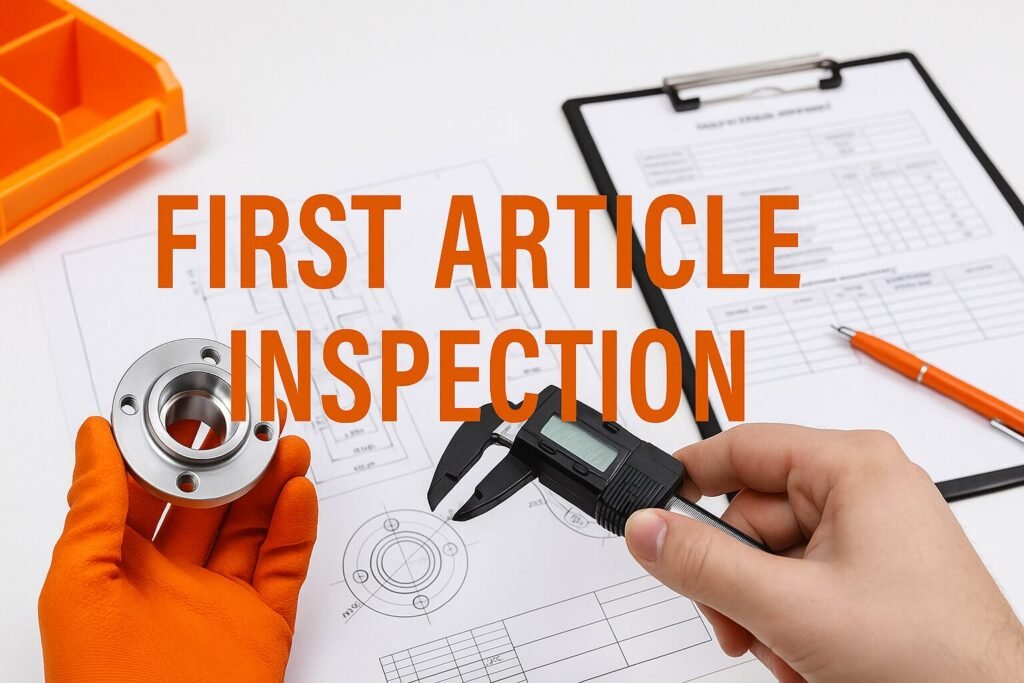
How Supplier Risk PPAP FAI Traceability Controls Manufacturing Quality
Supplier quality management depends on accurate data, controlled processes, and transparent communication. The combination of PPAP, FAI, and traceability creates a complete framework for supplier evaluation. PPAP confirms that production methods can meet customer requirements before mass manufacturing begins. FAI verifies the first manufactured unit against engineering specifications. Traceability connects materials, machines, operators, and inspection records throughout production. Together, these processes reduce uncertainty and help buyers identify potential risks earlier. Suppliers with mature quality systems can respond quickly to technical changes and customer requests. This approach also improves cooperation because both sides share clear production expectations and measurable quality targets.
PPAP Requirements Help Suppliers Prove Production Readiness
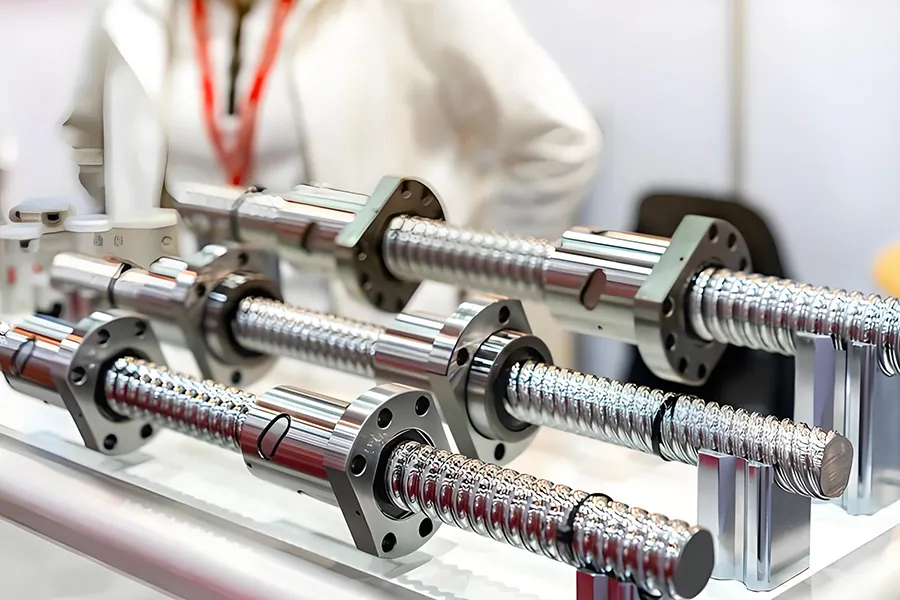
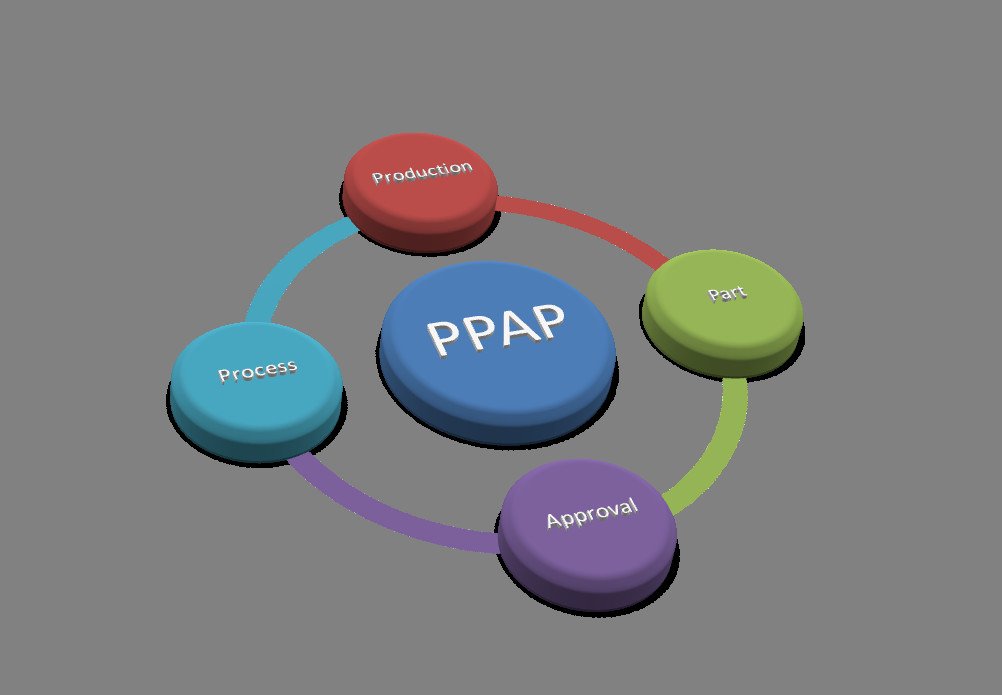
Production Part Approval Process (PPAP) is a structured method that verifies whether a supplier can produce consistent parts. It requires suppliers to submit technical documents and quality evidence before full production approval. Buyers review drawings, process flow charts, control plans, and measurement results to confirm manufacturing readiness. A complete PPAP package usually includes dimensional reports, material certifications, capability studies, and sample approval records. These documents show how suppliers control each production stage. For precision industries, PPAP reduces the chance of receiving unstable products after production starts. For example, manufacturers producing Stainless steel precision machined parts often rely on strict approval procedures to maintain dimensional accuracy and surface quality.
| PPAP Element | Purpose | Supplier Responsibility |
|---|---|---|
| Design Records | Confirm product specifications | Provide approved engineering drawings |
| Process Flow Diagram | Show manufacturing steps | Define production sequence clearly |
| Control Plan | Manage quality checkpoints | Monitor critical process features |
| Capability Study | Verify process stability | Analyze production performance data |
FAI Inspection Improves First Production Accuracy and Reliability
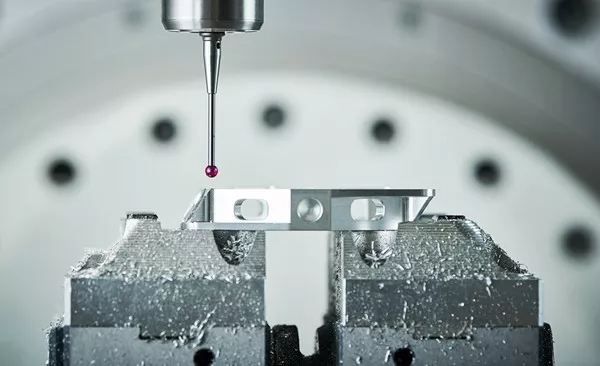
First Article Inspection (FAI) provides early confirmation that production outputs match approved requirements. This process examines the first completed part or initial production sample before continuous manufacturing begins. Inspectors compare actual measurements with engineering drawings, tolerances, and material specifications. FAI commonly includes dimensional inspection, functional testing, surface evaluation, and documentation review. It helps suppliers detect tooling problems, programming errors, or process weaknesses before larger quantities are produced. Buyers benefit because early verification reduces correction costs and delivery risks. A detailed FAI report also creates a quality reference point for future production batches. Suppliers with strong inspection practices demonstrate better control over manufacturing consistency.
Traceability Systems Reduce Supplier Risk During Production
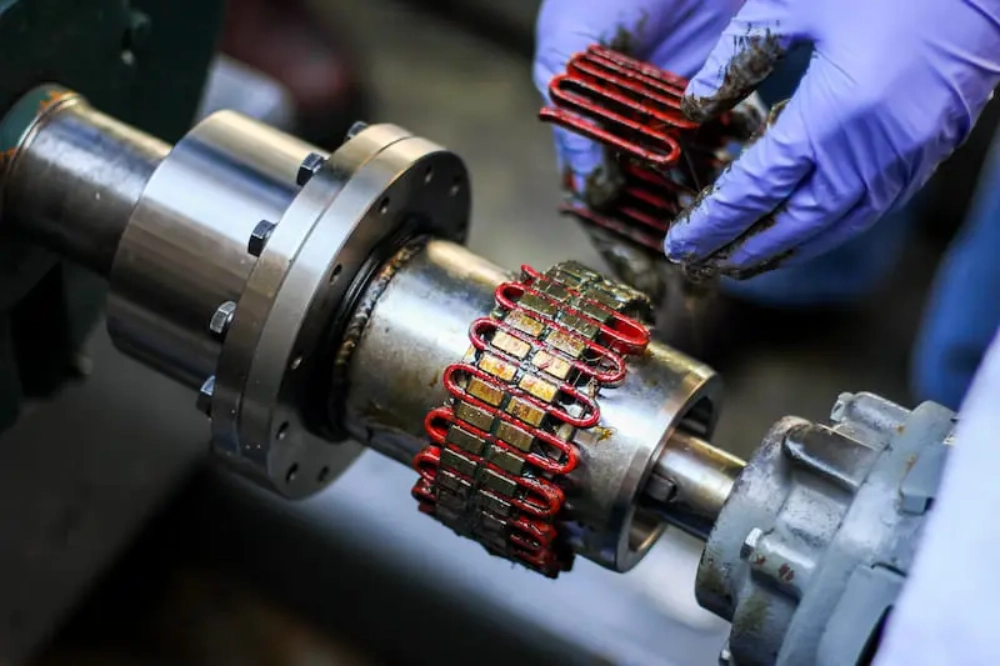
Traceability creates visibility across the entire manufacturing process. It records where materials come from, when production occurs, and how products move through different operations. A strong tracking system can identify raw material batches, machine settings, inspection results, and responsible operators. When quality problems occur, suppliers can quickly locate affected products instead of checking entire inventories. This reduces downtime and prevents unnecessary recalls. Traceability is especially important for industries requiring strict compliance and safety control. Components such as Stainless steel torque rating coupling require accurate production records because performance depends on material strength, machining accuracy, and assembly conditions. Reliable tracking improves customer confidence and supports continuous quality improvement.

Key Differences Between PPAP, FAI, and Traceability Processes
PPAP, FAI, and traceability serve different purposes within supplier quality management. PPAP focuses on production approval before suppliers enter regular manufacturing. FAI checks the first product against customer specifications and confirms manufacturing accuracy. Traceability maintains production history throughout the complete product lifecycle. Buyers need all three processes because each one controls different risk areas. A supplier may have excellent inspection results but still require stronger process approval or tracking methods. Combining these systems creates a more complete quality framework. The following comparison shows how each process supports supplier evaluation and helps purchasing teams select dependable manufacturing partners.
| Quality Process | Main Purpose | Key Information | Buyer Benefit |
|---|---|---|---|
| PPAP | Production approval | Process documents, control plans, capability data | Confirms supplier readiness |
| FAI | First product verification | Dimensions, materials, testing results | Reduces initial production errors |
| Traceability | Production history control | Batch records, inspection data, operation details | Enables fast issue investigation |
Supplier Risk Management Strategies for Better Quality Control
Effective supplier evaluation requires more than checking product samples. Buyers need to review manufacturing capability, quality systems, and production transparency before cooperation begins. Supplier risk ppap fai traceability methods provide valuable information for making better sourcing decisions. A professional supplier should demonstrate stable processes and consistent quality performance. Important evaluation factors include:
- Manufacturing equipment capability and maintenance records
- Quality inspection methods and measurement accuracy
- Employee technical experience and process training
- Material control procedures and supplier documentation
- Production tracking systems and corrective action processes
These factors help buyers identify possible problems before they affect final products. Strong supplier assessment reduces delivery interruptions, improves communication efficiency, and supports long-term business relationships. Suppliers with organized quality management can adapt faster when customers request design changes or higher performance standards.
How Buyers Evaluate Supplier Quality Through PPAP and FAI Data
Buyers often analyze PPAP and FAI records before approving suppliers for long-term cooperation. These documents provide measurable evidence about manufacturing ability, process control, and product consistency. Quality teams review tolerance results, inspection methods, and production capability indicators to judge supplier performance. A complete evaluation also considers how suppliers handle nonconforming products and corrective actions. Reliable suppliers maintain detailed records and communicate problems quickly. This transparency helps buyers avoid repeated quality issues. Data from PPAP and FAI also supports supplier improvement discussions because both parties can focus on specific technical factors. A data-based approach creates stronger partnerships and reduces uncertainty in global sourcing projects.
Digital Traceability Improves Transparency Across Global Manufacturing
Digital manufacturing systems have improved how suppliers manage production information. Modern traceability platforms can connect enterprise software, barcode systems, inspection equipment, and production databases. These technologies allow quality teams to access accurate records faster. Digital tracking reduces manual errors and improves information accuracy during manufacturing. Suppliers can monitor material usage, production schedules, and inspection results through integrated systems. Cloud-based records also help international buyers review quality information without waiting for physical documents. Advanced traceability solutions support faster decision-making and improve supply chain visibility. Companies with strong digital systems can provide clearer evidence of quality performance and respond more efficiently to customer requirements.
Choosing Reliable Suppliers with Strong PPAP and Traceability Capabilities
Selecting reliable suppliers requires careful evaluation of technical ability, quality control, and communication efficiency. Buyers should consider whether suppliers maintain complete approval documents, stable production processes, and effective tracking systems. Supplier risk ppap fai traceability provides a practical evaluation framework because it combines prevention, verification, and monitoring. Suppliers that follow these practices can reduce manufacturing uncertainty and maintain consistent product quality. A dependable partner should also support continuous improvement through regular inspections, process optimization, and transparent reporting. When buyers choose suppliers with mature quality systems, they gain better control over production schedules and product performance. This approach creates a stronger foundation for sustainable cooperation in competitive markets.
FAQ
How does PPAP reduce supplier quality risks?
PPAP reduces supplier quality risks by requiring manufacturers to prove production readiness before large-scale manufacturing begins. Suppliers must provide technical documents, process information, inspection results, and capability evidence. Buyers can review these materials to confirm that production methods meet required standards. PPAP also identifies possible process weaknesses before they create expensive problems. By reviewing control plans and measurement data, customers gain better confidence in supplier performance. The process encourages suppliers to maintain stable manufacturing procedures and improve quality control systems. A complete PPAP submission supports stronger communication between buyers and suppliers while reducing unexpected production failures.
Why is traceability important when selecting suppliers?
Traceability is important because it provides clear production history and supports fast problem identification. Reliable suppliers record material sources, manufacturing steps, inspection results, and shipment information. When defects occur, buyers can identify affected batches and investigate causes quickly. This prevents unnecessary product recalls and reduces production interruptions. Traceability also improves supplier accountability because every production stage has documented information. For industries with strict quality requirements, transparent tracking systems create stronger confidence between purchasing teams and manufacturers. Suppliers with advanced traceability capabilities usually demonstrate better process control, stronger quality awareness, and improved support during long-term cooperation.
What role does FAI play in supplier approval?
FAI plays an important role in supplier approval by verifying the first production sample against customer requirements. It confirms that manufacturing equipment, processes, and inspection methods can produce acceptable parts. Suppliers perform detailed measurements and provide inspection reports for buyer review. FAI helps detect design interpretation issues, tooling problems, or production mistakes before full manufacturing begins. This reduces waste and prevents repeated quality failures during later production stages. Buyers use FAI results as evidence of supplier capability and process reliability. A successful first article approval creates a stronger foundation for consistent production and better supplier relationships.