304 vs 316 vs 316l stainless steel machining defines key differences in manufacturing efficiency and material behavior. Engineers evaluate these alloys based on machining difficulty and durability requirements. Each grade features unique alloy compositions affecting cutting performance. 304 provides balanced machinability and affordability for general applications. In contrast, 316 offers superior corrosion resistance due to molybdenum content. Meanwhile, 316L reduces carbon to improve weldability and structural stability. Tool wear and heat generation vary across these materials. Machining strategies must adapt to each alloy’s characteristics. Understanding these distinctions improves process control and production consistency.
Chemical Composition
Chemical composition plays a critical role in 304 vs 316 vs 316l stainless steel machining performance. 304 stainless steel contains chromium and nickel for corrosion resistance. 316 includes molybdenum, enhancing resistance to chloride environments. This addition increases toughness during machining processes. 316L reduces carbon content to prevent carbide precipitation. Lower carbon improves weld integrity and corrosion stability. However, higher alloy elements increase cutting resistance. Heat generation becomes more significant during machining operations. Machinists must carefully adjust speeds and feeds. Composition differences directly influence tool wear and chip formation.
| Grade | Chromium (%) | Nickel (%) | Molybdenum (%) | Carbon (%) |
|---|---|---|---|---|
| 304 | 18-20 | 8-10.5 | 0 | 0.08 max |
| 316 | 16-18 | 10-14 | 2-3 | 0.08 max |
| 316L | 16-18 | 10-14 | 2-3 | 0.03 max |
Mechanical Properties Affecting Machining Performance
Mechanical properties strongly influence 304 vs 316 vs 316l stainless steel machining outcomes. 304 stainless steel provides moderate strength and good ductility. These features support stable cutting conditions and reduced tool stress. 316 exhibits higher toughness due to molybdenum content. Increased toughness raises cutting forces and energy consumption. 316L maintains similar strength but improves ductility slightly. Work hardening occurs rapidly in all three grades. This behavior complicates machining consistency and tool life. Sharp tools and optimized parameters reduce deformation risks. Proper control improves machining efficiency and dimensional accuracy.
| Property | 304 | 316 | 316L |
|---|---|---|---|
| Tensile Strength (MPa) | 515 | 515-620 | 485-620 |
| Hardness (HB) | 201 | 217 | 217 |
| Ductility (%) | 40 | 40 | 45 |
Machinability Differences
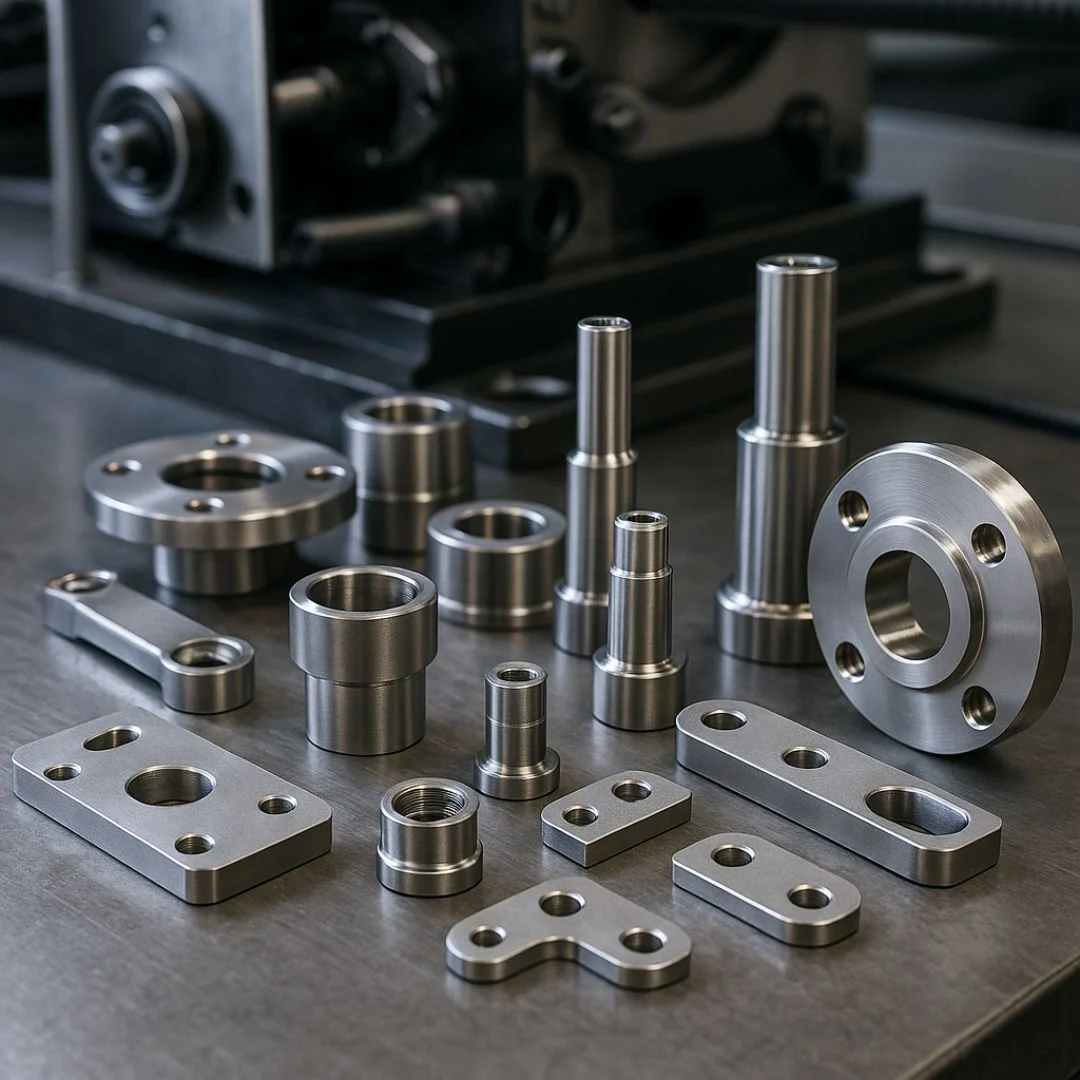
Machinability differences define efficiency in 304 vs 316 vs 316l stainless steel machining processes. 304 offers better machinability with lower cutting resistance. 316 produces tougher chips and increased friction during cutting. This leads to higher tool wear and energy usage. 316L behaves similarly but slightly improves chip control. Cutting speeds must remain lower for 316 alloys. Coolant application becomes essential for heat management. Proper lubrication reduces tool degradation and improves finish quality. Manufacturers often rely on precision cnc machined parts to maintain consistent production standards.
| Factor | 304 | 316 | 316L |
|---|---|---|---|
| Machinability Rating (%) | 45 | 36 | 35 |
| Tool Wear | Moderate | High | High |
| Cutting Speed | Higher | Lower | Lower |
Tooling Strategies for Stainless Steel Machining
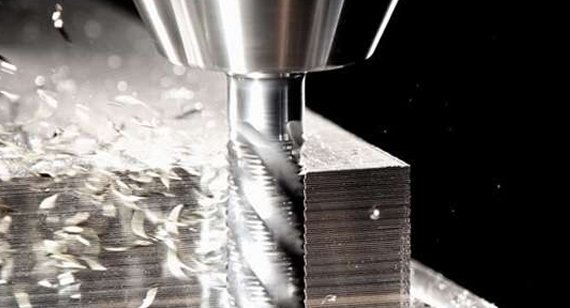
Tooling strategies directly affect 304 vs 316 vs 316l stainless steel machining efficiency. Carbide tools perform well under high temperatures and stress. Coated inserts improve wear resistance and extend tool life. Sharp cutting edges reduce work hardening during operations. Lower cutting speeds prevent excessive heat buildup. Feed rates must balance productivity and surface finish. High-pressure coolant systems improve chip evacuation. Rigid setups reduce vibration and improve stability. Proper tooling selection enhances machining accuracy and efficiency.
Surface Finish
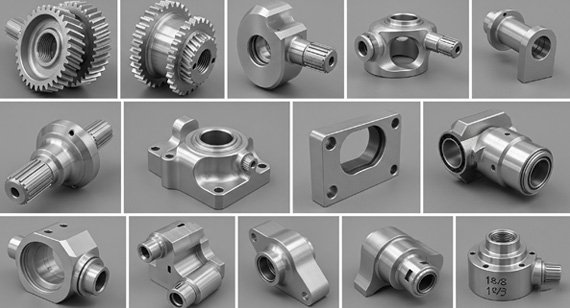
Surface finish quality is essential in 304 vs 316 vs 316l stainless steel machining applications. 304 typically achieves smoother finishes under optimized conditions. 316 generates rougher surfaces due to increased toughness. 316L slightly improves finish consistency compared to 316. Built-up edge formation affects surface roughness significantly.Proper lubrication minimizes this issue effectively. Finishing processes include polishing and grinding operations. Dimensional accuracy depends on controlling thermal expansion. These considerations are critical for stainless steel precision machined parts in demanding industries.
| Aspect | 304 | 316 | 316L |
|---|---|---|---|
| Surface Finish | Good | Moderate | Moderate+ |
| Polishing Ease | High | Medium | Medium |
| Precision Stability | High | Moderate | Moderate |
Corrosion Resistance Trade-offs and Machining Impact
Corrosion resistance influences performance in 304 vs 316 vs 316l stainless steel machining decisions. 316 and 316L excel in chloride and marine environments. Their resistance ensures longer service life in harsh conditions. However, higher alloy content reduces machinability significantly. 304 provides easier machining but lower corrosion resistance. Engineers must balance durability with manufacturing efficiency. Application environment determines the most suitable material. Proper selection ensures long-term reliability and reduced maintenance costs.
Cost Analysis
Cost factors play a major role in 304 vs 316 vs 316l stainless steel machining selection. 304 remains the most economical option among the three grades. Lower alloy content reduces raw material and processing costs. 316 and 316L are more expensive due to molybdenum addition. Machining time increases because of higher cutting resistance. Tool replacement frequency also rises during production. These factors increase overall manufacturing expenses. However, extended service life may offset higher initial costs.
| Factor | 304 | 316 | 316L |
|---|---|---|---|
| Material Cost | Low | High | High |
| Machining Cost | Low | High | High |
| Lifecycle Value | Moderate | High | High |
Practical Applications of Stainless Steel Grades
Different industries rely on 304 vs 316 vs 316l stainless steel machining for specialized applications. 304 suits food processing and general industrial uses. 316 performs well in marine and chemical environments. 316L is widely used in medical and precision components. Low carbon improves welding performance and structural stability. Each material serves distinct operational requirements. Choosing the right alloy improves reliability and efficiency. Application-driven decisions enhance overall product performance.
Key Factors to Consider When Choosing Materials
Material selection depends on several important criteria:
- Environmental exposure conditions
- Required mechanical strength
- Corrosion resistance requirements
- Machining complexity
- Budget constraints
- Production volume
These factors guide engineers toward optimal decisions. Environmental conditions determine corrosion protection needs. Budget limitations influence material and tooling choices. Production scale affects machining efficiency strategies. Careful evaluation ensures successful manufacturing outcomes.
Final Insights
304 vs 316 vs 316l stainless steel machining highlights critical trade-offs in modern manufacturing. Each alloy offers specific advantages and limitations. 304 provides better machinability and cost efficiency. 316 delivers superior corrosion resistance in harsh environments. efficiency.
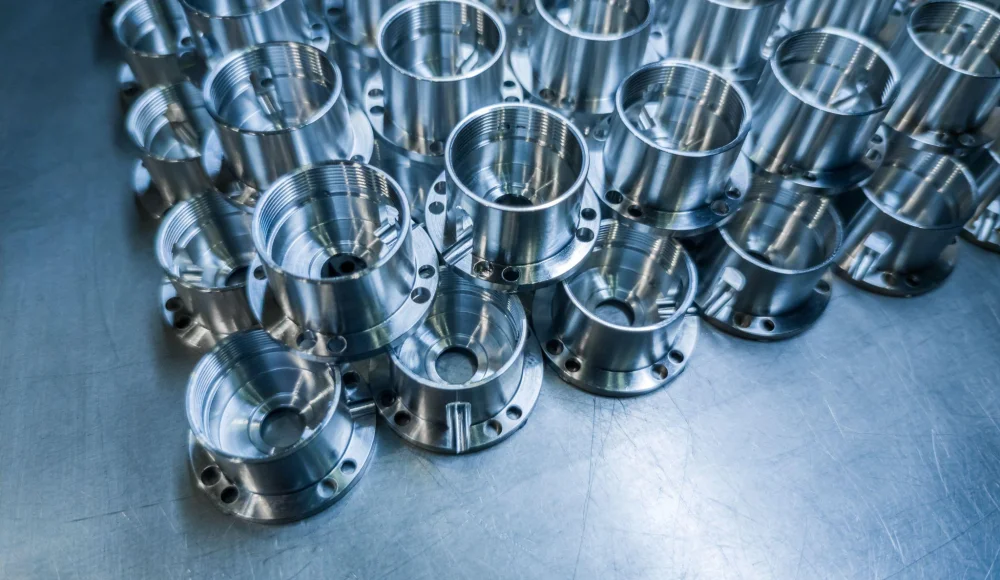
316L enhances weldability and precision applications. Engineers must evaluate performance requirements carefully. Machining strategies should align with material properties. Proper selection improves productivity and product lifespan. Strategic decisions ensure consistent quality and operational.
FAQ
Which stainless steel is easiest to machine, 304, 316, or 316L?
304 stainless steel is generally the easiest to machine among these grades. Its lower alloy content reduces cutting resistance and tool wear. Machinists can apply higher cutting speeds and achieve better efficiency. In contrast, 316 and 316L contain molybdenum, increasing toughness and cutting difficulty. These materials generate more heat during machining operations. Proper coolant use becomes essential to manage temperature. Tool wear also increases when machining 316 grades. Overall, 304 offers the most efficient machining performance.
Why is 316L preferred for certain precision applications?
316L stainless steel is widely used due to its low carbon content and improved weldability. Reduced carbon prevents carbide precipitation during welding processes. This helps maintain corrosion resistance in critical areas. Additionally, 316L performs well in harsh chemical environments. Its stable microstructure supports high precision manufacturing processes. Machinists can achieve consistent dimensional accuracy with optimized parameters. Industries such as medical and aerospace benefit from these properties. The combination of durability and precision makes 316L highly reliable.
How does corrosion resistance affect machining performance?
Corrosion resistance often makes machining more difficult in stainless steels. Higher alloy content increases toughness and work hardening tendencies. These factors raise cutting forces and tool wear rates. Heat generation also becomes more significant during machining operations. Proper coolant and lubrication reduce these effects effectively. Machining parameters must be carefully controlled for efficiency. Despite challenges, corrosion-resistant materials offer long-term durability. Engineers must balance machining difficulty with application requirements. Proper planning ensures optimal production outcomes.