The Role of Textile Machine Bushing in Modern Textile Equipment Performance
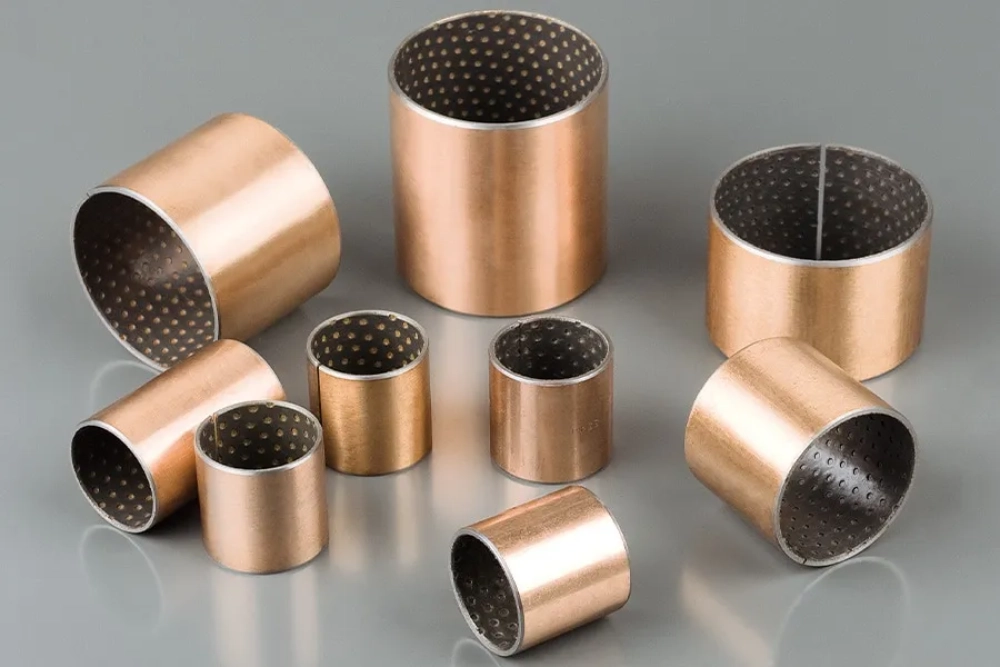
Textile production depends on precise mechanical movement, stable operation, and continuous performance. A textile machine bushing supports rotating and sliding parts inside different textile systems. It reduces friction between moving surfaces and helps maintain accurate machine movement. Modern textile equipment operates at high speeds, so component reliability directly affects production output. Proper bushing selection improves machine stability, reduces vibration, and prevents unexpected failures. Manufacturers often evaluate load conditions, material properties, and operating environments before selecting suitable components. A well-designed bushing system allows textile machines to maintain consistent performance during long production cycles. These components also protect expensive shafts and moving assemblies from excessive wear.
How Bushing Components Improve Motion Control and Mechanical Stability
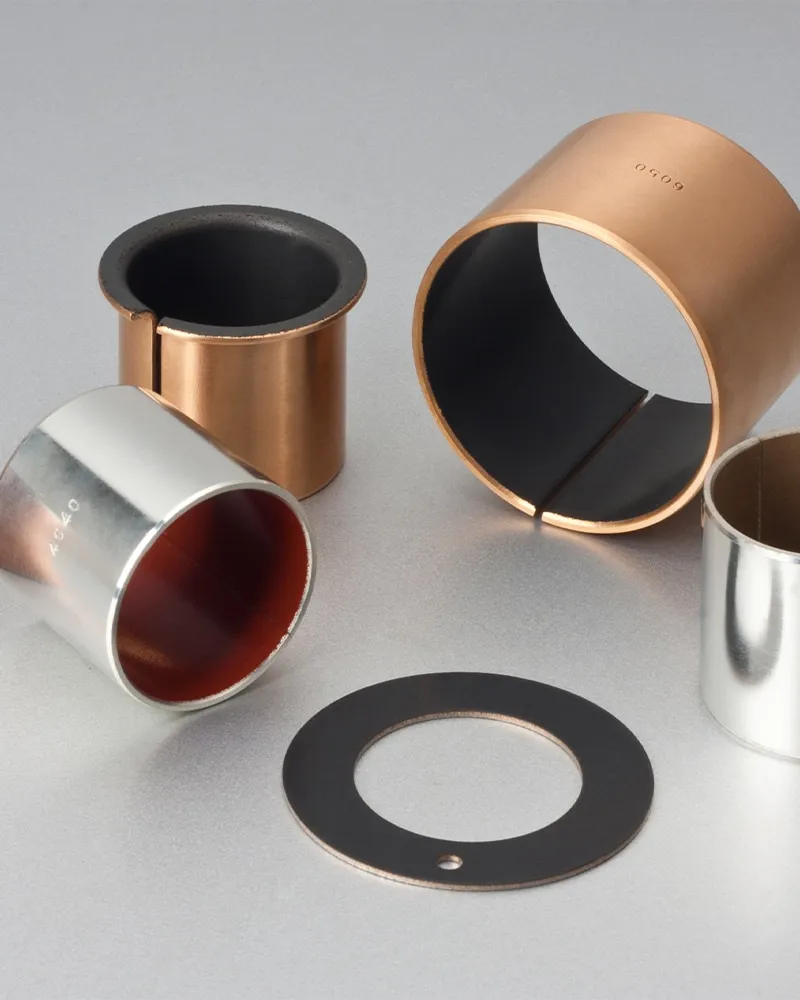
Bushing components create controlled contact between moving parts and fixed structures. They provide support for shafts while allowing smooth rotation or linear movement. In textile machines, these parts appear in areas such as rollers, feeding systems, and tension control mechanisms. Their design influences machine accuracy because even small movement errors can affect fabric quality. Engineers consider clearance levels, surface finishing, and lubrication methods during component development. A proper fit prevents unnecessary movement between connected parts. This reduces mechanical noise and improves operational consistency. High-quality materials also help components resist pressure, temperature changes, and repeated movement during demanding textile production environments.
| Bushing Material | Main Feature | Common Application |
|---|---|---|
| Bronze | High load resistance and good wear performance | Heavy duty textile mechanisms |
| Composite Polymer | Low friction and reduced lubrication needs | High-speed moving parts |
| Stainless Steel | Strong corrosion resistance | Moisture-sensitive production areas |
Material Selection Factors for Reliable Textile Machine Performance
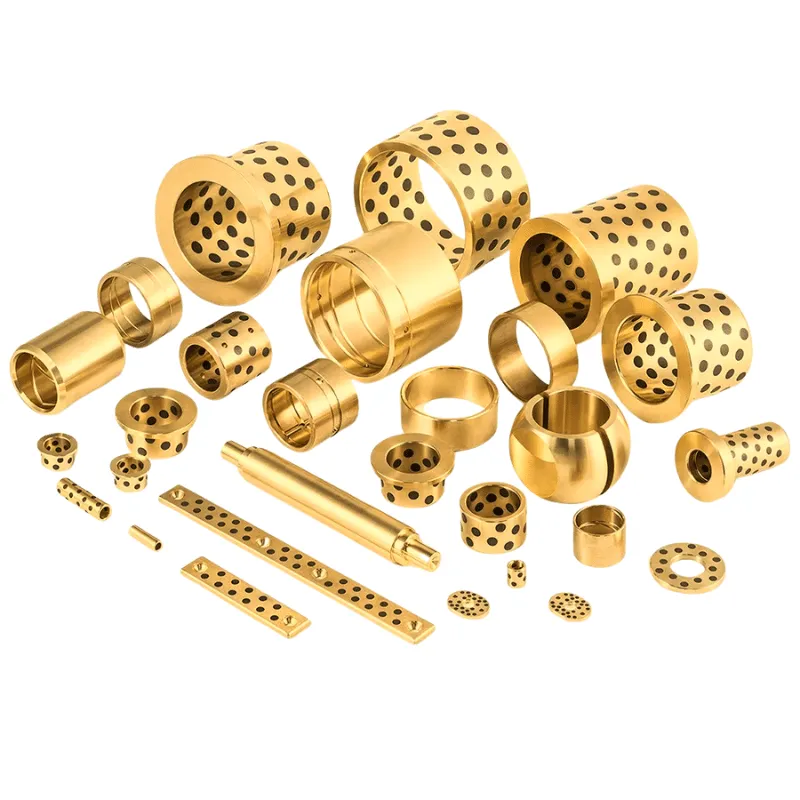
Material selection determines how effectively mechanical parts handle continuous operation. Bronze materials provide excellent strength and support under heavy loads. Composite materials offer smooth movement with lower maintenance requirements. Stainless steel options provide durability in environments exposed to moisture or chemical influences. Engineers analyze operating speed, pressure, temperature, and maintenance schedules before choosing materials. A brass bushing with oil groove can improve lubrication distribution through internal channels. This design helps reduce friction and extends component service life. Different textile machines require different material characteristics. Therefore, selecting the right material improves efficiency and supports reliable production performance across various applications.
| Performance Factor | Effect on Textile Equipment | Maintenance Benefit |
|---|---|---|
| Wear Resistance | Maintains stable movement | Reduces replacement frequency |
| Lubrication Ability | Controls friction levels | Supports longer operation |
| Temperature Resistance | Handles demanding conditions | Improves reliability |
Choosing Textile Machine Bushing for Different Textile Applications
Textile equipment includes spinning machines, weaving machines, and knitting systems. Each application creates different mechanical demands. Spinning equipment requires components that support high-speed rotation and precise alignment. Weaving systems need stable movement because small errors can influence fabric structure. Knitting machines require smooth motion to maintain consistent needle operation. A suitable textile machine bushing matches the specific workload and movement pattern of each machine type. Engineers also examine environmental factors such as dust, humidity, and operating temperature. The correct component choice reduces downtime and improves production quality. Professional evaluation helps companies select parts that match long-term operational goals.
Maintenance Practices That Extend Textile Machine Bushing Service Life
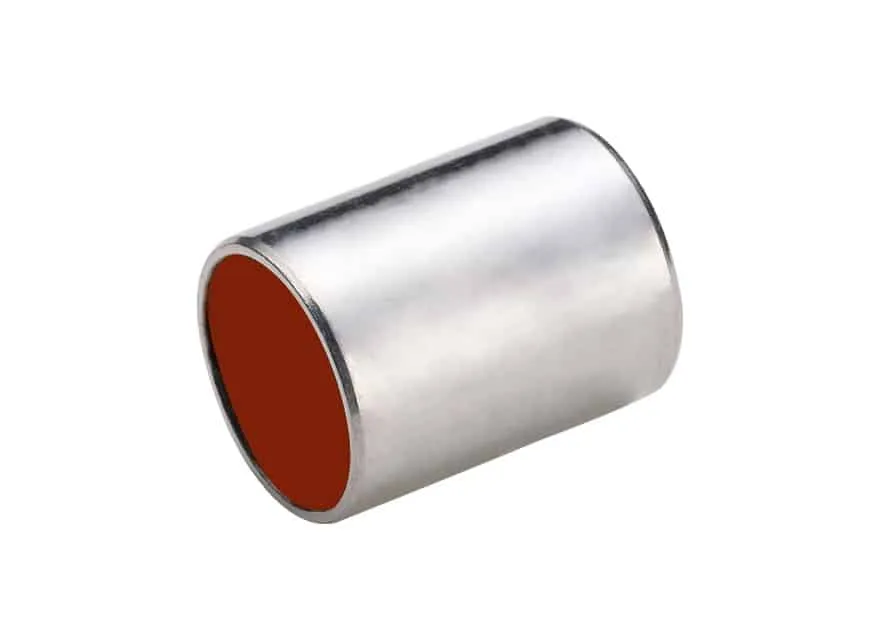
Regular maintenance helps mechanical components maintain their designed performance. Operators should inspect wear conditions, lubrication levels, and alignment accuracy during scheduled checks. Proper cleaning removes dust and fibers that may increase friction. Lubrication prevents excessive heat generation and reduces surface damage. Maintenance teams should record inspection results to identify early warning signs. A worn component may create vibration, noise, and inconsistent machine movement. Preventive actions reduce repair costs and protect production schedules. Industrial stainless steel bushing solutions often support applications requiring strong durability and resistance against harsh working environments. Consistent maintenance practices help equipment achieve stable operation throughout its service period.
Common Failure Causes of Bushing Components in Textile Equipment
Bushing failures usually occur due to combined mechanical stress and environmental conditions. Insufficient lubrication increases friction and accelerates surface wear over time. Excessive loads can damage the component structure and affect movement accuracy. Improper installation may create uneven pressure distribution and reduce operational lifespan. Dust, textile fibers, and other contaminants can enter contact areas and cause surface deterioration. Operators should check abnormal sounds, rising vibration levels, and temperature variations during operation. These signs often reveal early component issues. Correct installation methods and planned replacement schedules help avoid serious equipment failures. Recognizing failure causes enables maintenance teams to strengthen machine reliability and minimize unexpected production interruptions.
Engineering Improvements for Advanced Bushing Component Designs
Modern engineering continues to improve bushing performance through better materials and manufacturing methods. Surface treatments can increase hardness and reduce wear. Self-lubricating designs can minimize maintenance requirements in difficult operating areas. Precision machining improves dimensional accuracy and ensures better fitting between components. Engineers also develop composite structures that combine strength with low friction characteristics. These improvements support faster textile production while maintaining quality standards. Advanced designs focus on longer service life, reduced energy consumption, and improved mechanical efficiency. As textile equipment becomes more automated, reliable component technology becomes increasingly important for stable production processes.
The Connection Between Bushing Quality and Textile Production Efficiency
Component quality directly influences production efficiency because mechanical stability affects every manufacturing stage. Poor-quality parts may create repeated adjustments and reduce machine availability. High-performance components support smoother operation and consistent product output.
Textile factories often evaluate suppliers based on material control, manufacturing accuracy, and quality inspection procedures. Reliable parts reduce maintenance interruptions and improve overall productivity. The connection between component performance and production results makes careful selection essential. Companies that invest in durable mechanical solutions can achieve better equipment utilization and longer operating periods. Quality control remains a key factor in maintaining competitive textile manufacturing operations.
How Proper Installation Improves Textile Machine Reliability
Installation accuracy plays an important role in achieving expected component performance. Technicians must check dimensions, alignment, and surface conditions before assembly. Incorrect installation may create uneven contact pressure and accelerate damage. Professional installation procedures include cleaning contact areas and verifying movement after assembly. Operators should follow equipment specifications and inspection requirements during replacement processes. A correctly installed textile machine bushing works efficiently with surrounding components. It supports smooth movement and prevents unnecessary stress on connected parts. Proper installation practices protect equipment investments and help maintain stable textile production.
Future Trends in Textile Equipment Component Development
Future textile machinery will require components with higher precision and stronger performance. Manufacturers are developing smarter monitoring systems to track wear conditions in real time. Advanced materials may provide better resistance against friction and temperature changes. Digital maintenance systems can help predict replacement needs before failures occur. These developments support more efficient production management and reduce unexpected downtime. Component innovation will continue as textile industries demand faster, cleaner, and more reliable machinery. Improved engineering solutions will help production facilities achieve higher standards while maintaining operational stability.
FAQ
What factors determine the quality of textile machine bushing components?
The quality depends on material strength, manufacturing accuracy, surface treatment, and application suitability. High-quality components use materials that match operating conditions. Engineers evaluate load capacity, friction levels, temperature resistance, and lubrication requirements before selection. Production accuracy also affects fitting performance and movement stability. Regular inspection records provide additional information about long-term reliability. A suitable component should support continuous operation while reducing maintenance demands. Proper supplier evaluation also helps companies receive consistent quality and reliable performance for demanding textile applications.
How often should textile machine bushings be inspected?
Inspection frequency depends on machine speed, workload, operating environment, and maintenance schedules. Equipment with continuous operation usually requires more frequent checks. Operators should examine lubrication conditions, surface wear, alignment, and unusual operating sounds. Regular inspections help identify problems before they affect production quality. Maintenance teams often create inspection plans based on manufacturer recommendations and factory conditions. Timely checks reduce unexpected failures and improve equipment availability. A structured inspection process supports safer operation and extends the service period of mechanical components.
Why do textile machines require high-performance bushing components?
Textile machines require durable components because they operate under continuous movement and high production demands. High-performance parts reduce friction, support accurate positioning, and protect related mechanical structures. Reliable components help maintain fabric quality by preventing movement errors. They also reduce maintenance frequency and improve machine efficiency. Advanced materials and precision designs allow equipment to perform consistently under challenging conditions. Strong component performance supports stable production schedules and helps textile manufacturers achieve better operational results over long periods.