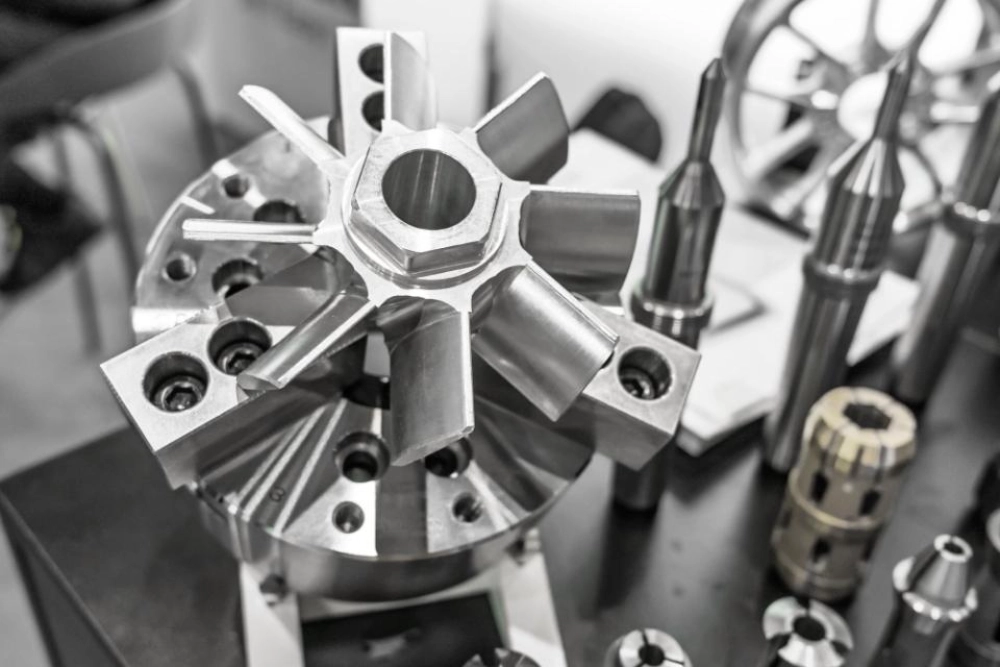
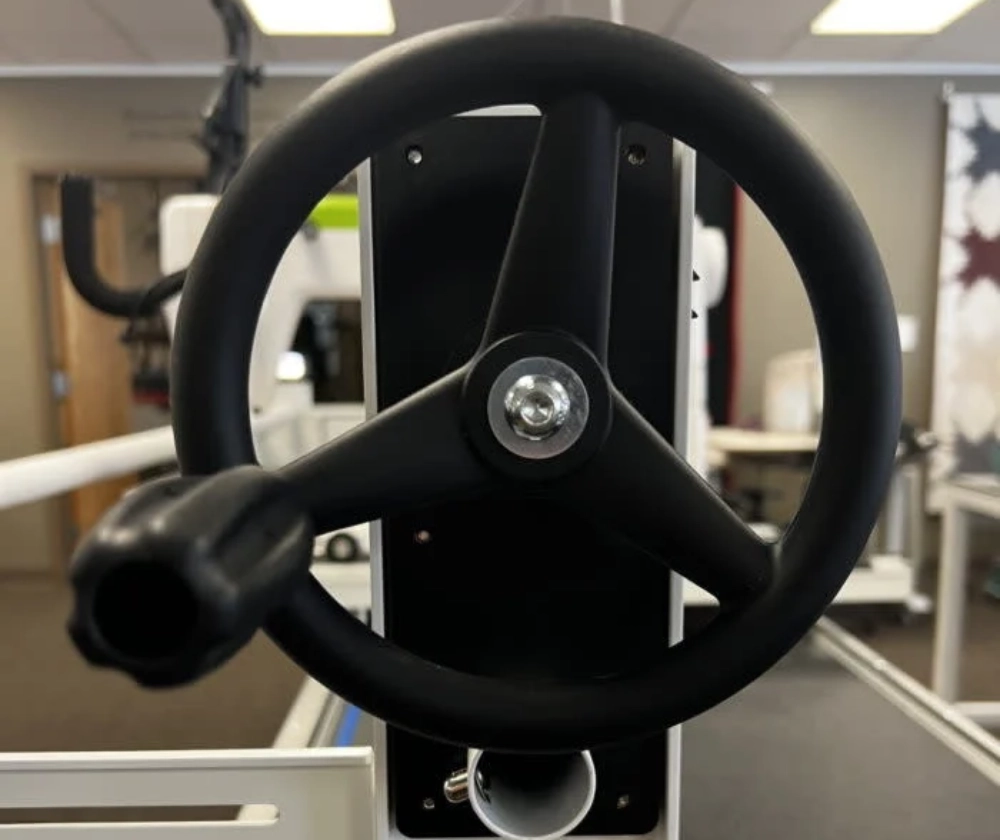
Handwheels provide manual control for many industrial machines, valves, and mechanical systems. Proper handwheel maintenance helps operators maintain smooth movement and reliable equipment performance. A handwheel transfers human force into mechanical motion, so its structure must handle repeated pressure. Regular care reduces friction, prevents corrosion, and protects connection points from early failure. Maintenance teams often check rotation resistance, surface conditions, and fastening strength during routine inspections. These actions support safer operation and reduce unexpected downtime. A practical maintenance plan also improves cost efficiency because companies can avoid frequent replacements. Industrial environments require careful attention because dust, moisture, chemicals, and heavy usage can gradually damage handwheel components.
Key Factors That Affect Handwheel Durability During Operation
Several factors influence handwheel durability throughout its service period. Material quality remains one of the most important elements because different environments create different challenges. Stainless steel options resist corrosion, while aluminum materials offer lightweight performance. Operating force also affects service life because excessive pressure can damage shafts, threads, and mounting areas. Temperature changes may expand or contract materials, creating additional stress. Chemical exposure can weaken protective surfaces and accelerate oxidation. Installation accuracy matters because incorrect alignment increases mechanical resistance. Manufacturers usually consider load capacity, ergonomic design, and surface treatment when developing industrial handwheels. A complete evaluation helps users select suitable components for specific working conditions and reduces future maintenance requirements.
Essential Cleaning Methods for Better Handwheel Protection
Cleaning procedures directly influence surface protection and operating reliability. Dust particles and industrial residues can enter connection areas and increase friction during rotation. Operators should remove contaminants with suitable tools that match the handwheel material. Soft brushes help clear loose particles, while specialized cleaners remove oil deposits without damaging protective coatings. Stainless steel surfaces require cleaners that prevent corrosion marks and maintain appearance. Aluminum surfaces need gentle solutions because aggressive chemicals may affect their finish. Regular cleaning schedules depend on workplace conditions, including humidity levels and exposure to pollutants. Proper cleaning also allows technicians to identify small cracks, rust spots, or loose parts before these issues become serious mechanical problems.
How Proper Lubrication Supports Smooth Handwheel Movement
Lubrication reduces friction between moving components and improves operating comfort. A suitable lubricant creates a protective layer between metal surfaces, which lowers wear caused by repeated movement. Technicians should apply lubricant to threaded sections, rotating joints, and other contact areas where friction appears. Excess lubricant can attract dust and create unwanted buildup, so controlled application remains important. Grease selection should match temperature ranges and environmental conditions. For outdoor equipment, weather-resistant lubricants provide better protection against moisture. For indoor machinery, standard industrial lubricants often provide sufficient performance. Correct lubrication methods extend component reliability and maintain consistent movement during long-term operation.
Handwheel Maintenance Practices for Preventing Mechanical Wear
Effective handwheel maintenance focuses on prevention rather than repair after failure occurs. Technicians should inspect connection points, mounting screws, shafts, and rotating areas regularly. Loose fasteners may create vibration, which increases wear on surrounding components. Unusual resistance during operation often indicates internal problems that require attention. Maintenance records help teams identify repeated issues and improve future schedules. Recommended practices include:
- Checking surface damage and corrosion indicators regularly.
- Inspecting mounting hardware for looseness or deformation.
- Testing rotation smoothness under normal operating conditions.
- Applying suitable lubricants according to equipment needs.
- Recording inspection results for future maintenance decisions.
A detailed inspection process provides valuable information about equipment conditions. Maintenance teams can compare historical records and identify performance changes. Early detection allows companies to replace minor components before larger failures develop.
Inspection Checklist for Long-Term Handwheel Reliability
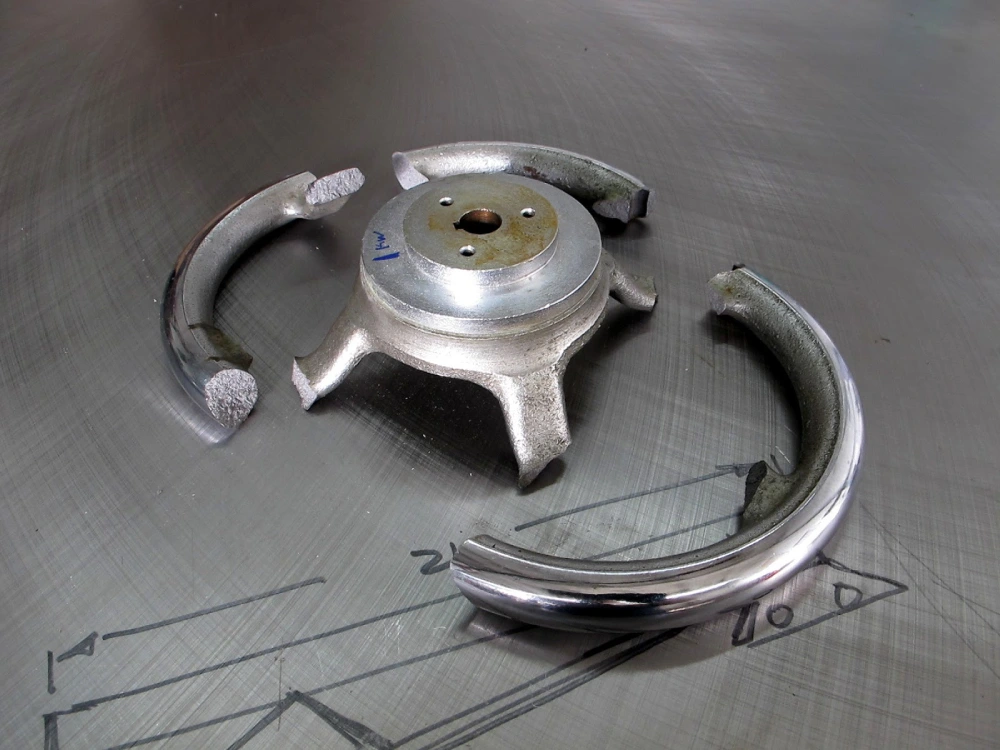
A structured inspection checklist improves consistency across different industrial applications. Technicians usually evaluate appearance, movement quality, and connection stability during each inspection cycle. Surface examination helps detect scratches, corrosion, and coating damage. Mechanical testing identifies changes in rotation force and operating response. Connection checks confirm that screws, shafts, and mounting structures remain secure. The following table shows common inspection points and their purposes.
| Inspection Area | Checking Method | Maintenance Purpose |
|---|---|---|
| Surface Condition | Visual examination | Detect corrosion and coating damage |
| Rotation Performance | Manual operation test | Identify friction or movement issues |
| Connection Parts | Fastener inspection | Maintain structural stability |
| Lubrication Status | Component review | Reduce wear and friction |
Professional inspection creates a clear maintenance record for future decisions. Teams can adjust service intervals according to actual operating conditions. This approach improves reliability because maintenance activities match real equipment requirements instead of fixed assumptions.
Common Maintenance Mistakes That Reduce Handwheel Service Life
Many equipment problems result from incorrect maintenance habits rather than poor product quality. Some operators ignore minor resistance changes because the equipment still works. However, small problems often develop into larger mechanical failures over time. Using unsuitable cleaning chemicals may damage protective surfaces and increase corrosion risks. Applying excessive force during operation can deform internal structures. Another common mistake involves replacing lubrication without removing old contaminated grease. Industrial users should also avoid irregular inspection schedules because hidden damage can remain unnoticed. Correct procedures require attention to material characteristics, working environment, and usage frequency. These factors help maintain stable performance and prevent unnecessary replacement costs.
Maintenance Schedule Planning for Different Working Environments
Maintenance frequency should match environmental conditions and equipment workload. High humidity areas usually require more frequent surface inspections because moisture accelerates corrosion. Dusty production facilities need regular cleaning because particles can affect movement quality. Heavy-use machinery requires closer monitoring because repeated operation increases mechanical stress. The following table provides general maintenance considerations.
| Working Environment | Recommended Focus | Maintenance Frequency |
|---|---|---|
| Normal Indoor Area | Cleaning and lubrication checks | Routine inspection |
| High Humidity Area | Corrosion prevention | Frequent inspection |
| Dusty Factory Area | Surface cleaning | Shorter maintenance intervals |
| Heavy Operation Area | Wear monitoring | Regular performance testing |
Maintenance planning should remain flexible because different machines experience different operating pressures. A customized schedule improves efficiency and reduces unnecessary service actions. Companies can combine inspection records with equipment usage data to create more accurate maintenance programs.
Material Protection Methods for Improving Handwheel Durability
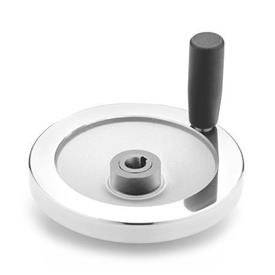
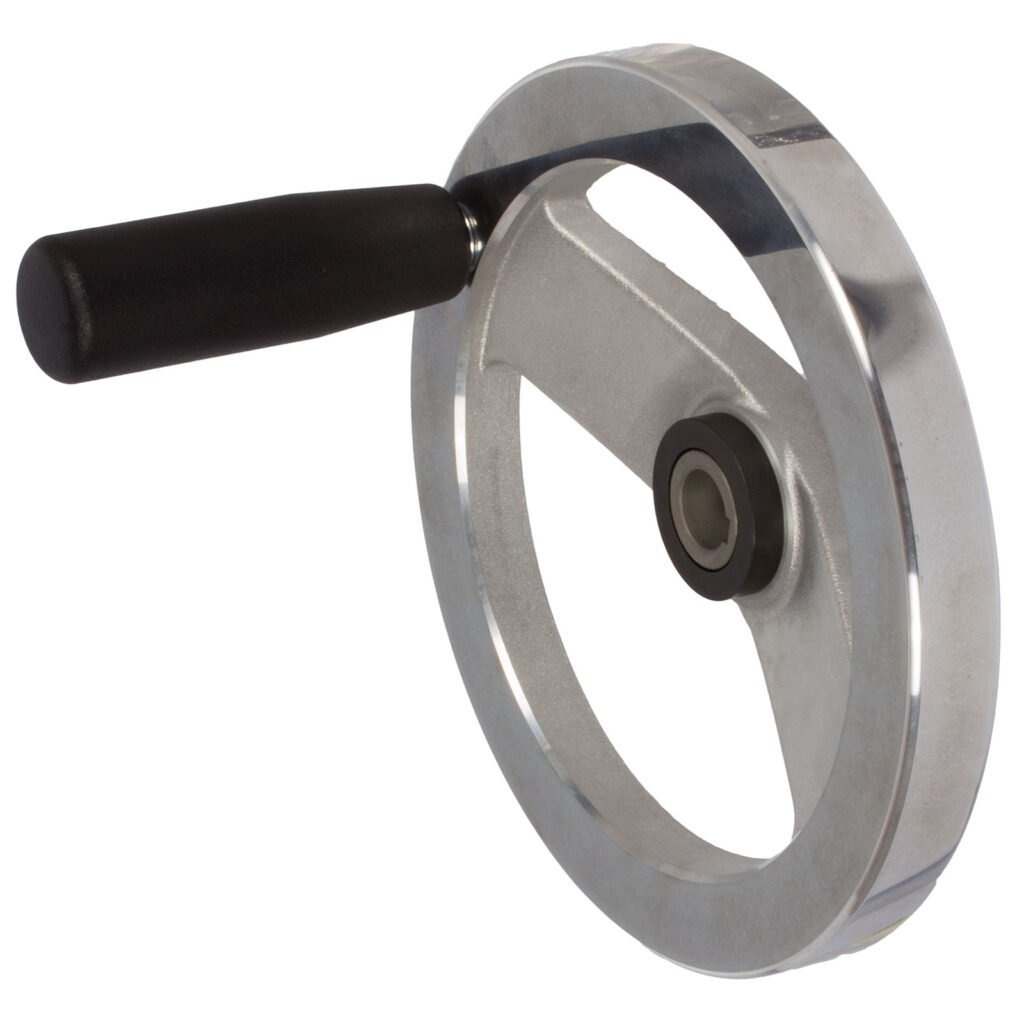
Material protection plays a major role in extending service life. Aluminum components provide lightweight advantages and suitable corrosion resistance when manufacturers apply proper surface treatments. Aluminum solid Handwheels often use protective finishes that improve durability while maintaining comfortable handling. Stainless steel products provide excellent resistance in demanding environments because chromium content creates a passive protective layer. SUS304 316L adjustable handwheel options are commonly selected for applications requiring stronger corrosion resistance and flexible adjustment features. Surface coatings, polishing processes, and material selection all affect long-term performance. Users should evaluate environmental exposure before selecting a handwheel type. Proper material matching reduces damage risks and supports stable equipment operation.
Professional Maintenance Strategies for Industrial Handwheel Applications
Professional maintenance systems combine inspection, cleaning, lubrication, and operational analysis. Experienced teams create procedures based on equipment design and workplace conditions. Effective handwheel maintenance requires attention to component structure, movement quality, and environmental impact. Technicians should evaluate whether current methods support long-term reliability. Data collection helps companies identify common failure patterns and improve maintenance efficiency. Advanced facilities may use digital records to track inspection history and replacement schedules. These practices create better control over equipment performance. A professional approach also supports safety because operators can identify potential problems before they affect production processes.
Choosing Better Maintenance Approaches for Long-Term Equipment Value
Selecting suitable maintenance methods requires consideration of material, application, and operating environment. Companies should avoid using identical procedures for every machine because different components have unique requirements. Regular evaluation helps determine whether cleaning frequency, lubrication methods, and inspection plans remain effective. Proper care protects investment value and improves equipment availability. A reliable maintenance strategy combines technical knowledge with practical experience. Operators who follow consistent procedures can maintain smooth operation and reduce unexpected interruptions. Long-term equipment performance depends on continuous attention, accurate records, and appropriate maintenance decisions.
FAQ
What Are the Most Important Steps in Handwheel Maintenance?
The most important steps include cleaning, inspection, lubrication, and condition recording. Cleaning removes harmful particles that increase friction. Inspection identifies corrosion, loose connections, and abnormal movement. Lubrication protects moving parts and supports smooth operation. Records help teams track changes and adjust future schedules. A complete process considers material type, environmental exposure, and usage frequency. Regular attention prevents small defects from becoming major problems. Professional maintenance teams usually combine these actions with equipment monitoring to create stable operating conditions. Consistent procedures improve reliability and help extend the working life of industrial components.
How Often Should a Handwheel Be Checked for Damage?
Inspection frequency depends on operating conditions, workload, and environmental risks. Equipment in clean indoor areas may require routine checks, while outdoor or humid environments need closer monitoring. Heavy-use systems experience more mechanical stress and may need shorter inspection intervals. Operators should examine movement quality, surface condition, and connection stability during each check. Any change in rotation resistance or visible damage requires attention. Maintenance schedules should remain flexible because actual conditions may differ between applications. Regular inspections help companies identify early warning signs and maintain reliable performance without unnecessary replacement.
Can Proper Maintenance Extend Handwheel Service Life?
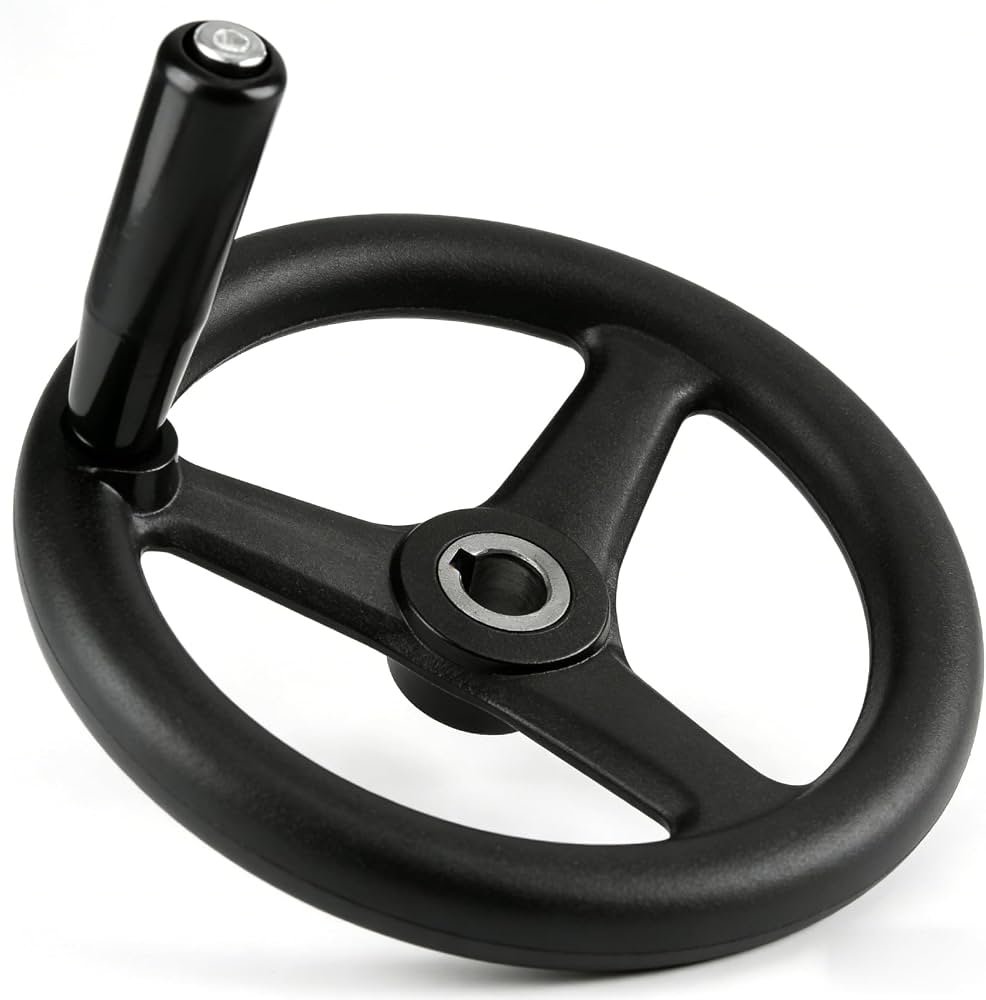
Yes, proper maintenance can significantly extend service life by reducing wear and preventing avoidable damage. Correct cleaning protects surfaces, while proper lubrication reduces friction between moving parts. Regular inspections help detect issues before they affect performance. Effective handwheel maintenance also supports safer operation because technicians can identify structural concerns early. Material protection and suitable maintenance methods work together to preserve component strength. Companies that maintain accurate records can improve future decisions and reduce downtime. A consistent approach creates better equipment reliability and supports long-term operational value.