How Thermal Expansion Affects Bushing Performance
Thermal expansion changes the dimensions of the shaft, bushing, and housing as operating temperature rises or falls. Because these three components may use different materials and experience different temperatures, their dimensional changes are rarely identical.
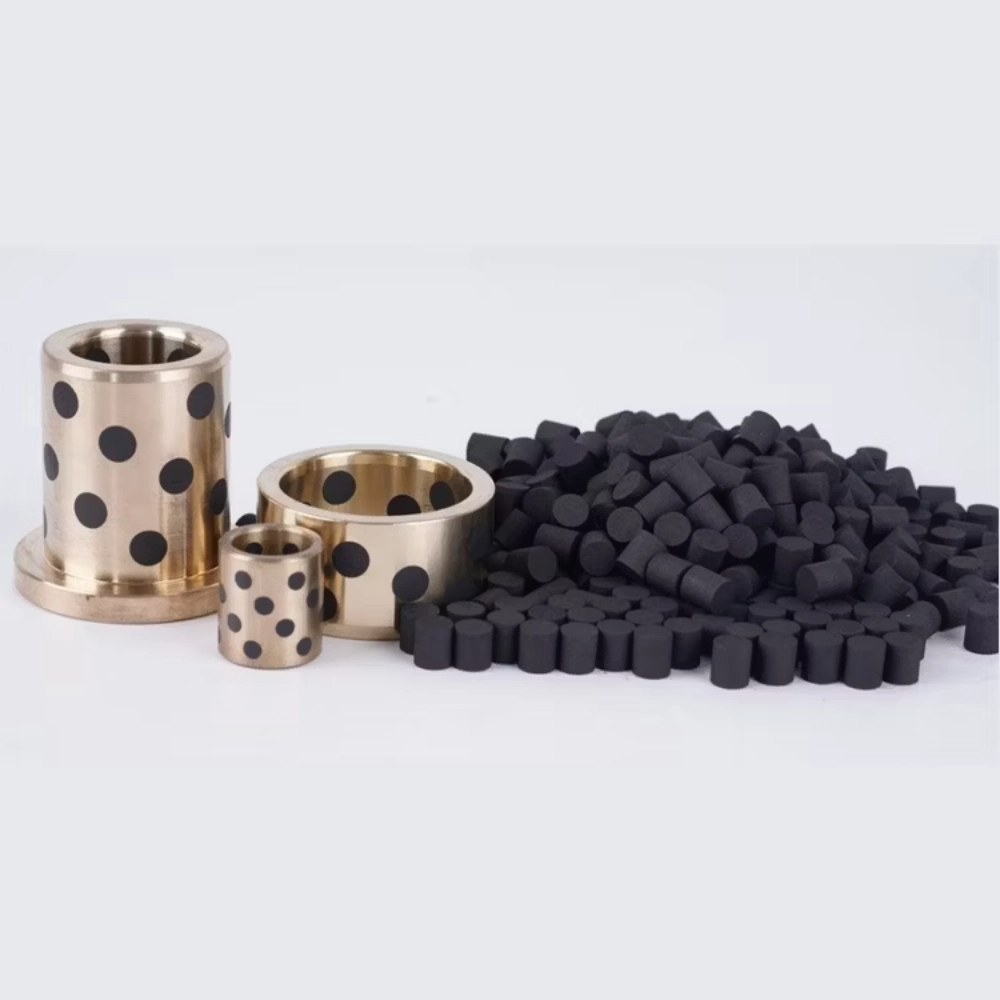
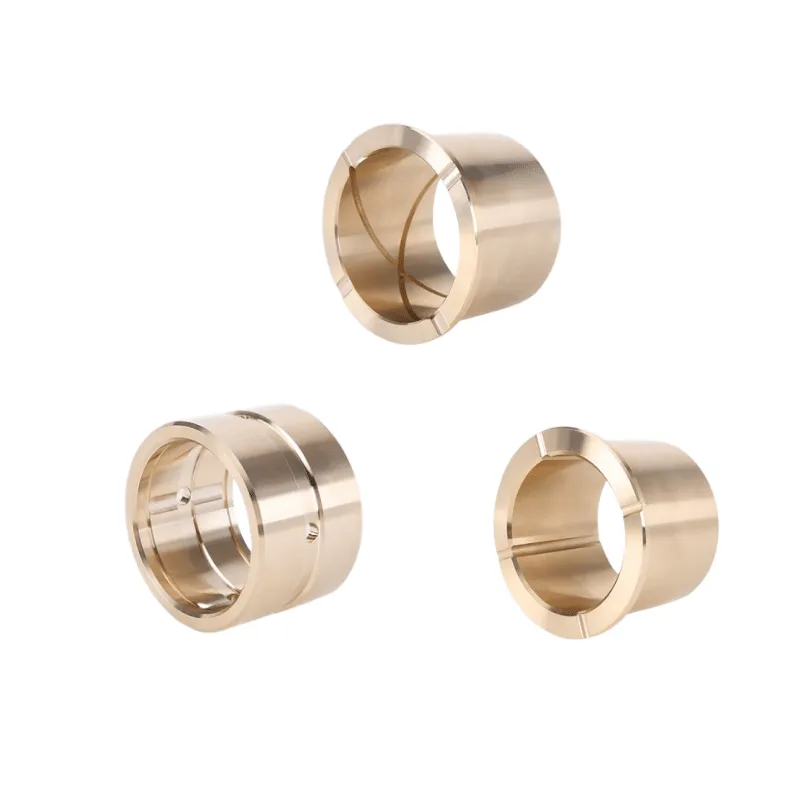
If the operating clearance becomes too small, friction and heat can increase and the bushing may seize. If clearance becomes too large, the assembly can develop noise, impact, poor alignment, or accelerated wear. Temperature can also change housing interference, lubricant viscosity, and the strength or stiffness of polymer and composite materials. A Brass bushing with oil groove may also require attention to how thermal expansion affects its running clearance and lubrication conditions.
Reliable bushing design therefore treats temperature as part of the fit calculation, not as a secondary operating detail.
The Entire Assembly Expands
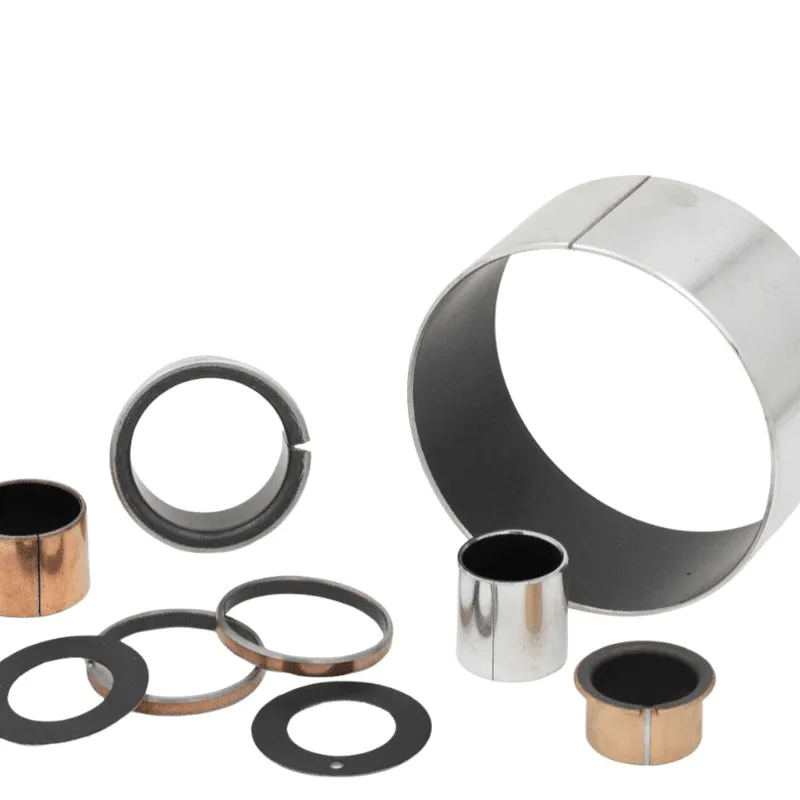
It is misleading to consider only the bushing. A typical assembly includes:
- A shaft that grows with temperature
- A bushing bore that changes with the bushing material and temperature
- A bushing outside diameter restrained by the housing
- A housing bore that also expands or contracts
- Lubricant whose viscosity changes with temperature
The installed bushing may not expand freely because the housing creates interference and stress. Thin walls, split designs, flanges, and temperature gradients can further change the result.
Basic Thermal Expansion Relationship
For a first estimate, dimensional change can be expressed as:
Change in dimension = coefficient of thermal expansion × original dimension × temperature change
This relationship is useful for screening, but a real bushing assembly may require more analysis. Press-fit stress, material nonlinearity, uneven temperature, moisture, load, creep, and manufacturing tolerances can all affect the operating condition.
Use supplier data for the exact material grade and calculate the worst combination of dimensions and temperatures.
Operating Clearance
Operating clearance is the space between the shaft and the installed bushing during service. It is not always the same as the clearance measured before assembly at room temperature.
Clearance can change because:
- The shaft and bushing have different expansion rates.
- The shaft runs hotter than the housing.
- Pressing the bushing into the housing reduces the bore.
- The bushing absorbs moisture or fluid.
- Load deforms the bushing or housing.
- Wear gradually increases the clearance.
Designers should calculate both the minimum and maximum operating clearance across the full tolerance and temperature range.
Housing Interference and Bore Change
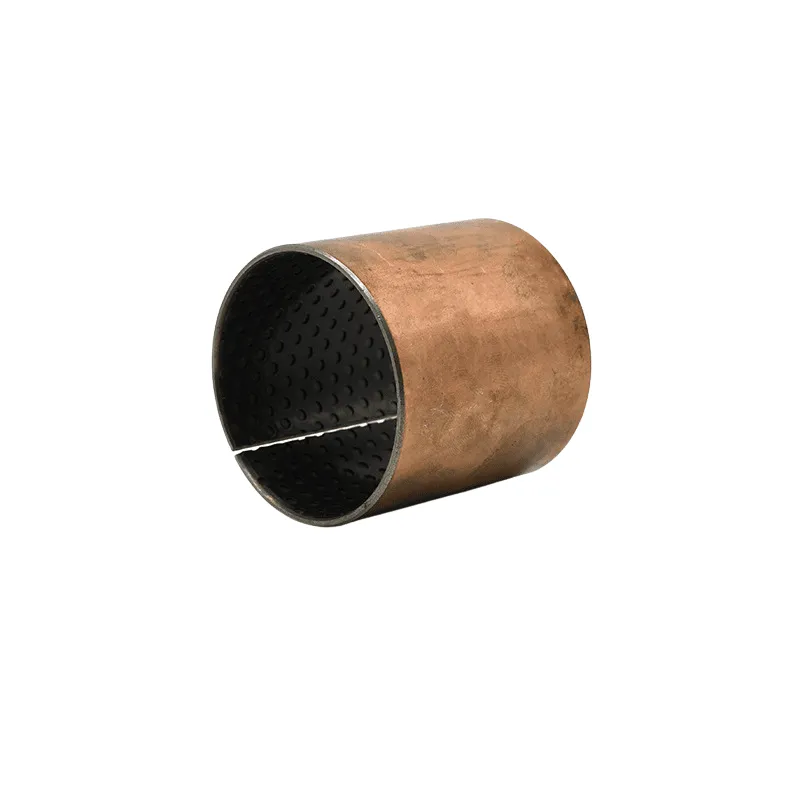
A press-fit bushing needs enough interference to resist movement in the housing. Too little interference can allow rotation or axial movement. Too much can reduce the bore, overstress the bushing, crack a brittle material, or distort a thin housing.
Temperature may increase or decrease effective interference depending on the housing and bushing materials. An aluminum housing, steel housing, bronze bushing, polymer bushing, and composite bushing will not respond identically.
The installed bore should be evaluated after mounting, not assumed from the free-state bushing dimension.
Material Selection for Temperature Changes
Metallic Bushings
Bronze, steel, stainless steel, and other metal bushings can support demanding loads when correctly designed and lubricated. Their thermal expansion is often more predictable than many polymers, but the housing and shaft materials still control the relative dimensional change.
Polymer Bushings
Polymer bushings can provide low friction, corrosion resistance, low weight, or reduced lubrication needs. However, temperature, moisture, load, and time can affect their dimensions and stiffness. The exact grade and reinforcement are important.
Composite Bushings
Composite and filament-wound bushings may be engineered for specific load, friction, and thermal behavior. Values from one product family should not be applied to another. Use the manufacturer’s installation tolerances, temperature limits, and clearance recommendations.
Temperature Also Affects Lubrication
As temperature rises, many lubricants become less viscous. A thinner film can increase surface contact if speed, load, finish, and supply do not maintain separation. At low temperature, higher viscosity can increase drag or restrict flow.
Review:
- Lubricant type and viscosity range
- Continuous and peak operating temperature
- Startup temperature
- Sliding speed and load
- Lubrication method and interval
- Compatibility with the bushing material and seals
Thermal design and lubrication design should be checked together.
Common Symptoms of Thermal Problems
Potential warning signs include:
- Rising friction or operating torque
- Abnormal temperature increase
- Squeal, vibration, or stick-slip motion
- Discoloration or lubricant breakdown
- Scoring, smearing, or transfer material
- Cracked, distorted, or extruded polymer
- Loose fit in the housing after thermal cycling
- Excessive clearance after cooldown
These symptoms can also have other causes. Alignment, contamination, surface finish, load, installation damage, and lubrication should be inspected before assigning one cause.
Design and Validation Process
- Define shaft, bushing, and housing materials.
- Define room, startup, continuous, and peak temperatures.
- Estimate the temperature of each component rather than assuming they are equal.
- Calculate dimensional change for the full tolerance range.
- Check installed bore change from the housing fit.
- Check minimum and maximum operating clearance.
- Review load, speed, lubrication, moisture, and chemical exposure.
- Validate with representative thermal cycles and operating loads.
For critical equipment, monitor temperature and wear during validation rather than relying only on room-temperature measurements.
RFQ Information for a Temperature-Sensitive Bushing
Provide:
- Shaft and housing drawings
- Bushing dimensions and style
- Materials for shaft, bushing, and housing
- Minimum, normal, and maximum temperatures
- Load direction and magnitude
- Sliding speed and duty cycle
- Lubrication method
- Moisture, chemicals, dust, or washdown exposure
- Required life and maintenance interval
- Fit, clearance, and inspection requirements
- Quantity and documentation needs
Conclusion
Thermal expansion affects bushing clearance, housing interference, lubrication, friction, and wear. The correct design compares the shaft, bushing, and housing as one system across the full temperature and tolerance range.
Use material-specific data, calculate the installed condition, and validate representative parts under realistic loads and thermal cycles. An Industrial stainless steel bushing may require additional consideration of thermal expansion, material compatibility, and corrosion resistance. This reduces the risk of seizure, looseness, premature wear, and inconsistent machine performance.
Frequently Asked Questions
Can thermal expansion make a bushing seize
Yes. If the shaft grows more than the installed bushing bore, operating clearance can become too small. Load, lubrication, housing restraint, and temperature gradients also affect the risk.
Does a polymer bushing need more clearance than a metal bushing
Not always, but many polymers have different thermal and moisture behavior from metals. Use the supplier’s data and calculate the actual assembly condition.
Why does a bushing bore change after installation
Housing interference compresses the bushing outside diameter and can reduce its bore. Material, wall thickness, split design, housing stiffness, and fit all influence the change.
Should the shaft and housing temperature be assumed equal
No. Friction, heat sources, cooling, mass, and airflow can create different temperatures in each component.