Why Mobility and Stability Matter in Industrial Layouts
Leveling feet vs casters remains a major concern for industrial equipment buyers. Manufacturing facilities require stable machinery and efficient material movement. Production managers often balance flexibility with operational precision. Heavy machines create vibration, floor stress, and alignment challenges. Equipment mobility also affects maintenance schedules and cleaning procedures. Industrial engineers usually evaluate floor conditions before equipment installation begins. Large factories often redesign layouts during production expansion phases. Stable support systems reduce operational errors and protect machine components. Mobile support systems simplify transportation across production areas. Procurement teams must compare operational demands before selecting equipment supports. Several industries prioritize fixed installations for precision operations. Others prefer movable support systems for flexible production environments. Correct support selection improves productivity, worker safety, and long-term operational efficiency throughout industrial facilities.
Leveling Feet vs Casters in Industrial Equipment Design
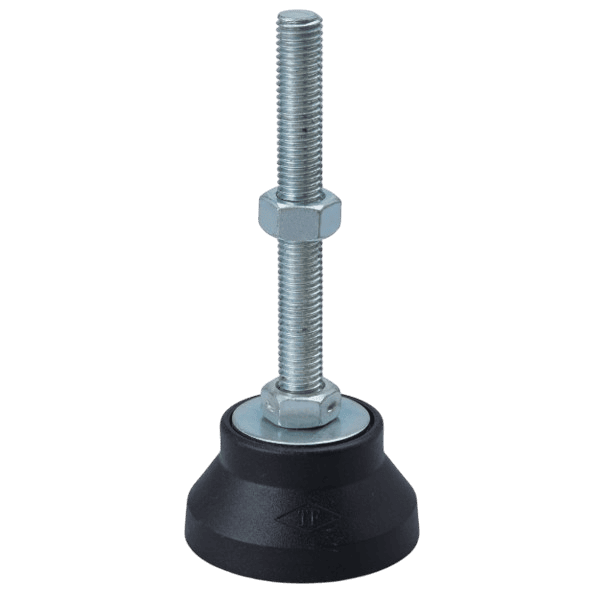
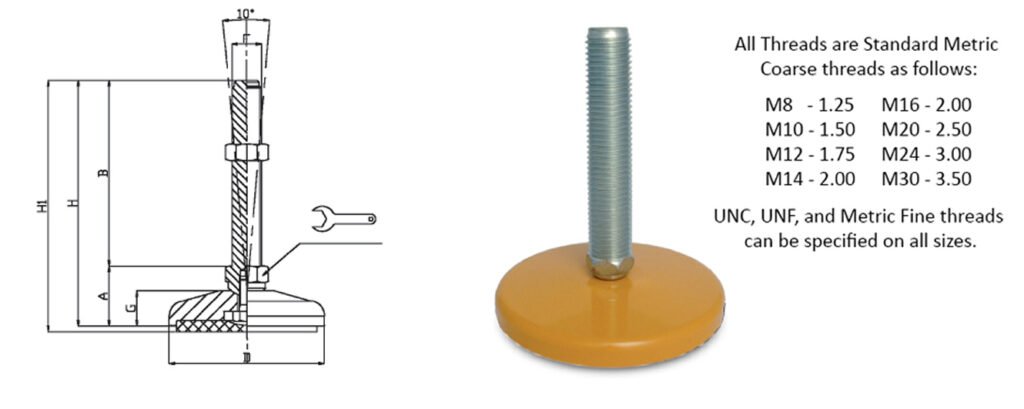
Leveling feet vs casters involves different engineering structures and performance goals. Adjustable feet stabilize machinery through direct floor contact and threaded adjustment mechanisms. Casters support mobility through rotating wheel assemblies and mounting brackets. Industrial leveling feet commonly use zinc-plated steel, rubber pads, or stainless materials. Casters typically include polyurethane, nylon, or forged steel wheels. Engineers often calculate floor pressure before selecting either solution. Fixed support systems improve alignment for sensitive industrial machinery. Mobile systems simplify repositioning during maintenance or production changes. Threaded stems help operators adjust machine height on uneven surfaces. Wheel bearings allow smooth transportation across warehouse floors. Many industrial machines combine adjustable supports with wheel assemblies. Hybrid systems support temporary movement and permanent positioning requirements. Equipment manufacturers usually select support structures according to machine weight, vibration intensity, and workflow demands.
Load Capacity and Weight Distribution Requirements
Industrial equipment creates significant pressure on flooring systems and support structures. Load calculations determine whether fixed or mobile systems perform effectively. Heavy machinery requires balanced weight distribution across multiple contact points. Engineers frequently examine center-of-gravity positioning during equipment installation planning. Uneven weight distribution can damage floors and reduce machine lifespan. Large conveyor systems often require reinforced support components. Precision machines benefit from rigid contact with concrete foundations. Dynamic loads increase stress during movement and operational vibration cycles. Static loads mainly affect stationary production equipment. Casters experience additional force during transportation and directional movement. Threaded supports help balance machinery on irregular industrial surfaces. Many facilities select oversized support systems for safety margins. Some factories install an anti vibration leveling foot beneath sensitive equipment. Vibration reduction improves calibration consistency and reduces mechanical wear. Stable foundations also improve operator safety during continuous production activities.
Vibration Reduction and Machine Accuracy Performance
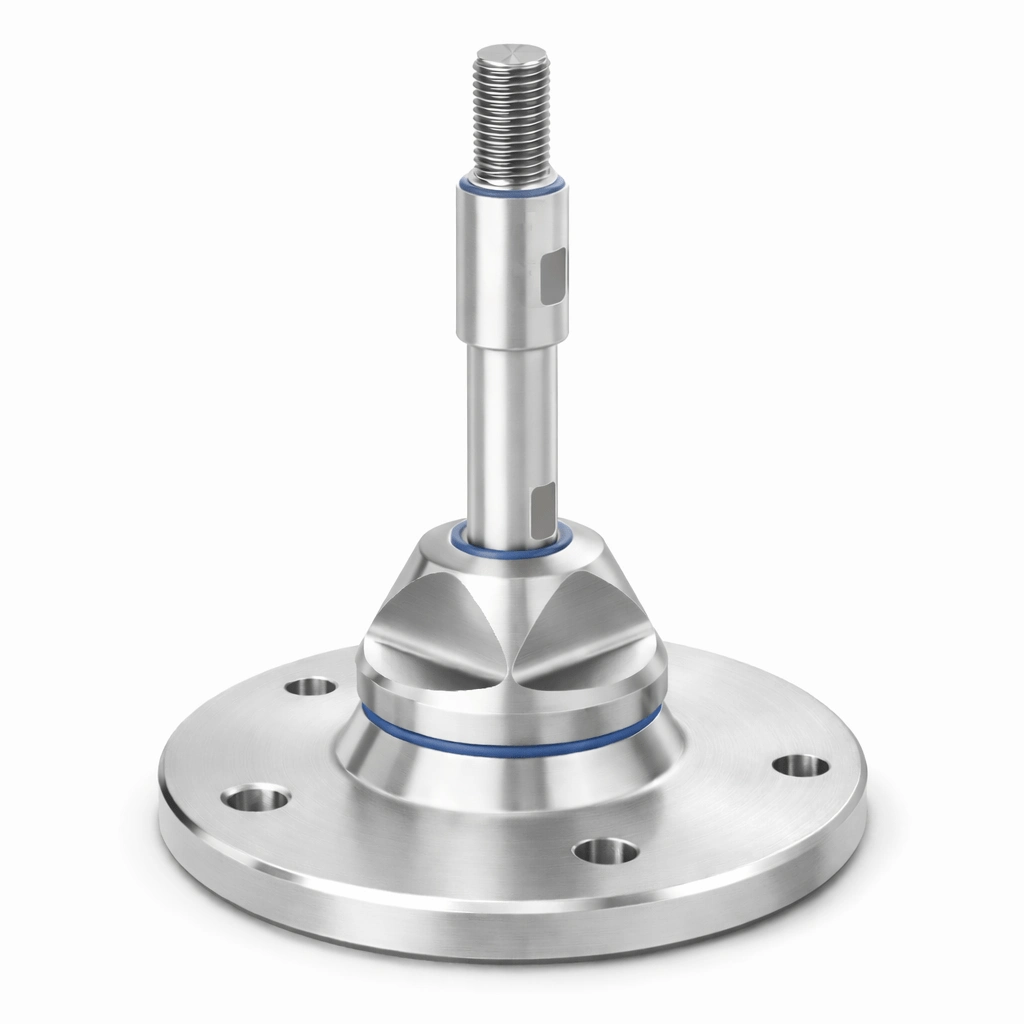
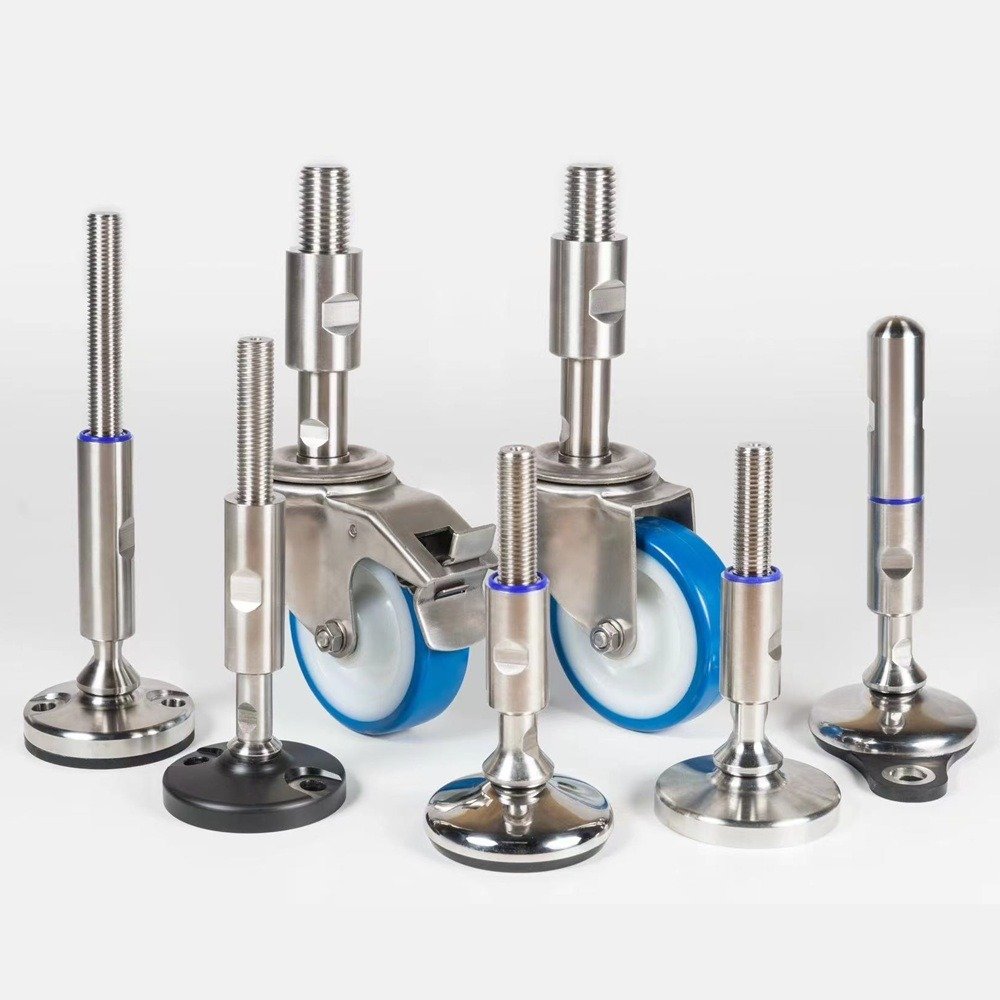
Leveling feet vs casters affects machine accuracy in high-precision manufacturing environments. CNC equipment, laser systems, and inspection machinery require stable positioning. Small vibrations often create measurement errors and inconsistent production quality. Fixed support systems reduce unwanted movement during machining operations. Rubber-based pads absorb vibration energy generated by rotating components. Stable alignment protects cutting tools and mechanical assemblies from premature wear. Mobile wheel systems generally provide less vibration resistance during operation. Locking mechanisms improve caster stability but cannot eliminate movement entirely. Precision industries often prioritize rigid floor contact for accuracy protection. Semiconductor facilities commonly use vibration-control support assemblies. Calibration procedures also become easier with stable machine positioning. Some manufacturers install a stainless steel leveling foot for corrosion resistance and hygienic environments. Food processing equipment often requires stainless materials for sanitation compliance. Stable support structures improve repeatability across automated manufacturing processes and inspection operations.
Floor Protection and Surface Compatibility Factors
Industrial floors experience constant stress from machinery, forklifts, and heavy material movement. Support systems directly influence floor lifespan and maintenance requirements. Point pressure from narrow supports may damage weak floor surfaces. Large rubber pads distribute pressure more evenly across concrete coatings. Casters may leave wheel marks on epoxy flooring systems. Steel wheels sometimes create surface cracking under excessive loads. Polyurethane wheels reduce abrasion on polished industrial surfaces. Engineers frequently inspect flooring materials before equipment installation projects. Chemical exposure also affects support material durability over time. Corrosive environments require protective coatings and resistant alloys. Moisture exposure can damage untreated steel support assemblies. Floor slope conditions influence machine alignment and operational safety. Anti-slip bases improve positioning stability on smooth production floors. Facilities with cleanroom environments often prioritize contamination-resistant materials. Proper floor compatibility improves maintenance efficiency and reduces repair costs throughout industrial operations.
Maintenance Access and Production Line Flexibility
Modern factories frequently redesign production layouts to improve operational efficiency. Flexible equipment movement simplifies expansion and maintenance activities. Mobile systems help technicians access machinery during repairs and inspections. Warehouses often relocate packing equipment during seasonal production increases. Lean manufacturing environments benefit from adjustable production configurations.Casters simplify transportation without requiring forklifts or cranes. Mobile machinery also reduces downtime during cleaning operations.
Safety Compliance and Industrial Standards
Industrial safety standards influence equipment support selection across manufacturing environments. OSHA 29 CFR 1910 defines industry machine safety and guarding requirements. ANSI B11 sets machine tool safety requirements for safe operation. ISO 12100 provides machinery risk assessment principles for installation decisions. Unstable machinery increases hazard risks, collision risks, and workplace accident probability. Locking casters improve movement control during temporary positioning. Fixed supports reduce movement in heavy production and machining. Inspectors reference ISO 13849-1 safety-related control systems during compliance audits. Improper support systems may create ergonomic strain and maintenance injury risks. Excess vibration reduces operator comfort and equipment reliability aligned with ISO 20816. ASTM and ANSI protocols require load testing verification before installation. FDA 21 CFR 117 and 211 regulate hygiene in food and pharmaceutical industries. EHEDG ensures hygienic design for cleanable components. ASCE 7 affects anchoring in earthquake zones. Compliance reduces liability improves procurement decisions.
Cost Analysis and Long-Term Operational Value
Leveling feet vs casters affects both short-term purchasing costs and long-term operational expenses. Initial pricing varies according to material quality and load capacity. Heavy-duty casters often require precision bearings and reinforced wheel materials. Adjustable support systems may include rubber pads and stainless assemblies. Maintenance costs also differ between fixed and mobile support solutions. Wheel assemblies experience wear during frequent transportation activities. Fixed supports generally require fewer replacement cycles over time. Stable machinery positioning can reduce calibration expenses and production interruptions. Mobile systems lower labor costs during facility reconfiguration projects. Procurement managers calculate total lifecycle value before purchasing equipment components. Downtime reduction significantly affects manufacturing profitability and delivery schedules. Corrosion-resistant materials increase service life in demanding industrial environments. High-quality support systems improve operational reliability under continuous production conditions. Industrial buyers prioritize durability, safety, and maintenance efficiency when comparing long-term investment performance.
Best Applications for Leveling Feet Systems
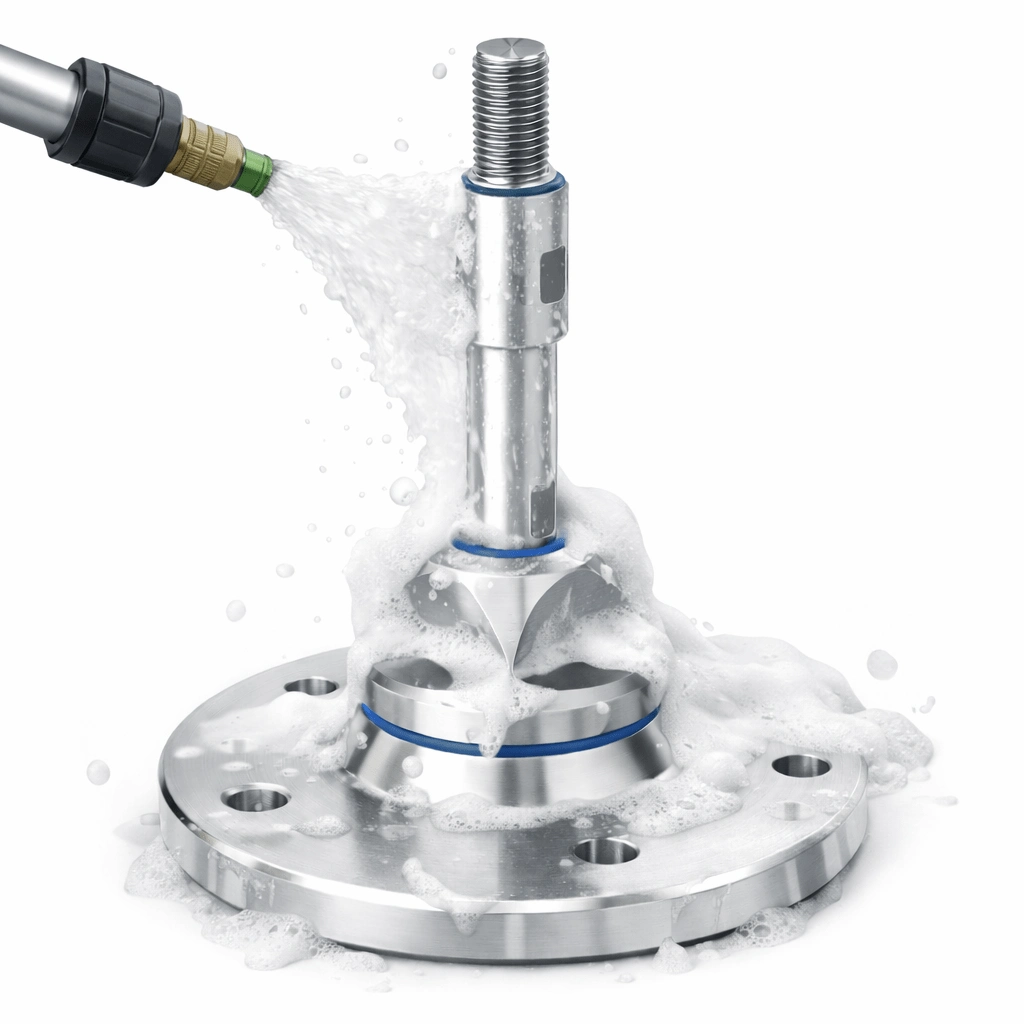
Many industrial sectors prioritize stability over equipment mobility during production operations. Precision machining facilities commonly install fixed support assemblies beneath heavy machinery. Inspection systems also require stable positioning for measurement consistency. Printing equipment benefits from reduced vibration and accurate alignment control. Food processing facilities often select corrosion-resistant support components for sanitation compliance. Pharmaceutical production lines require stable machinery for contamination prevention and process consistency. Packaging systems frequently operate continuously under high production loads. Adjustable supports help operators compensate for uneven factory flooring conditions. Large industrial presses also require rigid positioning during operation cycles. Fixed systems improve machine lifespan by reducing movement-related mechanical stress. Semiconductor manufacturing facilities prioritize vibration reduction for sensitive equipment protection. Stable installations simplify calibration procedures during quality-control operations. Several heavy industries depend on permanent machine positioning for production efficiency and workplace safety.
Best Applications for Industrial Casters
Warehouses and logistics facilities often prioritize equipment mobility and operational flexibility. Mobile support systems simplify movement across large industrial environments. Packaging stations frequently change positions during seasonal production adjustments. Distribution centers relocate sorting equipment according to workflow requirements. Assembly lines also benefit from movable support structures during layout optimization projects. Medical equipment manufacturers commonly use mobile production workstations for efficiency improvements. Maintenance departments frequently transport repair equipment across factory areas. Mobile systems reduce lifting requirements and improve worker convenience during equipment relocation. Retail distribution operations often depend on flexible material-handling systems. Locking wheel assemblies improve stability during temporary positioning activities. Laboratories sometimes relocate testing systems between workstations and inspection areas. Light industrial environments generally benefit from quick movement and flexible equipment access. Mobile support structures improve adaptability for businesses handling variable production demands and changing operational workflows.
Comparison Table for Industrial Equipment Support Systems
| Factor | Leveling Feet | Casters |
|---|---|---|
| Primary Function | Machine stabilization | Equipment mobility |
| Load Handling | High static loads | Dynamic movement loads |
| Vibration Control | Excellent damping | Moderate resistance |
| Maintenance Access | Limited movement | Easy relocation |
| Floor Protection | Reduced point pressure | Possible wheel marks |
| Typical Industries | CNC, food processing | Warehousing, logistics |
Industrial buyers should compare operational priorities before selecting support systems. Stable machinery improves precision and reduces vibration-related maintenance issues. Mobile systems improve flexibility during cleaning and production reconfiguration activities. Facilities with sensitive equipment usually prioritize rigid support assemblies. Warehouses and logistics operations often benefit from improved movement efficiency. Support material quality also affects durability and maintenance frequency. Industrial engineers normally evaluate floor conditions before installation projects begin. Procurement teams should balance safety, mobility, and operational efficiency during purchasing decisions.
Operational Performance Comparison Across Industrial Environments
| Industrial Environment | Preferred Support Type | Main Operational Reason |
|---|---|---|
| Food Processing | Leveling feet | Stable hygiene-focused installations |
| Distribution Centers | Casters | Frequent equipment movement |
| CNC Manufacturing | Leveling feet | Precision vibration reduction |
| Packaging Facilities | Hybrid systems | Balanced mobility and stability |
| Laboratories | Leveling feet | Accurate testing performance |
| Maintenance Workshops | Casters | Flexible workstation positioning |
Industrial operations vary significantly according to production goals and facility layouts. Precision manufacturing environments generally prioritize stable support systems for accuracy protection. Logistics facilities often require flexible equipment movement across large operational spaces. Hybrid systems support factories requiring temporary movement and permanent positioning. Material quality also influences operational performance and replacement frequency. Procurement managers should evaluate maintenance schedules before purchasing support components. Reliable support systems improve workplace safety and operational efficiency across industrial applications.
Key Factors Buyers Should Evaluate Before Purchasing
Industrial procurement teams should review several technical considerations before purchasing support systems.
- Evaluate machine weight and operational load requirements.
- Examine floor material and surface durability conditions.
- Compare vibration sensitivity across production equipment.
- Review sanitation requirements for regulated industries.
- Analyze maintenance schedules and relocation frequency.
- Confirm corrosion resistance for chemical exposure areas.
- Verify locking mechanisms for mobile equipment safety.
- Assess long-term replacement and maintenance costs.
Careful evaluation improves operational efficiency and reduces costly installation errors. Industrial buyers often compare technical specifications before approving procurement decisions. Equipment support systems directly influence productivity, safety, and maintenance performance. Factories with precision operations usually prioritize stability and vibration reduction. Facilities requiring layout flexibility often select mobile support assemblies. Corrosion resistance also remains critical in food, pharmaceutical, and chemical production environments. Engineers should calculate operational loads before selecting industrial support components. Reliable support solutions improve equipment lifespan and reduce unexpected operational disruptions throughout manufacturing facilities.
Final Considerations for Industrial Equipment Selection
Leveling feet vs casters depends heavily on operational priorities and production environments. Stable support systems improve machine precision and vibration resistance during continuous operation. Mobile systems improve flexibility and simplify facility reconfiguration projects. Industrial buyers should examine maintenance frequency, floor conditions, and safety requirements before purchasing support components. Heavy production equipment usually benefits from rigid support assemblies and balanced load distribution. Logistics environments often prioritize equipment mobility and quick repositioning capabilities. Hybrid systems also provide advantages for facilities requiring occasional movement and stable operation. Material quality significantly affects durability and long-term operational costs. Reliable support systems improve productivity, workplace safety, and equipment lifespan across industrial manufacturing environments.
FAQ
Which industries benefit most from leveling feet?
Industries requiring precision and operational stability benefit greatly from leveling feet systems. CNC machining facilities commonly use fixed supports for vibration reduction and accurate cutting performance. Food processing plants also prefer stable support systems because sanitation standards require secure equipment positioning. Pharmaceutical manufacturers depend on stable machinery during contamination-sensitive production processes. Semiconductor facilities frequently install vibration-control assemblies beneath sensitive equipment. Printing and inspection industries also benefit from improved alignment consistency. Adjustable support systems help operators compensate for uneven flooring conditions inside factories. Stable machinery positioning improves calibration accuracy, reduces maintenance frequency, and extends equipment lifespan across demanding industrial production environments.
Are casters suitable for heavy industrial machines?
Heavy industrial machines can use casters when engineers select proper load-rated components. Forged steel or polyurethane wheel systems often support high-capacity industrial equipment. Distribution centers commonly install heavy-duty casters beneath movable conveyor systems and packaging equipment. Locking mechanisms improve safety during temporary machine positioning activities. Engineers must calculate dynamic loads because movement creates additional stress on wheel assemblies. Floor quality also affects caster performance and operational lifespan. Rough or damaged surfaces may accelerate wheel wear and reduce movement efficiency. Heavy machinery requiring precise alignment usually performs better with fixed supports instead of fully mobile systems in industrial environments.
Can leveling feet and casters work together?
Many industrial manufacturers combine leveling feet and casters within hybrid support systems. Hybrid assemblies allow temporary equipment movement and stable operational positioning afterward. Operators can relocate machinery during maintenance or production layout adjustments. Adjustable supports then stabilize equipment during manufacturing activities. Packaging lines and modular assembly stations frequently use this configuration for operational flexibility. Hybrid systems also reduce lifting requirements during machine relocation projects. Engineers usually install retractable wheel systems beneath heavy industrial equipment. Stable positioning improves vibration resistance and production accuracy after relocation. Combined support solutions work effectively in facilities requiring both mobility and operational stability throughout changing manufacturing environments.