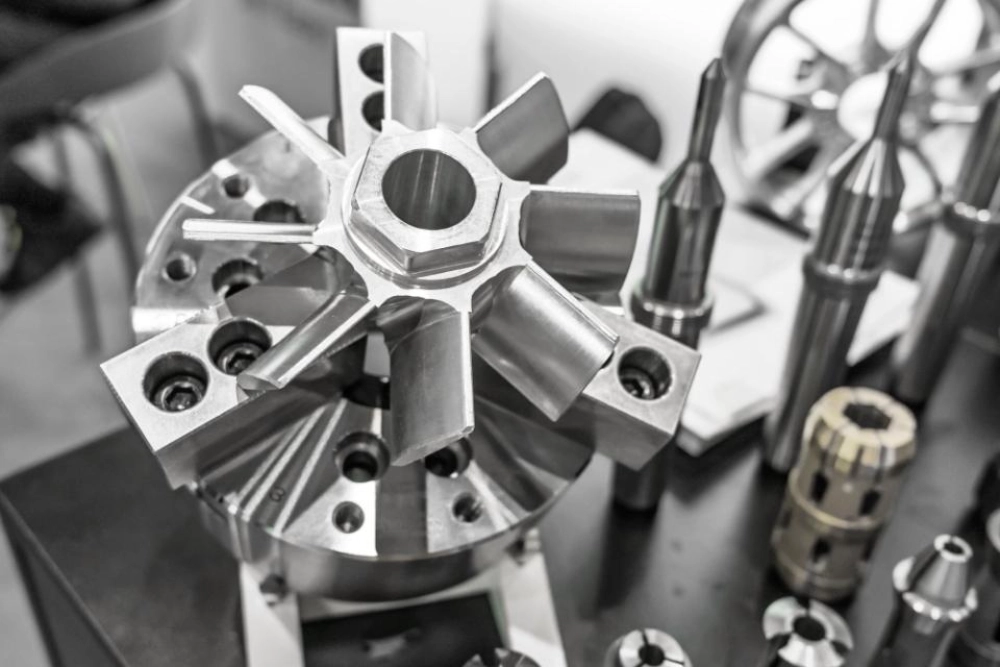
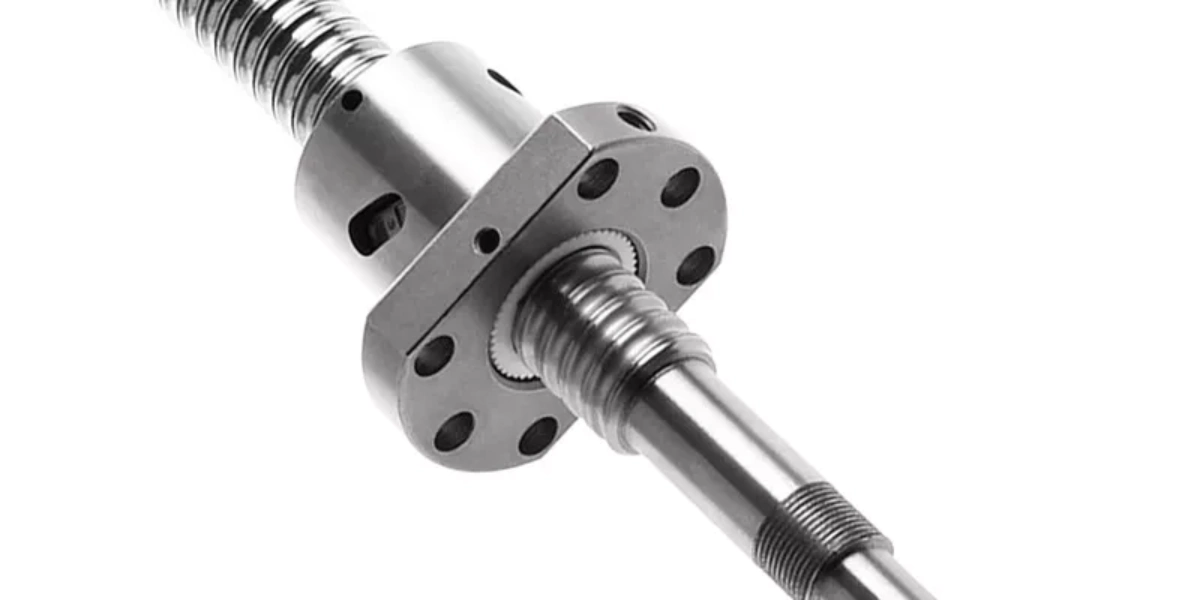
Specify lead screw is a core step in precision mechanical design today. Engineers use it to define motion accuracy and load behavior. Industrial automation relies on correct specification to ensure stable linear motion. The process connects geometry, material, and performance targets in one decision chain. Designers evaluate speed, torque, and environmental conditions early in development. Incorrect selection leads to wear, vibration, or system failure. Proper engineering review improves reliability and extends equipment life. Motion systems in CNC, robotics, and medical devices depend on careful setup. Specification also affects maintenance cycles and operational cost. Every parameter must align with application demand and safety limits.
Specify lead screw requirements for engineering design
Engineering teams start to specify lead screw parameters by defining motion goals. They examine travel distance, speed, and load conditions in detail. System dynamics influence selection of diameter and thread profile. Engineers also consider alignment accuracy and vibration resistance. Environmental exposure such as dust or humidity affects design choices. Material compatibility ensures stable operation under continuous cycles. Early simulation helps reduce design errors and production cost. Each requirement must align with final application function and duty cycle. Proper definition improves mechanical efficiency and reduces energy loss.
Material selection and performance factors
Material selection plays a critical role when engineers specify lead screw systems. Stainless steel offers strong corrosion resistance in humid environments. Carbon steel provides higher strength under heavy load conditions. Surface hardness affects wear resistance during long operational cycles. Thermal expansion also influences precision in high-temperature applications. Engineers balance cost and durability based on project scale. Chemical exposure environments require protective coatings or treated surfaces. Fatigue resistance ensures stable performance in repetitive motion systems. Selection impacts maintenance frequency and total lifecycle cost.
| Material Type | Key Strength | Application Use |
|---|---|---|
| Carbon Steel | High load capacity | Heavy machinery systems |
| Stainless Steel | Corrosion resistance | Food and medical equipment |
Material comparison supports engineering decisions by highlighting trade-offs between strength and corrosion resistance. Carbon steel performs better in dry, high-load environments. Stainless steel performs better in chemical or moisture-rich conditions. Engineers evaluate cost efficiency alongside mechanical performance. Selection directly influences long-term operational reliability and maintenance intervals.
Pitch and motion accuracy analysis
Pitch selection defines linear travel distance per rotation. Engineers carefully specify lead screw pitch based on required speed. Fine pitch improves positioning accuracy in precision systems. Coarse pitch increases travel speed but reduces resolution. Motion control systems depend on this balance for performance stability. CNC machines often require tighter pitch for machining accuracy. Robotics systems may prioritize speed depending on task function. Load conditions also influence optimal pitch selection strategy. Proper analysis prevents backlash and improves repeatability.
Load capacity and torque calculation principles
Load capacity determines how much force a system can handle safely. Engineers calculate axial load based on application requirements. Torque increases with load and friction coefficient values. Thread geometry directly affects mechanical efficiency in motion transfer. Safety factors ensure stable operation under peak stress conditions. Lubrication reduces friction and improves torque efficiency significantly.
Lubrication and wear resistance in lead screw systems
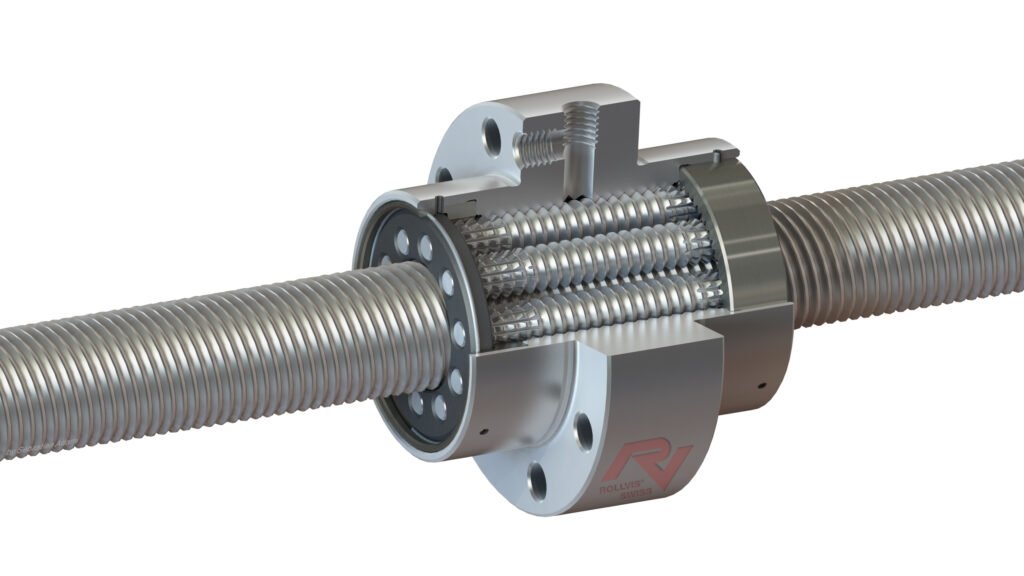
Lubrication reduces friction and extends component life in motion systems. Engineers select grease or oil depending on operating conditions. Continuous motion increases surface wear over time. Protective coatings improve resistance against abrasion and corrosion. Proper lubrication schedule reduces maintenance downtime significantly. Wear particles must be controlled to avoid system contamination. High-load systems require more frequent lubrication cycles. Surface finish quality also affects wear rate and efficiency.
- Grease lubrication for heavy load systems
- Oil lubrication for high-speed motion systems
- Dry lubrication for clean environment applications
Lubrication selection depends on speed, load, and environment conditions. Grease provides strong adhesion for vertical or heavy-duty systems. Oil supports heat dissipation in high-speed applications. Dry coatings suit medical and cleanroom environments requiring contamination control.
Manufacturing tolerances and precision control standards
Manufacturing tolerance defines allowable deviation in geometry and alignment. Engineers control straightness to ensure smooth linear motion. Concentricity affects rotational balance and vibration levels. Surface finish influences friction and efficiency performance. ISO 2768 and ISO 1101 define tolerance and GD&T standards for parts. ASME Y14.5 provides global interpretation for geometric dimensioning rules. Quality inspection uses coordinate measuring machines for accuracy verification. Tight tolerances improve system reliability but increase production cost. Loose tolerances reduce cost but may reduce precision performance. Balance between cost and accuracy is critical in design.
| Parameter | High Precision Level | Standard Level |
|---|---|---|
| Straightness | ±0.01 mm | ±0.05 mm |
| Surface Finish | Ra 0.4 | Ra 1.6 |
Precision standards ensure consistent performance in industrial motion systems. High precision improves repeatability in CNC and semiconductor equipment. Standard levels suit general automation and packaging machinery. Inspection accuracy directly influences product reliability and system stability.
Cost optimization and sourcing strategy in industrial production
Cost optimization begins with material and machining balance analysis. Engineers evaluate production volume and tooling complexity carefully. Bulk procurement reduces unit cost in large-scale projects. OEM and ODM cooperation supports flexible production customization. Supplier capability affects lead time and quality stability. Logistics cost also impacts final project budget significantly. Long-term sourcing agreements improve price stability and supply security. Efficient design reduces waste and machining time.
Application examples in industry systems
Industrial applications define final specification requirements in real environments. CNC machines require high precision and stable repeatability. Automation lines prioritize speed and continuous operation reliability. Medical devices demand low noise and high cleanliness standards. Aerospace systems require lightweight and high-strength configurations. Engineers adapt geometry based on load and motion profile. Different industries impose unique performance constraints on design. Testing validates performance before mass production deployment.
Specify lead screw integration with OEM and OEM supply chains
OEM production requires consistent quality control across batches. ODM collaboration supports customized mechanical design solutions. Supply chains rely on standardized machining processes for repeatability. A threaded rod for machine OEM/ODM often serves as a structural base component in industrial assemblies. Vendor selection affects production stability and delivery timing. Engineering teams validate compatibility before final procurement approval. Long-term partnerships improve cost efficiency and technical support access.
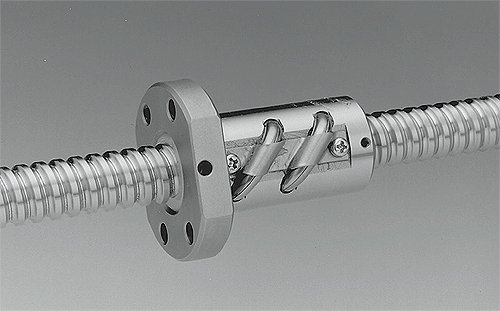
In industrial assembly systems, a stainless steel lead screw is often chosen for environments requiring corrosion resistance and long service life. This selection ensures stable motion under humidity or chemical exposure conditions.
Maintenance strategy and lifecycle performance management
Maintenance planning ensures stable performance across long operating cycles. Engineers define inspection intervals based on load and usage intensity. Wear monitoring helps detect early failure signs. Lubrication schedules reduce friction and extend service life. Component replacement timing affects system downtime and productivity. Predictive maintenance improves operational reliability significantly. Data monitoring supports performance optimization in modern systems. Proper maintenance reduces total ownership cost over time.
System optimization and future engineering improvements
System optimization focuses on improving efficiency and reducing energy loss. Engineers refine geometry to improve motion smoothness. Material innovation enhances durability and reduces friction. Digital simulation supports design validation before production. Smart monitoring systems improve predictive maintenance capability. Integration with automation improves precision control performance. Continuous improvement ensures long-term competitiveness in industrial applications.
FAQ
What factors are most important when you specify lead screw systems?
When engineers specify lead screw systems, they evaluate load, speed, and environment. Material selection plays a major role in performance stability. Pitch determines motion resolution and travel efficiency. Lubrication affects wear rate and maintenance cycles. Cost also influences final engineering decisions significantly. Safety factors ensure stable operation under peak loads. Application type defines precision requirements and durability expectations. Proper analysis reduces system failure risk. All parameters must align with operational goals and design constraints. Balanced selection improves both efficiency and long-term reliability in industrial motion systems.
How does lead pitch affect machine performance in specification?
Lead pitch directly influences speed and positioning accuracy in motion systems. Fine pitch improves precision but reduces travel speed. Coarse pitch increases speed but lowers resolution quality. Engineers adjust pitch based on machine function requirements. High precision systems demand tighter pitch control. Automation systems may prioritize faster movement instead. Torque requirements also change with pitch variation. Backlash control depends heavily on pitch selection quality. Proper balancing improves overall system efficiency and stability.
What materials are best for high-load applications in specify lead screw systems?
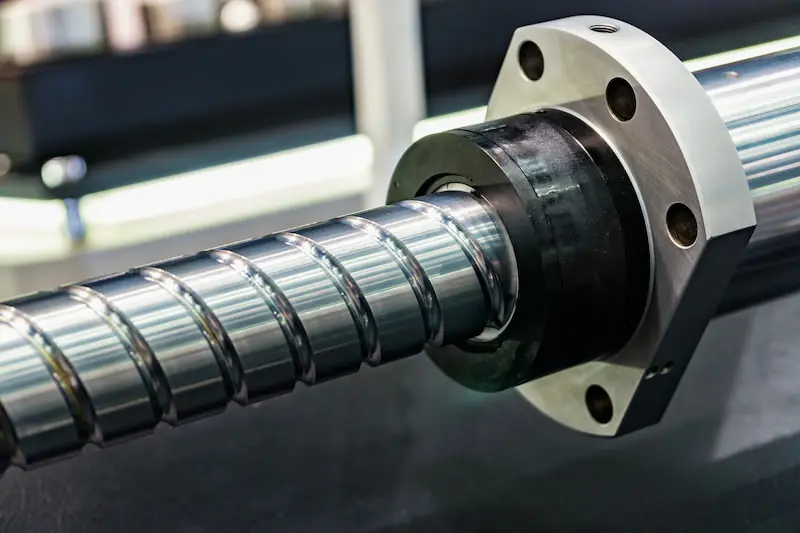
High-load applications require strong and fatigue-resistant materials. Carbon steel performs well under heavy mechanical stress. Alloy steel improves hardness and wear resistance significantly. Surface treatments enhance durability in continuous operation. Engineers evaluate thermal stability under load conditions. Lubrication reduces friction and improves performance life. Structural rigidity ensures stable force transmission. Material selection must match load cycles and duty conditions. Proper choice prevents deformation and system failure during operation.