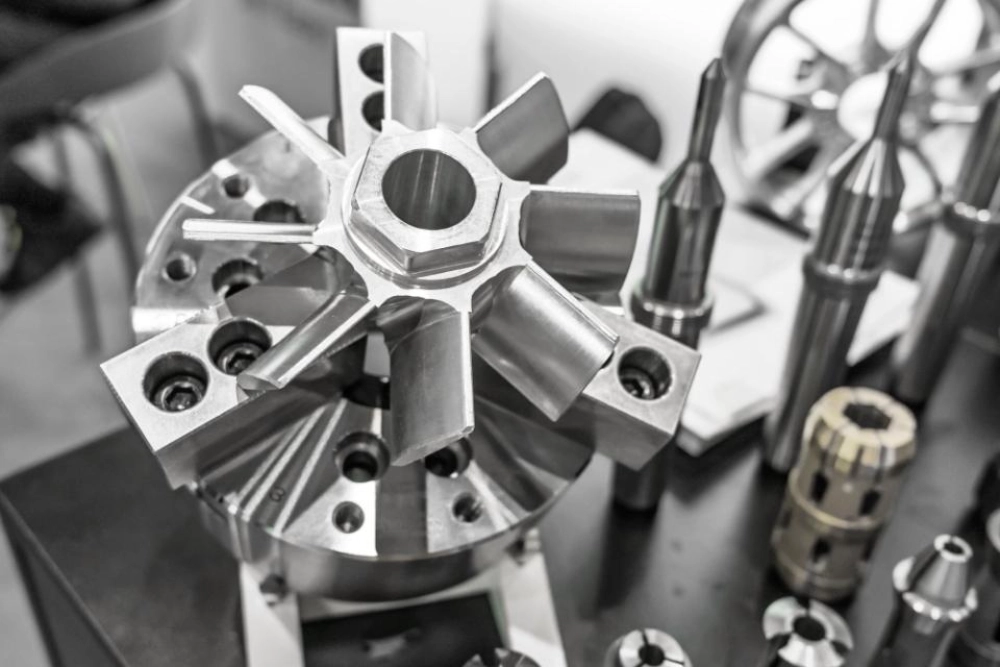
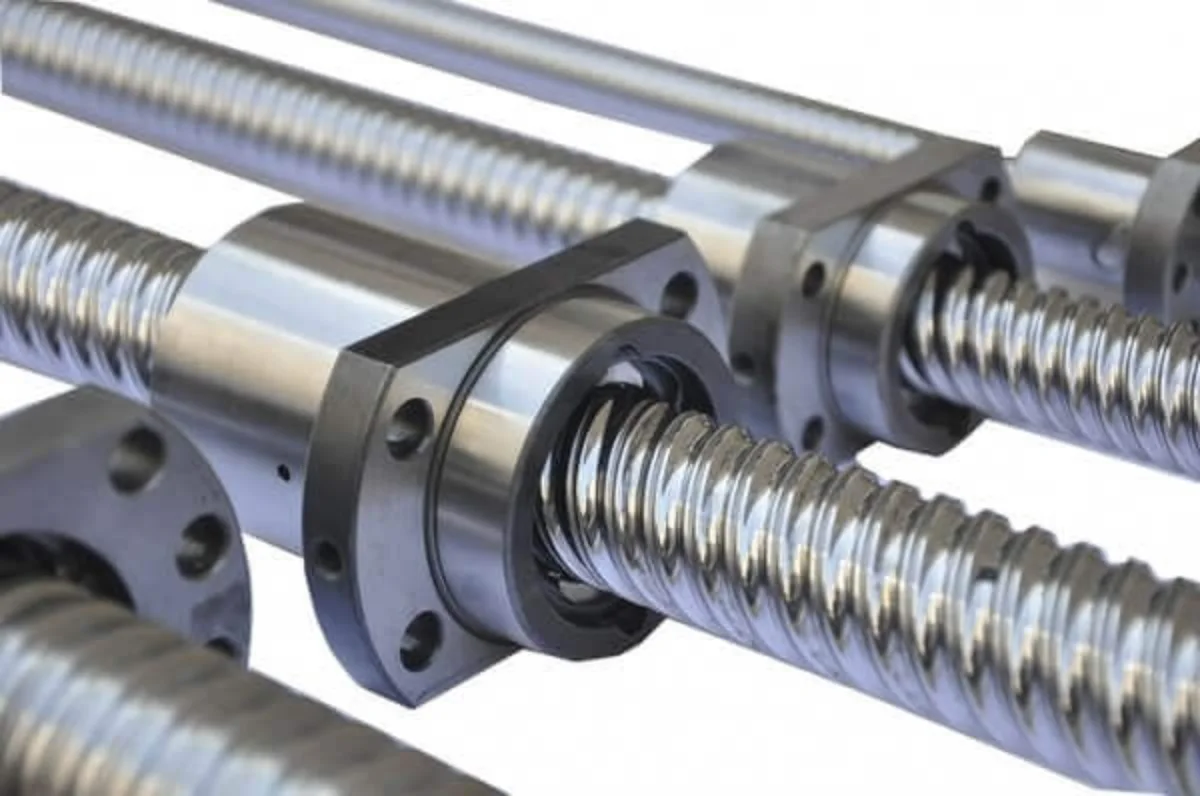
A rolled lead screw is a mechanical element used to convert rotary motion into precise linear movement in industrial automation systems. It is widely applied in CNC machinery, robotics, and positioning equipment where stable motion control is required. The structure is formed through a cold rolling process that shapes thread geometry under controlled pressure conditions. This method improves surface strength while maintaining cost efficiency for mass production environments. Engineers prefer this component when medium precision and high scalability are needed. It is often used in systems that require repetitive motion cycles rather than ultra-precision positioning.
Manufacturing Process and Structural Formation
The production relies on cold forming technology where hardened dies press steel blanks into precise thread shapes without material removal. This process enhances grain flow, which increases fatigue resistance and structural integrity. Compared with cutting methods, rolling achieves faster production speed and more consistent dimensional quality. Heat treatment is applied after forming to improve hardness and wear resistance. Surface finishing reduces friction during mechanical movement and improves operational smoothness. Quality control systems ensure pitch consistency across large batches. This manufacturing approach supports industrial-scale production with stable performance output. The process also reduces waste material, improving overall efficiency in manufacturing environments.
Thread Geometry and Mechanical Design Characteristics
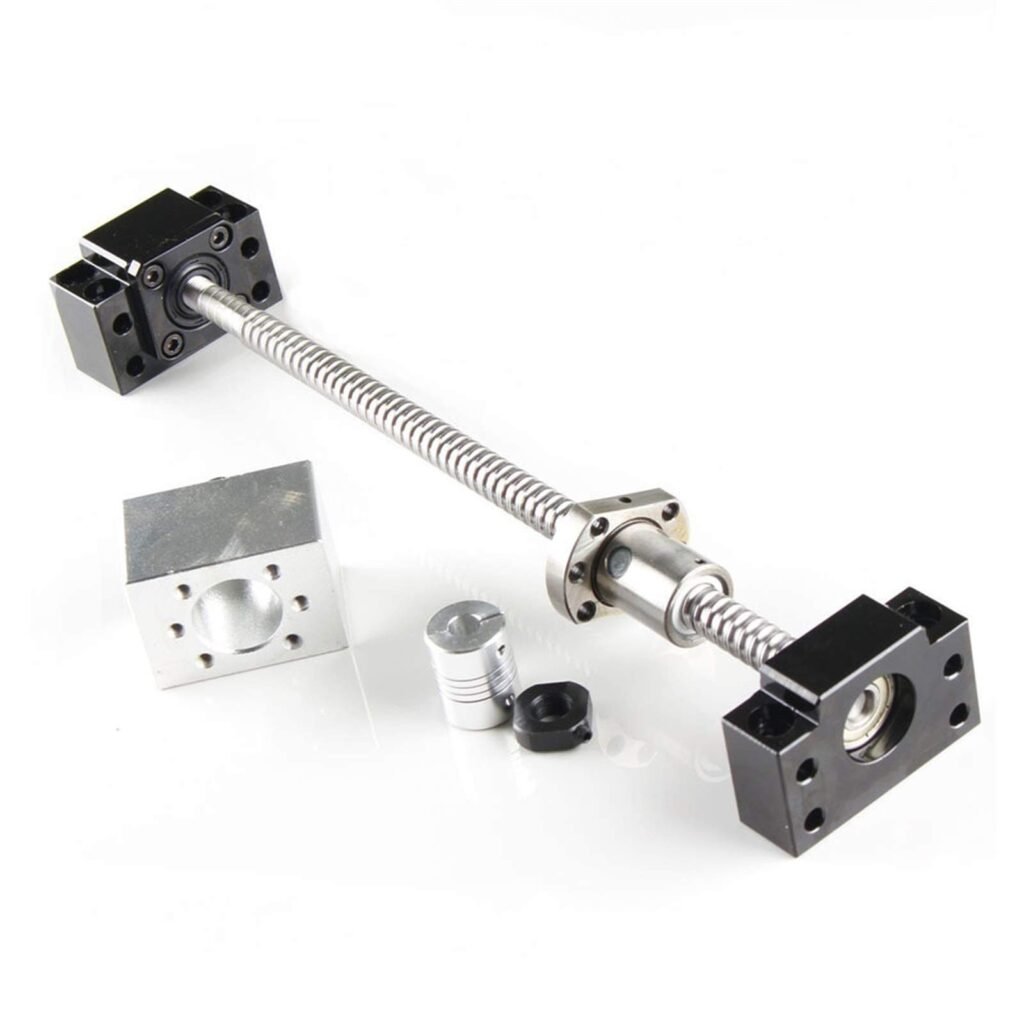
The geometry is designed to distribute load evenly across thread surfaces during operation. Its pitch accuracy directly affects positioning stability in linear motion systems. Engineers optimize thread angles to reduce stress concentration and improve load-bearing capacity. The surface finish plays a key role in minimizing friction between mating components. Uniform thread formation enhances vibration resistance during continuous operation. Compared to conventional rod-based systems, its threaded structure provides superior motion control. In high-corrosion environments, a stainless steel lead screw variant is sometimes selected to improve environmental resistance and extend service life. These design factors determine overall mechanical performance and operational reliability.
Material Engineering and Performance Stability
Material selection plays a critical role in determining the durability and efficiency of a rolled lead screw system. Carbon steel alloys are commonly used due to their strength and machinability, while heat treatment improves hardness and fatigue resistance. Stainless steel is preferred in environments exposed to moisture or chemicals because it provides better corrosion protection. Material microstructure influences wear rate and long-term mechanical stability. Thermal expansion behavior must also be considered in high-temperature applications. Engineers evaluate tensile strength and surface hardness before final selection. Proper material engineering ensures stable operation under varying load conditions and extends system lifespan in industrial environments.
Mechanical Efficiency and Motion Advantages of Rolled Lead Screw Systems
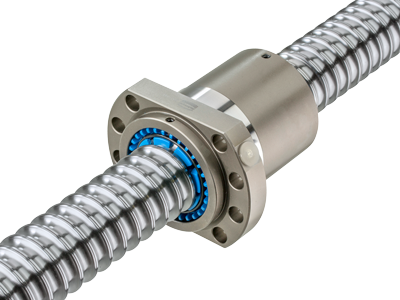
This linear motion component provides efficient conversion of rotational motion into linear displacement with controlled energy loss. It reduces backlash when properly paired with matching nuts, improving system accuracy in automation applications. Friction levels remain manageable under correct lubrication conditions, ensuring smooth operation. The system is suitable for moderate-load applications where cost efficiency is important. It supports compact mechanical design in linear actuator systems. Torque transfer efficiency improves overall system responsiveness in CNC and robotic setups. Engineers value its balance between affordability and functional reliability. It is widely used in applications that prioritize consistent motion rather than ultra-high precision.
Performance Comparison and Industrial Data Analysis
The following table shows performance differences between common linear motion systems used in industrial engineering applications.
| Type | Precision Level | Cost Efficiency | Durability |
|---|---|---|---|
| Rolled Lead Screw | Medium | High | Medium |
| Ground Screw | High | Low | High |
| Hybrid System | Medium-High | Medium | High |
This comparison highlights the trade-off between cost and precision in mechanical design. Mid-tier screw systems offer strong value in mass production environments where scalability is a priority. Engineers evaluate system requirements before selecting a motion solution. It remains widely used in industrial automation due to its balanced performance characteristics and manufacturing efficiency.
Engineering Limitations and System Trade-offs
Despite its advantages, this motion component has limitations in high-precision environments. Manufacturing tolerances may introduce minor deviations that affect ultra-fine positioning accuracy. Wear increases under continuous heavy-load conditions if lubrication is insufficient. Backlash can develop over time if system alignment is not properly maintained. Thermal expansion may influence dimensional stability in high-temperature environments. Engineers often compensate for these limitations through control system calibration and mechanical optimization. Regular maintenance is required to ensure stable long-term performance. These trade-offs are acceptable in applications where cost efficiency is more important than extreme precision.
CNC Integration and Automation Applications
The rolled lead screw is widely used in CNC machines and automation systems for linear motion control. It converts motor rotation into controlled axial movement with reliable repeatability. When integrated with servo systems, it improves positioning accuracy in closed-loop control setups. Robotics applications use it for repetitive motion tasks that require consistency. Proper alignment is essential to maintain machining quality and operational stability. It is also used in compact machine designs where space optimization is important. Its adaptability makes it suitable for a wide range of industrial automation systems.
Performance Factors Affecting Service Life
Service life depends on lubrication quality, alignment accuracy, and operating conditions. Proper lubrication reduces friction and slows wear progression. Misalignment increases mechanical stress and shortens lifespan. Contamination from dust or debris can damage thread surfaces over time. Temperature fluctuations affect material expansion and mechanical stability.
Industrial Applications and OEM Usage Scenarios
The rolled lead screw is widely used in CNC machining, robotics, packaging systems, and 3D printing equipment. It provides stable linear motion for repetitive manufacturing tasks. OEM and ODM manufacturers integrate it into customized mechanical assemblies for automation systems. It is also used in electronics production lines and medical devices where controlled motion is required. Its versatility supports diverse industrial applications requiring balanced performance and cost efficiency.
Maintenance Strategy and Lifecycle Management
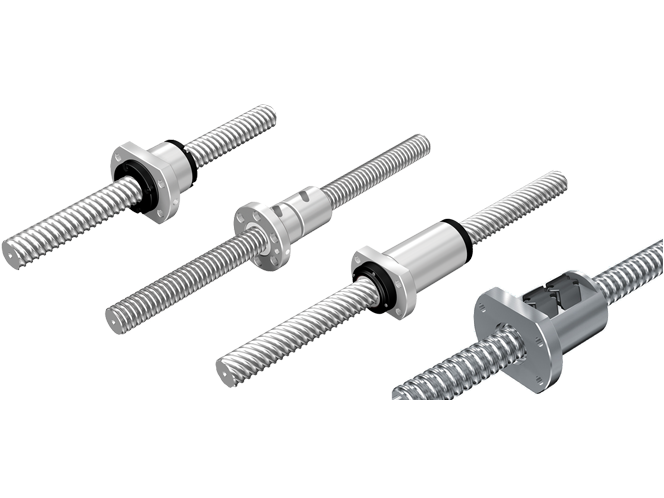
Proper maintenance is essential for stable operation and long service life. Regular lubrication reduces friction and prevents excessive wear. Alignment checks help maintain smooth motion and reduce mechanical stress. Inspection routines detect early signs of degradation before failure occurs. Environmental protection reduces contamination risks from dust and moisture. Maintenance intervals depend on workload intensity and operating conditions. Preventive maintenance significantly improves system reliability and reduces downtime.
Market Position and Cost Structure Analysis
The rolled lead screw maintains strong competitiveness due to its low manufacturing cost and scalable production capability. It is widely adopted in industrial automation systems where cost-performance balance is critical. Demand continues to grow alongside global automation expansion. It is commonly used in mid-range mechanical systems that require reliable but not ultra-precise motion control. Its economic advantage ensures stable adoption across multiple industrial sectors.
What Industries Commonly Use Rolled Lead Screw Systems?
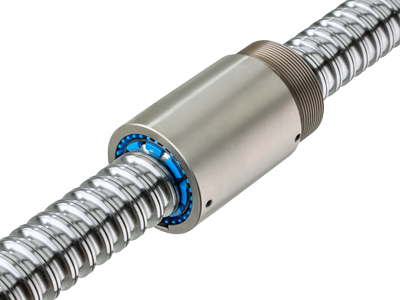
Rolled lead screw systems are widely used in industries requiring stable and cost-efficient linear motion. CNC machines rely on them for axis positioning and controlled feed movement. Robotics systems use them for repetitive and accurate motion tasks. In 3D printing, they ensure consistent layer height and structural precision. Packaging equipment depends on them for synchronized high-speed operation. Electronics manufacturing uses them in assembly and testing machines. Medical devices also apply them for controlled mechanical actuation. OEM and ODM manufacturers integrate them into customized automation solutions due to their balance of performance, durability, and cost efficiency across medium-precision industrial applications.
FAQ
What Is The Difference Between Rolled Lead Screw And Ground Version?
A rolled lead screw is produced through cold rolling, while a ground version is produced through precision grinding. Rolling forms threads by plastic deformation, which improves manufacturing efficiency and lowers cost. Grinding removes material to achieve higher geometric accuracy and tighter tolerances. Because of this, ground screws are used in high-precision equipment such as semiconductor systems and metrology instruments. Rolled versions are better suited for general industrial automation where medium accuracy is acceptable. Differences also appear in surface finish, pitch error, and lead consistency. Engineers select between the two based on required precision, load conditions, and budget limits in motion system design.
How Long Does A Rolled Lead Screw Typically Last?
The lifespan depends on load, lubrication, alignment, and environmental conditions. Under normal industrial operation with proper maintenance, it can last several years. Light to medium loads with stable lubrication significantly extend service life. However, heavy-duty cycling or high-speed operation increases wear on threads and mating nuts. Misalignment can also create uneven stress and shorten durability. Dust, moisture, and temperature variation further impact long-term performance. Regular lubrication reduces friction and slows degradation. Routine inspection helps detect early wear before failure occurs. With proper installation and maintenance practices, operational stability and service life can be significantly improved in industrial applications.