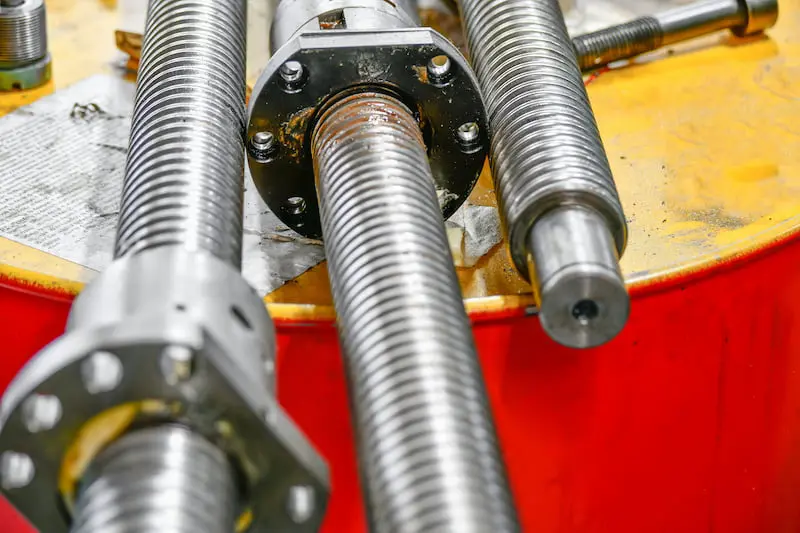
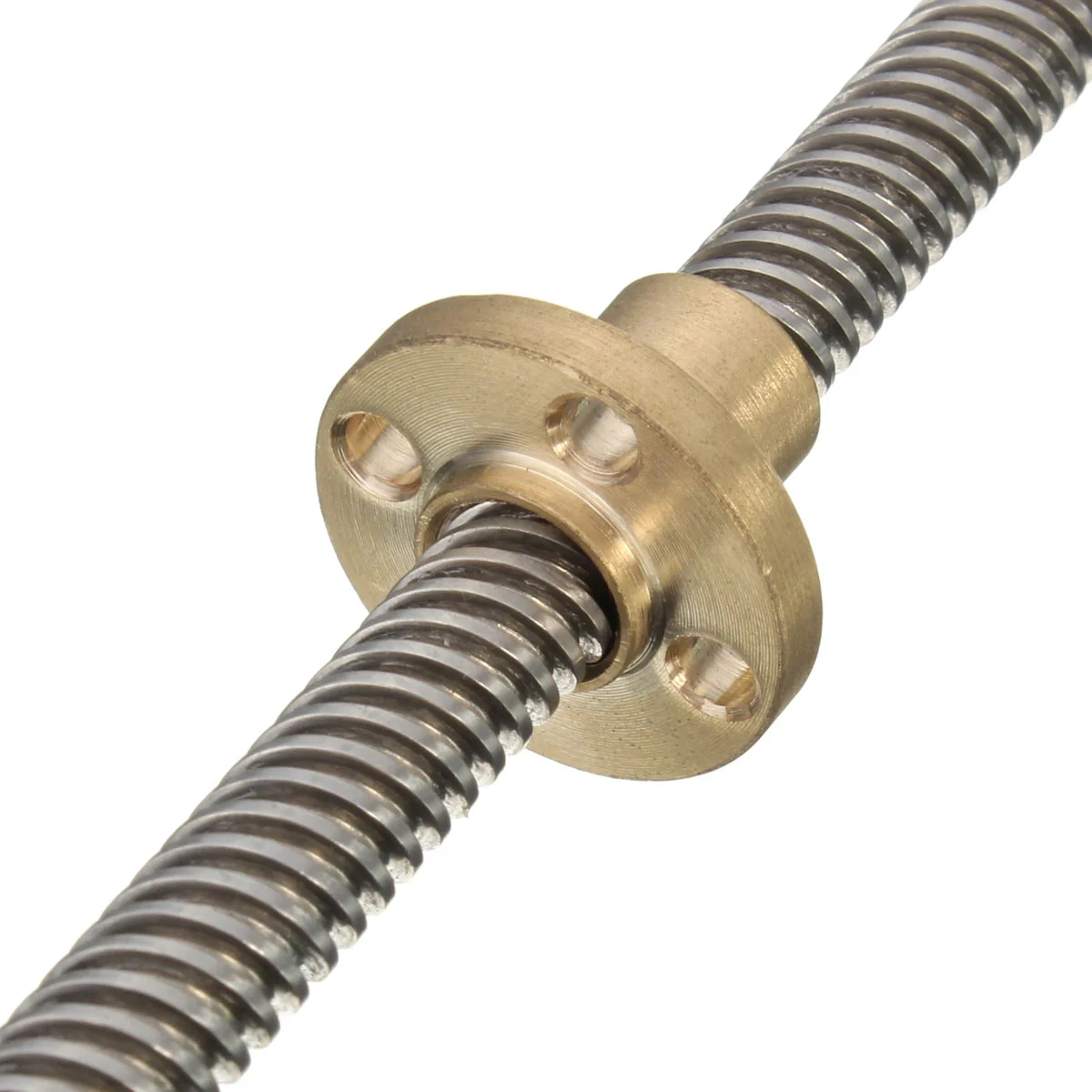
Lead screw material stainless vs steel plays a central role in precision motion design across industrial automation systems. Engineers rely on lead screws to convert rotary motion into controlled linear movement with high positioning accuracy. Material choice affects friction behavior, wear resistance, and long-term dimensional stability under continuous operation. Modern machinery demands consistent performance in environments with varying loads and thermal conditions. Selection mistakes often reduce efficiency and increase maintenance cycles significantly. Designers evaluate lubrication strategy, surface finish, and load distribution before final decisions. Both stainless and carbon-based solutions dominate engineering applications due to predictable machining behavior. Industrial robotics and CNC systems depend on stable linear transmission components for accuracy. This comparison helps engineers balance durability, cost, and environmental resistance requirements effectively. The lead screw material stainless vs steel decision therefore remains foundational in mechanical system design.
Fundamental performance differences in lead screw material stainless vs steel
Lead screw material stainless vs steel comparison begins with mechanical strength and friction characteristics under load conditions. Carbon-based alloys generally provide higher hardness after heat treatment, improving load-bearing capacity. Stainless variants offer better corrosion resistance but slightly lower wear resistance under heavy stress cycles. Friction coefficients vary depending on lubrication quality and thread geometry design. Thermal expansion also influences precision stability in high-speed linear systems. Engineers often prioritize rigidity when designing industrial actuators with repetitive motion cycles. Stainless solutions perform better in moisture-rich environments where oxidation risk is high. Carbon steel is preferred in dry, high-load applications with stable lubrication systems. Performance trade-offs depend on operational environment and required service lifespan. This lead screw material stainless vs steel evaluation supports optimized mechanical design decisions.
Metallurgical structure and material behavior in lead screw systems
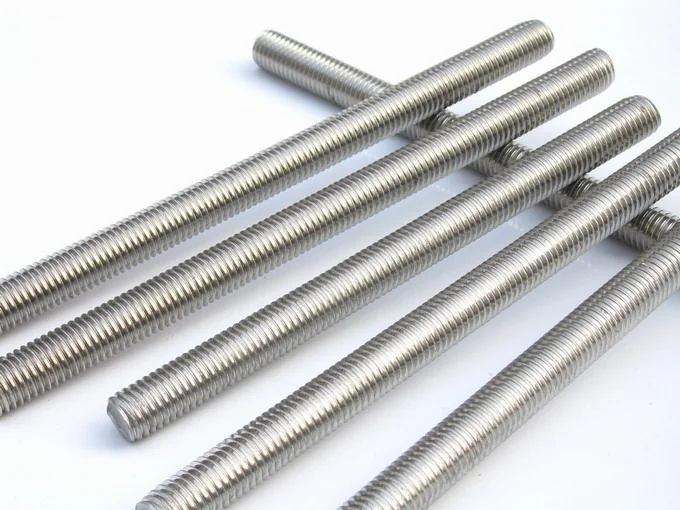
Stainless alloys contain chromium elements that form a passive protective surface layer. This layer prevents direct oxidation and improves corrosion resistance in harsh environments. Austenitic grades provide stability and ductility, while martensitic grades increase hardness levels. Grain refinement through heat treatment improves fatigue resistance under cyclic loading conditions. Surface integrity strongly affects friction and wear behavior during continuous motion cycles. Precision grinding ensures tight tolerance control for smooth linear displacement. Engineers select stainless grades based on environmental exposure severity and mechanical demand. A stainless steel lead screw is commonly used in hygienic and precision-controlled systems requiring stability. Surface finishing reduces micro-abrasion and improves long-term performance consistency. Metallurgical structure directly influences system reliability and operational lifespan.
Carbon steel performance and mechanical optimization behavior
Carbon steel contains higher carbon content that increases hardness after quenching and tempering processes. These treatments significantly improve wear resistance and torque transmission capability. Machinability remains high, enabling efficient production in industrial manufacturing environments. Lubrication plays a critical role in reducing friction and extending service life. Surface coatings such as phosphate or zinc improve moderate corrosion resistance. Heavy-duty machinery often relies on carbon steel for structural linear motion components. Engineers value its cost efficiency and mechanical strength in controlled environments. A threaded rod for machine OEM/ODM production frequently uses carbon steel due to machining flexibility and production scalability. However, maintenance requirements increase when exposed to moisture or chemical environments. Performance stability depends heavily on operational control and lubrication consistency.
Corrosion resistance evaluation in lead screw material stainless vs steel
Lead screw material stainless vs steel selection strongly depends on environmental exposure conditions. Stainless materials resist oxidation through chromium-based passive layer protection mechanisms. Carbon steel is more vulnerable to rust formation when exposed to humidity or chemicals. Protective coatings can extend carbon steel lifespan but require regular maintenance. Industrial environments with water exposure typically favor stainless solutions for stability. Chemical processing systems demand corrosion-resistant materials to prevent surface degradation. Pitting corrosion in carbon steel increases friction and reduces motion efficiency over time. Stainless surfaces maintain smoother integrity under similar environmental stress conditions. Engineers evaluate corrosion risk before determining material grade selection. Environmental compatibility remains a key factor in long-term system reliability planning.
Strength, torque capacity, and wear resistance performance
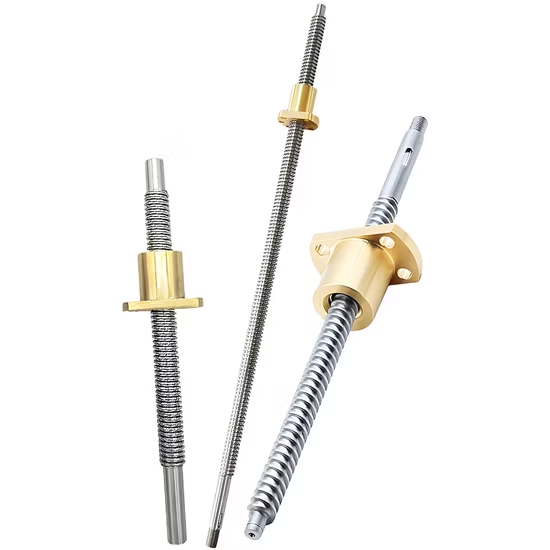
Mechanical strength determines how effectively a lead screw handles axial and radial forces. Carbon steel generally provides higher torque resistance after proper heat treatment. Stainless materials distribute stress more evenly but may deform under extreme loads. Wear resistance depends on hardness, lubrication, and surface finishing quality. Continuous motion cycles generate friction heat that affects dimensional stability. Proper alignment reduces uneven stress distribution across thread surfaces. Engineers optimize geometry to improve load efficiency and reduce energy loss. Fatigue resistance becomes critical in high-frequency motion systems. Material selection directly influences operational durability and system efficiency. This performance balance is central in lead screw material stainless vs steel evaluation.
Manufacturing processes and industrial machining considerations
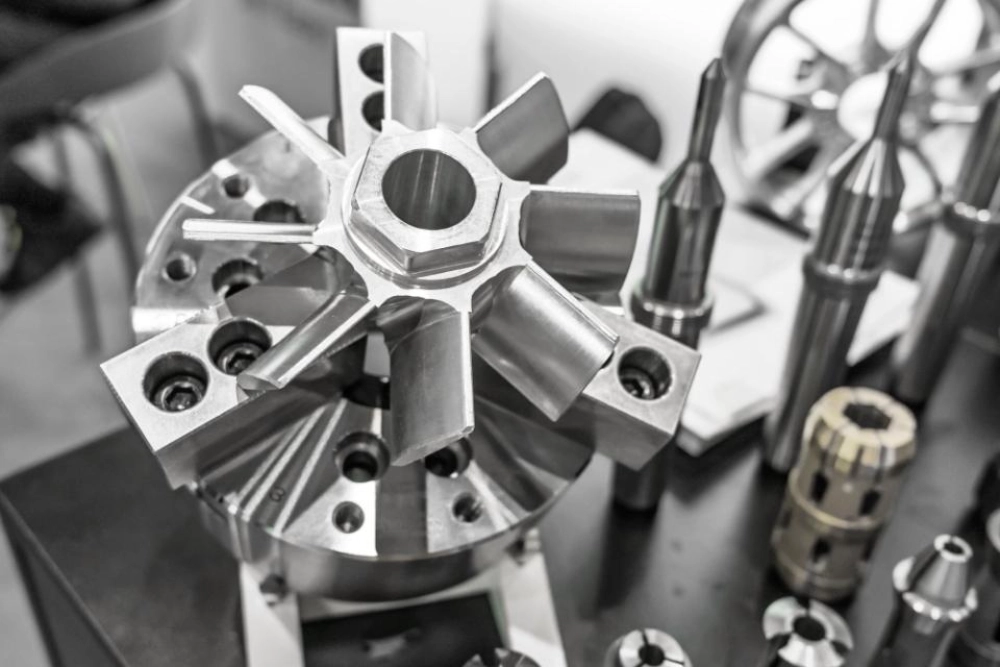
Machining processes differ significantly between stainless and carbon steel materials. Stainless steel requires slower cutting speeds due to work hardening behavior. Carbon steel allows higher machining efficiency and lower tool wear rates. Thread rolling and grinding improve precision and surface finish quality. Cooling systems are essential during stainless machining to prevent overheating. Tolerance control ensures smooth engagement between mechanical components. Surface finishing reduces friction and enhances motion efficiency. Quality inspection verifies dimensional accuracy and thread consistency. Production cost is influenced by machining time and tool wear. Manufacturing decisions directly affect final system reliability and performance stability.
Cost structure and engineering decision factors
Lead screw material stainless vs steel selection involves both initial and lifecycle cost analysis. Carbon steel offers lower upfront material and production expenses. Stainless steel requires higher investment due to alloy composition complexity. However, stainless reduces maintenance frequency in corrosive environments. Downtime costs can exceed material savings in critical systems. Engineers evaluate total lifecycle cost rather than only procurement price. Maintenance accessibility also influences long-term economic efficiency. Budget constraints often guide early-stage design decisions. Performance requirements may justify higher material investment. Cost balancing ensures both durability and operational efficiency.
Industrial applications and system integration behavior
Industrial systems rely on linear motion components for precision control and automation. CNC machinery requires stable transmission for accurate positioning operations. Robotics systems depend on consistent torque and repeatable motion cycles. Medical and food industries require corrosion-resistant and hygienic components. Heavy machinery prioritizes strength and structural durability under load. Environmental conditions determine material suitability for each application. System alignment ensures smooth operation and reduces wear distribution issues. Lubrication strategy directly affects efficiency and service life. A stainless steel lead screw is often chosen in clean and moisture-sensitive environments. Application context remains the primary selection driver in engineering design.
| Factor | Stainless Steel | Carbon Steel |
|---|---|---|
| Corrosion Resistance | High due to passive layer | Low without coatings |
| Hardness | Moderate | High after heat treatment |
| Machining Efficiency | Lower due to work hardening | Higher and faster processing |
| Maintenance Requirement | Low | Higher in harsh environments |
The table highlights fundamental differences in material behavior across key engineering factors. Stainless steel performs better in corrosive environments due to protective surface chemistry. Carbon steel offers superior machinability and cost efficiency in controlled environments. Engineers use these differences to align material choice with system requirements. Application context determines whether durability or cost optimization takes priority.
Material selection checklist for engineering systems
Lead screw material stainless vs steel evaluation requires structured engineering decision criteria. Environmental exposure level determines corrosion resistance requirements. Load capacity defines hardness and structural strength needs. Maintenance access influences long-term service planning. Budget constraints affect material grade selection strategies. Service lifespan expectations guide design decisions in industrial systems. Lubrication availability ensures stable operation and reduced wear. Manufacturing limitations influence final material feasibility. Engineers combine these factors for balanced system design. Proper evaluation improves reliability and operational efficiency.
| Application | Recommended Material | Reason |
|---|---|---|
| CNC Systems | Carbon Steel | High strength and cost efficiency |
| Medical Equipment | Stainless Steel | Hygiene and corrosion resistance |
| Industrial Automation | Carbon Steel | Load capacity and machining ease |
| Food Processing | Stainless Steel | Clean environment requirement |
The table demonstrates application-based material selection logic in industrial engineering. Different industries prioritize different performance parameters. Environmental safety requirements often drive stainless selection. Heavy-load systems prioritize carbon steel for structural performance. Engineering decisions depend on operational context and system demands.
Engineering insights and performance optimization
Material selection influences efficiency, durability, and maintenance planning. Environmental conditions remain the most critical factor in decision-making. Load behavior determines required mechanical strength and hardness levels. Lubrication quality directly affects wear resistance and friction stability. Surface finishing improves energy efficiency and motion smoothness. Alignment accuracy reduces uneven stress distribution. Lifecycle planning ensures long-term operational reliability. Engineers continuously refine material strategies based on field performance data. Balanced design ensures stable and efficient system operation.
FAQ
What makes stainless steel better in corrosive environments?
Stainless steel performs better because it forms a passive chromium oxide layer. This layer prevents oxygen and moisture from attacking the metal surface. It significantly reduces rust formation in humid and chemical environments. Industrial systems exposed to cleaning agents benefit from this protection. Maintenance frequency is lower compared to carbon steel systems. Surface stability remains consistent over long operational cycles. This improves reliability in precision equipment applications. Engineers select stainless when corrosion risk is high. Although cost is higher, lifecycle performance often justifies investment. Environmental resistance is the key advantage.
When is carbon steel a better option for lead screw systems?
Carbon steel is better in dry, controlled industrial environments with stable lubrication. It provides higher hardness after heat treatment processes. This improves torque resistance and load-bearing capability. Machining efficiency reduces manufacturing cost and production time. It is widely used in heavy machinery and automation systems. Lubrication ensures smooth operation and reduced friction wear. Maintenance planning is essential for long-term reliability. It is less suitable for corrosive environments. Engineers prefer it when strength and cost balance is critical. Its performance is optimal under controlled operating conditions.