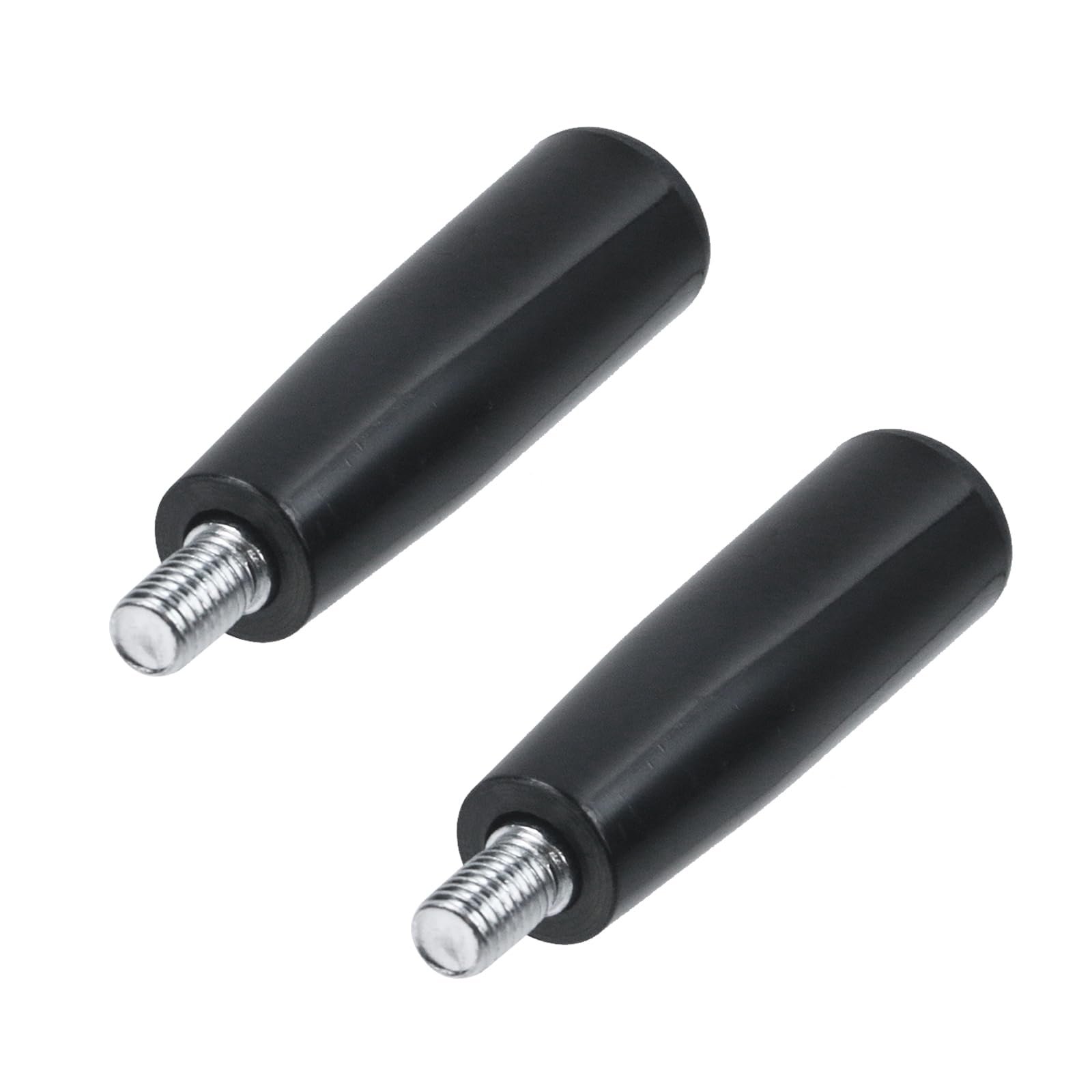
A revolving handle improves machine movement where repeat turning is common. Many factories need steady hand input each shift. Operators adjust feed wheels, clamps, gates, and fixtures daily. Poor grip often causes slip, delay, and fatigue. Stronger control supports better output quality and safer motion. Buyers also value parts with long service life. The keyword revolving handle matters because it links motion and grip in one part. Unlike plain knobs, the rotating grip follows hand movement smoothly. That small design change often improves speed. It also helps reduce wasted effort during repeated turns. For B2B teams, better control can lower downtime and training time across busy production lines. Reliable hardware often supports stable operating standards.
Core Mechanics Behind the Rotating Grip System
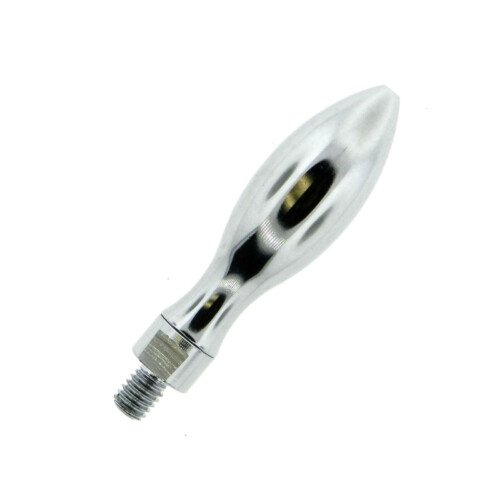
The structure is simple but effective in heavy use. A center stud connects to the wheel or lever body. Around that stud sits a free spinning sleeve. When the user turns the assembly, fingers hold the sleeve. The sleeve rotates separately from the shaft. That action lowers skin drag during motion. Less drag often means smoother circular travel. Operators can keep stronger contact with lower strain. Good bearings or precision bushings improve movement further. Tight tolerances also prevent wobble under load. Surface texture matters as well. Fine knurling can improve hold without harsh edges. Engineers often match grip diameter to glove use. Correct sizing supports faster turns and more stable handling in demanding workplaces.
How Does a Revolving Handle Improve Control
Control improves through torque transfer and hand stability. Users can keep one secure grip while turning quickly. The palm does not fight surface friction each rotation. That saves energy during long tasks. Better contact often reduces accidental release. Smooth motion also helps with fine adjustments. Machine tables, valves, and feeders need this precision. A small change in pressure can alter results. Therefore, consistent grip becomes valuable. Some teams replace old knobs with crank handles for faster manual movement. Others choose balanced wheel assemblies for exact indexing work. In both cases, turning confidence rises when the hand remains stable. Strong control can also shorten cycle time where manual adjustments happen many times each shift.
Ergonomic Benefits for Daily Operators
Long shifts expose weak hardware choices quickly. Hands, wrists, and forearms absorb repeated turning stress. A rotating grip reduces rubbing and awkward tension. That can lower fatigue over time. Comfortable motion helps workers maintain pace later in shifts. Glove users gain benefits too. Thick gloves often reduce feel on smooth knobs. A shaped spinning grip gives clearer contact points. Better ergonomics may also reduce micro pauses between tasks. Those seconds matter in busy cells. Supervisors often track output consistency by hour. Comfortable controls can support steadier numbers. They may also reduce complaints tied to repetitive motion. For procurement teams, operator comfort is not cosmetic. It can affect retention, safety culture, and overall productivity across labor intensive operations.
Common B2B Applications Across Industries
Many sectors depend on manual adjustment points. Machine tools use them on cross slides and fixtures. Packaging lines use them on guide rails and changeover stations. Agricultural systems use them on gates and dosing units. Medical carts may use compact versions for positioning tasks. Food equipment often needs corrosion resistant models. Warehouses apply them on racks and handling frames. Textile lines use them during tension settings. Printing equipment needs precise hand movement during setup. Labs use them on benches and instruments. Some OEM buyers specify revolving handles where frequent turning occurs daily. That choice can reduce wear on user contact surfaces. It also creates a more professional machine feel for end customers during operation.
Performance Comparison Table
| Feature | Standard Knob | Rotating Grip Type |
|---|---|---|
| Repeated Turning Speed | Moderate | High |
| Hand Friction | Higher | Lower |
| Fine Adjustment Feel | Basic | Better |
| Operator Fatigue | Higher | Lower |
| Glove Use | Fair | Good |
Why Comparison Data Matters for Buyers
Procurement decisions should use measurable factors. Speed and fatigue affect labor cost directly. Better adjustment feel can reduce setup waste. Glove compatibility matters in many plants. Data also helps justify upgrades to management teams. When hardware cost differences are small, labor impact often matters more. Buyers should test parts on real equipment first. Short trials reveal grip comfort and movement quality quickly. Compare units during full shifts, not brief demos. Ask operators for direct feedback. Maintenance staff can also comment on wear and cleaning ease. Good comparison work reduces poor purchases later. It also builds stronger supplier scorecards for future sourcing decisions and repeat programs.
Material Choices and Engineering Standards
Material selection depends on load and environment. Stainless steel resists washdown and corrosion well. Aluminum lowers weight on moving assemblies. Phenolic plastics offer rigidity and heat tolerance. Nylon can reduce noise and cost. Grip sleeves may use thermoplastic for comfort. Thread size must match mounting holes exactly. Common options include M6, M8, and M10. Stud length also needs review. Excess length may interfere with guards. Surface finish affects hygiene and appearance. Some buyers request RoHS or REACH compliance files. Others need salt spray results for marine use. Drawings should define tolerance bands clearly. Clear engineering data prevents mismatch during assembly and later field service issues.
Material Selection Table
| Material | Main Benefit | Typical Use |
|---|---|---|
| Stainless Steel | Corrosion Resistance | Food, Marine |
| Aluminum | Low Weight | Portable Equipment |
| Phenolic | Heat Stability | Industrial Machines |
| Nylon | Cost Efficiency | General Equipment |
| Thermoplastic Grip | User Comfort | Frequent Handling |
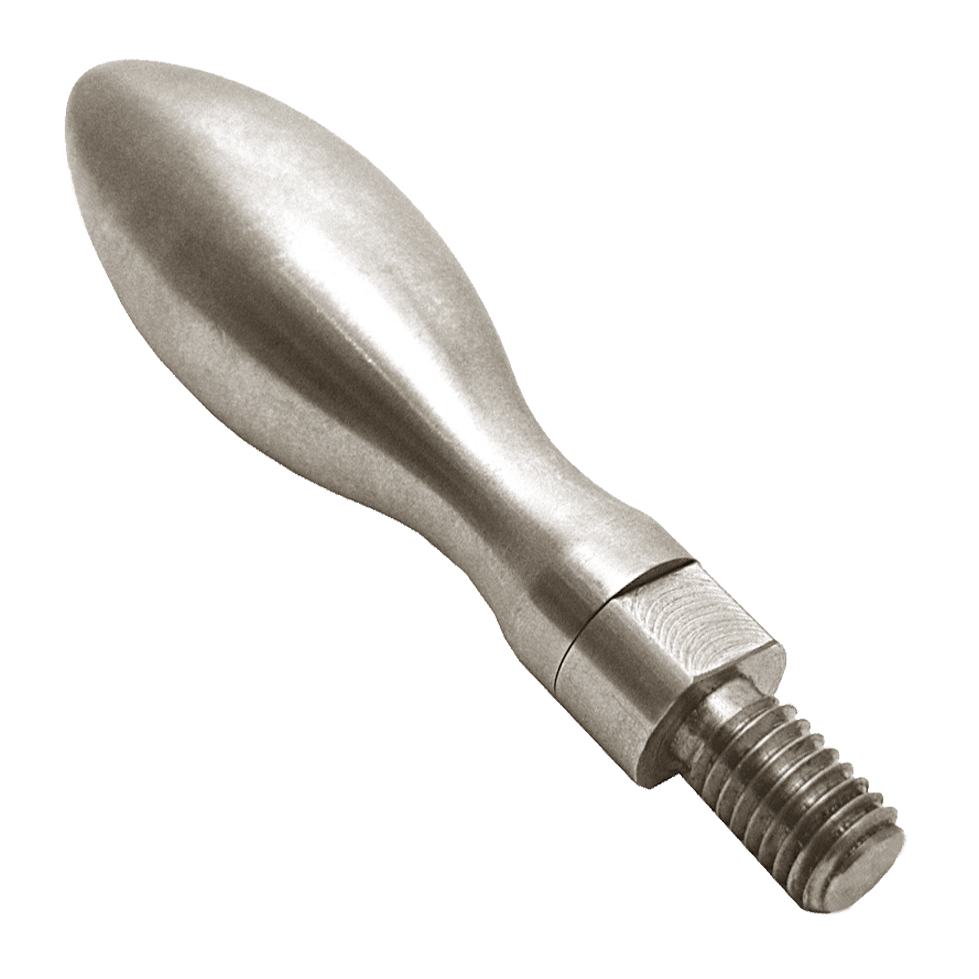
Buying Checklist for Procurement Teams
Smart sourcing needs more than price checks. Buyers should review drawings, samples, and quality systems first. Supply continuity matters during peak demand periods. Packaging quality also protects threads and finishes in transit. Use the checklist below during RFQ stages.
- Confirm thread size, stud length, and tolerance
- Request material certificates if required
- Check rotation smoothness and grip play
- Review finish quality and edge safety
- Ask MOQ, lead time, and tooling terms
- Verify carton labels and export packing
- Request inspection reports before shipment
- Compare warranty and claim response speed
Maintenance Practices That Protect Service Life
Routine care extends usable life significantly. Dust and chips can enter moving gaps. Regular cleaning prevents rough rotation. Light lubrication may help metal bearing systems. Plastic bushings may need dry operation instead. Always follow supplier advice. Inspect grip looseness during scheduled checks. Replace bent studs quickly. Damaged threads can harm mating parts. Keep spare units in stock for critical lines. Train staff to avoid hammer impact during fitting. Proper torque during installation also matters. Over tightening can distort movement quality. Consistent maintenance keeps controls smooth. It also protects operator confidence during fast paced production work where delays create wider scheduling pressure.
Supplier Evaluation for OEM Buyers
A capable supplier offers more than parts. Strong vendors support drawings and custom branding. They provide samples quickly and answer technical questions clearly. Stable factories maintain process control records. Incoming material checks reduce defect risk early. Final inspections protect shipment quality later. Buyers should ask about traceability methods. Batch coding helps root cause analysis. Tooling ownership terms need written clarity. Communication speed also matters during engineering changes. Some suppliers offer private label packaging. Others manage safety stock for repeat orders. Premium partners can scale with future demand. Many OEM brands prefer revolving handles suppliers with export experience and documented quality discipline across multiple production programs.
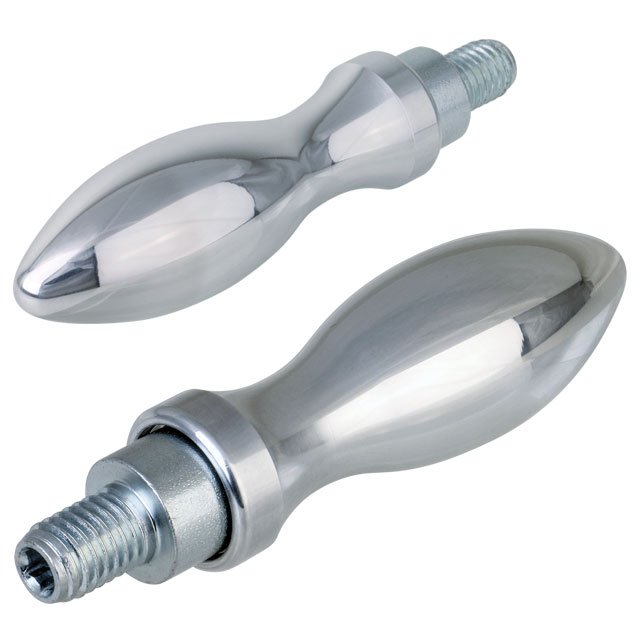
FAQ
What makes a revolving handle better than a fixed knob?
A rotating grip reduces friction between the hand and handle surface. That helps users turn parts faster with less strain. Fixed knobs often drag against the palm during repeated motion. Over time, that can increase fatigue and lower precision. Rotating models support steadier grip contact during circular travel. Many factories choose them for setup stations, clamps, and wheels. They also help glove users maintain control. When tasks repeat all shift, the ergonomic difference becomes more visible. Buyers should test both styles on actual equipment before final selection.
Which industries use these products most often?
Manual adjustment points exist in many sectors. Metalworking shops use them on fixtures, vises, and feed systems. Packaging plants use them on guides and changeover rails. Food equipment makers choose corrosion resistant versions for washdown zones. Agriculture brands use them on gates and dosing controls. Warehousing systems use them on racks and carts. Laboratories use compact sizes on benches and devices. Textile and printing lines need precise setup motion too. Any industry with repeated hand turning can benefit from better grip control and smoother rotation.
What should bulk buyers check before ordering?
Start with dimensional accuracy. Confirm thread size, stud length, grip diameter, and mounting fit. Next, review materials for heat, chemicals, or moisture exposure. Ask for samples and test rotation smoothness under real load. Check edge finish and overall appearance. Request production lead times and carton details. Review quality procedures, including incoming checks and final inspection. If regulations apply, request compliance files early. Compare warranty support and response speed. Reliable supply often matters more than the lowest unit price during long term purchasing programs.